Habitat loss is the biggest threat to the world’s wildlife. Nearly all habitat loss is driven by the expansion of agriculture: we chop down forests and convert wild grasslands into farmland to grow crops and raise livestock.
Researchers David Williams, Michael Clark, and colleagues mapped out what the future of agricultural expansion and habitat loss might look like. In their business-as-usual scenario, crop yields continue to increase at rates similar to those in the past, and by 2050, the world will need 26% more cropland — an area the size of India and Germany combined. Cropland expansion would be intense across sub-Saharan Africa. The researchers mapped the changes in habitat area for 19,859 species of mammals, birds, and amphibians. Nearly all (88%) of these species would lose at least some of their habitat by 2050.
The researchers also assessed the most effective changes we can make to limit the impact on the world’s wildlife: closing yield gaps, so that crop yields reach 80% of their estimated maximum potential; halving food waste and losses; shifting toward a plant-rich (but not vegan) diet; and optimizing trade. If we combined all four of these changes, all regions would see mean habitat losses of 1% or less by 2050.
What stands out across the individual changes is the dramatic impact that closing yield gaps has, particularly across sub-Saharan Africa. If we were able to close these gaps, mean habitat losses across sub-Saharan Africa would be just 1%.
@1goodtern I really, really wish I could get threadreader to work on this one, it is a work of art xxx
Maybe it is too long for the app, or maybe there is something wrong with the system.
@1goodtern Not noticed that, but I have failed miserably to get a threadreader of a very long tweet. It was your ten things regarding climate and change and covid. A spectacularly long one - maybe that was why it would not work.
A study in Scientific Reports scanned the hearts of people two years after COVID. The title says long COVID population, but most participants had no symptoms. This is a study of COVID survivors, mostly symptom free. And 39% of them had a blood-flow defect on heart imaging🧵
Statins have been sold for nearly forty years. In that time the proof they save lives has got thinner, and the number of people told to take them has kept climbing.
1987: the first statin goes on sale in America. It is meant for people whose cholesterol is dangerously high and will not come down with diet.
1994: statins post the best result they will ever post. In men who have already survived a heart attack, deaths over five years fall from about 12 in 100 to 8 in 100.
1996: Lipitor is approved, and the job becomes selling that result to people who have never had a heart attack.
2000: Pfizer buys the whole of Warner-Lambert, the company that made Lipitor, for about $90 billion, just to own the pill outright.
2001: the American cholesterol guideline nearly triples the number of people told to take a statin, from 13 million to 36 million.
2002: the drug is tested in 10,000 older Americans with high blood pressure, most of them without heart disease. It makes no difference to how many die.
2002: in a trial of people over 70, the statin group has no fewer deaths and 25% more new cancers.
2004: Britain decides the drug is safe enough to sell over the pharmacy counter, with no doctor involved.
2011: Lipitor's patent runs out. It has become the best-selling drug in history.
2012: the FDA adds memory loss and raised blood sugar to the warning label.
2013: a new American guideline adds another 12.8 million people to the list.
2014: Britain halves the risk score that qualifies you, and 4.5 million more people become eligible.
2016: the drug is tested in 12,000 people across 21 countries who have no heart disease. Again, it makes no difference to how many die.
2026: a new American guideline makes 87.5 million people eligible, including 93% of everyone in their seventies, and asks for a cholesterol test on every child aged nine to eleven.
The strongest evidence the drug ever produced came in 1994, from men who had already had a heart attack. Every expansion since has handed it to healthier people, in whom the trials keep finding no difference in deaths.
Calling an account a “doomer” because it describes an ugly reality is like blaming the mirror for what it reflects.
Have you looked around lately?
Doomerism is fatalism.
It says catastrophe is inevitable. Nothing can be done. Nothing matters. Why bother?
That is NOT the same thing as saying:
Climate change is already here. Some additional damage is now unavoidable. And what we do from here will determine how much worse it gets.
COVID is still circulating. Reinfections are still occurring. People are still dying and becoming chronically ill. Long COVID is real. Viral persistence, immune dysregulation, vascular injury and neurological abnormalities are not inventions of pessimistic Twitter accounts.
Some consequences of the choices we’ve already made are now baked in.
But the magnitude of what happens next is NOT.
People miss this.
Wearing a respirator matters.
Cleaning indoor air matters.
Reducing transmission matters.
Vaccination matters.
Climate mitigation matters.
Adaptation matters.
Policy matters.
A doomer says: “We’re doomed, so why bother?”
I’m saying: “Look at what’s happening. Stop looking away. We can still change what happens next.”
That isn’t doom.
That’s the reason to act.
Calling the mirror a “doomer” doesn’t change what’s reflected in it.
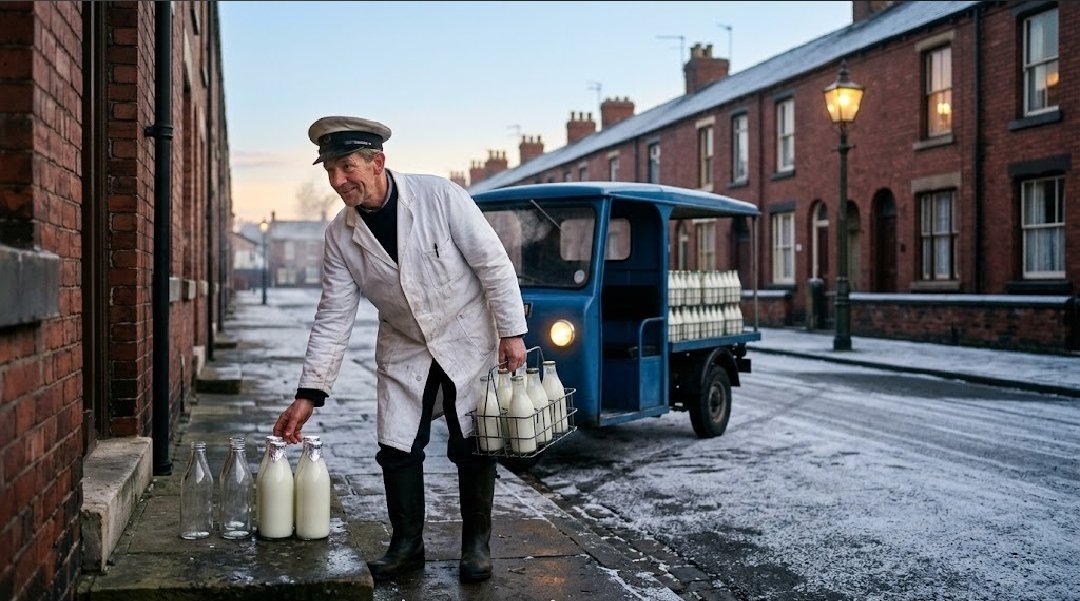
In 1967 Britain had more electric vehicles on its roads than every other country on earth put together, and they were all delivering milk.
There were tens of thousands of them. The milk float: open sided, battery under the floor, top speed of about 15 miles an hour, and a whine you could pick out in your sleep. It was charged overnight at the depot and was back there by lunchtime.
It carried glass bottles. Each one was collected from your step the next morning, washed and refilled. A bottle went round like that 20 or 30 times before it broke. The foil cap went for scrap. There was no other packaging.
The milk had come from farms within a few miles, through a local dairy, and was on the step before 7.
So here is what the country had. A zero-emission delivery fleet. Reusable containers with a return rate any modern scheme would kill for. No plastic. A supply chain you could cycle the length of. A man who noticed if an old lady's bottles were piling up, and knocked.
It was dismantled in about 15 years, because a supermarket could sell milk a few pence cheaper in a plastic jug as a way of getting you through the door.
Every piece of that system is now the subject of a government target for 2040.
It was running in 1967, silently, in the dark, and nobody thought it was worth a mention.
Why does a drug taken by 200 million people postpone death by 3.2 days?
Why did the biggest statin trial remove a third of its volunteers before it started counting side effects?
Why does half of everyone prescribed one give it up within a year?
Why did Merck patent a statin with CoQ10 added, to offset the muscle damage, and never sell it?
Why did memory loss take 25 years to reach the label?
Why does the high dose raise the odds of diabetes by 36%?
Why did the largest government-funded statin trial, 10,355 people, find no difference in deaths?
Why did the trial that made millions of healthy people eligible record more fatal heart attacks on the statin, 9 against 6?
Why is the raw data held by one unit in Oxford that lets nobody else check it?
Why are the people who call these questions dangerous paid by the people selling the answer?
Safe and effective. It should only take a minute to clear these up, then.
At 220 degrees, nylon melts and runs. At 220 degrees, wool is a jumper.
At 250 degrees, polyester melts and sticks to the skin. At 250 degrees, wool is a jumper.
At 300 degrees, acrylic catches and drips burning plastic. At 300 degrees, wool is a jumper.
At 400 degrees, the fleece is a liquid. At 400 degrees, wool is a jumper.
At 500 degrees, the sofa is on fire. At 500 degrees, wool is a jumper.
At 570 degrees, wool finally chars, puts itself out, and stops.
That is why the seat under you on an aeroplane is wool.
That is why the Royal Navy stopped issuing nylon after 1982, when the men on the Sheffield found out what it does.
That is why a firefighter's station blanket was wool for a hundred years before anyone made an advert about it.
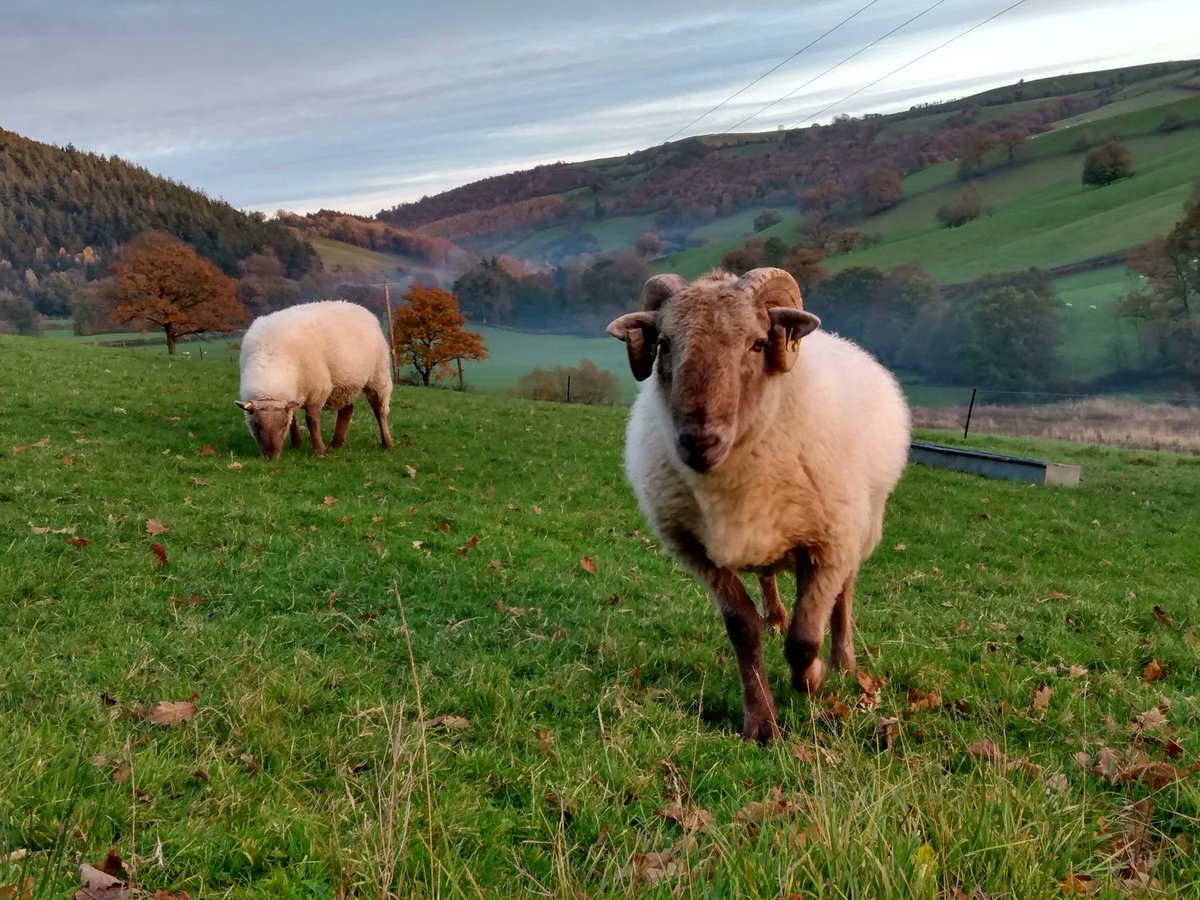
The sheep grows a fire-rated, self-extinguishing, water-shedding fabric on a hill in Wales for nothing.
The market price is below the cost of the haircut.
The replacement is petrol you can wear.
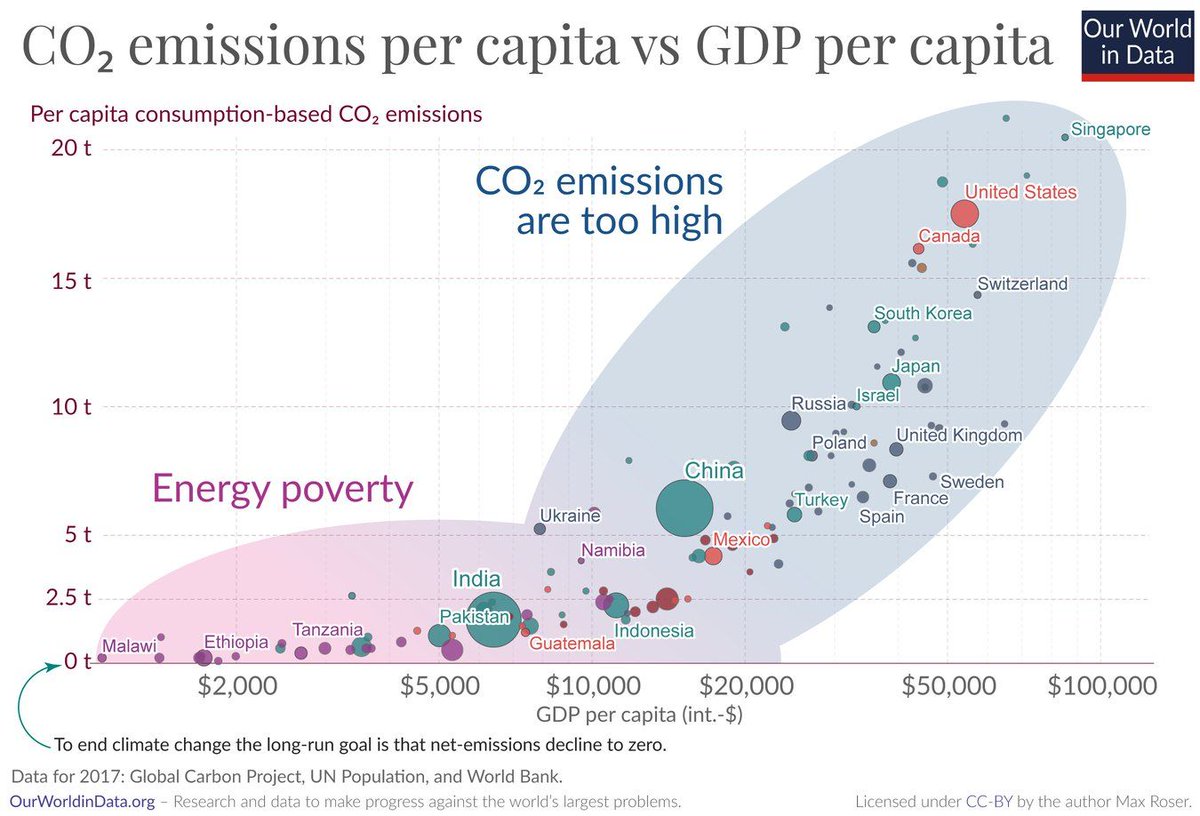
The world faces two energy problems: hundreds of millions lack access to energy, and most of our energy still produces greenhouse gas emissions.
The first energy problem of the world is the problem of energy poverty. People in very poor countries have very low emissions. The reason that the emissions of the poor are low is that they lack access to modern energy and technology. When people lack access to modern energy sources for cooking and heating, they rely on solid fuel sources — mostly firewood, but also dung and crop waste. This comes at a massive cost to the health of people in energy poverty. The reliance on fuelwood is also the reason why poverty is linked to deforestation.
The second energy problem is the one that is more well-known: greenhouse gas emissions are too high. The problem is larger for the extremely rich, but it is not limited to them. People need access to energy for a good life. However, in a world where fossil fuels are the dominant source of energy, access to modern energy means that carbon emissions are too high.
Once we look at it this way, it becomes clear that the twin energy problems are really the two sides of one big problem. We lack large-scale energy alternatives to fossil fuels that are cheap, safe, and sustainable. Until we scale up those alternatives, the world will continue to face the two energy problems of today.
We spent decades teaching people that cancer is mostly bad luck, bad genes, or bad habits.
Then you find out 2.3 million cases in a single year were attributable to infections.