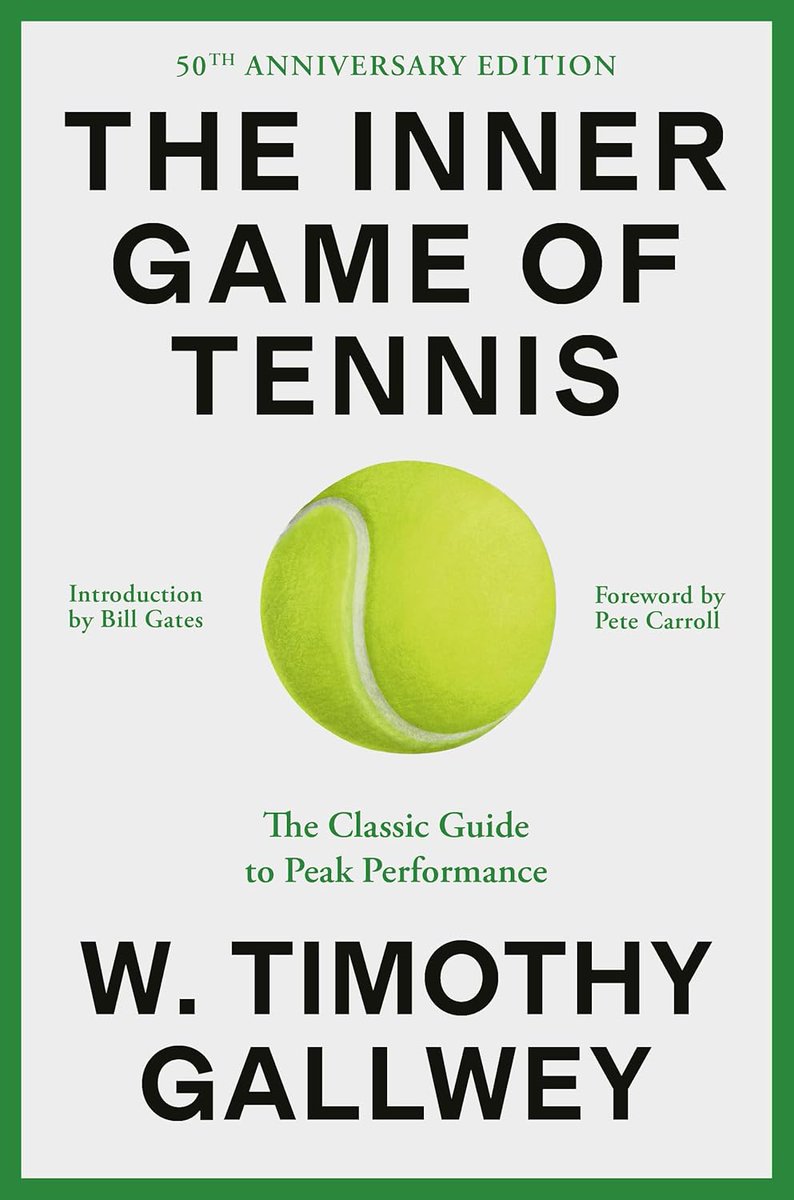
Great tennis metaphor about investing 🎾
To reduce my unforced errors, I learned accounting. Not just to read the numbers, but to properly understand the methodology and the meaning behind every row. Understanding financial statements is somewhat equal to reduce your unforced errors in tennis. It’s certainly a boring, defensive way to play the game.
It is also a trait that will never make me a lot of money. But it can definitely save my ass - and therefore a lot of my capital - many, many times over the years. I can return the ball 50 times back to my opponent’s court and go for a winner only when I feel that there is a proper opportunity for that.
I would label myself as a contrarian who loves to buy either unknown or out-of-favour companies. When you go for the trash, you need strong filtering mechanisms that are there to protect you. A diligent deep dive into financials is one of the most powerful tools when you want to filter out the worst of the worst. Especially when you play with companies that have a severe debt burden (!!!).
The companies know that they are fucked, but they will never say that to you. You need to find that out by yourself.
your daily reminder that ppl are almost biologically drawn to:
- belonging
- certainty
- status within a tribe
- a charismatic interpreter of reality
- rituals & shared language
- an enemy or out group
- a story that makes suffering meaningful
- the feeling that we know something they don’t
religions, political movements, startups, fandoms, fitness communities, crypto, even certain friend groups can all activate pieces of this same machinery. & some companies are doing it brilliantly well right now.
To me $CRWV is a shadow bank for compute with a high cost of capital and an asset/liability mismatch.
They can’t afford any softening of compute demand.
IAC (People?) offering $48 and change for MGM holdco buyout. Using JPM numbers: low 6x EBITDA and 11% plus FCF on 2027 figures, no value to Japan resort. Topping bid coming?
Early in my career, I did some work in a supermax prison. My mentor was a Holocaust survivor & psychiatrist.
Here are 5 lessons I’ll never forget, and hope you don’t either...
"The point is not to try harder, it's to resist less."
Good advice for writing, good advice for life.
But most people do the opposite. When life gets tough, they clench their fists instead of letting the inspiration that's already there pour through them.
Anne Lamott says: "It's not about accumulating more experiences. It's about paying better attention, and the writer's job is to pay attention. Start paying attention to people's faces and eyes. To the landscape, the sky, and the ground beneath you."
@ANNELAMOTT
Bill Gurley’s quote landed for me because it echoes a central lesson from The Inner Game of Tennis: performance changes when perception changes. In the book, Gallwey shows how quickly we become tense and insular when we frame everything as “me vs them.” We tighten up, guard information, and start playing not to lose. The opponent becomes a threat, not a mirror.
Gallwey’s reframing is the unlock: the opponent isn’t simply an enemy, but the supplier of the obstacles that draw out your best. In true competition, each player’s job is to create the hardest possible problems for the other—because those problems are what call forth each person’s best. The paradox is that a great opponent can help you, because they reveal your edge and force you to grow.