GIP did not prevent #hypoglycaemia following excess prandial insulin and physical activity after meal ingestion in males with type 1 #diabetes#T1D https://t.co/GpKmakrday
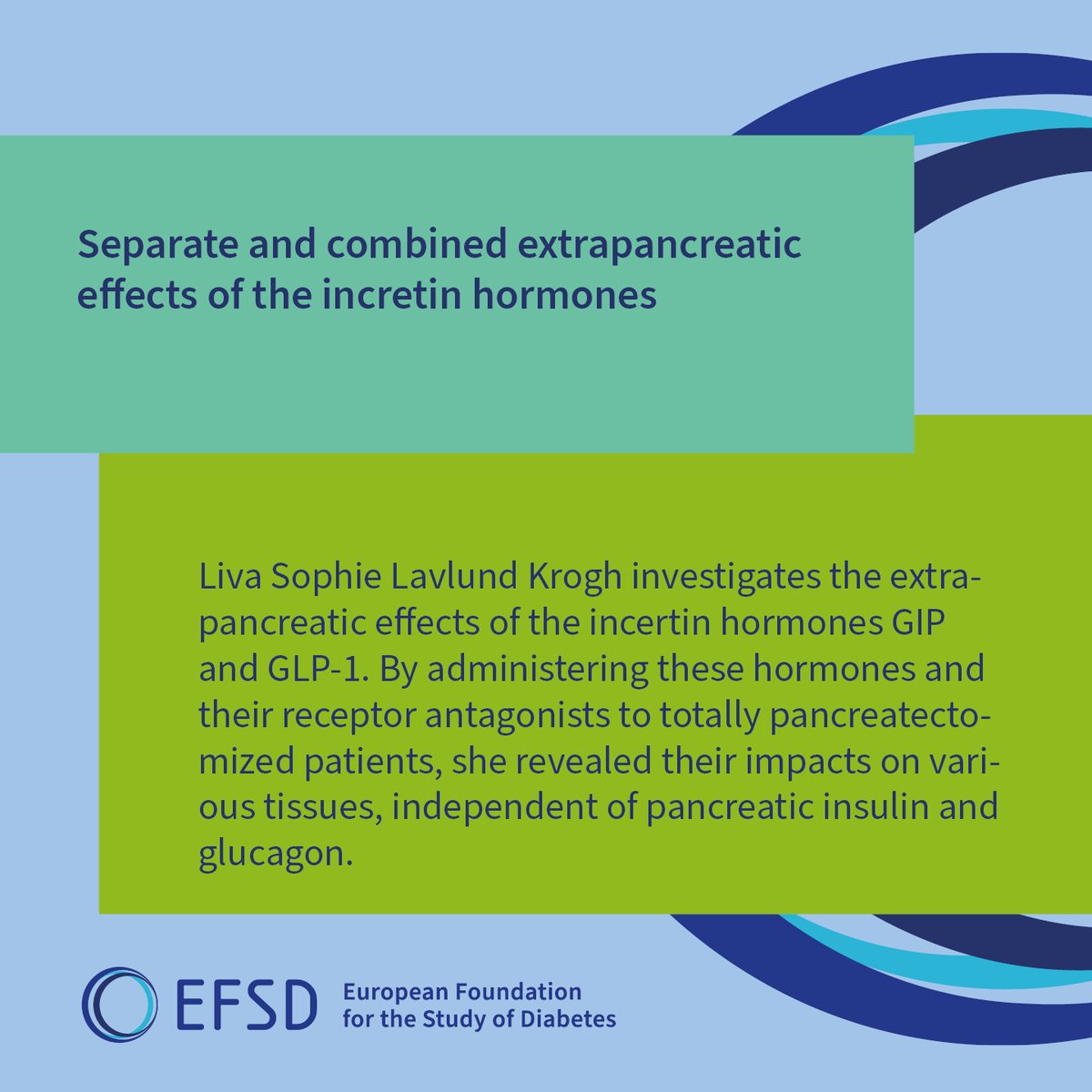
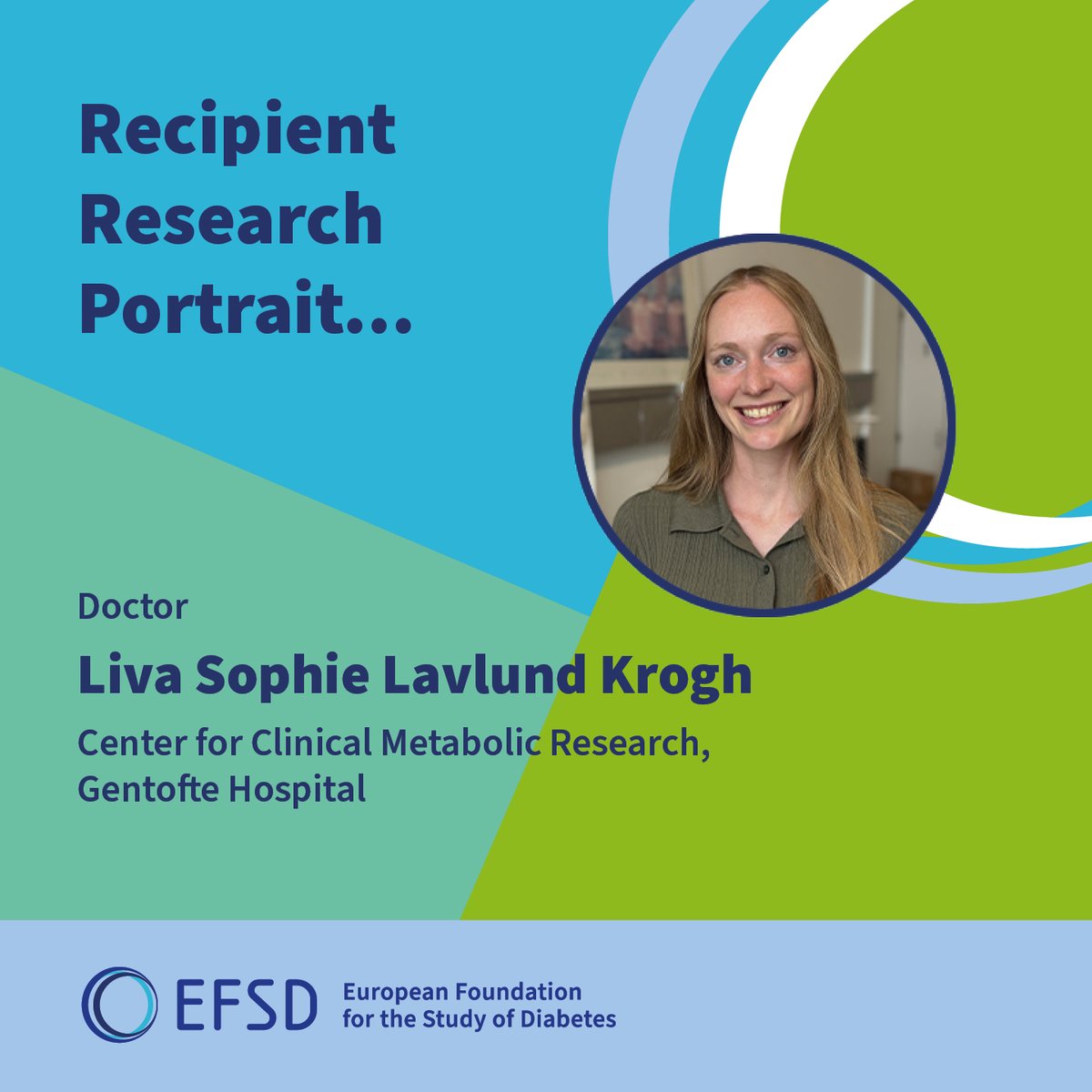
🧠Meet Dr. Liva Krogh (@Metabolcenter), co-investigator & grant recipient of the #EFSD/ @novonordisk A/S Programme for #Diabetes Research in 🇪🇺.
Their project investigated how the incretin hormones GIP & GLP-1 act on tissues outside the pancreas.
More 👉 https://t.co/F9l5iRt0Qe
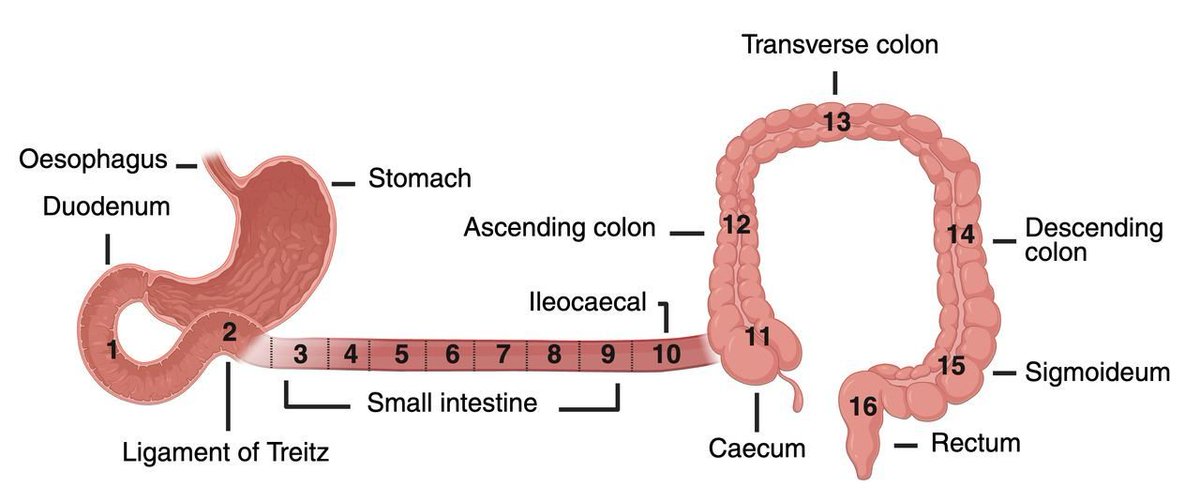
Today, @HannahVigh et al. unleash a freely available and searchable database of the human intestinal transcriptome - an atlas of the expression of 19,739 genes from 16 sites along the intestinal tract. Check out the landscape of your favourite gene here: https://t.co/ydcWR4pbCX
🌍 For Half of Humanity: Why we need action on obesity
Obesity is one of the defining global health and equity challenges of our time. Today, over 1 billion people live with obesity, and without bold action, 4 billion - half of the world’s population - will be affected by overweight or obesity by 2035.
This campaign is our urgent call to action in the lead-up to the 2025 UN High-Level Meeting on Non-Communicable Diseases (HLM on NCDs). Our goal is clear: to secure global recognition of obesity as a chronic disease, drive equitable access to care, and catalyse multisectoral solutions.
Obesity doesn’t just impact individuals - it fuels a wider crisis of non-communicable diseases including diabetes, heart disease and cancer. And it’s not just a high-income country issue - 88% of future obesity cases will occur in low- and middle-income countries.
But we have the tools to act: proven public health policies, emerging treatments, and growing political momentum. The HLM must our moment to demand action.
Join us in demanding:
✅ Obesity recognised as a disease in the HLM Political Declaration
✅ Commitment to WHO recommendations & Acceleration Plan
✅ People with lived experience at the heart of global solutions
🌐 Visit our website to explore campaign materials, take action, and learn why this moment matters. We have #4BillionReasons to act.
🔗 https://t.co/nUlkiImk8u
#4BillionReasons #HalfOfHumanity
Here the authors propose that gut #microbiota derived peptides exhibit potential for prevention and treatment of human metabolic disorders https://t.co/KrDWXaeKPt
And you thought #metformin lowered glucose via the liver? Here loss-of-function and gain-of-function studies suggest that VMH Rap1 is indispensable for the antidiabetic effects of metformin in mice #diabetes https://t.co/EbmaSoFiBe
Adult & Pediatric Populations in a Cohort of At-Risk Relatives in The T1D TrialNet Pathway to Prevention Study
➡️Still more to learn on trajectories of single antibody positivity… however stage 2 T1D and progression more defined in adults or children
https://t.co/RoBiQ0xiGC
A 7 day treatment period in humans with type 1 diabetes shows dapagliflozin increases plasma ketone concentrations without affecting the secretion of GLP-1, glucagon or somatostatin. https://t.co/N0pxcovqOS @DiabetologiaJnl
Studies in mice reveal that LEAP2 analogs have the potential to enhance the efficacy of glucagon-like peptide 1 receptor agonism and support durable #weightloss https://t.co/XSNqBRe6qE
#PRESS: At #ADA2025, Novo Nordisk is sharing the full phase 3 study results in people with overweigh or obesity, and overweight or obesity and type 2 diabetes respectively. Both studies simultaneously published in The New England Journal of Medicine. Read the full press release
The Banting Award for scientific achievement to Professor Steven Kahn. A stellar career with scientific leadership across multiple domains #diabetes A poignant celebration unfolds #ADA2025@AmDiabetesAssn
The vehicle associated phosphoprotein REPS1 identified as a convergence point for #insulin and #exercise signaling, presenting a potential therapeutic target for treating individuals with #insulin resistance @CellRepMed https://t.co/6d1fST5GAG
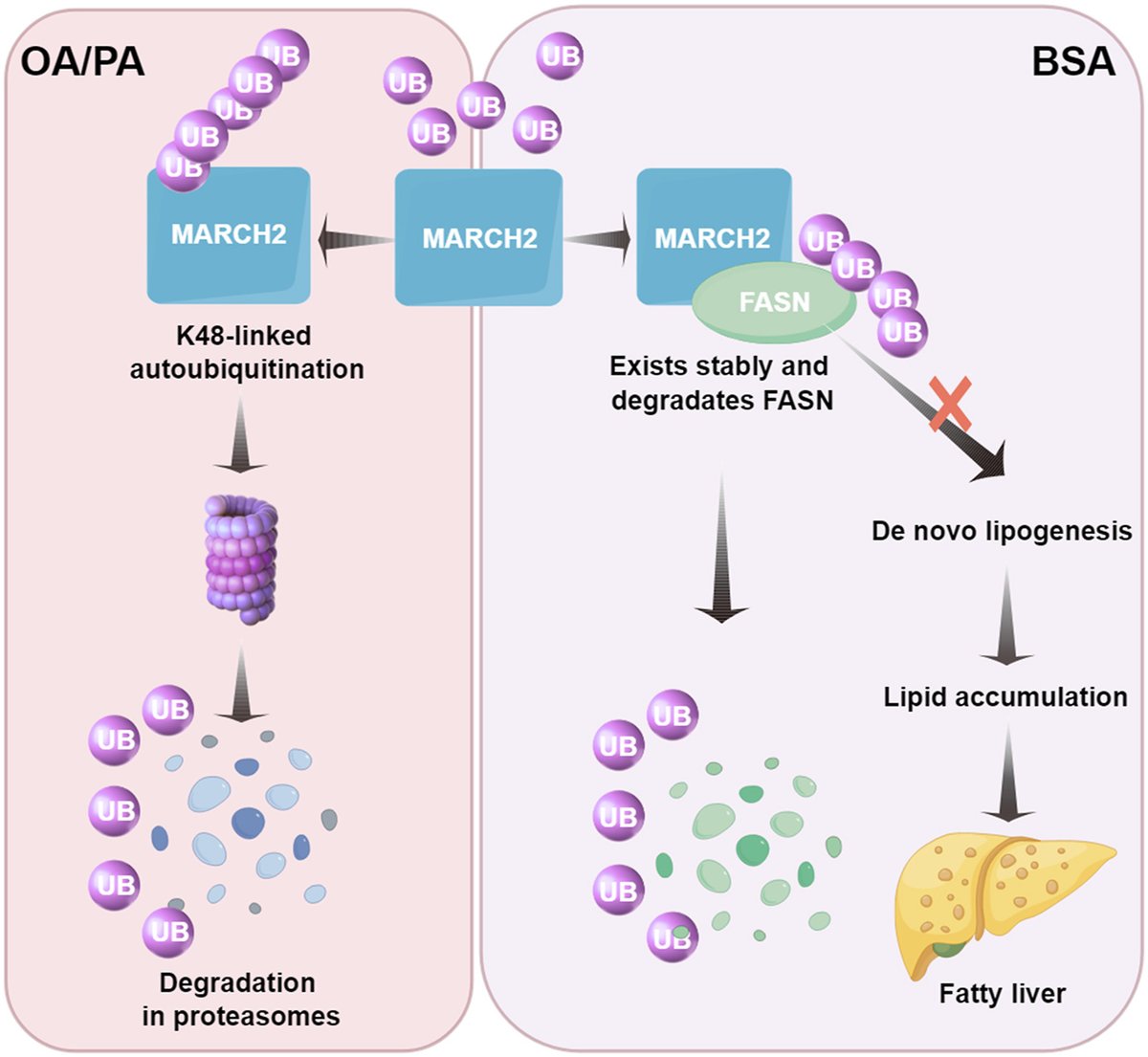
MARCH2, an E3 ubiquitin ligase, safeguards against metabolic dysfunction-associated #fattyliver disease.
By promoting FASN degradation, MARCH2 reduces #hepatic#lipogenesis and steatosis, highlighting a potential therapeutic avenue for #MAFLD.
🔗https://t.co/DRGC7jTeg9