None of the 9 commercial biostimulant seed products improved soybean yield in 100 growing environments in 22 U.S. states!
Why?
1. Conditions not conducive
2. Inoculant may not have been alive
3. Can't outcompete the native population
Full report https://t.co/n0YFZYZqHd
No-till has become synonymous with regenerative agriculture but the reality is that it's a Trojan horse for the excessive use of herbicides.
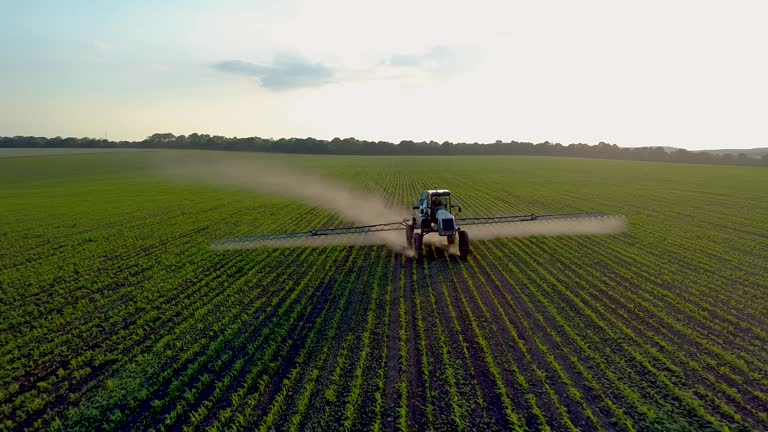
At least 93% of these no-till acres rely on synthetic herbicides, with the total pesticide burden from these systems reaching 285 million pounds annually.
Bayer/Monsanto now positions regenerative agriculture as its "vision for the future" while simultaneously incentivizing continued glyphosate dependence through its farmer rewards program for no-till practices.
These chemical applications produce greenhouse gas emissions equivalent to 11.4 million vehicles annually, directly undermining the so called climate benefits claimed by corporate proponents. The energy-intensive production and application of synthetic inputs negates any potential carbon storage gains.
Glyphosate—the primary herbicide in no-till systems—alters soil microbiome composition, disrupting nutrient cycling pathways and ecological resilience.
No-till adoption has increased herbicide application by 10-41% compared to conventional tillage systems. As glyphosate-resistant superweeds proliferate, farmers turn to more toxic alternatives including 2,4-D, dicamba, and paraquat.
Beyond glyphosate, neonicotinoid seed treatments are standard practice across nearly all conventional no-till corn acreage, introducing persistent neurotoxins that are proven to harm soil invertebrates, disrupt pollinator populations, and compromise the biological foundation of agricultural ecosystems.
Over 90% of no-till corn and soy acres plant genetically engineered, herbicide-tolerant seeds, creating a technological lock-in that perpetuates chemical dependency. These crops are primarily grown for livestock feed and biofuels, not direct human food production.
The carbon sequestration claims are also questionable. Studies claiming carbon benefits from conventional no-till typically rely on shallow soil sampling methodologies. More comprehensive soil core analysis reveals minimal carbon accumulation or even net carbon losses in many systems, especially when intermittent tillage is factored in.
According to USDA data at least 80% of so-called no-till acres are actually tilled at some point within a four-year period. This intermittent tillage rapidly releases any accumulated surface carbon, exposing the fundamental dishonesty in marketing these systems as climate solutions.
Policy needs to shift incentives away from chemical-intensive no-till toward genuinely regenerative practices. This means prioritizing reducing agrochemicals, funding development of non-chemical weed management, and supporting diversified food production systems.
Food companies claiming a regenerative supply chain must set measurable targets for phasing out toxic inputs and target measurable and verifiable regenerative outcomes. Implementing no-till as a standalone practice while ignoring its chemical dependencies amounts to greenwashing that undermines public trust.
@Aztech_Ag If you want to get a “workout” in it’s a blast, if you want to cruise 10 fields in the morning and then not stink all day - not the best. Ideal if moving tractors and trucks under 5 miles from field to field.
@Aztech_Ag I have a Trek Marlin 6. Can do 20mph. It’s more bike than scooter - so be prepared to work a bit. But I never worry about a dead battery. Fat bike tires are okay on loose field dirt. Light enough 60# you can strap to tractor steps.