Thrilled to announce our latest publication in @ScienceTM :
"Sexual dimorphism in the response to chronic circadian misalignment on a high-fat diet"
https://t.co/Tq8YJRoeyu
Congratulations to @FitzGerald__Lab (@UPENN_ITMAT), recipient of the 2024 @AAMCtoday Award for Distinguished Research in the Biomedical Sciences! https://t.co/wAHLFENbm1
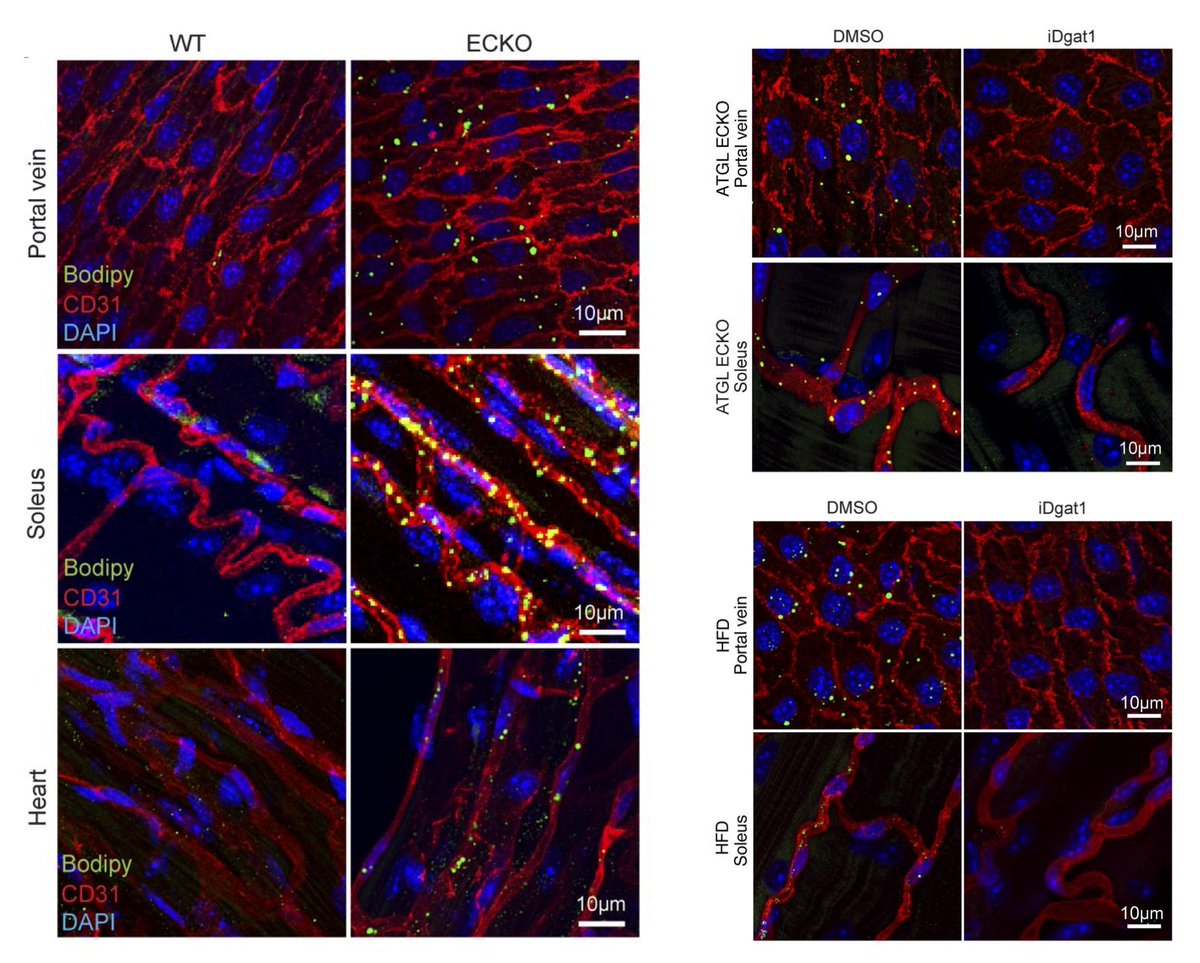
What a great day in the Britton Chance International Symposium on Metabolic Imaging and Spectroscopy, 2024. Grateful for opportunity to share our work with fellow and passionate researchers.
#Lipidomics#Spatialbiology@PennMedicine@Penn@FitzGerald__Lab
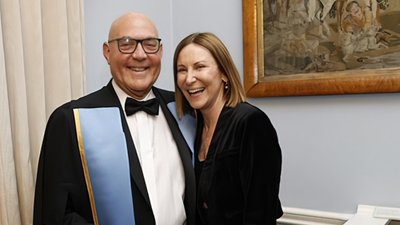
After marrying & welcoming 4 children, Emma Meagher (@PennSysPharmATT) & Noel Williams (@PennSurgery) took a leap of faith to build their careers at @PennMedicine. This year, they celebrate 30 years at @Penn & 35 years of marriage ft. @FitzGerald__Lab https://t.co/ZL2UHLbF9H
Thorough and important study by Soon Yew Tang et al. @FitzGerald__Lab@atvbahajournals comparing the “Differential Impact In Vivo of #Pf4Cre–Mediated and #Gp1baCre–Mediated Depletion of Cox-1” 👏https://t.co/hRe96M7sTW
Happy to announce an excellent new review by Ricciotti et al.:
Prostanoids in Cardiac and Vascular Remodeling | Arteriosclerosis, Thrombosis, and Vascular Biology @atvbahajournals
https://t.co/GJaCFKo7gC
Congratulations, Emanuela and team!
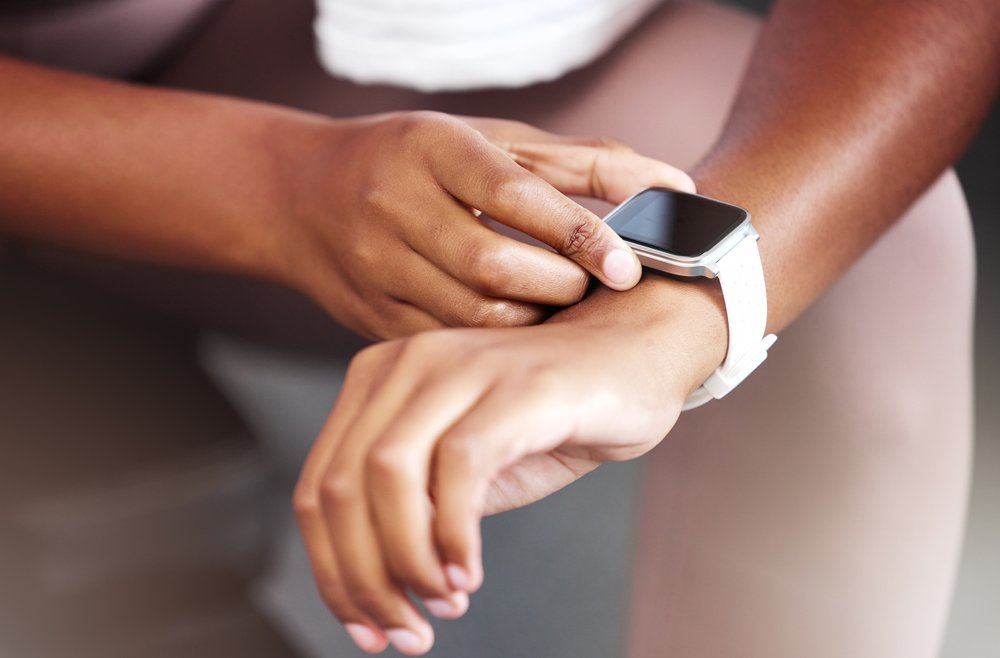
Diurnal rhythms are linked to disease. In our most recent study just published in @JHHypertension we translate the use of the JTK_CYCLE algorithm from the bench to human blood pressure to detect a subset of CKD patients at risk for CV death.
https://t.co/qakmbzh7xt
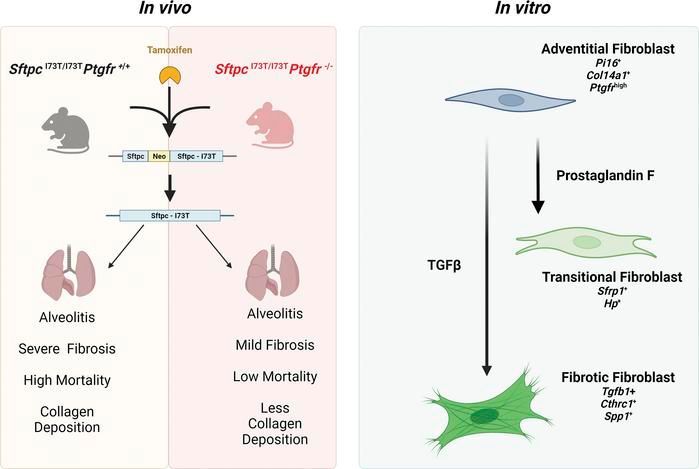
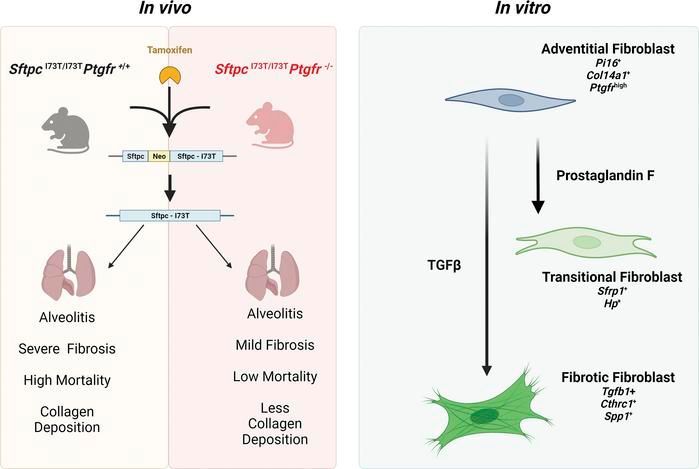
PGF2α signaling drives fibrotic remodeling and fibroblast population dynamics in mice: https://t.co/58aQZcSiL6
@WestPhillyTough @FitzGerald__Lab@PennMedicine#Pulmonology
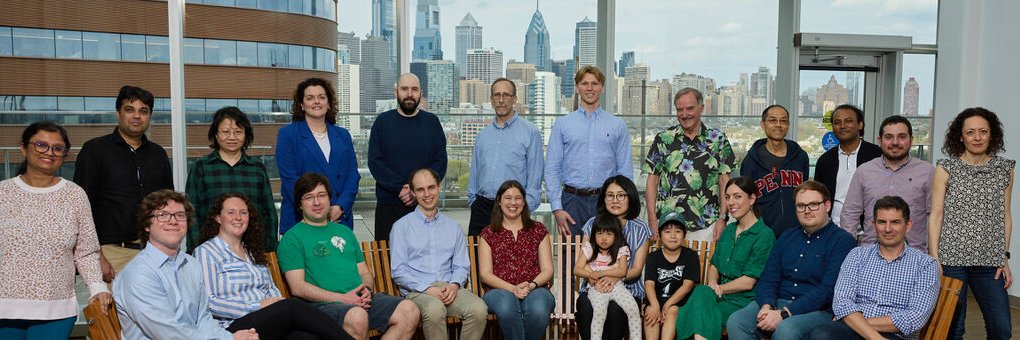
Interested in #translational science? Join ITMAT for their 18th annual symposium, “Origins, Emergence, Prediction and Perception of Disease: A Quantum of Solace,” on October 9-10th! Learn more & register for this free in-person & virtual event➡️ https://t.co/SJDNprUoq1
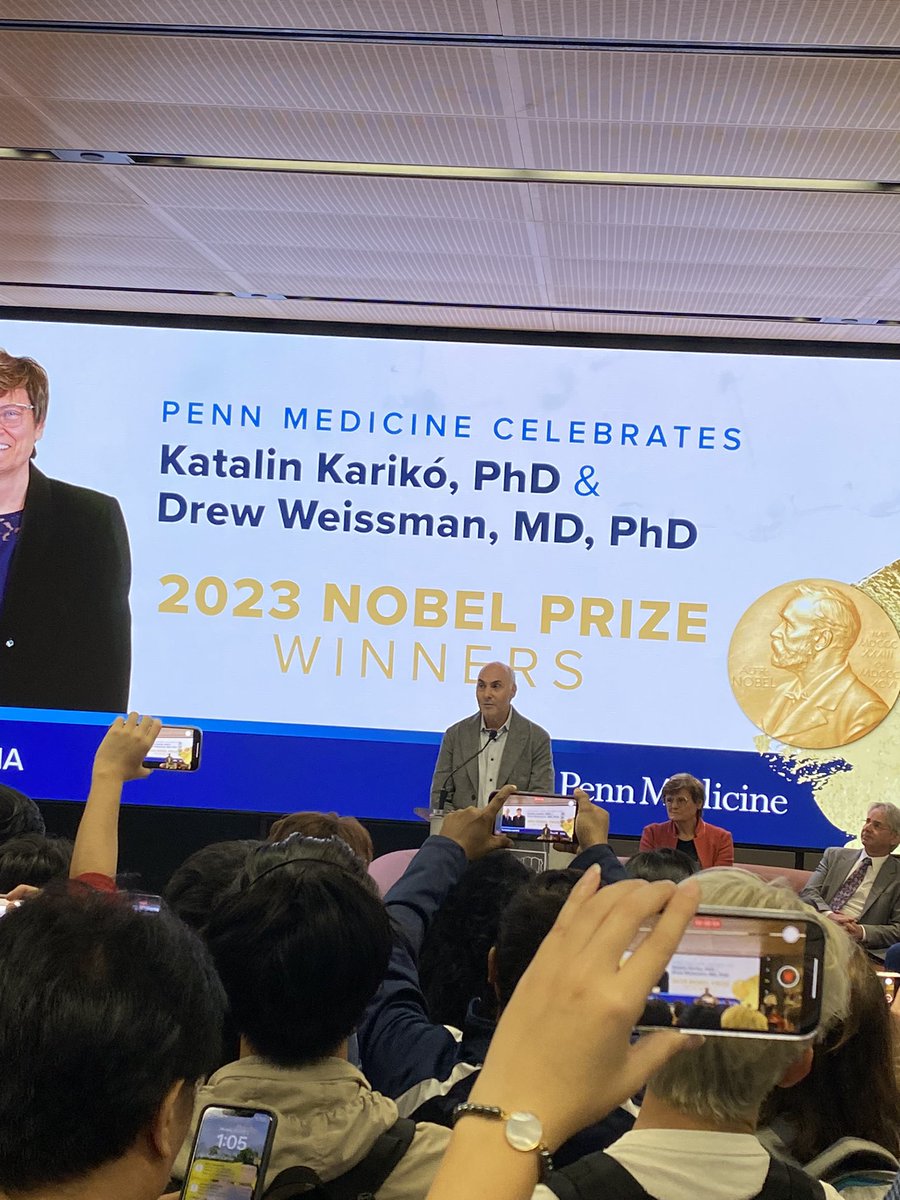
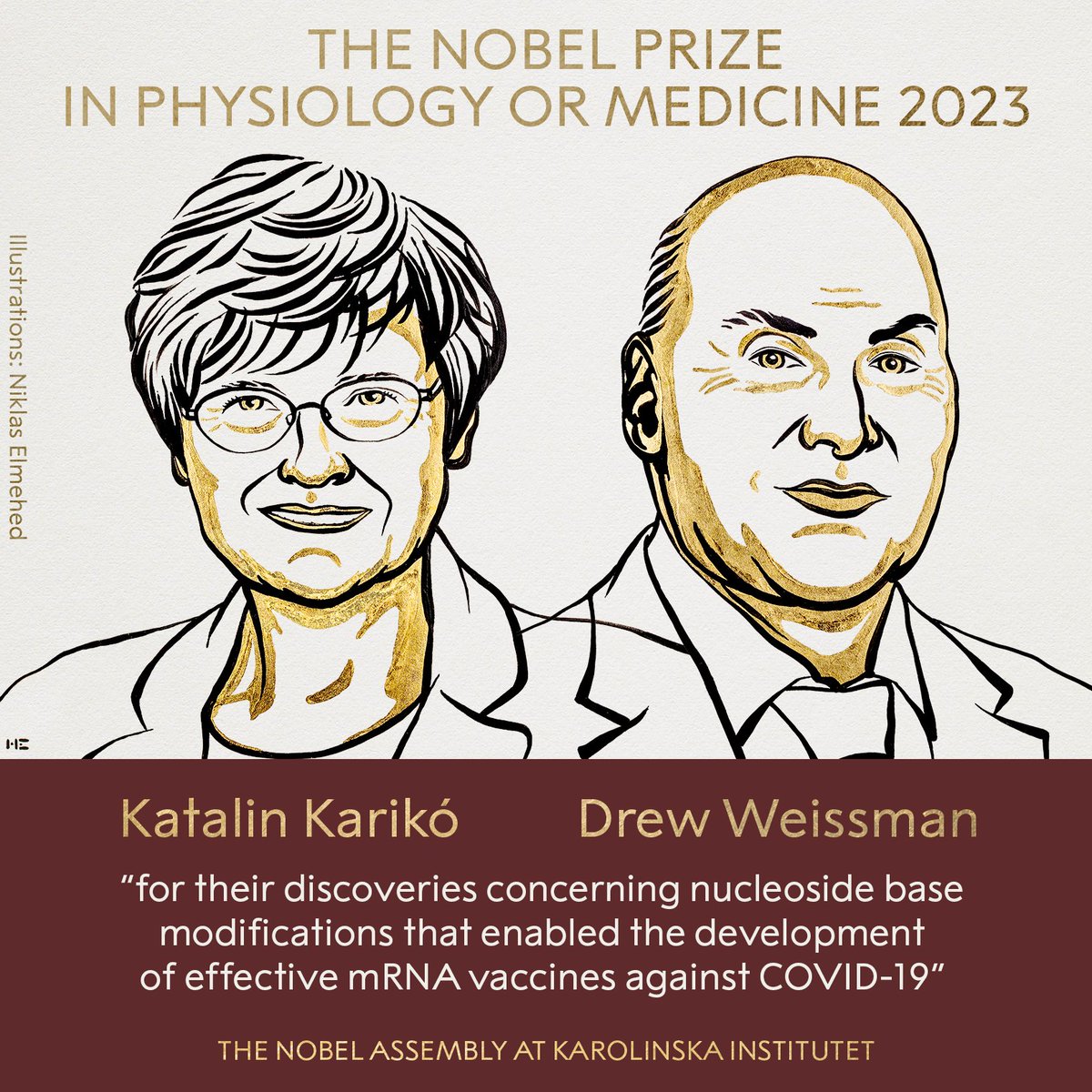
BREAKING NEWS
The 2023 #NobelPrize in Physiology or Medicine has been awarded to Katalin Karikó and Drew Weissman for their discoveries concerning nucleoside base modifications that enabled the development of effective mRNA vaccines against COVID-19.
It's often said that disrupted circadian rhythms increase disease risk. But what does 'disrupted' mean? A new study by @carstenskarke's team suggests that the size of the day-night difference, or rhythm amplitude, is predictive of future disease risk:
https://t.co/glKHTch0lm