Updates on our (VT) collaborative research and citizen science work with residents of Flint MI (#FlintWaterCrisis) and dozens of other communities nationwide
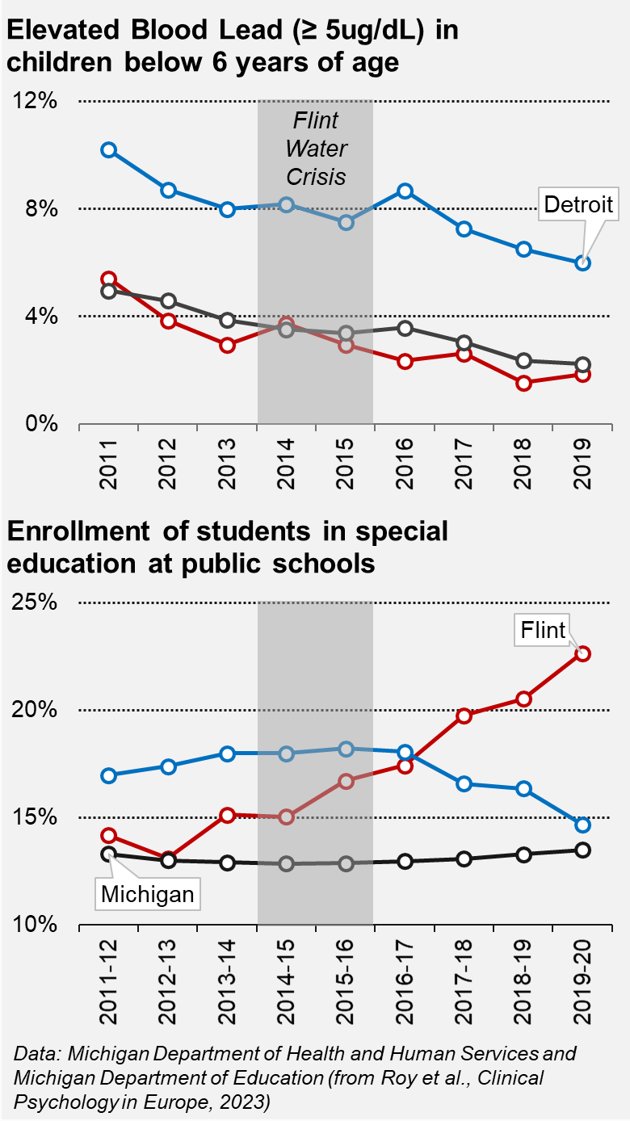
The percentage of children in Detroit with elevated blood lead levels, from 2011-2019, has always been twice higher than the percentage of children with elevated blood lead levels in Flint, even during the Flint Water Crisis.
Lead exposure cannot explain the rising special education enrollment rates Flint experienced following the water crisis.
A nocebo effect (when someone believes harm has been done to them because they were told so) may be responsible: https://t.co/2JPaw3t8cg
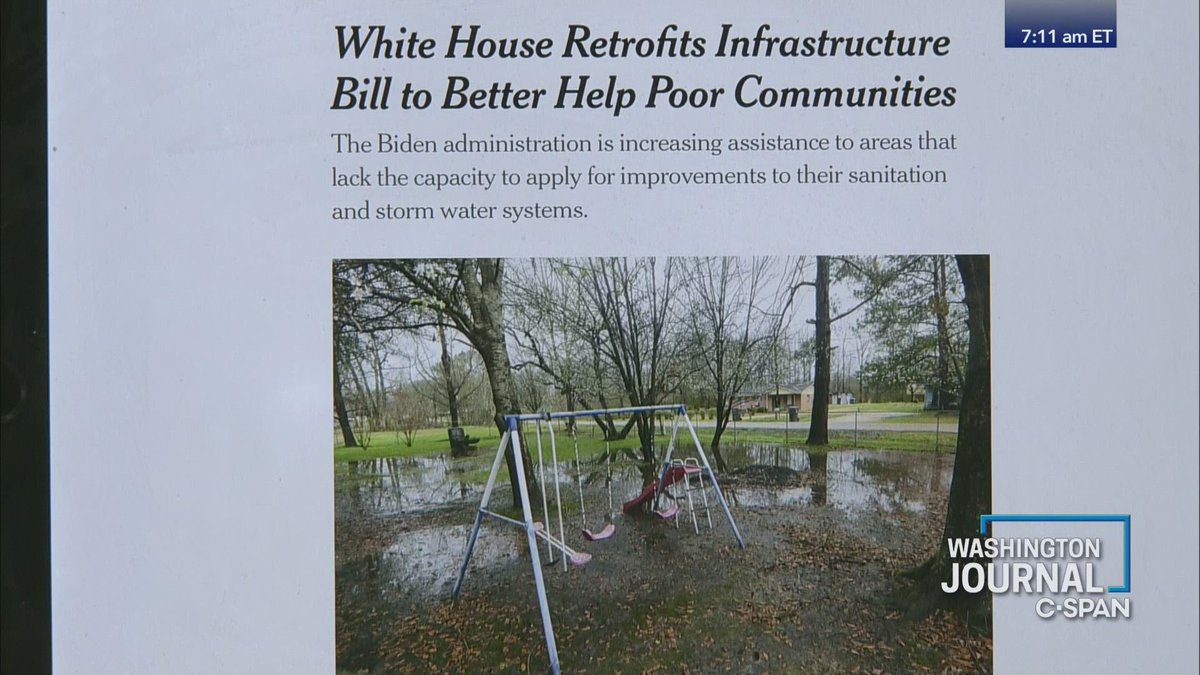
#Jackson, MS is experiencing a water crisis.
Watch as @virginia_tech professor Marc Edwards, who was among the first to identify toxic levels of lead in the water in Flint, MI, talks about the current crisis: https://t.co/jEMCx1OoEk.
#FEMA#EPA#Water#EdChat#SSChat
As the Flint water crisis made headlines across the world, the community foundation raised more than $19 million to help kids throughout the city. As recovery continues, the foundation and its homegrown leader are building on their reserve of trust. https://t.co/ulvEVHJ1mt
BSE Ph.D. student, Hannah Patton, was featured in a Water Docuseries by the U.S. Water Study Research Team (@flintwaterstudy)! Patton is advised by Leigh-Anne Krometis (@LKrometis). 🧑🔬💧
Check out Patton's episode and watch the whole series here 👇
https://t.co/FtrkNeaT6p
Five water documentaries. Six graduate students. Reflections of science and society. Work in Chicago and suburbs, Denmark, Newark, rural Appalachia and more. An original documentary series from the US Water Study team and filmmaker @EricaCorder. Watch now: https://t.co/s1MSgsFzHE
05. Every Sample is a Story: Rebecca Kriss and Cassandra Hockman share their converging research journeys in public-inspired science on the Story Collider stage: https://t.co/pvngf4yP3G
One way or another, Rick Snyder will answer questions under oath about his role in the Flint water crisis in a federal courtroom on June 30. https://t.co/9i8WZSMFRr
"After we tried to correct claims about ‘deadly’ water filters in Flint, we were accused of scientific misconduct—and that was just the beginning" https://t.co/xiEQBztuk3 From @RetractionWatch
After we tried to correct claims about “deadly” water filters in Flint, we were accused of scientific misconduct—and that was just the beginning https://t.co/GYTDm2SRlx
After we tried to correct claims about 'deadly' water filters in Flint, we were accused of scientific misconduct—and that was just the beginning https://t.co/BANhlczhOy via @ivanoransky