Inside the female reproductive tract, sperm can survive for up to 5 days, primarily sustained within the fertile cervical mucus of the fallopian tubes.
This extended viability creates a five day fertile window prior to ovulation, making conception possible even if intercourse occurs days before an egg is released.
OMEPRAZOLE: Rule of 3
1. Take 20/40 mg 1x daily, 30 min before breakfast, plain water, not milk, empty stomach, full effect in 3/4 days
2. Best for active ulcer, GERD, H pylori
3. Blocks clopidogrel, avoid after stent, long use can lower magnesium, B12
PANTOPRAZOLE: Rule of 3👇
Can a tablet for hiccups put someone in a coma?
A man presented with hiccups that won’t stop. A young GP prescribes baclofen and sends him home. He takes the tablets as directed.
The next morning, his family can’t wake him. (1/3)
Fluoroquinolones like ciproflôxacin can make the brain more excitable and lower the seizure threshold. NSAIDs such as diclofenac and ibuprofen can also contribute to lowering the seizure threshold. When they are used together, the effects may add up and increase the chance of a seizure, especially in someone already prone to seizures.
Antacids and pantoprazole both treat heartburn. Same symptom, very different timing.
ANTACID:
• Works within minutes
• Neutralises acid already in the stomach
• Often taken WITH or AFTER food, or at bedtime
• Keep a 2-4 h gap from other medicines
Pantoprazole ↓
DICLOFENAC (Fast): Rule of 3
1. Fastest acting for acute joint/tooth/period pain. Always WITH food or milk.
2. Highest heart risk among common pain pills. Avoid if you have heart disease or high BP.
3. Max dose 150mg daily. Never combine with other pain pills.
NAPROXEN (Stay): Rule of 3
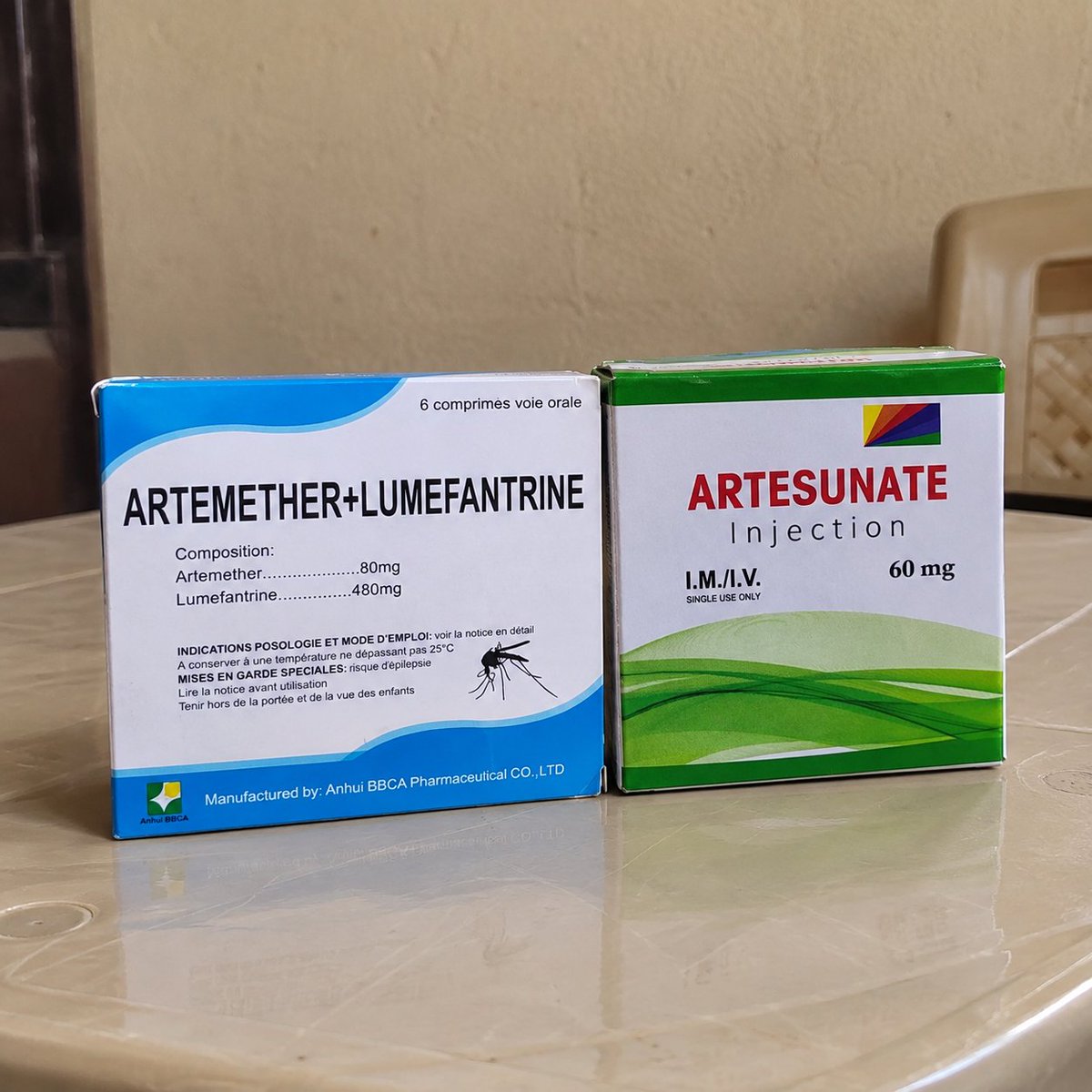
What is the difference between Artemether-Lumefantrine and Artesunate, what is the rätionale behind their use, and when should they be usëd?
For educational purposes only, not a mëdical advice, always consult your doctor or pharmacist before taking any mèdications.
Rëad 👇
After death, not every organ of the human body DIES at the same time. There is ONE part that can stay ALIVE for hours. Which one is it?
A. Brain
B. Skin
C. Cornea
D. Heart
#Thiamine in the ICU: 10 high-yield pearls
1. Unexplained lactate? Think thiamine.
Thiamine is required for pyruvate dehydrogenase. Deficiency blocks conversion of pyruvate to acetyl-CoA, shunting pyruvate toward lactate and impairing mitochondrial aerobic metabolism. Thus, thiamine deficiency belongs in the differential diagnosis for otherwise unexplained lactic acidosis.
2. Thiamine deficiency in the ICU is not rare.
~30-70% of critically ill patients are thiamine-deficient. Many arrive deficient; others develop deficiency during critical illness because of increased metabolic demand, inadequate intake, or losses.
3. The bedside phenotype is more important than waiting for a thiamine level.
High-risk situations include malnutrition, alcohol-related liver disease, bariatric surgery, renal replacement therapy, polyuria/DKA, chronic diuretic therapy, unexplained encephalopathy, unexplained lactate elevation, and sepsis.
4. Starting nutrition can unmask the deficiency.
Glucose administration increases carbohydrate metabolism and thiamine utilization. A malnourished patient may therefore develop rising lactate after initiation of enteral/parenteral nutrition. Refeeding syndrome is not simply a phosphorus/potassium problem; thiamine deficiency can be central to its pathophysiology.
5. Dialysis and polyuria are major clues.
Thiamine can be lost during continuous RRT, hemodialysis, and peritoneal dialysis. Renal losses also rise with polyuria, including the diuretic phase of AKI, post-transplant polyuria, DKA, and chronic diuretic therapy in heart failure.
6. Do not wait for the classic Wernicke's triad.
Altered mental status, ocular abnormalities, and gait ataxia are rarely all present together. I think I have seen it only a few times. In an at-risk ICU patient with otherwise unexplained encephalopathy, absence of the complete triad should not reassure you.
7. A plasma thiamine concentration is not a great “rule-out” test.
Testing is often unavailable and expensive, and blood concentration does not necessarily reflect tissue thiamine status. I don't even remember when I last ordered the test (if ever...). Erythrocyte transketolase activity is physiologically more informative, but its cutoffs are poorly defined. Just recognize the risk population and consider a therapeutic trial rather than wait for laboratory confirmation.
8. The sepsis data are more nuanced than “thiamine works” or “thiamine doesn't work.”
Thiamine is not expected to improve hard outcomes in the overall septic-shock population. Some subgroup analyses and meta-analyses suggest signals for improved lactate clearance and organ function, particularly renal outcomes. I don't consider it a magic drug...
9. Thiamine alone ≠ HAT (hydrocortisone + ascorbic acid +thiamine) therapy.
Do not interpret negative trials of HAT as proof that correcting thiamine deficiency is useless. Large HAT RCTs failed to demonstrate the dramatic clinical benefit initially claimed, and a VICTAS secondary analysis raised concerns about longer-term outcomes. That is a different question from replacing thiamine in a patient likely to be deficient.
10. The kidney may be an important target organ.
Renal tubular cells are highly energy dependent. Across secondary analyses, observational data, and meta-analytic evidence, thiamine supplementation -particularly in deficient patients- shows a signal toward less AKI progression, better renal recovery, and less need for RRT, although individual RCTs have not consistently demonstrated significant benefit in unselected populations.
Rule of thumb:
“⬆️ lactate + risk factor + no good explanation" → think B1 deficiency”
Especially think about it when you see malnutrition/refeeding, alcoholism/cirrhosis, dialysis, polyuria/DKA, chronic diuretics, unexplained encephalopathy, sepsis, or otherwise unexplained persistent hyperlactatemia.
I usually include it in the admission orders for most of my ICU patients along with DVT and GI prophylaxis...!
Thiamine deficiency behaves less like an obscure vitamin deficiency and more like a potentially reversible form of mitochondrial energy failure. Or that's how I like to think about it.
#foamed #foamcc #meded
What's the difference between Metronidazole, Tinidazole and Secnidazole, what's the rätionale behind their usè and which one should be usèd?
For educational purposes only, not a mëdical advice, always consult your doctor or pharmacist before taking any mèdications.
Let's discüss 👇
Not all ANTIBIOTICS are same. Some work with food. Some get destroyed by milk. Take them wrong and you’re basically taking sugar pills.
4 COMMON antibiotics you MUST take with precautions
1. Doxycycline / Tetracycline
I'm so surprised why a lot of people think children are small adults when it comes to Full Blood Count (FBC) interpretation.
High WBC in children does not always mean it's sepsis.
Let me take you through a tour on FBC interpretation in kids in a way you'll understand. 👇🏽
50 websites that can turn a “quick visit” into hours of exploring 🌍
1. https://t.co/e9MzKtH8Ac — Live satellite views
2. https://t.co/F0sYcAhsEB — Track planes worldwide
3. https://t.co/dlD4FsbeZ5 — Track ships in real time
4. https://t.co/enz2psqLq2 — Live weather & storms
5. https://t.co/6WtqMIyIXO — Live lightning strikes
6. https://t.co/rDjMVuFJ9p — Recent earthquakes
7. https://t.co/2hL9AwpAnD @sauda_coder — Explore internet cables
8. https://t.co/OXUHY0vxtW — Monitor global forests
9. https://t.co/3ykvE8xIQm — Live world statistics
10. https://t.co/WIRyI84z3z — Live internet stats
11. https://t.co/WF9Dt2YTJU — Compare country sizes
12. https://t.co/lkLgao8hPE — Explore historical maps
13. https://t.co/62atEjao3d — Historical map archive
14. https://t.co/0roKo8iBFs — Community-built world map
15. https://t.co/t4SwdWbJzL — Windows around the world
16. https://t.co/upNXry1y9K — Virtual city walks
17. https://t.co/0c5Vd0eMlf — Random places worldwide
18. https://t.co/A07775U3oX — Strange places worldwide
19. https://t.co/2LNjVQBuJG — Fun interactive experiments
20. https://t.co/WE3bRUopQP — Atom to universe
21. https://t.co/BlWzVbrKLO — Explore space in 3D
22. https://t.co/F85rw8lZ7F — Interactive sky map
23. https://t.co/DXt3VwPFml — NASA’s daily space image
24. https://t.co/4NjhLkVJzZ — NASA image archive
25. https://t.co/CKAVlLPXI3 — Interactive data stories
26. https://t.co/y6mFbQxfB7 — Global data & insights
27. https://t.co/DkEF24VHkq — Understand global trends
28. https://t.co/w4FExJsjYb — Data visualizations
29. https://t.co/eJbNAd4SBo — World Bank data
30. https://t.co/xyBlo89HIx — Turkey’s official statistics
31. https://t.co/A1aMVlBPFk — Massive digital archive
32. https://t.co/Mq40zmIIEJ — Free classic books
33. https://t.co/IeLWcbvCzB — Explore millions of books
34. https://t.co/YQD3ttZBoy — Library of Congress archive
35. https://t.co/Ix06KBwQyn — Europe’s cultural archive
36. https://t.co/CgTot9xsnm — America’s digital library
37. https://t.co/STGOC79ra4 — Virtual museums
38. https://t.co/HVjvwXZxdj @sauda_coder High-res artworks
39. https://t.co/11ALJRqB12 — Online art collection
40. https://t.co/C0q1e7mBuK — Historical treasures
41. https://t.co/FzLnwbvNFj — Free culture & education
42. https://t.co/DvnRSpu9PG — Explore the Met collection
43. https://t.co/4LzaPivTOn — Explore music genres
44. https://t.co/YRFJAaEZxr — Music by country & decade
45. https://t.co/KRJ5e0TlCK — Wikipedia edits as audio
46. https://t.co/MD4cssnXHm… — Random knowledge
47. https://t.co/SQ0ZFGnCHI — Time & astronomy tools
48. https://t.co/jVSqK5hoZO — Latest science news
49. https://t.co/DO3rXyKDYD — Free research papers
50. https://t.co/HzGCsimVyk — Interactive data visualizations
The internet is much bigger than your usual feed.
🔖 Bookmark this for later.
Follow @sauda_coder for more useful websites & AI tools. 🚀
Med student came to me with this CBC and asked: "Sir, is this bacterial or viral?"
Here’s how I broke it down. Forget memorizing. Use a 4-step approach.
STEP 1: LOOK AT WBC FIRST






![LunaTechAI's tweet photo. 9 ILLEGAL Websites That Will Make Your Life Easier
Shhh... don't tell anyone.
[🔖Bookmark this for later] https://t.co/b4ADJhBGtQ](https://pbs.twimg.com/media/HRNmOFGXcAAAPi-.jpg)





