That's because your device doesn't need to contact the website, and the website isn't checking anything on your device.
The answer is that both your device & the app are doing the same math, at the same time, arriving at the same answer.
Here's how TOTP actually works 🧵
1/
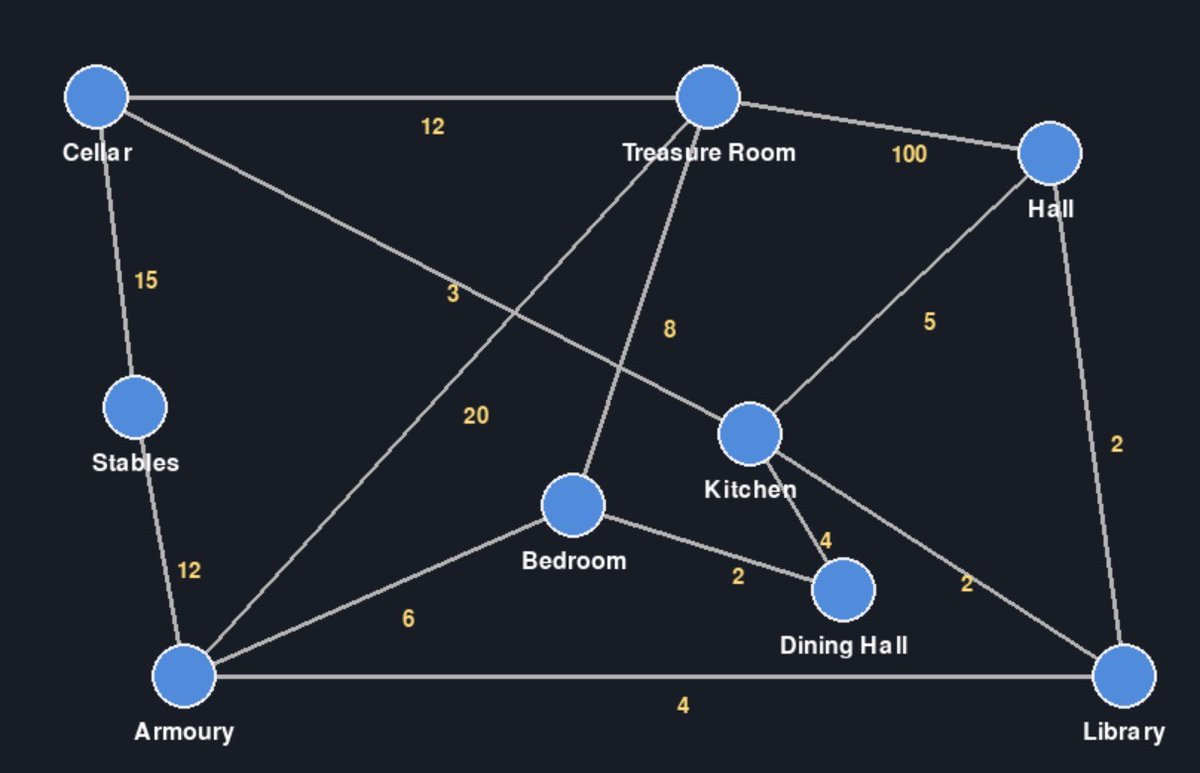
Hands up if you know what Dijkstra’s algorithm does... or even is?
In the 1950s, Dutch computer scientist Edsger Dijkstra developed a route-finding algorithm so important that, 70 years later, it is still part of the computer science curriculum.
Computer Science educator Rob Miles wrote this tutorial for us explaining what Dijkstra’s algorithm does, how it works, and discovering where it can be used. Along the way, you’ll brush up on some Python programming techniques, find some treasure, and learn how to build a pocket route finder using Raspberry Pi Pico.
*Nerds assemble* 👇 https://t.co/RkdrnGcv61
Claude Code on desktop now works with the iOS simulator.
Build and run your iOS app, and the simulator opens in a panel right next to your conversation. Available today in public beta.
I read the replies. Only a few people, I think, are getting the "free" part.
Copying has never been free. Yes you take the idea for "free" but to copy it you exchange your time, your effort, your skill. You have to understand it well enough to copy it. It costs something.
AI removes most of this.
"Create more". You will be copied more.
"Create better". Your better will get copied.
Create with "taste". Your taste will be copied and fast.
So fast that whatever made your creation unique is extracted and mass-produced.
It's already happening to software.
building an invite only admin dashboard (max 10 users, via email only). since i'm already using convex, should i build custom invite logic with @convex auth or is it better to use @clerk?