I believe it's important to honestly reassess ourselves and our efforts periodically. And when I see how I've fallen short, to fess up to it and commit to doing better going forward. To that end, I've written about how easy it is to accidentally fuel toxic polarization and distrust more broadly. I have learned a few things the hard way, here are a few of them: 1/2
https://t.co/cnxzovY4DS
Philanthropy “has too often operated as though the country’s chief problem is bad actors threatening good institutions. In truth, many institutions have failed to live up to their public purpose and have lost credibility as a result,” @forachelP courageously writes in @Philanthropy.
“When institutions focus more on deflecting blame and attacking their critics than on meeting widely felt public needs, they only reinforce the perception that they are unable or unwilling to reform themselves. Our funding has frequently underwritten that posture,” according to Pritzker.
“Adversarial advocacy has also infected many other areas of philanthropy, often in ways that funders miss and that conflict with their democracy goals,” she notes, and “adversarial advocacy, pursued single-mindedly, degrades democracy by deepening polarization, cutting off productive negotiation and compromise, and foreclosing the broad coalitions that democracy requires. …
“[M]ost funders are drawn from a relatively narrow professional class: highly educated, ideologically left-of-center, institutionally minded, and clustered in a small number of metropolitan hubs. Our values and priorities are out of step with a wide swath of the country. At best, we may occasionally recognize this disconnect. At worst, we judge our fellow Americans for not sharing our views. …
“Philanthropy has spent a decade funding the defense of a democracy that most Americans still don’t trust—and we may well be further fueling that distrust,” Pritzker concludes. “Are we capable of changing course when the evidence suggests our approaches are not working? Asking that question honestly and publicly is an important first step.”
@jon_m_rob DFN is a cross-ideological network of funders. So it doesn't fund anything itself. You can read more about it here if curious: https://t.co/gTzExowJoJ
"In typical policy fights, advocates seek to build a coalition just big enough to achieve a policy outcome. But when it comes to protecting liberal democracy, “just big enough” won’t cut it." 🧵https://t.co/qm9N0BsE9P
Building this broad coalition will mean building public support for liberal democracy by showing that it can address concrete things people care about, like affordable housing, safe neighborhoods, and quality education.
creating a government that is responsive & effective and developing an economic and social agenda that can help reduce the demand for illiberal policies, such as revitalization of rural America, rebuilding local media, and improving the status of working-class men.
African leaders are stepping up on the global energy transition→ At the recent Kigali @SEforALLorg Forum, energy ministers agreed a 7-point vision to achieve a just & equitable energy transition. Lots to see here (esp #3). 🧵 /1
https://t.co/huRayYdUg4
What are the advantages and disadvantages of philanthropy? On the What Could Go Right? podcast, TPN founder @zacharykarabell and TPN executive director @heyemmavarv sat down with @DavidCallahanIP and @forachelP to explore the pros and cons.
🎧 https://t.co/dVcXXxttVV
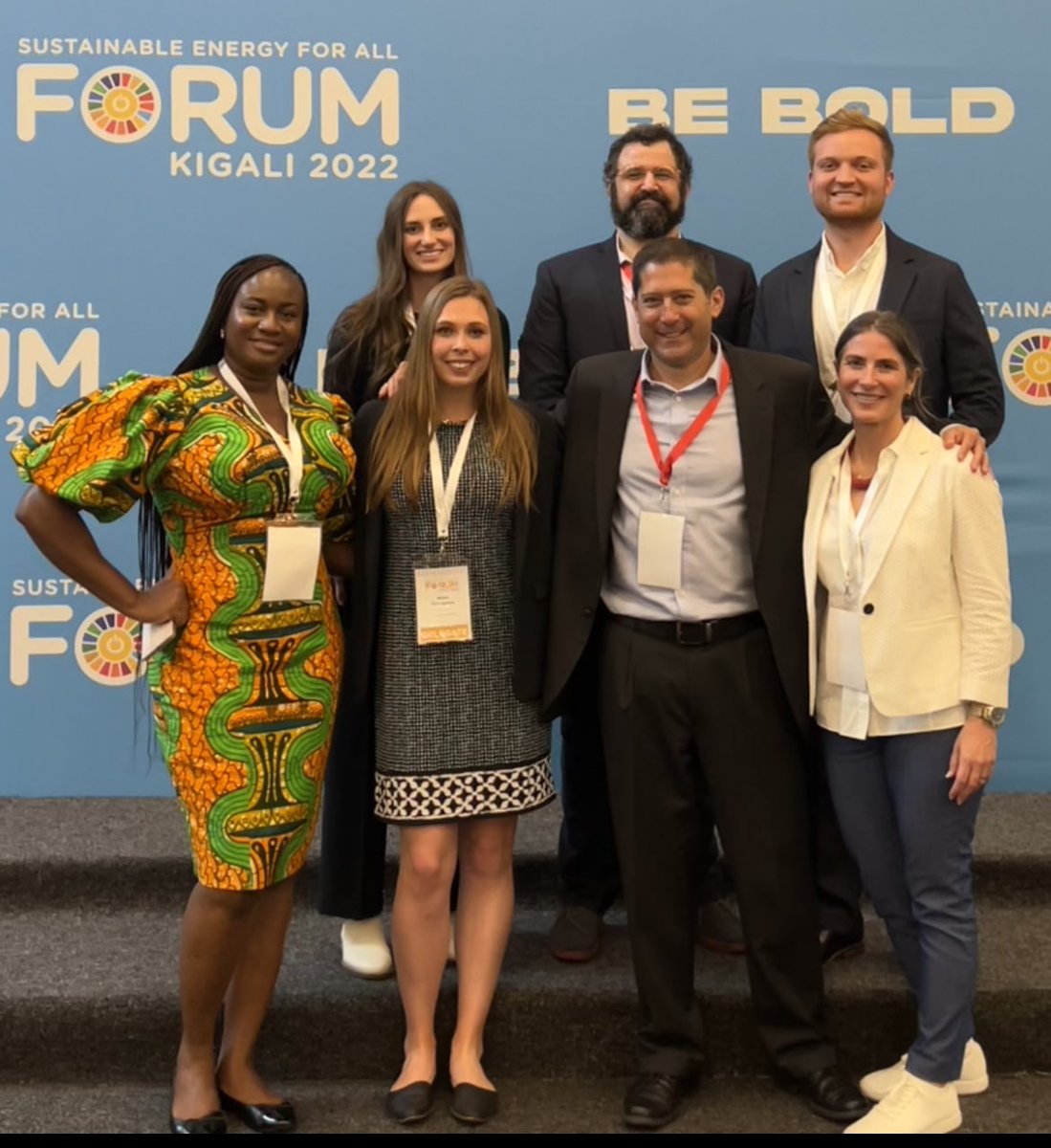
I’m not a conference person but the @SEforALLorg Forum in Kigali was terrific. So many amazing people, none more so than the tireless @DamilolaSDG7.
And so lovely to have most of the Hub team together in person ❤️