What city is ranked #1 for affordability and the best overall experience for millennials?
From access to a lot of free stuff to tons of tasty eats, here's why St. Louis is the move to make. https://t.co/rM2ItILwKA
Every year, we pick 10 recent technological breakthroughs that we predict will have a big impact in the years to come. We're proud to release this year’s list of the technologies that we believe will make a real difference in solving important problems. https://t.co/ct3KYjwebB
Did you know fifty percent of U.S. agriculture is produced within a 500 miles radius of St. Louis? There is no better place to have conversations about the #agtech industry than right here in #STL. Join the conversation at #AgTechNEXT, our new innovation summit on May 4-6.
Don’t miss #Bioeconomy2020 on 3/27 in Washington, D.C.! This year the Bioenergy Technologies Office is partnering with #ABLC2020. https://t.co/zrMGUSufqr #bioenergy
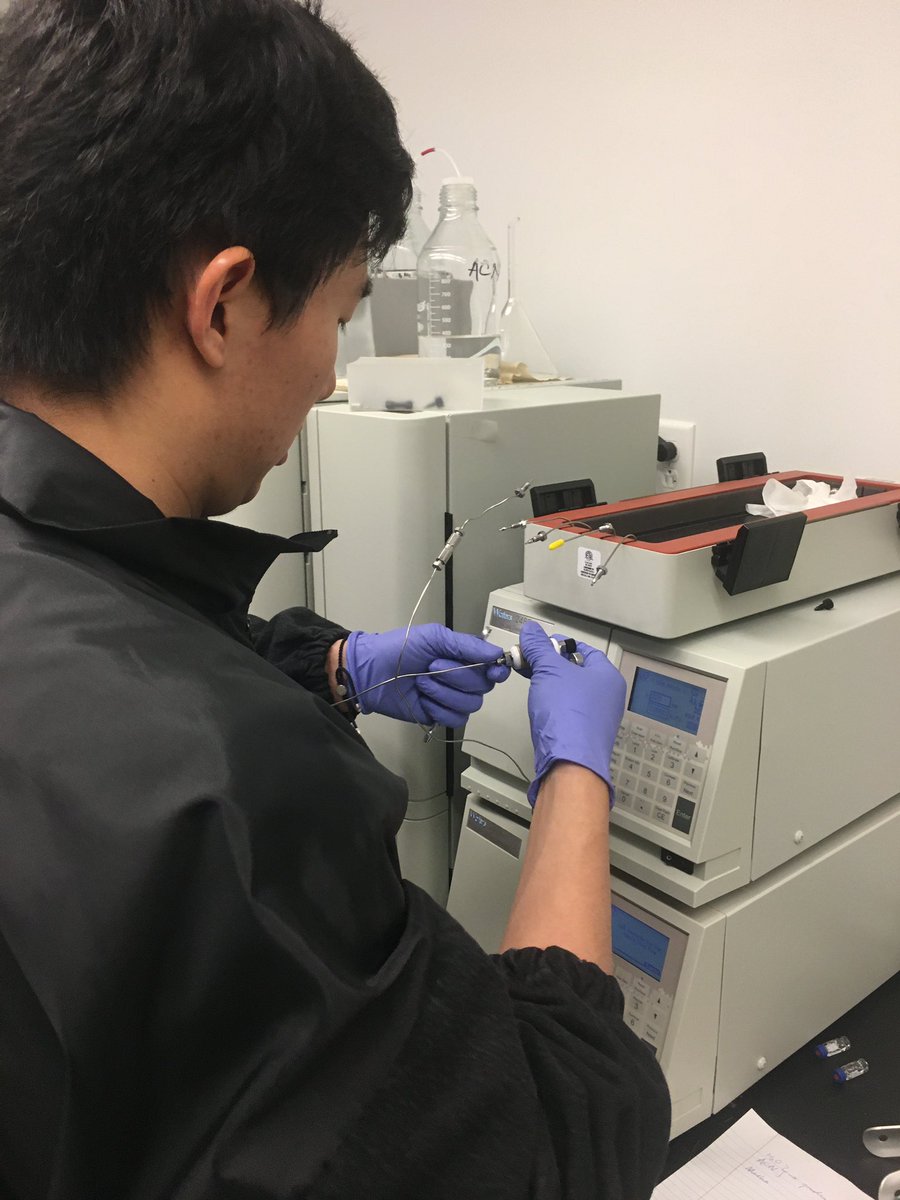
When scientist Nick Sweeney had problems with standard lab equipment for #algae#biofuels research, he developed something new. His invention resulted in more efficiency in the lab. He's not alone at NREL in fanning the sparks of innovation! Learn how at https://t.co/GWkLCiaUiZ
Ani: “The modified Prussian blue test to quantify phenolics �� the color of the test solution turn a brilliant shade of bright blue, putting the well known CuSO4 to shame.”
OPIS STORY: After suffering nearly two years of tough market conditions and efforts in Washington to weaken the RFS, a number of ethanol producers are asking whether it's time for the industry's two largest trade groups -- Growth Energy and RFA -- to combine operations.
"The rewards I gave myself provided a way to relax and reminded me why I love being a scientist." This week's #SciMagWorkingLife. https://t.co/0Tbvf7G4Kb
New research demonstrates that widespread declines in bumble bee species that are better explained by the frequency of climate extremes than by changes in average temperatures. Learn more in this #SciMagPerspective: ($) https://t.co/Dn9iqoOD2n #Ecology
Scientists say that the suggestion that pangolins are the animal source of the coronavirus outbreak seems plausible based on a genetic analysis, but they also caution that the researchers’ work is yet to be published in full. https://t.co/IPtz1h351E
Rajan Chakrabarty, assistant professor of energy, environmental & chemical engineering, is working to improve climate models to better understand the effect of wildfires on climate change.
https://t.co/9TaRqao0fU