My lab is hiring a postdoc! Come work with us on exciting AI/ML problems to improve how hospitals use blood testing; all while getting to live in the beautiful Pacific Northwest!
Interested candidates should email me with a CV + 1-2 papers
We're expanding this hire to be for two postdocs! Come work with us on cutting edge AI for blood testing in the beautiful Pacific Northwest. https://t.co/0bwz3lYPGS
We're hiring a postdoc! We want someone to develop targeted use cases for personalized blood test interpretation.
A great role if you have a strong AI/ML skillset and want to do impactful clinical work. Interested? Read about it at our lab website (foylab . xyz), then email me!
We're hiring a postdoc! We want someone to develop targeted use cases for personalized blood test interpretation.
A great role if you have a strong AI/ML skillset and want to do impactful clinical work. Interested? Read about it at our lab website (foylab . xyz), then email me!
How artificial intelligence (AI) can revitalize clinical research by building "down" from patient-level data to hypothesis-generation and in-silico testing, contrasting with the current approach of building "up" from molecular parts @oziadias@nejm https://t.co/drmW3H5K6q
Finally, we show that setpoints can enhance interpretation of new test results, leading to more sensitivity for informing clinical work-ups.. Many people get blood counts as part of routine check-ups. We can use these to inform personalized interpretations (5/8)
Read the full study here: https://t.co/ED9fXwgjte and read more about this study in a piece I wrote for @ConversationUS : https://t.co/6cGKSgtznI (7/8)
The setpoints themselves are also prognostic. Even if we limit to setpoints inside the population-level normal range, setpoint differences are associated with large differences in future mortality, and in diagnosis of specific disease. (4/8)
Use of setpoints instead of a single CBC, can greatly enhance mechanistic study. We used a setpoint-driven GWAS to uncover novel genetic loci associated with each setpoint. (38)
Delighted to share new work just out in @Nature . Common clinical tests like the blood count are interepreted using one-size-fits-all ranges to define 'normal'. But what's normal varies substantially between patients - this hinders our ability to make good inferences: (1/8)
Looking at data from >50,000 subjects, we show that patients have well-defined setpoints for the blood count markers. These setpoints are stable over decades, and in combination are quite unique to each patient (2/8)
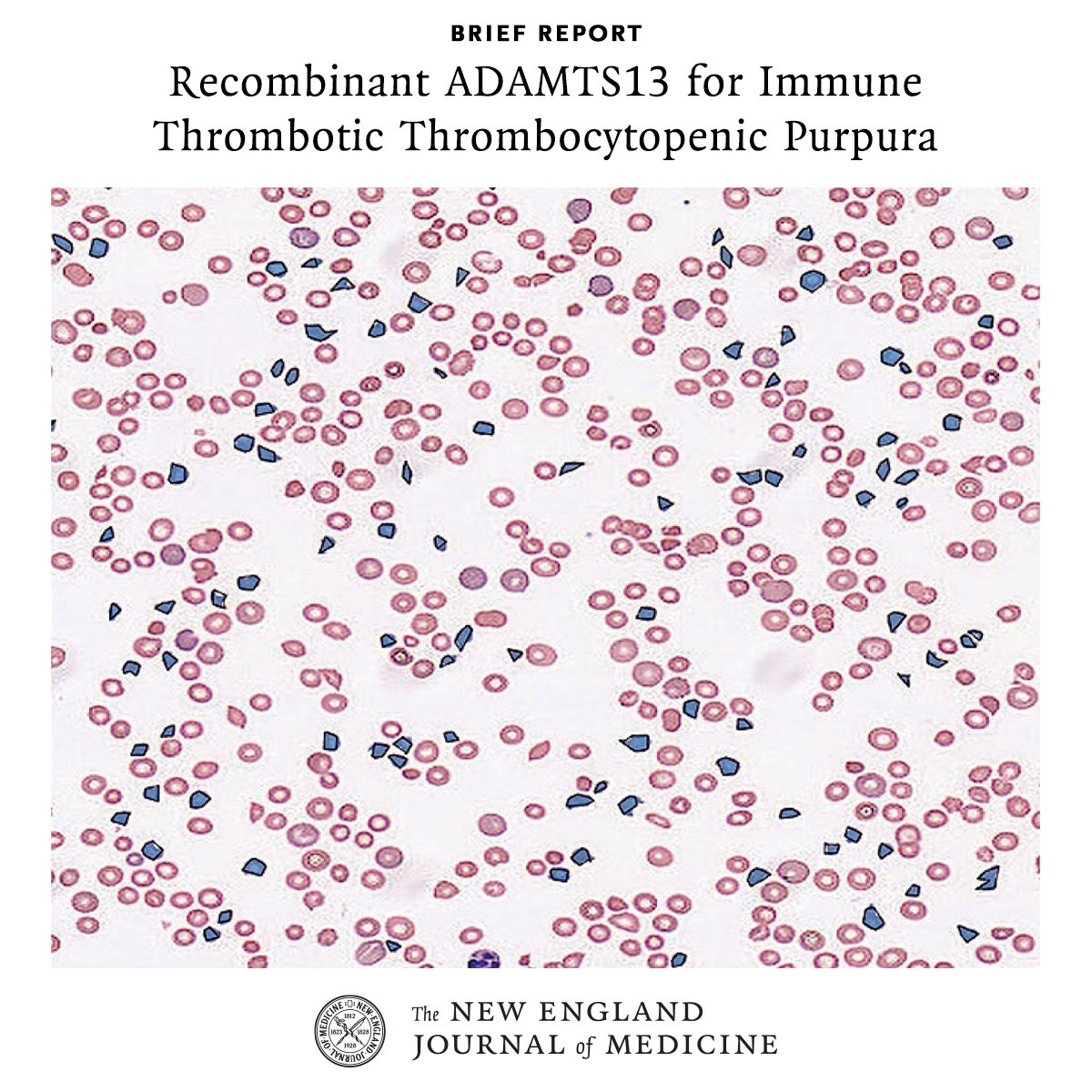
Was a privilege to be involved in this study, and a delight to see it out in NEJM. Getting to deploy our red cell computer vision tool (https://t.co/V4mvpaPcQZ) to better understand dynamics in a rare unresponsive (to TPE) case of iTTP!
In a 28-year-old woman with postpartum immune thrombotic thrombocytopenic purpura, plasma exchange was unsuccessful. Near death while receiving vasopressors, she was treated with recombinant ADAMTS13, and the disease abated. Read the Brief Report: https://t.co/rhdVbWFcnA
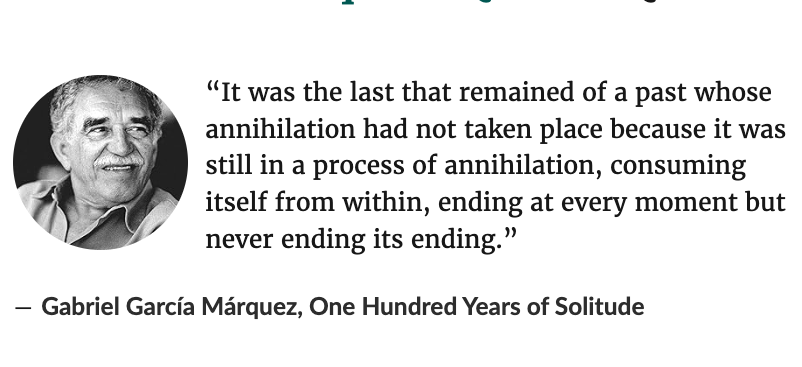
There was a great line I couldn't quite remember from "One Hundred Years of Solitude"
Search engines & ChatGPT couldn't recall it either from my bad description
Wrote a little 20 line program to read the whole book and found it in a minute, cost 25 cents
Wild times we live in
Big news for patients with sickle cell disease!
First CRISPR-based medicine approved in the US, and indication is for sickle cell disease.
Congrats to the numerous teams & pts who made this happen, but esp to my better half @VertexPharma 😊
https://t.co/fLW25sLRjQ @US_FDA $VRTX $CRSP
@SashaGusevPosts@arjunrajlab I'd broadly agree with these categories. Though have seen/heard of many weird blends. The other aspect is understanding how much protected time you get before it opens to discussion, and your plan inevitably derails. Big difference between 5mins and 30mins of protected time...
Delighted to be starting as a junior faculty member at @uwlabmedpath this week! Joining the informatics wing, to create deployable solutions for improving clinical lab testing and uncovering physiologic insight. An exciting frontier of math/ML meets medicine.