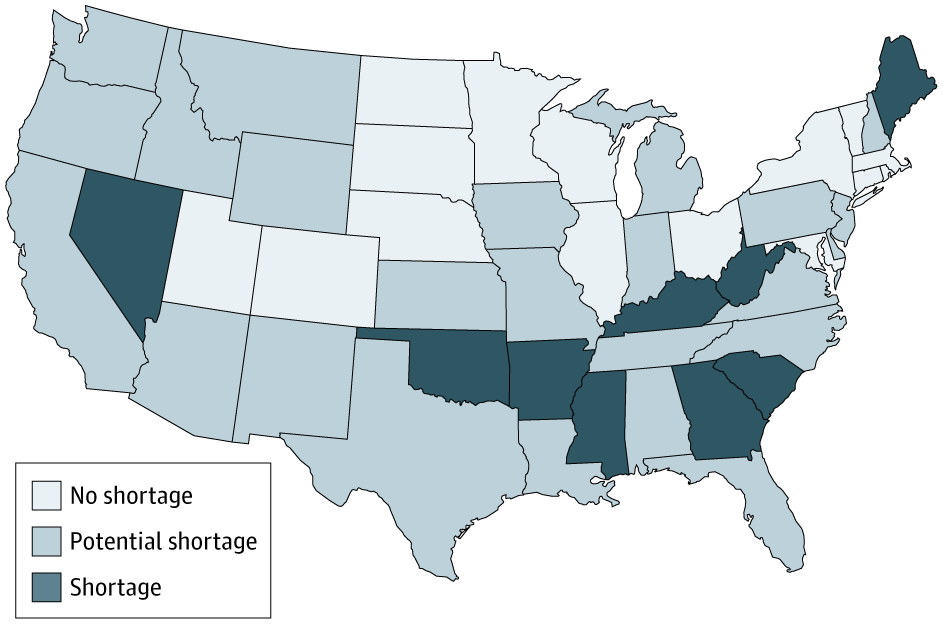
Despite an 83% increase in hearing health care (HHC) professionals from 2012 to 2022, shortages persist in 75% of U.S. counties, especially in rural areas. https://t.co/9ESKaQELZC
@CBSNews SanFo homeless problem has spilled into neighboring towns&cities like Stockton, Santa Rosa& others ,all w/in California. The whole state of California should solve the problem of homelessness, as a whole and not this piecemeal approach. These people’s fav place r drug stores!
@GraceSa10499866 A great part of ABS cpd sold for 6Bphp to AYALA. So Dolphy theatre is being torn down. There goes the payment for their humungous debts!!!
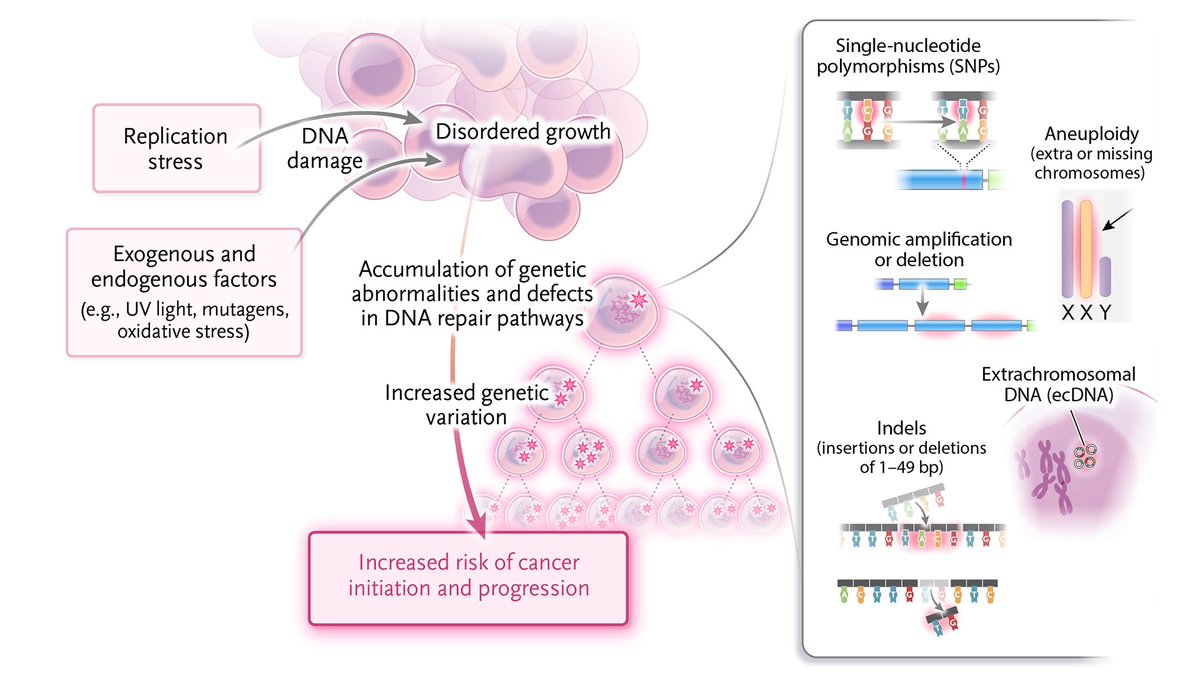
𝐆𝐞𝐧𝐨𝐦𝐞 𝐢𝐧𝐬𝐭𝐚𝐛𝐢𝐥𝐢𝐭𝐲 is a hallmark of cancer development and progression characterized by the accumulation of DNA damage; genome instability manifests as increased genetic alteration across the genome, including chromosomal translocations, structural variants, extrachromosomal DNAs, and aneuploidy. Replication stress, frequently observed in rapidly dividing cells, and exogenous factors, such as ultraviolet and ionizing radiation, tobacco smoke, and certain chemicals, can result in genome instability. Early genetic events in the life of cancer cells, such as changes in the maintenance of telomeric length, or the activation of an oncogene can lead to genome instability. Loss-of-function variants in genes encoding tumor suppressor proteins, such as those that mediate DNA repair and cell-cycle checkpoints, can also contribute to an unstable genome.
To learn more about this NEJM Illustrated Glossary term, read the Clinical Implications of Basic Research article “Extrachromosomal DNA — Amping Up Cancer” by Lillian L. Siu, MD (@lillian_siu), and Trevor J. Pugh, PhD (@PughLab), from @UHN and the Ontario Institute for Cancer Research (@oicr_news): https://t.co/cA5kIQDtX9
Explore more terms: https://t.co/kobNxmaQrY