AI pragmatist & digital innovator | CEO @Tecknoworks | Entrepreneur, Tech investor & advisor | Decoding #DigitalTransformation | Turning AI hype to value
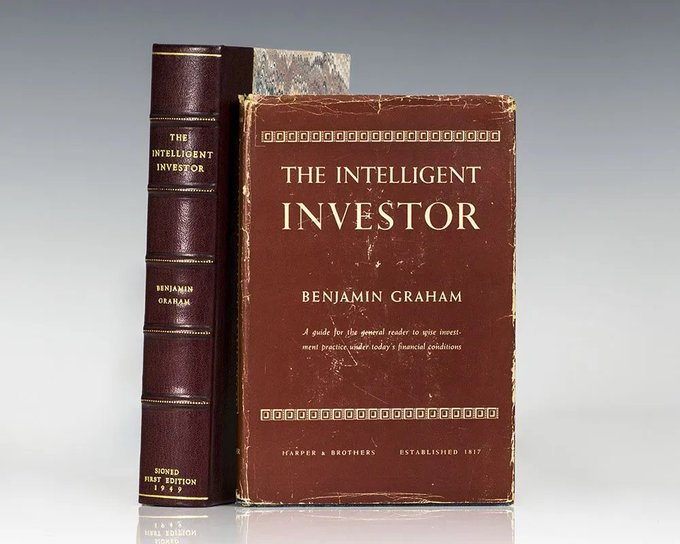
People say there are no shortcuts in life. But imagine if you could absorb 30 years of someone's hard earned wisdom in a single weekend. Picture downloading the insights of history's most brilliant minds directly into your brain. Sounds impossible? This technology already exists. It's ancient, powerful, and costs about $20. It's called a book.
@sweatystartup Love it! It's funny though to see all these overnight experts, coaches, influencers etc. trying to teach people how to do things they have never done themselves
If you change your mind too frequently, it suggests that you do not think carefully and responsibly before formulating an opinion & don't know when to remain silent or neutral.
If you never change your mind on anything, it indicates that you are an intellectually dishonest.
I was sad to learn that Charlie Munger died today at age 99.
What a life.
He would likely roll his eyes and argue that none of us should be too surprised, based on the actuarial tables, but we’ve lost one of the 20th century’s greatest investors and businessmen.
Chris and I were lucky enough to get to know Charlie over the past few years.
There’s a saying, “Don’t meet your heroes; they will only let you down.”
In this instance, the quote does not apply. Charlie was exactly how he appeared, the same person whether he was being interviewed on CNBC, hosting dinner at his home, or negotiating a deal.
We could all learn a thing or two from him about how to play the (very) long game.
Here are four things he said to us that stuck:
“I don’t need the last dollar”
We heard Charlie say this many times while discussing potential deals. Either it was a good deal, or it wasn’t. He didn’t need to chisel out a few more percent and risk bad feelings.
“Hold your nose and carry on”
Charlie wasn’t one to dwell on the past, unless there was an important lesson to learn for the future. He expected things to occasionally go wrong and having learned from the error, he moved on.
“It’s foolish to try to change someone’s mind”
When we asked him for advice about a difficult person we were working with and how we could convince them to change course, Charlie told us not to waste our energy trying to change their mind. “They think what they think,” he told us—it was locked in. We were better off simply aligning ourselves with people who already think the way we do.
“It’s a mistake to be deeply ideological about almost anything - it’s better to have doubt”
On just about every topic—even investing—Charlie’s frequent refrain was “it’s hard...” The intellectual equivalent of folding your cards in a game of poker when you aren’t sure about your hand. Charlie didn’t need to have a firm opinion about everything. (Ok, maybe cryptocurrency.)
If you’re curious to learn more about Charlie, I highly recommend his book, Poor Charlie’s Almanac, as well as The Tao of Charlie Munger by David Clark. It’s a wonderful collection of some of his best quotes, and the audiobook is great.
We’ll miss you, Charlie.
One of the most significant lies we tell ourselves:
"If I get [X], then I'll be happy."
It's easy to convince yourself that your happiness is contingent upon some external milestone:
• Money
• Promotion
• Fancy stuff
• Recognitions
But these "if, then" traps are a dangerous mirage:
You climb to the top of that mountain, only to see the happiness you thought you'd find melt away and reappear in the distance.
If you convince yourself that your satisfaction is contingent upon the next achievement or milestone, you'll never find it.
Real satisfaction and happiness is an inside job:
Find it on the journey—or you won't find it at all.
Channeling Charlie Munger's wisdom: 'To the man with only a hammer, every problem looks like a nail.' 🛠️ Embrace a multidisciplinary approach to problem-solving. Expanding your toolbox of mental models can lead to more innovative and effective solutions. #MentalModels








![SahilBloom's tweet photo. One of the most significant lies we tell ourselves:
"If I get [X], then I'll be happy."
It's easy to convince yourself that your happiness is contingent upon some external milestone:
• Money
• Promotion
• Fancy stuff
• Recognitions
But these "if, then" traps are a dangerous mirage:
You climb to the top of that mountain, only to see the happiness you thought you'd find melt away and reappear in the distance.
If you convince yourself that your satisfaction is contingent upon the next achievement or milestone, you'll never find it.
Real satisfaction and happiness is an inside job:
Find it on the journey—or you won't find it at all.](https://pbs.twimg.com/media/F-0SXGDXMAELoLZ.jpg)