Excited to see our article out! Thank you, Prof. @LukeRangeWalker. Grateful for your guidance throughout. Analyzing the data behind Maryland’s landscapes was a rewarding challenge. Proud to have worked on this with you and Evan!
https://t.co/buWrbDvJE2
#mdpiland via @Land_MDPI
New article out! Great work by my co-authors Yashwanth Reddy (@freakblabs) and Evan Griffiths.
Ownership Patterns and Landscape Diversity: Conservation Implications in Maryland https://t.co/FMQhUeKyk6 #mdpiland via @Land_MDPI
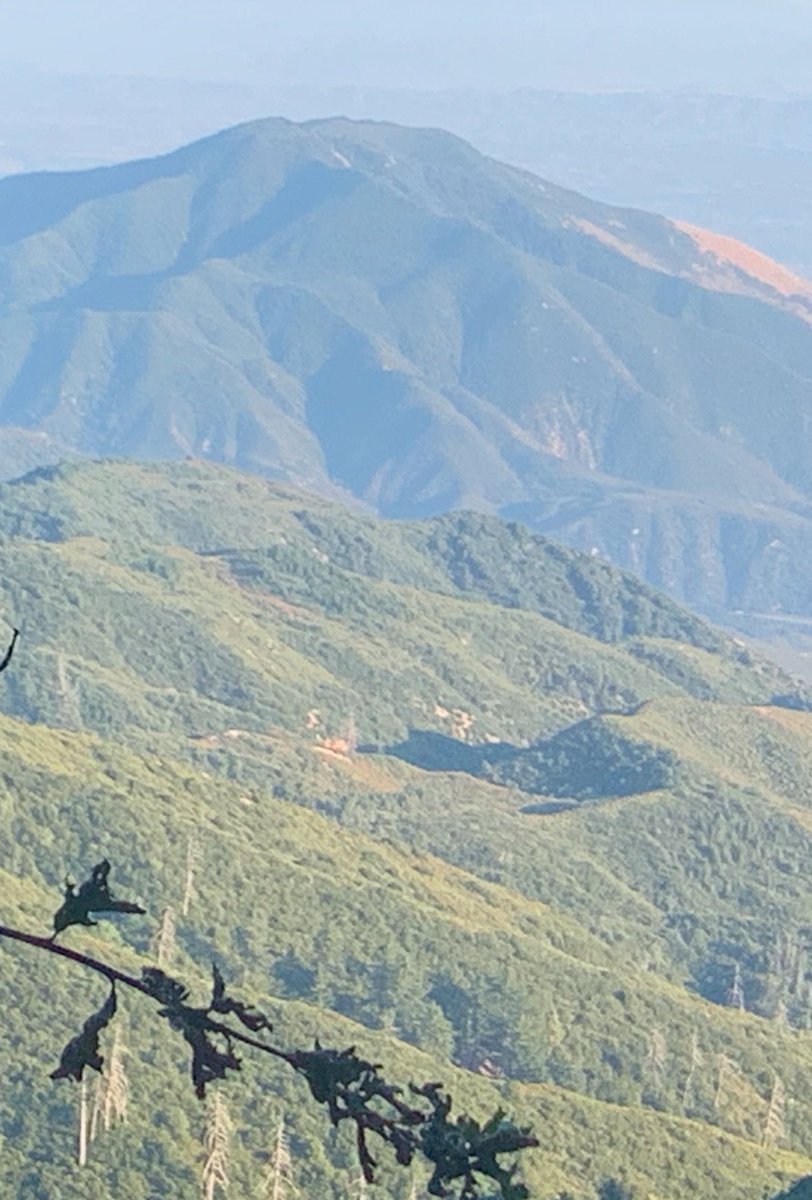
These catastrophic fires in California are preventable.
Scrub and brush has been accumulating for decades with no management.
Livestock grazing, prescribed fire, herbicide, and forestry mulching would all help reduce the severity of these wildfires.
This picture is looking down from Lake Arrowhead, CA.
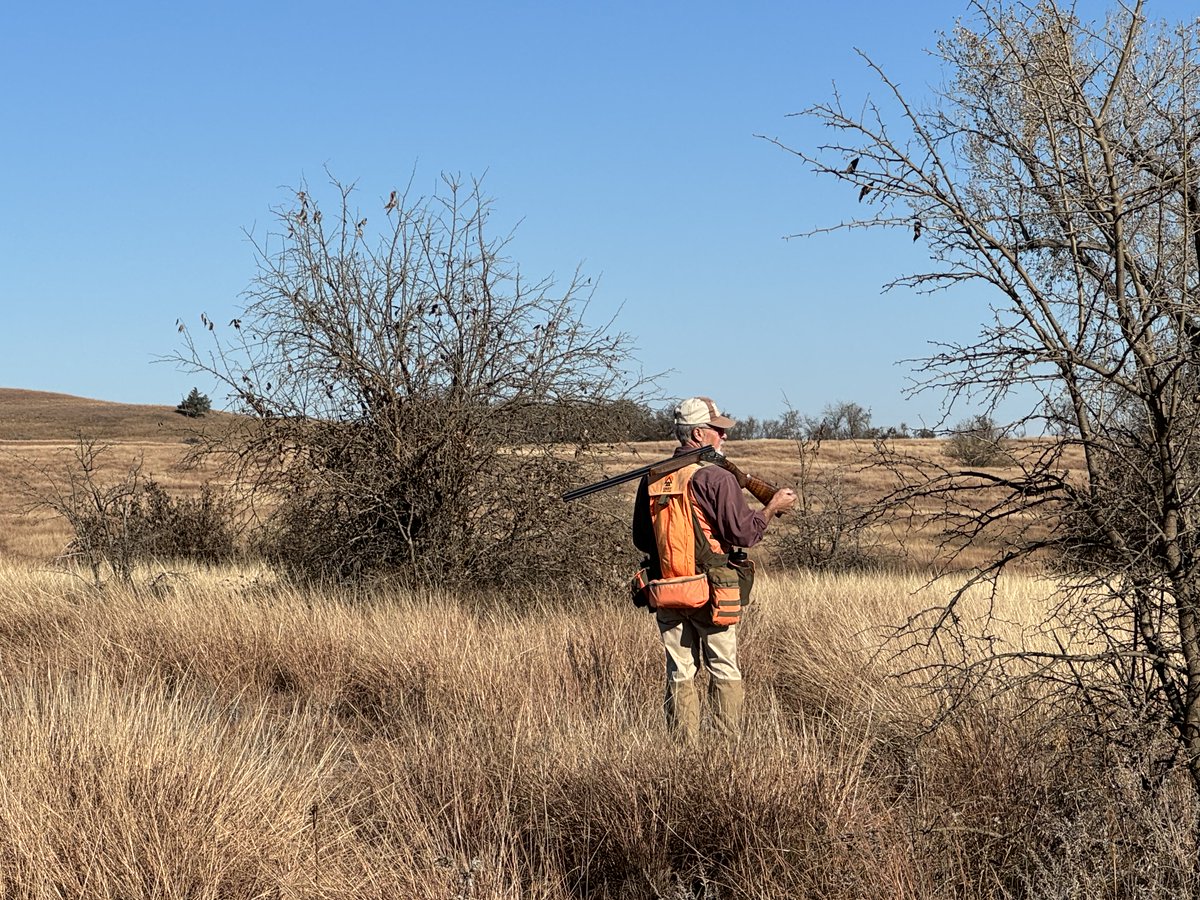
First skeet shooting experience thanks to my professor, @LukeRangeWalker! Nothing like learning in the field—instincts kick in, and smashing that first clay was unforgettable! Big thanks to @bay_quail & @quail4ever for an amazing event.
#SkeetShooting
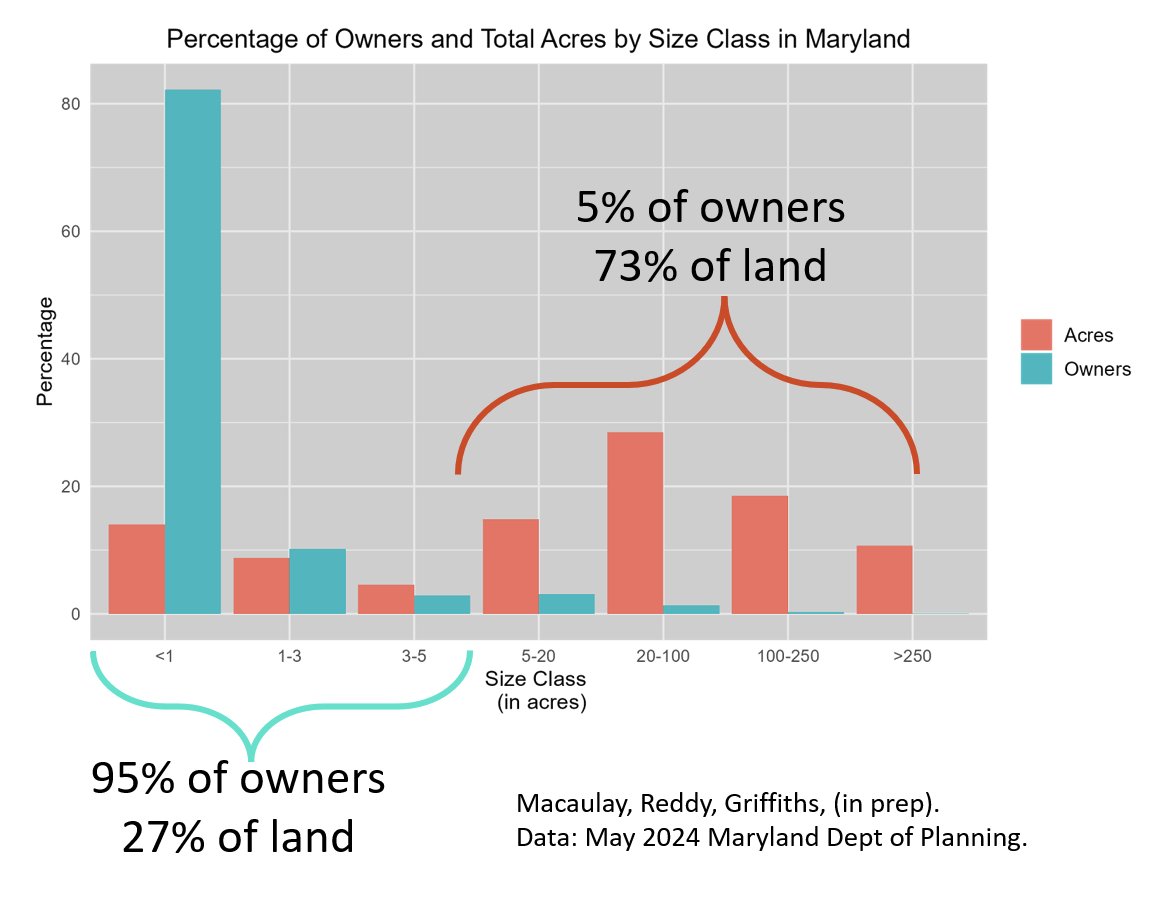
In Maryland, 5% of Landowners Manage 73% of the Land: Why Size Matters in Conservation.
Land ownership size is crucial for thinking about landscape-scale conservation.
We're exploring how ownership patterns impact conservation in Maryland, and here are two of the most revealing figures from our analysis so far:
1) Ownership Map: Properties color-coded by size class, showing land distribution visually.
2) Size Class Bar Chart: Contrasts the number of owners (blue) with the land area they manage (red), by size class.
The data reveals a striking pattern:
The number of owners dramatically decreases as property size increases, but the total land area in larger size classes significantly grows.
What's the takeaway?
- For small-acreage properties, you engage with thousands of individuals to influence conservation efforts across the landscape.
- For large properties, just a handful of owners can significantly impact a vast area.
Although smaller properties control a smaller area, they are the dominant force for policy and funding.
Larger acreages are critical for the direct impact their actions can have on a large proportion of the landscape.
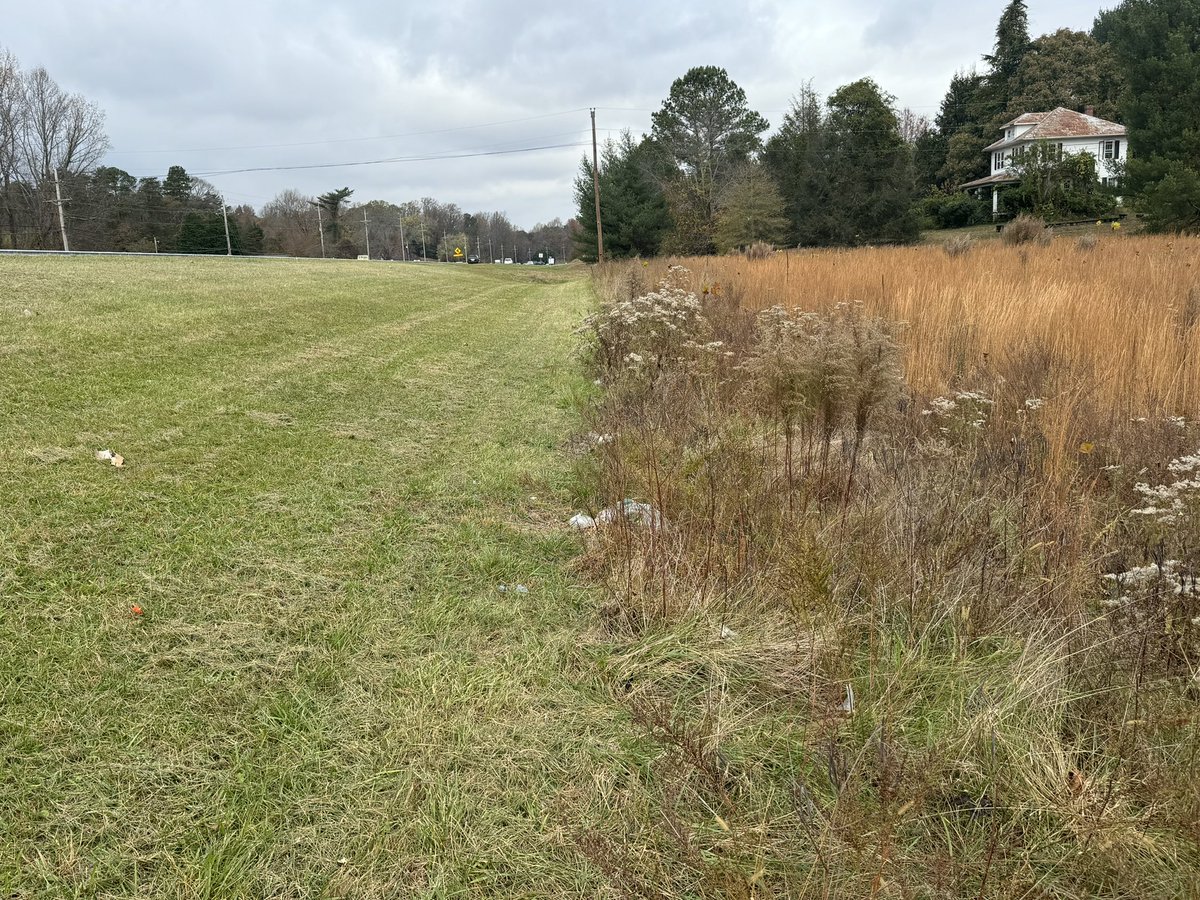
Somebody asked me today why quail have disappeared.
There are a lot of reasons, but the first picture illustrates one of the big ones.
Although that first photo has pretty and tidy green grass, it’s not great for quail and other wildlife for the following reasons:
1. Its mostly exotic non-native grass that quail don’t do well in,
2. There’s minimal plant diversity,
3. It’s mowed short as we move into winter, so there’s little cover for wildlife to hide out and bed down in as temperatures drop.
The second photo is more what you’re looking for in a native grassland that will support bobwhite quail.
It has high diversity, lots of wildflowers, lots of structure, it will support a far greater diversity of wildlife & insects, and will provide cover for animals to hide from predators and stay warm over winter.
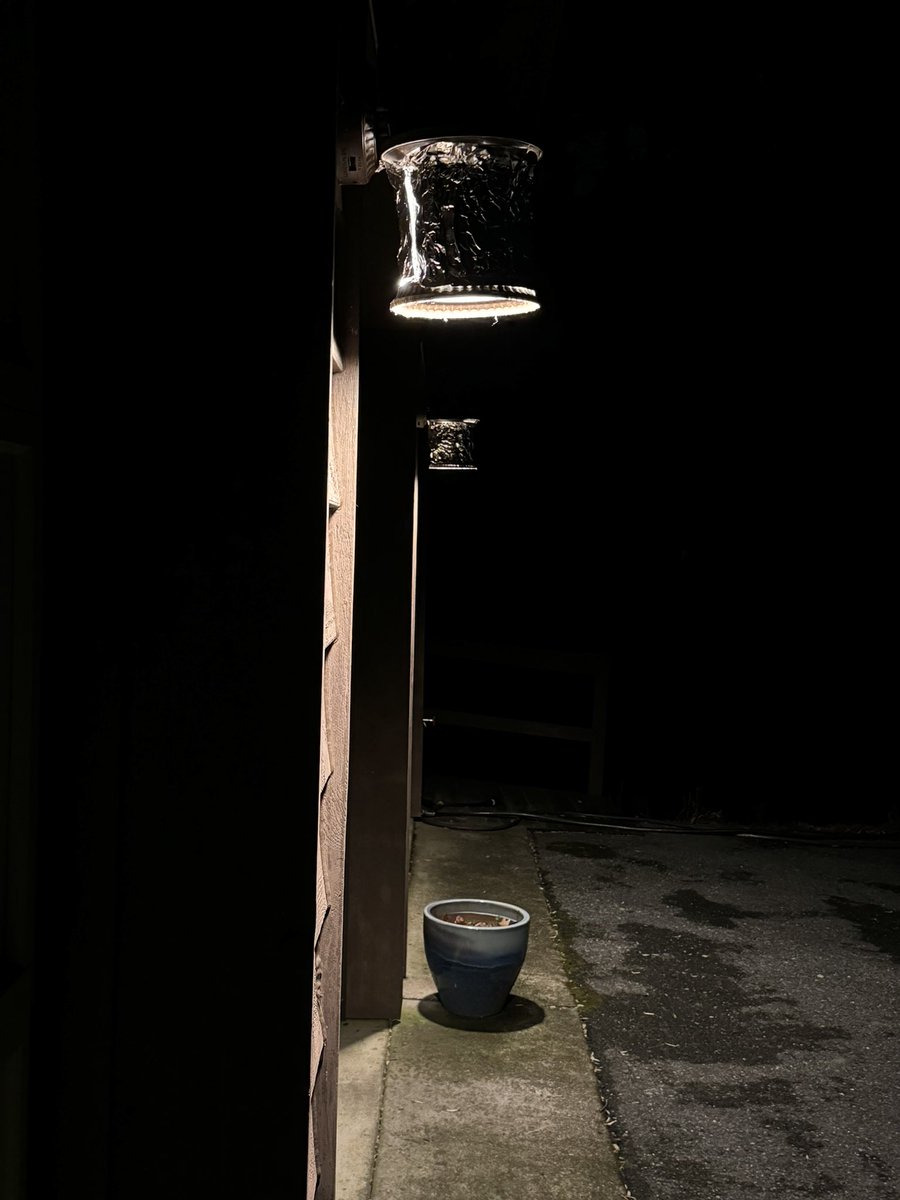
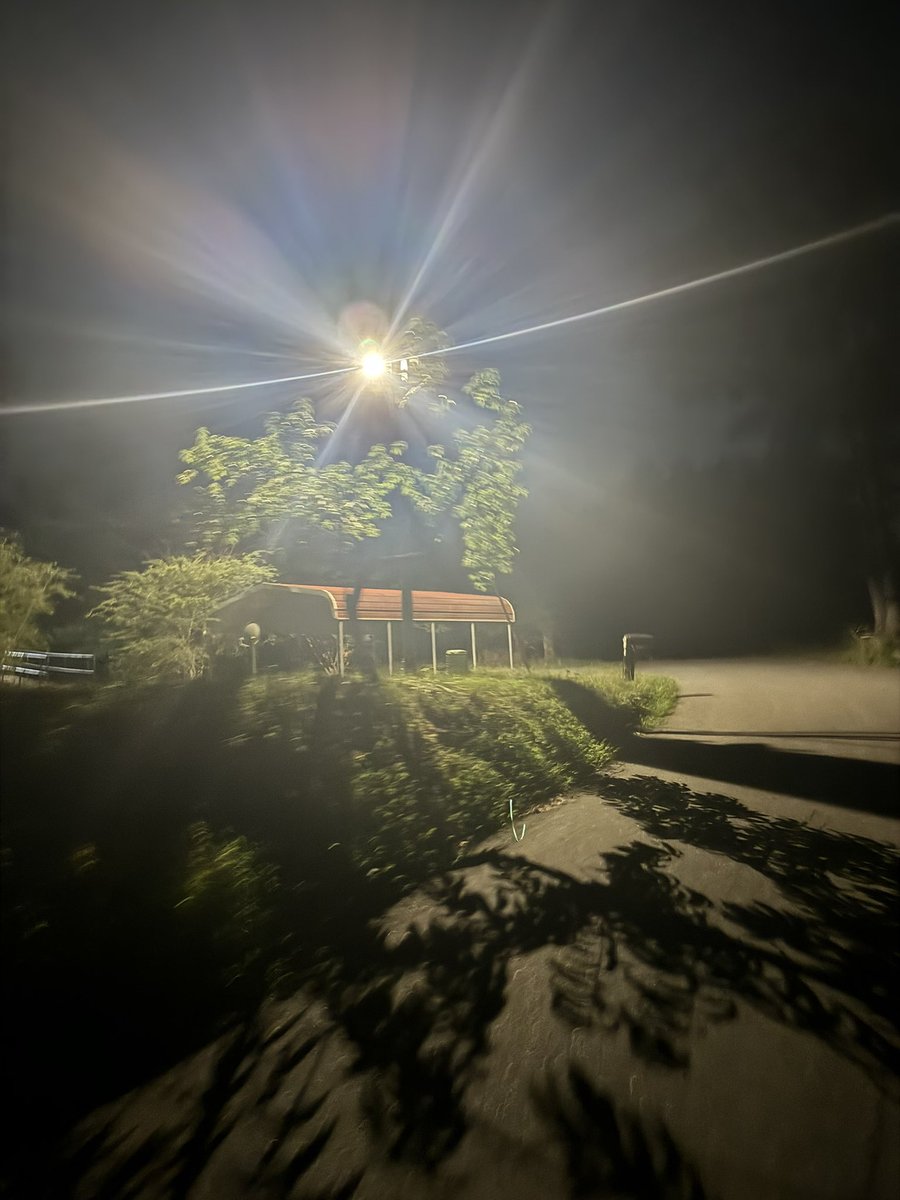
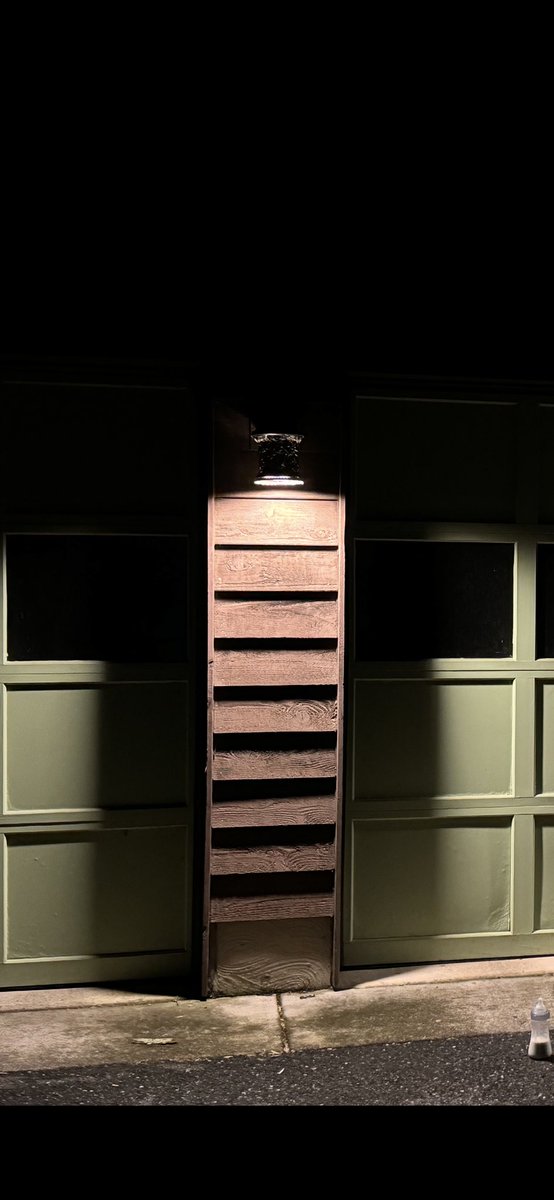
This street light hurts my eyes.
Wildlife feel the same.
Here are four characteristics of wildlife friendly outdoor lighting (example pics below):
1. Light shielded downward
2. Motion activated
3. Lower intensity
4. Warmer colors (low wavelength).
Some simple changes can make a big difference… and improve your stargazing.
90% of the trees were harvested from this forest stand to create habitat for the declining cerulean warbler.
This is what it looks like about 12 years after the cut.
We covered this and much more at our Forest Management for Wildlife event today.
Recordings to come.
Have you ever seen wood glow?
It’s a phenomenon called foxfire.
The bioluminescence is caused by fungi present in the rotting wood.
Found it last night in a creek bottom in Calvert County, MD.
This Thursday, July 11, we're holding one of the coolest and most impactful events I’ve ever helped put on.
We will have thousands of acres of land represented.
We will have centuries of forestry and wildlife experience in the room.
99 people are coming in-person, and over 71 over Zoom.
To cover what?
The forest management practices you can use to increase biodiversity, support declining species, and bolster game species populations. Not only that...
We’re going to be sharing how you can get it paid for through state and federal incentive programs.
And even though the in-person sign-up deadline has passed, you can still get in on it.
Because we're going to be livestreaming the event on Zoom from Cacapon Resort State Park @WVStateParks.
Speakers include folks from @MarylandDNR, @USDA_NRCS, @wvdnr@PAGameComm and more.
If you’d like to learn more and sign up to join this free event online, click the link it the next post.
@UMdExtension@UMD_AGNR
I just registered for this bobwhite quail field day on the Eastern Shore of Maryland hosted by the Lower Shore Land Trust.
A lot of my friends are presenting. It will be a good one.
Register here: https://t.co/FLjVDss1NR
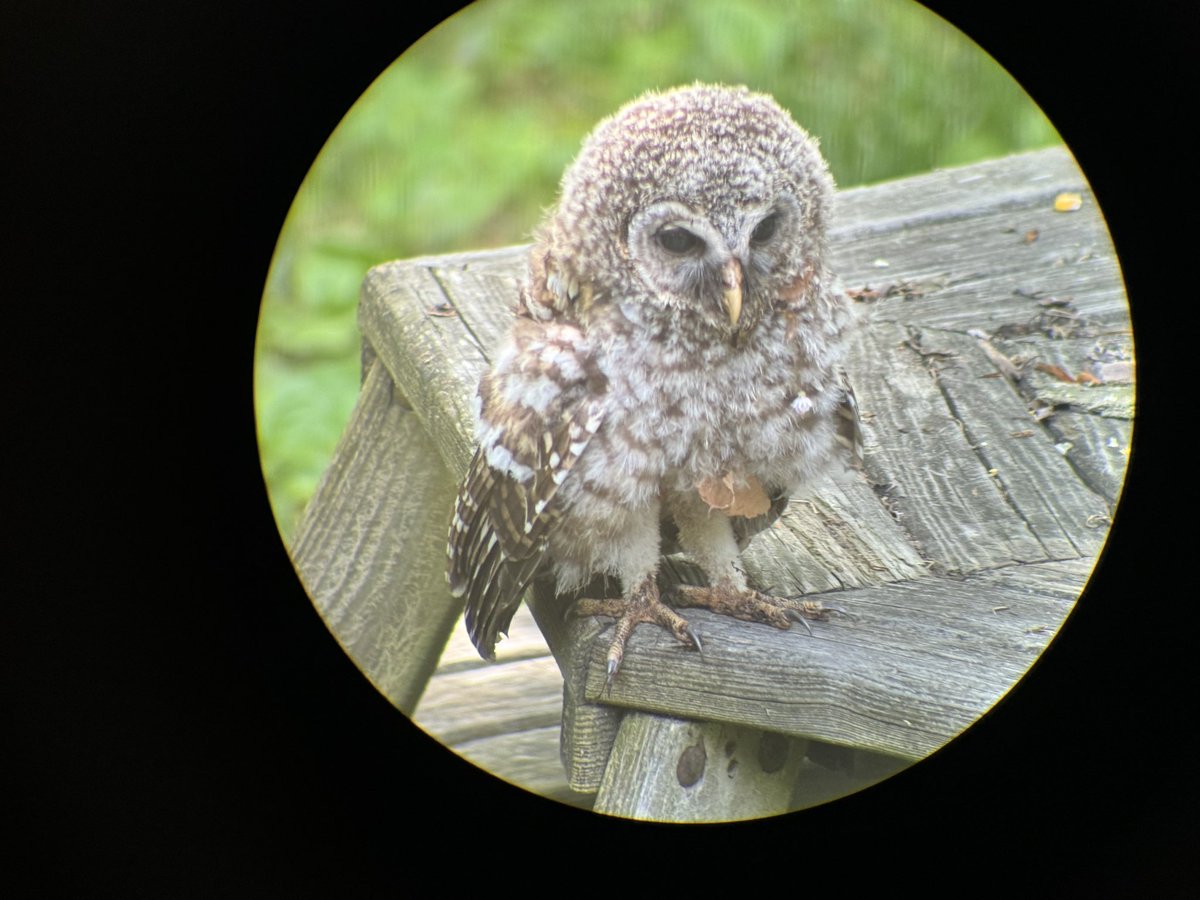
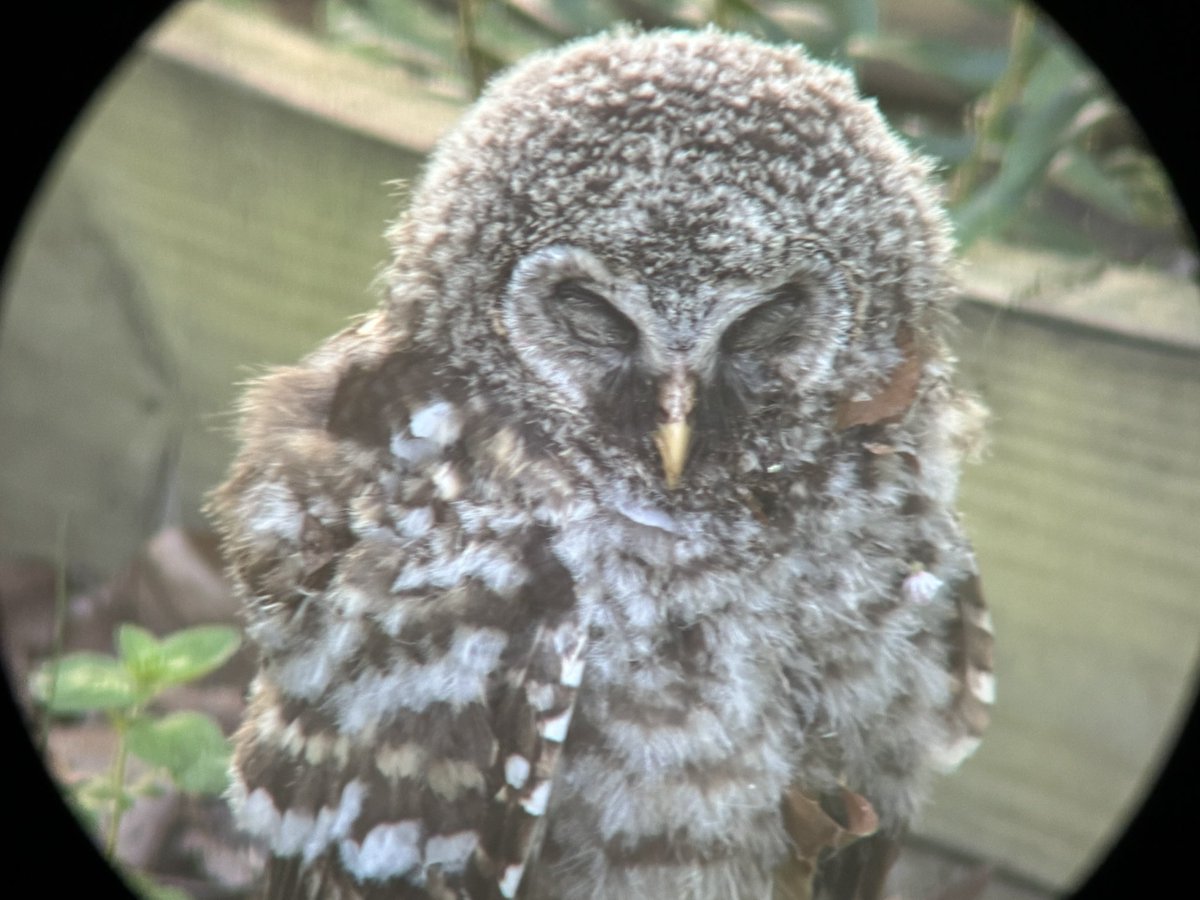
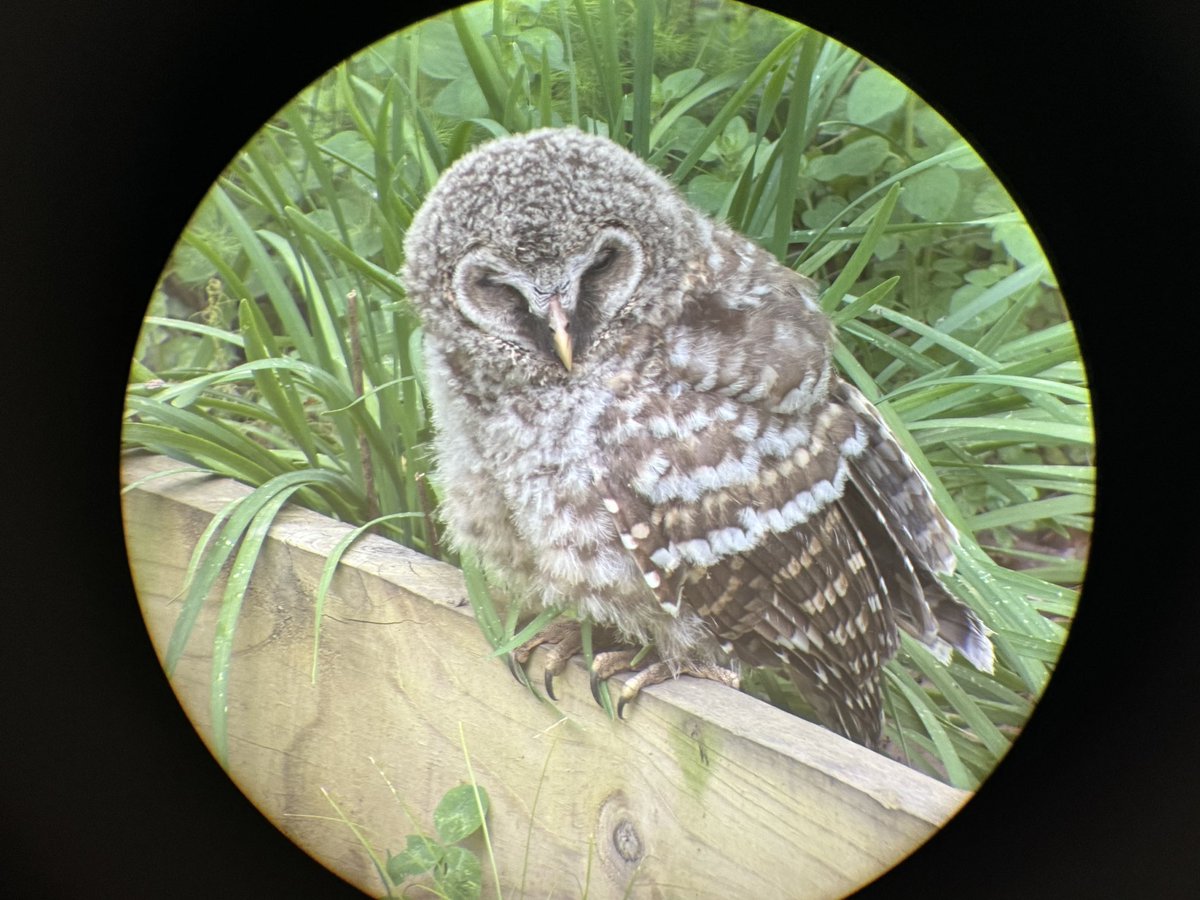
The baby barred owls are back today.
Check out their talons.
Although these owls are a woodland species, they come out into forest openings (like my yard) to hunt mice, frogs, and other critters, which are more abundant in open areas.
I’ve found that having a water sprinkler on at dusk in dry spells seems to attract them…
Barred owls make some of the most bizarre sounds in the woods in spring.
One was sitting on the handrail on my back stairs tonight.
This was a new sound for me.
Their mating calls are even more bizarre.
This course on bioacoustics analysis in R looks really cool.
If you want to delve into training and implementing convolutional neural networks for automatic detection, I’d highly recommend the Python-based guide put together by @KitzesLab on https://t.co/NaBBdrsfwg.
We are detecting northern bobwhite quail at ~95%+ accuracy, and looking forward to advancing to more species this summer.
Thanks good Dr. Justin Kitzes, @TessaRhinehart, and Pat Lyon for working with us over the last couple of years to implement.
And thanks to @freakblabs for accelerating our implementation. 👍👍👍
Pictures do not do justice to the firefly display I saw this evening in southern Maryland.
Thousands of them flashing over a large unmowed grassy field.
At times their blinking would almost fully synchronize.
Another reason to love grasslands, (and to do a little less mowing).