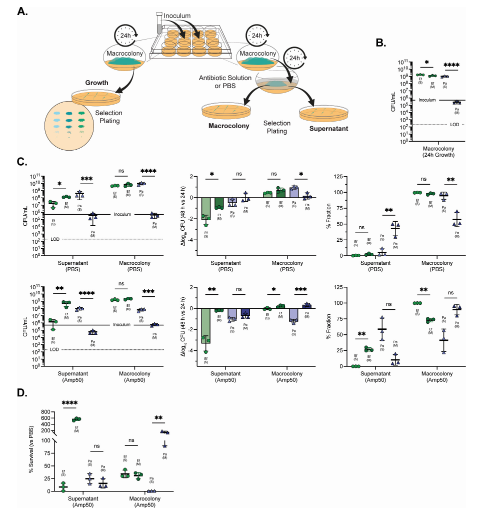
Some bacteria that are harmful to humans escape elimination by antibiotics because they carry resistance genes. However, antibiotic-susceptible bacterial populations often harbor rare persister cells that survive antibiotic exposure without being resistant. Antibiotic persistence favors recurrent infections and resistance emergence and is a public health threat.
Persister cells are thought to be metabolically dormant. Decreased activity of antibiotic targets would enable them to remain alive when antibiotics are present and to regrow after antibiotic removal.
In a new Science study, researchers report that Escherichia coli persister cells do not simply enter a dormant state upon antibiotic treatment. Instead, genetically identical cells diverge into two physiological states.
Some cells produce membrane vesicles that are loaded with specific proteins, which are taken up by other cells to enhance survival. Therefore, vesicle donors and recipients actively cooperate to benefit the entire bacterial population.
Learn more in a new #SciencePerspective: https://t.co/be5JNwqHJa
UPEC subverts neutrophils
Uropathogenic E coli regulatory system DanRI is induced by nucleosomes present in NETs. DanRI regulates broad cellular responses and dampens neutrophil responses by attenuating reactive oxygen species production & NET formation
https://t.co/ED9lVN4DET
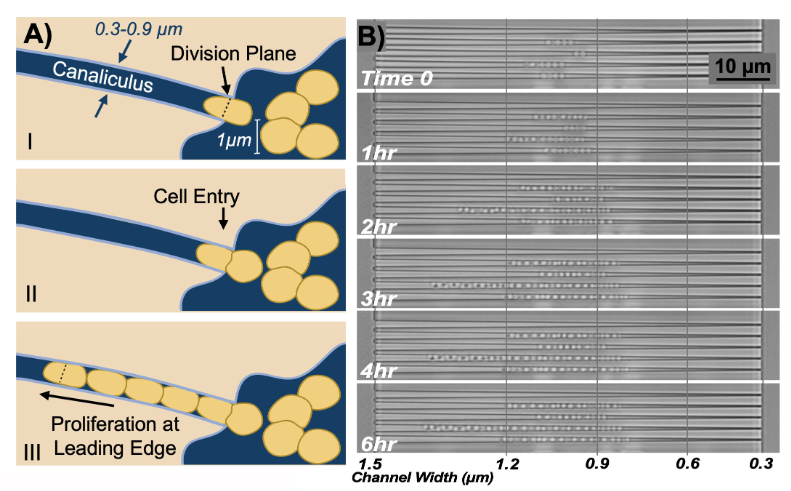
#MicrobiologyMonday: S. aureus has been observed within nanoscale channels in bone that are 2–3 times smaller than its own diameter. How does it get there? Fluid pressures in the body may help transport the bacteria into bone. Learn more in #mBio: https://t.co/dOmqpZPKRV
Enterococcus faecalis not only antagonizes Pseudomonas aeruginosa growth under iron limitation, but also induces a unique transcriptional profile, enhancing P. aeruginosa survival during antibiotic challenge. Learn more in #JBacteriology: https://t.co/wcMQXBh43E
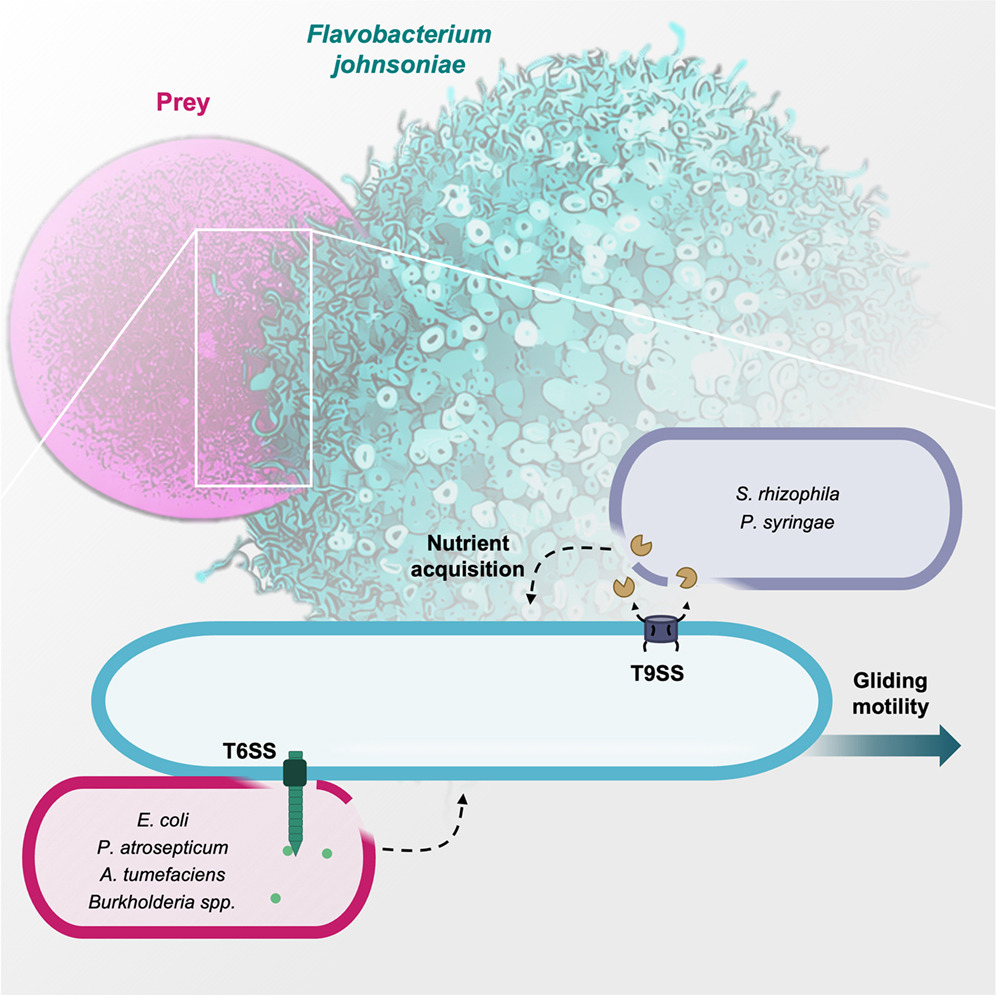
T2SS ? T4SS ? CDI ? T6SS ? T7SS ?
NO ! The #T9SS is also involved in interbacterial competition !! @CurrentBiology
Great work by Maelle Paillat @maelle_paillat under the supervision of Thierry Doan @doan_thierry
https://t.co/yNTxTeTar9
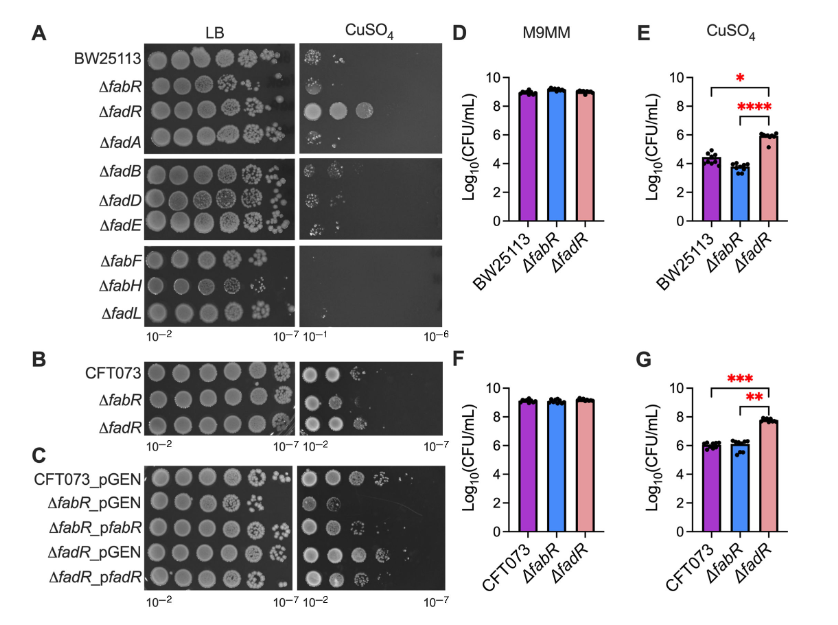
UPEC experiences copper stress during UTI, and resistance to copper is critical for UPEC virulence. Researchers discovered that long-chain fatty acid homeostasis contributes to survival and virulence of UPEC during copper toxicity. #JBacteriology: https://t.co/3zktei6LzL
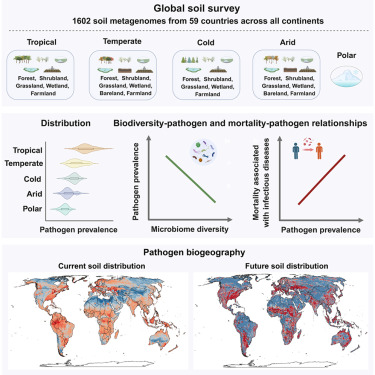
Our new paper in @cellhostmicrobe include
1. a global atlas of human bacterial pathogens in soils
2. Soil biodiversity negatively linked with human pathogens
3. Many pathogens to increase in future climates
4. Positive link between pathogens & mortality
https://t.co/RKcZPGJG5A
UPEC subverts neutrophils
Uropathogenic E coli regulatory system DanRI is induced by nucleosomes present in NETs. DanRI regulates broad cellular responses and dampens neutrophil responses by attenuating reactive oxygen species production & NET formation
https://t.co/ED9lVN4DET
The mechanisms of antibiotic resistance and drug resistance transmission of Klebsiella pneumoniae | The Journal of Antibiotics
(https://t.co/2CfLkpTdpK)
New paper in Environmental Science & Technology 🧪
“Antibiotics or Heavy Metals in Livestock Wastewater: Which One Is the Main Driver for the Development and Spread of Antibiotic Resistance under Coexposure?”
Led by Jin Huang and Bing Li.
https://t.co/EVS7jDI291
Featured Article: Microbiome signature of health
Global analysis of 11,000 microbiomes reveals uncultured bacteria as markers of gut health. Uncultured genus CAG-170 linked to low dysbiosis & vitamin B12 production & plays ecological roles in healthy gut
https://t.co/BAPQtqvPUA
Microbe vs. microbe: a DNA‑releasing showdown. New #mBio study finds that #Streptococcus mitis uses targeted #bacteriocins to burst S. pneumoniae cells, releasing DNA and boosting gene exchange, revealing a surprising mechanism shaping bacterial evolution. https://t.co/AeOkE9Mf5H
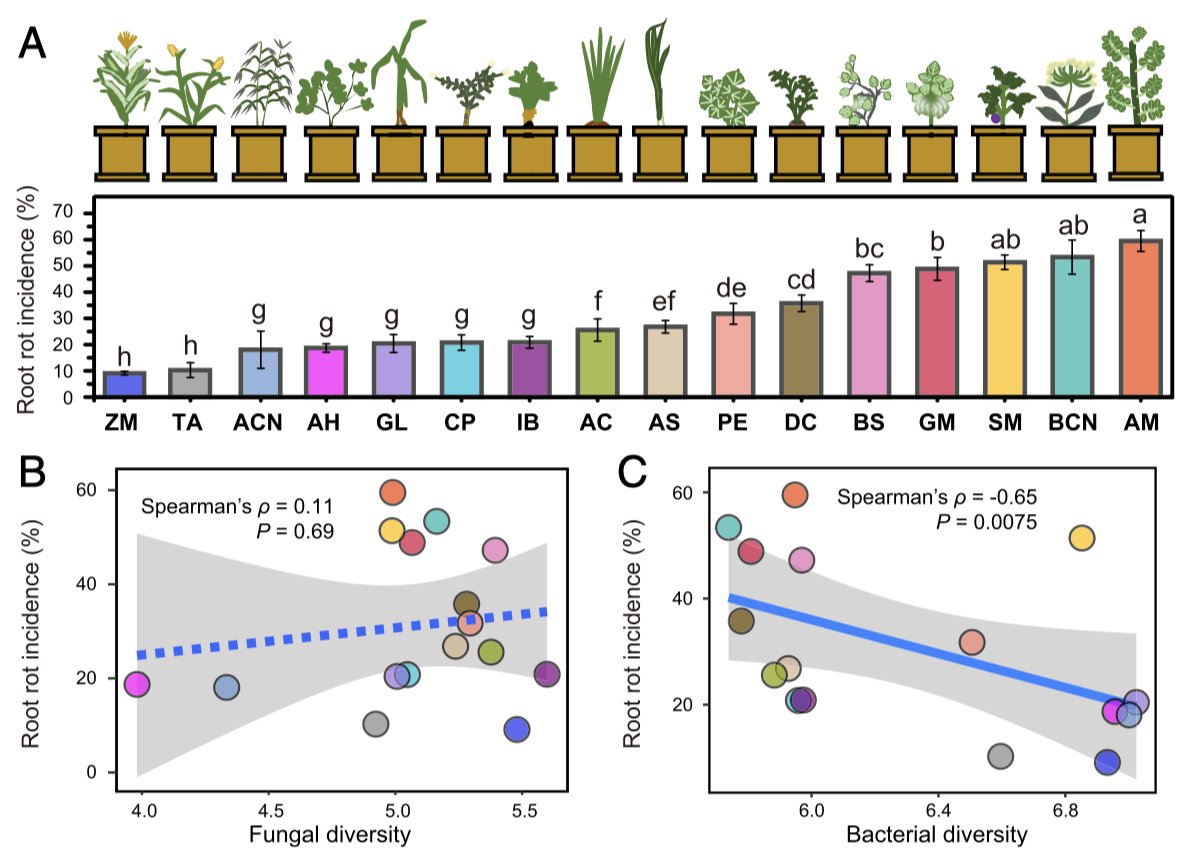
High bacterial diversity drives the suppression of a soilborne plant disease
"the diversity of synthetic communities per se can provide plant health benefits through an increased ability to protect against pathogens."
https://t.co/a8PEtnSzIp