@KingKaranCrypto@Freki_OG Agree. @HugoPhilion mindset is a primary reason I stick around. Took the long road, finally shipping products, plenty more to go, and what appears to be ruthless long term vision.
@SchwetyBigBags Uphold has several billion XRP once that program goes full launch, which should hopefully be before EOY, then I think they get there. Then there’s Evernorth, Ripple itself , and if they can get FBTC out the door. But yes by EOY 1 billion is the min.
@0xQuantic Getting ALL of the exchanges/ DATs to utilize Flare to generate yield on holdings so they can pass it along to XRP holders/investors, thus making Flare the choice by default. Unfortunately I think most holders would take a haircut on yield to avoid doing any extra work.
Cardano launched in 2017.
Flare launched 6 years after.
Ever since Cardano has been trying and miserably failing to copy our strategy. (Im personally looking forward to them getting into TEEs 😂😂😂)
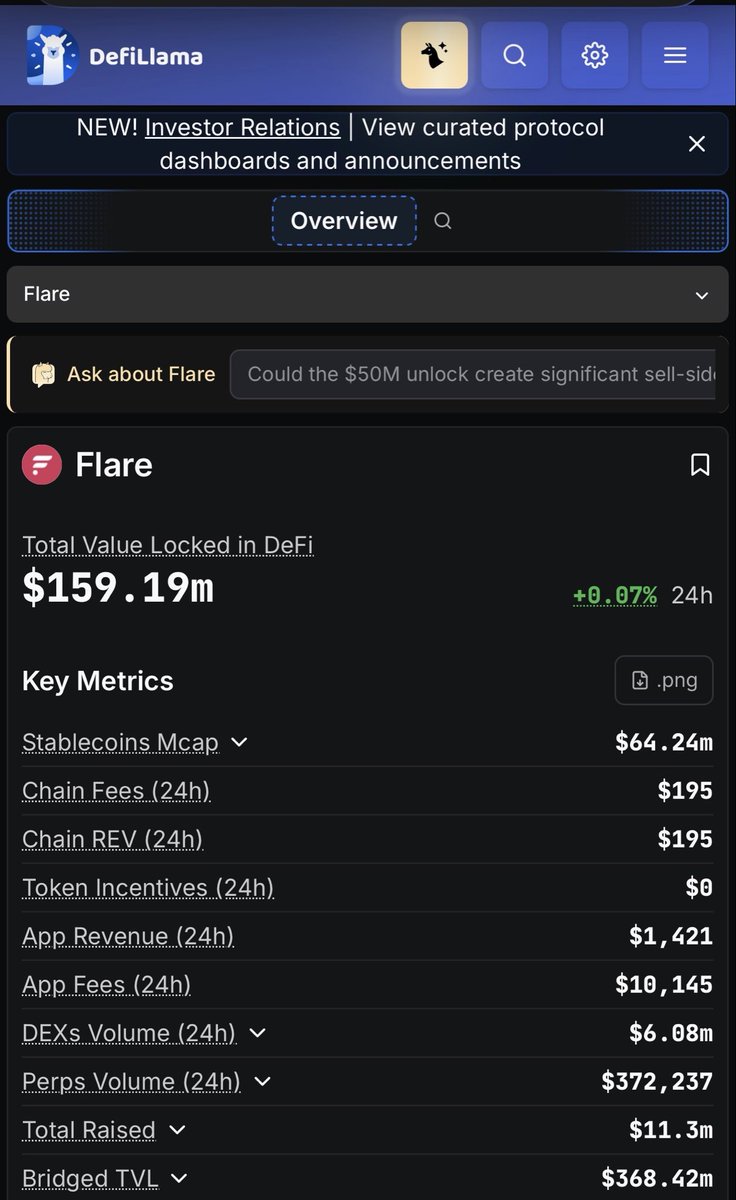
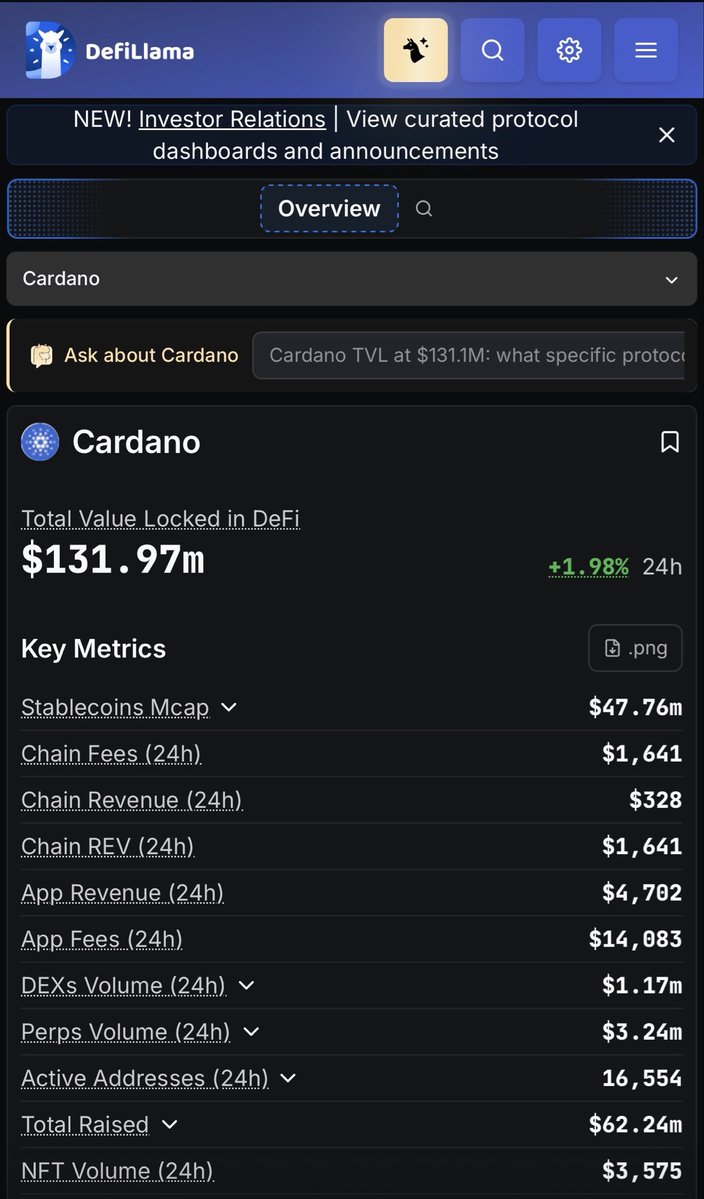
Cardano has far lower stats across the board in DeFi than Flare despite having a massive headstart and at least at some point a vast treasury.
Cardano will not win BTC.
Flare will win by creating the unified DeFi layer for FXRP, FBTC, FXLM, RWAs, Stables and the rest.
@Casper_Network Can you share literally any positive news on the business development side/new partnerships? The network is now sub 200 transactions per day, you can have the best tech in the world but if no one is using it , it means nothing. @mssteuer ?
Yo @AppleSupport@Apple it’s 2026, fix the damn email app to send email photos correctly the first time instead sending the “image0.jpeg” error. @elonmusk is building rockets & robots, the least you can do is send a photo in an email without issue.
Listen.
FLARE COULD BECOME ONE OF THE FIRST GENERAL-PURPOSE L1s TO IMPLEMENT PROTOCOL-DIRECTED BLOCK BUILDING WITH A GOVERNED MEV MANDATE TIED TO TOKEN ECONOMICS.
In simple terms, this means @FlareNetworks is not just trying to grow the network and hope FLR benefits indirectly.
It is proposing a system where part of the value normally extracted through block building, arbitrage, and liquidations can be captured at the protocol level and redirected back into the network’s economics.
On most networks, more activity does not automatically mean stronger token economics.
The chain gets used, value is created, but a meaningful part of that value leaks to external actors while the token still depends heavily on emissions and future expectations.
What Flare is proposing is much more ambitious.
If activity on the network grows, the goal is for more of that value to be captured through fees, MEV, and other protocol revenues, then routed toward supply reduction, validator and staker support, and broader ecosystem growth.
To me, this is one of the biggest open problems in crypto:
How do you make token value connect to real network usage?
- More usage could mean more value captured.
- More value captured could mean stronger FLR economics.
- Stronger FLR economics could mean a healthier long-term network.
Flare is trying to move away from a model where the token is supported mainly by emissions, toward one where the network recycles more of its own economic activity back into FLR and the ecosystem.