Live in Albany and on our avocado farm and laboratory with my beautiful wife and family. I love life, exercise, eating well, breathing, floating and flying
@JoeTegtmeyer When you said “super charging”? Where is that image. The real question lies is to see a Cybercab using induction charging. This has not been seen yet and is potentially the bigger issue. Who agrees?
🚨WATCH: Obama said it himself: “If you plan to enter the U.S. illegally, your chances of getting caught and sent back just went up… we must enforce the law, secure the border, and prosecute employers who hire illegal workers.”
That was Barack Obama. So why are Democrats furious now over enforcement they once called lawful, necessary, and compassionate?
🚨WATCH: Obama said it himself: “If you plan to enter the U.S. illegally, your chances of getting caught and sent back just went up… we must enforce the law, secure the border, and prosecute employers who hire illegal workers.”
That was Barack Obama. So why are Democrats furious now over enforcement they once called lawful, necessary, and compassionate?
Joe Rogan just dropped a MOAB on the Democrat immigration narrative — playing a clip of Hillary Clinton from 2008 that OBLITERATES their current talking points.
As @joerogan pointed out, the policies Democrats now call President Trump a “Nazi” for enforcing were standard party lines nearly twenty years ago.
ROGAN: “I know it’s on YouTube, but it’s this amazing campaign speech.”
“Listen to this…I love this one!”
[Plays clip of Clinton speech]
CLINTON: “I think we’ve got to have tough conditions. Tell people to come out of the shadows. If they’ve committed a crime, deport them! No questions asked, they’re gone!”
ROGAN: “Cheers! Cheers from the Democrats.”
CLINTON: “If they’ve been working and are law-abiding, we should say here are the conditions for you staying; you have to pay a stiff fine because you came here illegally, you have back taxes and you have to try to learn English and you have to wait in line!”
[Rogan cracks up in laughter]
ROGAN: “You’re gonna learn English, everybody’s cheering!”
“Now, you’re a Nazi.”
“That is more right wing than Marjorie Taylor Greene.”
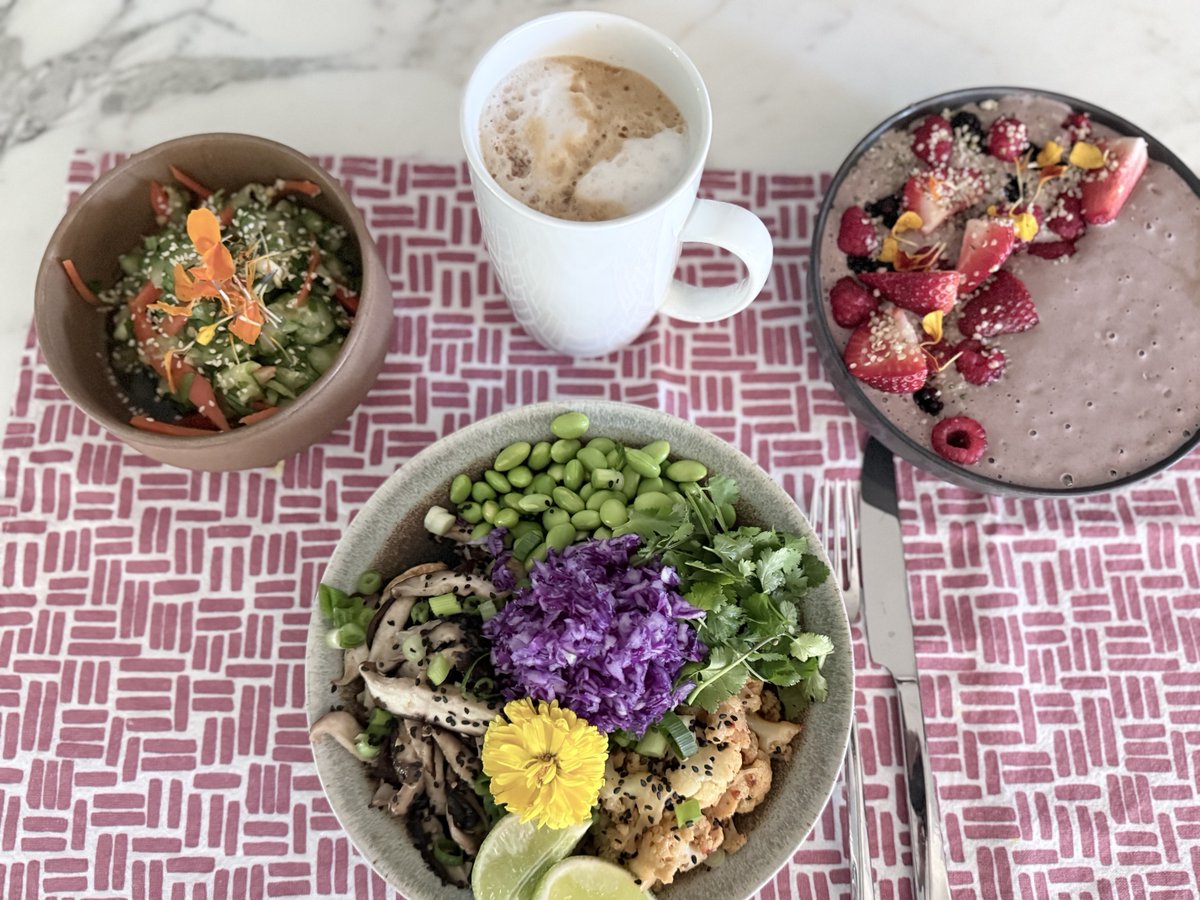
Here is a **complete list of ingredients** from the Bryan Johnson Blueprint meal shown in the post (https://t.co/iNSqUtBhyw), based on the visible items and Bryan's typical descriptions of similar meals. This includes the Super Veggie-style bowl, seaweed salad variation, berry bowl, and drink.
The ingredients are ranked in approximate **order of longevity benefit** according to Blueprint principles and supporting evidence (e.g., Nrf2 activation via sulforaphane, beta-glucans for immunity/microbiome, polyphenols for neuroprotection & inflammation reduction, high polyphenol EVOO for cardiovascular & oxidative stress benefits, fiber/protein from legumes, healthy fats, and antioxidant density). This ranking draws from Johnson's emphasis on evidence-based power laws for genomic stability, inflammation control, microbiome diversity, mitochondrial health, and overall aging biomarkers.
1. **Broccoli / Cruciferous vegetables** (e.g., cauliflower, purple cabbage) — Top-tier for sulforaphane → potent Nrf2 activator, strongest for detoxification, anti-cancer, genomic stability, and inflammation reduction.
2. **Extra Virgin Olive Oil (EVOO)** — High-polyphenol cold-pressed oil; cornerstone of Blueprint for cardiovascular protection, lipid improvement, oxidative stress reduction, and longevity (Johnson uses ~1–3 Tbsp daily).
3. **Mushrooms** (shiitake/maitake common in Blueprint) — Beta-glucans for immune modulation, microbiome support, and neuroprotection.
4. **Berries** (blueberries, strawberries, mixed in acai/berry bowl) — Extremely high in anthocyanins/polyphenols for cognitive enhancement, glycemic control, anti-inflammatory effects, and neuroprotection.
5. **Black lentils / Legumes** (core in Super Veggie) — Excellent plant protein + prebiotic fiber for microbiome diversity, glycemic stability, muscle maintenance, and colon health.
6. **Hemp seeds** — Omega-3s, complete plant protein, magnesium, and anti-inflammatory fats.
7. **Edamame** — Soy-based complete protein + isoflavones for hormonal balance and cardiovascular benefits.
8. **Seaweed** (in salad) — Iodine, fucoidan, and minerals for thyroid/immune support and heavy metal chelation.
9. **Lime / Citrus** (juice) — Vitamin C, flavonoids for antioxidant support and iron absorption.
10. **Carrots** — Beta-carotene for eye/skin health and antioxidant activity.
11. **Cucumbers** — Hydration + mild anti-inflammatory compounds.
12. **Seeds / Toppings** (e.g., additional seeds or edible flowers) — Extra micronutrients, fiber, and healthy fats.
13. **Macadamia nut milk** (in decaf coffee) — Low-carb healthy monounsaturated fats, minimal processing.
14. **Decaf coffee** — Polyphenols + caffeine metabolites for mild cognitive/mitochondrial support (decaf avoids sleep disruption).
15. **Acai / Berry base** — Similar to berries but processed; still provides antioxidants (lower ranking due to potential lower density than fresh).
This meal aligns closely with Johnson's protocol: heavy emphasis on **cruciferous veggies** and **EVOO** as the highest-impact items for activating longevity pathways like Nrf2, reducing systemic inflammation, and supporting microbiome/genomic health — exactly as he highlights in the post.
If you're replicating this, prioritize the top items (cruciferous + EVOO + mushrooms/berries/legumes) for maximum benefit. The meal is plant-based, fiber-rich (~60–80g daily target in Blueprint), and calibrated for ~10% caloric restriction while hitting protein (~25%) and healthy fat goals. Enjoy — it's designed to be both powerful and (to Johnson) delicious!
Please read the comments to your post and learn. I, like you, want Ukraine to win, so besides everything else, if Musk (Starlink) was not available to the Ukrainians and the 100’s of millions he personally have to Ukraine (beginning of war) it is 100 percent clear Ukraine would not have survived. Elon deserves the credit. Pls get your facts straight.
Core Collectivist Elements Shared by Communism, Socialism, and Fascism
• Supremacy of the Collective Over the Individual:
• In communism (as theorized by Karl Marx and implemented in systems like the Soviet Union), the proletariat (working class) represents the collective. Private property is abolished, and resources are owned and distributed “from each according to his ability, to each according to his needs.” Individual rights are secondary to achieving a classless society, often enforced through state coercion.
• Socialism (a broader term encompassing democratic and authoritarian variants) advocates for social ownership of the means of production—via the state, cooperatives, or workers’ councils. The community’s welfare (e.g., universal healthcare, education) trumps individual profit motives, with policies like wealth redistribution reflecting this communal focus.
• Fascism (as seen in Mussolini’s Italy or Hitler’s Germany) elevates the nation or race as the ultimate collective. The state embodies this community, directing the economy through corporatism (where private ownership exists but is heavily regulated for national goals). Individual freedoms are curtailed in favor of unity, loyalty, and strength for the “fatherland” or “volk.”
• Connection: All three view society as an organic whole where individuals are mere parts, like cells in a body. This contrasts with individualist systems, where people are ends in themselves, not means to a communal end.
• Centralized Control and Authority:
• These ideologies rely on a powerful central entity (state, party, or leader) to define and enforce communal interests. In communism and socialism, this often manifests as state planning or nationalization; in fascism, as totalitarian nationalism. Dissent is suppressed because it threatens the collective harmony—e.g., purges in Stalinist communism, labor camps in Nazi fascism, or state takeovers in socialist regimes.
• Critics argue this communalism inherently leads to totalitarianism, as seen in Hayek’s slippery-slope argument: Starting with noble collective goals (equality in socialism/communism, national revival in fascism) requires ever-increasing control, eroding personal liberties.
• Economic Regimentation for Communal Goals:
• Communism and socialism communalize production to eliminate exploitation and inequality.
• Fascism communalizes it for national self-sufficiency and power (e.g., autarky policies).
• In all cases, free markets and individual entrepreneurship are restricted or eliminated, as they prioritize personal gain over group needs. This is why economists like Ludwig von Mises grouped them as “interventionist” systems opposing laissez-faire capitalism.
Core Collectivist Elements Shared by Communism, Socialism, and Fascism
• Supremacy of the Collective Over the Individual:
• In communism (as theorized by Karl Marx and implemented in systems like the Soviet Union), the proletariat (working class) represents the collective. Private property is abolished, and resources are owned and distributed “from each according to his ability, to each according to his needs.” Individual rights are secondary to achieving a classless society, often enforced through state coercion.
• Socialism (a broader term encompassing democratic and authoritarian variants) advocates for social ownership of the means of production—via the state, cooperatives, or workers’ councils. The community’s welfare (e.g., universal healthcare, education) trumps individual profit motives, with policies like wealth redistribution reflecting this communal focus.
• Fascism (as seen in Mussolini’s Italy or Hitler’s Germany) elevates the nation or race as the ultimate collective. The state embodies this community, directing the economy through corporatism (where private ownership exists but is heavily regulated for national goals). Individual freedoms are curtailed in favor of unity, loyalty, and strength for the “fatherland” or “volk.”
• Connection: All three view society as an organic whole where individuals are mere parts, like cells in a body. This contrasts with individualist systems, where people are ends in themselves, not means to a communal end.
• Centralized Control and Authority:
• These ideologies rely on a powerful central entity (state, party, or leader) to define and enforce communal interests. In communism and socialism, this often manifests as state planning or nationalization; in fascism, as totalitarian nationalism. Dissent is suppressed because it threatens the collective harmony—e.g., purges in Stalinist communism, labor camps in Nazi fascism, or state takeovers in socialist regimes.
• Critics argue this communalism inherently leads to totalitarianism, as seen in Hayek’s slippery-slope argument: Starting with noble collective goals (equality in socialism/communism, national revival in fascism) requires ever-increasing control, eroding personal liberties.
• Economic Regimentation for Communal Goals:
• Communism and socialism communalize production to eliminate exploitation and inequality.
• Fascism communalizes it for national self-sufficiency and power (e.g., autarky policies).
• In all cases, free markets and individual entrepreneurship are restricted or eliminated, as they prioritize personal gain over group needs. This is why economists like Ludwig von Mises grouped them as “interventionist” systems opposing laissez-faire capitalism.
Let’s cut the BS. Like it or not Trump won the elections; popular as well, and is following what he outlined to his voter base. His voter base; wants a strong leader internationally, he is following what most democrats want; peace in world conflict and maneuvered 8 potential wars into greater peace representing 2.4 billion people, but also strong handing illegal immigration, drugs, and rampant crime.
Core Collectivist Elements Shared by Communism, Socialism, and Fascism
• Supremacy of the Collective Over the Individual:
• In communism (as theorized by Karl Marx and implemented in systems like the Soviet Union), the proletariat (working class) represents the collective. Private property is abolished, and resources are owned and distributed “from each according to his ability, to each according to his needs.” Individual rights are secondary to achieving a classless society, often enforced through state coercion.
• Socialism (a broader term encompassing democratic and authoritarian variants) advocates for social ownership of the means of production—via the state, cooperatives, or workers’ councils. The community’s welfare (e.g., universal healthcare, education) trumps individual profit motives, with policies like wealth redistribution reflecting this communal focus.
• Fascism (as seen in Mussolini’s Italy or Hitler’s Germany) elevates the nation or race as the ultimate collective. The state embodies this community, directing the economy through corporatism (where private ownership exists but is heavily regulated for national goals). Individual freedoms are curtailed in favor of unity, loyalty, and strength for the “fatherland” or “volk.”
• Connection: All three view society as an organic whole where individuals are mere parts, like cells in a body. This contrasts with individualist systems, where people are ends in themselves, not means to a communal end.
• Centralized Control and Authority:
• These ideologies rely on a powerful central entity (state, party, or leader) to define and enforce communal interests. In communism and socialism, this often manifests as state planning or nationalization; in fascism, as totalitarian nationalism. Dissent is suppressed because it threatens the collective harmony—e.g., purges in Stalinist communism, labor camps in Nazi fascism, or state takeovers in socialist regimes.
• Critics argue this communalism inherently leads to totalitarianism, as seen in Hayek’s slippery-slope argument: Starting with noble collective goals (equality in socialism/communism, national revival in fascism) requires ever-increasing control, eroding personal liberties.
• Economic Regimentation for Communal Goals:
• Communism and socialism communalize production to eliminate exploitation and inequality.
• Fascism communalizes it for national self-sufficiency and power (e.g., autarky policies).
• In all cases, free markets and individual entrepreneurship are restricted or eliminated, as they prioritize personal gain over group needs. This is why economists like Ludwig von Mises grouped them as “interventionist” systems opposing laissez-faire capitalism.
@RBReich If we move more to the left; more socialist and communist; like Mamdani: understand the underlying connection between fascism, socialism and Communism and how we (Americans) really want none of these concepts.
@sushantkumar67 Hardware 5.0! We love our 4.0 model Y! So we will probably update in a year or two. And we want/need a longer range pickup truck, but redesigned. Cyber truck style and box’y huge size is not appealing.
The YouTube video “Inside the World’s Most Unconventional Prison | El Salvador Prisons” (https://t.co/54hqrlZSNP) showcases El Salvador’s groundbreaking prison system under President Nayib Bukele, particularly the “Plan Cero Ocio” (Zero Idleness Plan), which transforms high-security facilities like the Terrorism Confinement Center into rehabilitation hubs. By enforcing strict discipline, constant surveillance, and mandatory vocational training, education, and labor programs, the system aims to reintegrate inmates into society with skills and purpose, significantly reducing recidivism. Despite controversies over its stringent measures, the video presents Bukele’s model as a revolutionary blueprint for the ideal prison, deserving global attention and respect for its innovative balance of security and rehabilitation, making it a must-see for policymakers and prison reform advocates worldwide.