The 2nd Mapping Ancient Africa paper is out "Highland forest dynamics across equatorial East Africa during the end of the African humid period" by @sjivory & colleagues in Quaternary International https://t.co/00obWI5qlm @KabothBahr@rkinyanji@fynbospollen@INQUA#palaeoecology
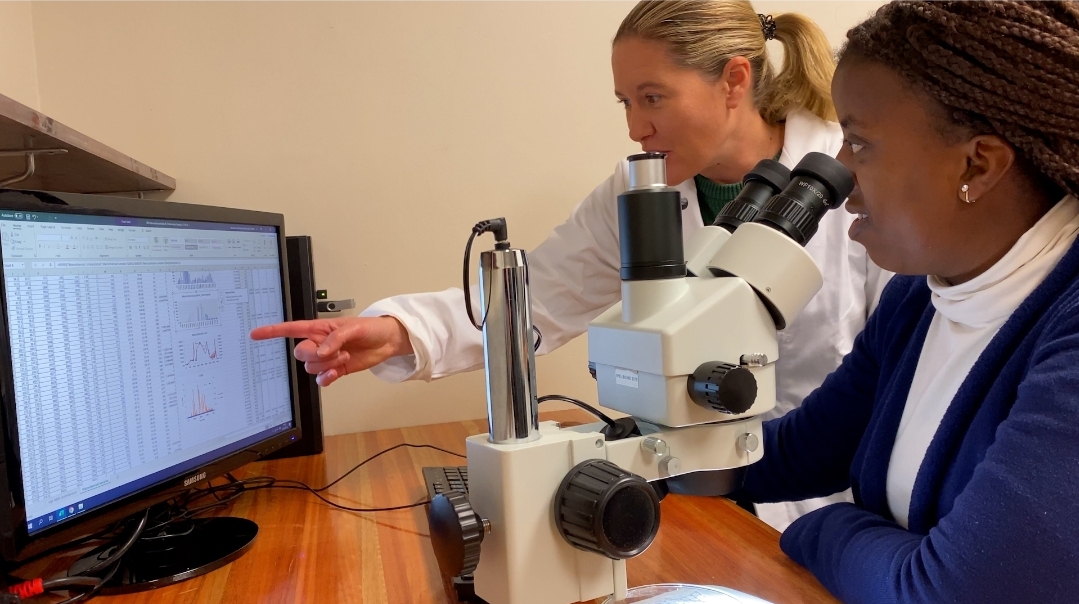
Scientists have used pollen monitoring equipment to measure airborne microplastics for the first time. What did they find?
MPs were detected in 95% of daily samples from sites in the UK and South Africa - with nylon the most abundant polymer.
https://t.co/4Ivt8anZ7z
Fire drives major Holocene vegetation shifts between subtropical and Mediterranean-type ecosystems: a case study from a biodiversity hotspot in South Africa https://t.co/Ty0ZxtwQTO #Fire#VegetationChange#Palaeoecology@NordicOikos @WileyEcolEvol
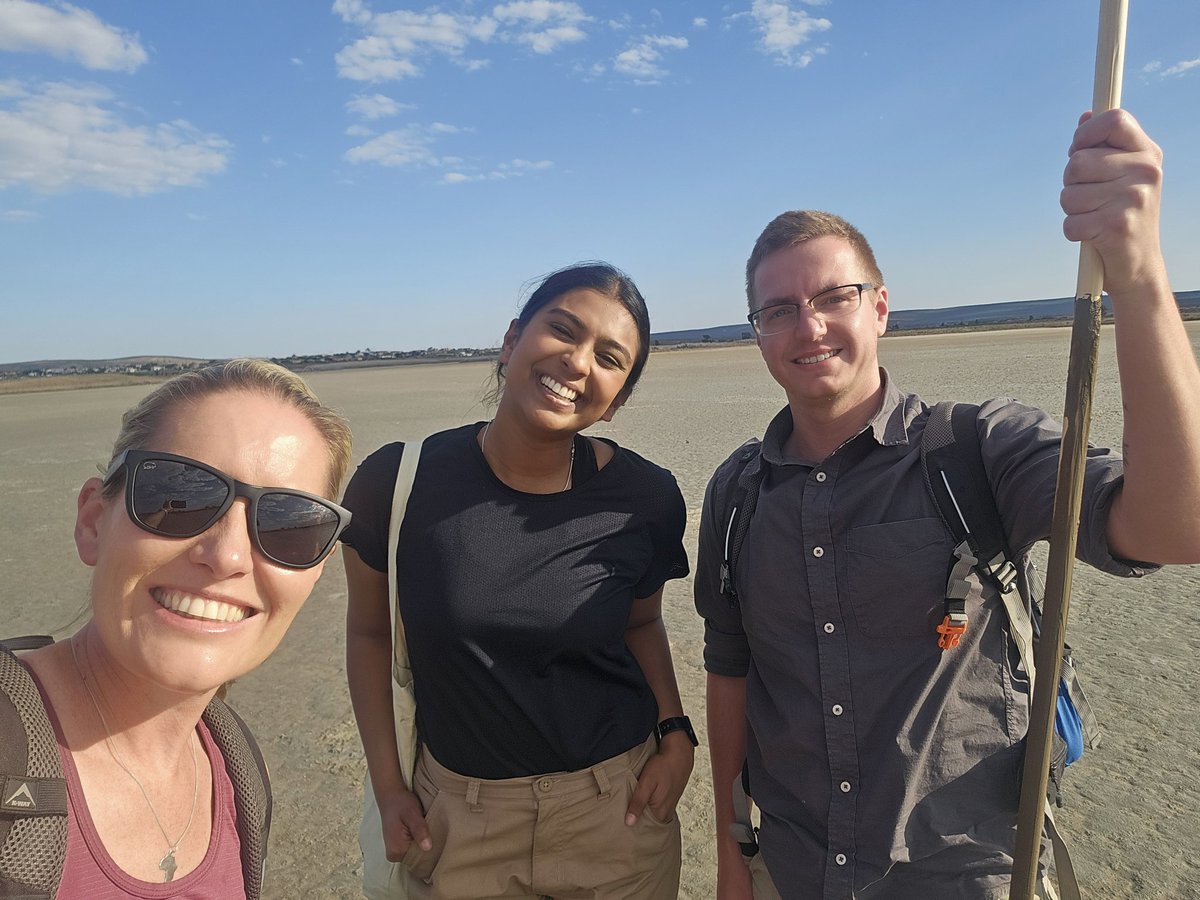
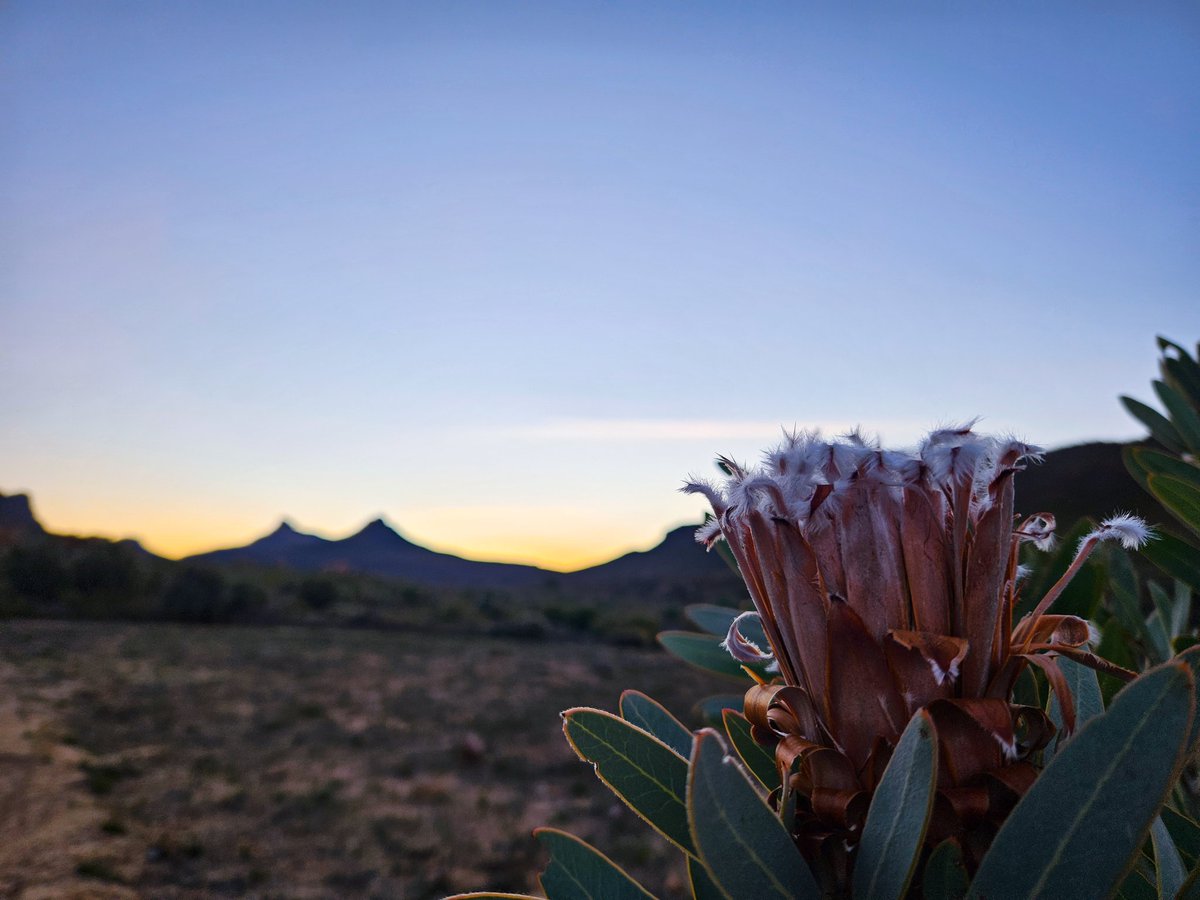
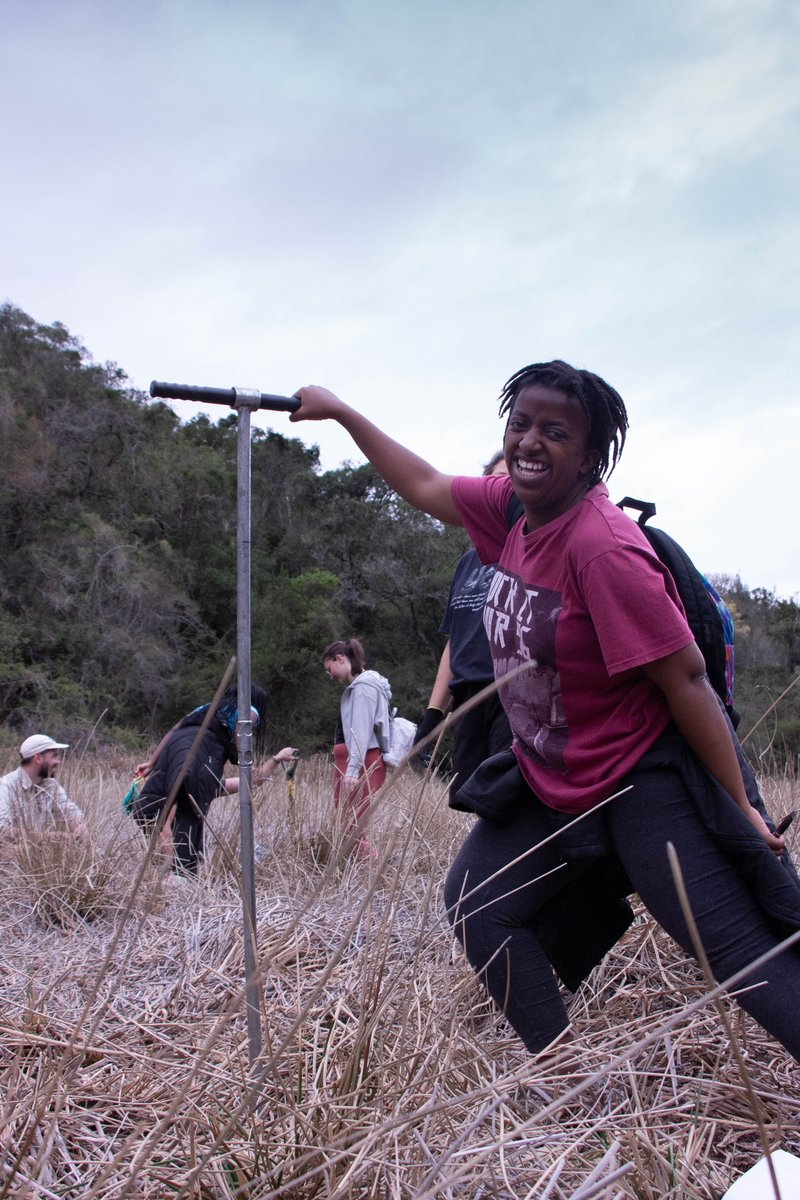
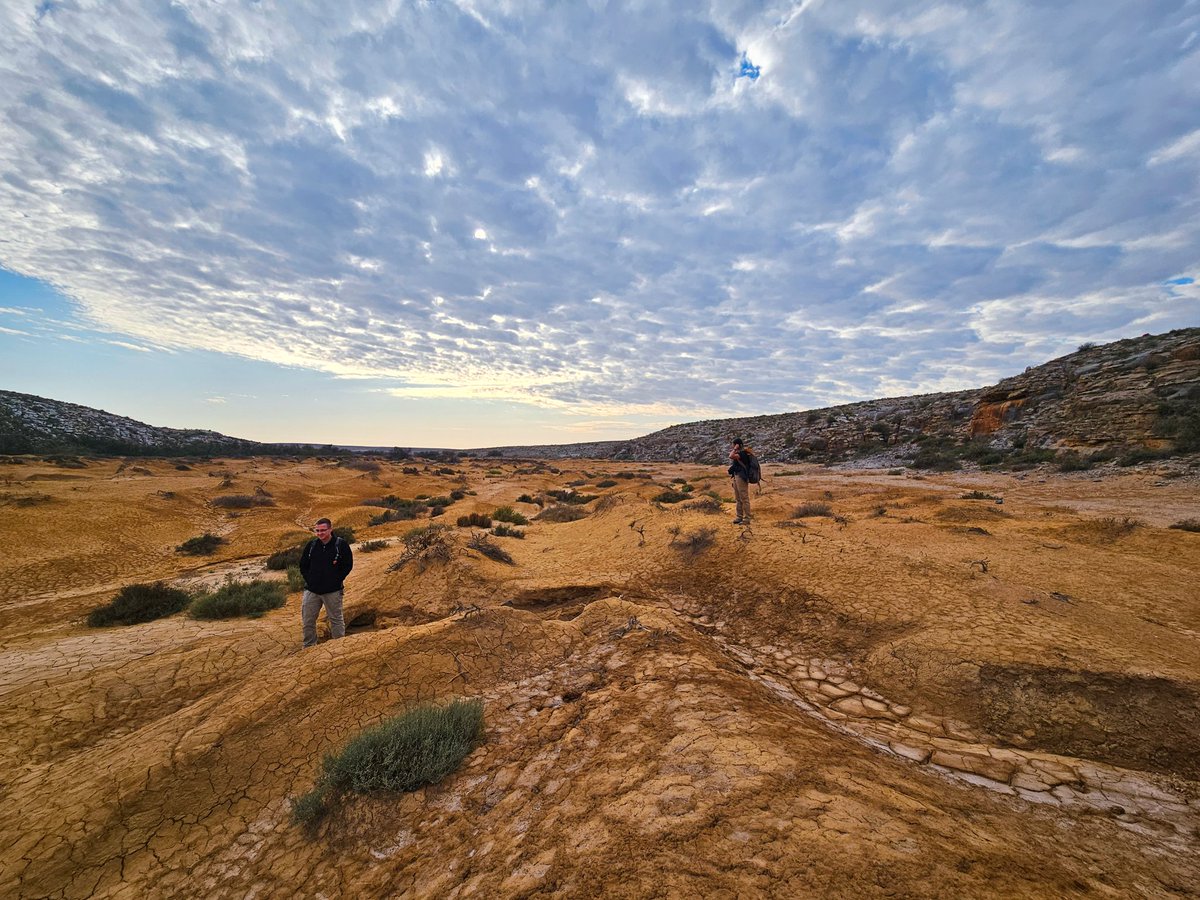
June highlights: fieldwork trips into the Cederberg & Succulent Karoo, great to be out with the Varsche Rivier archaeological team & exploring old & new landscapes 💚 #collaboration#research
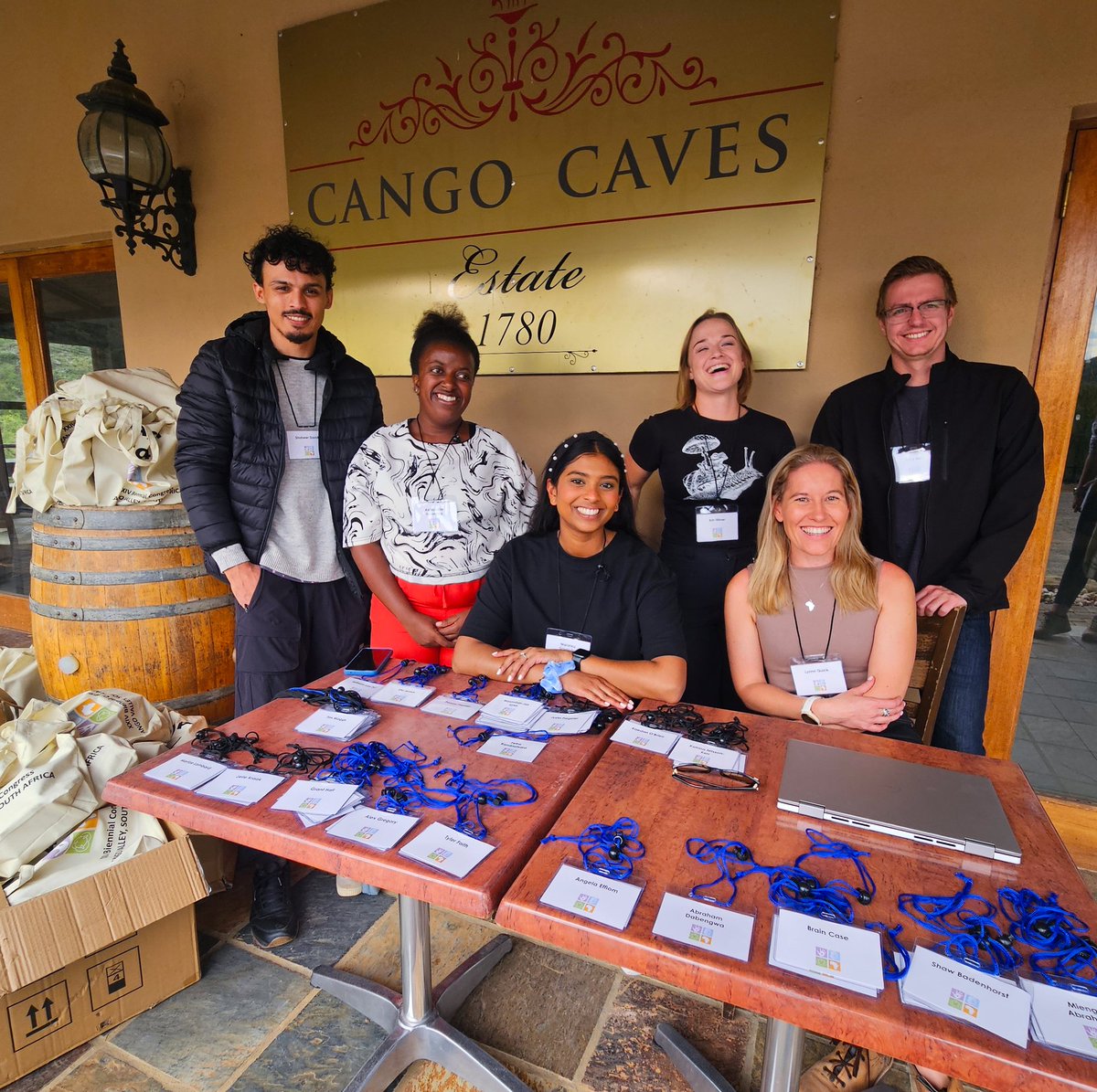
Officially, 4 days till #SASQUAXXIV
Things to look forward to:
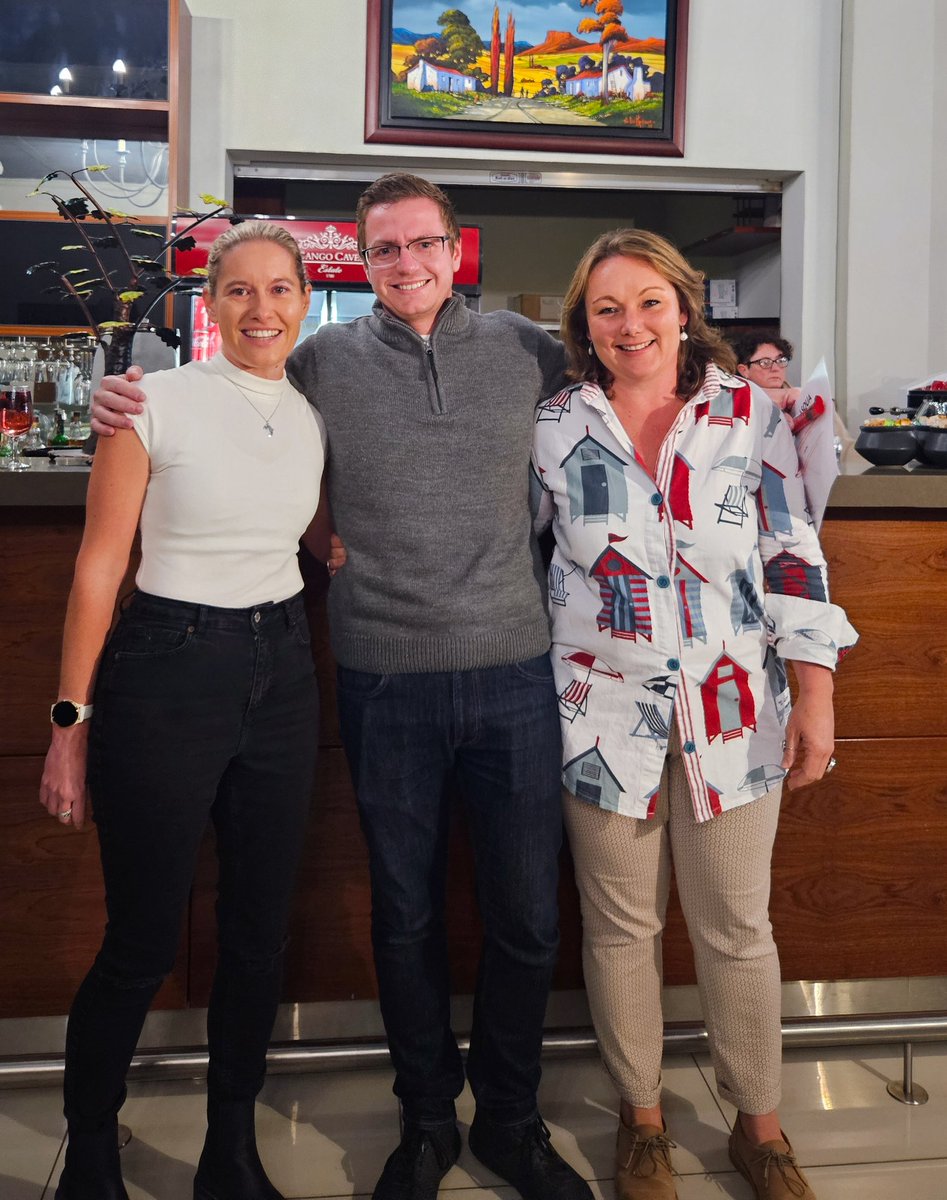
1. Adventure tour at the iconic Cango Caves
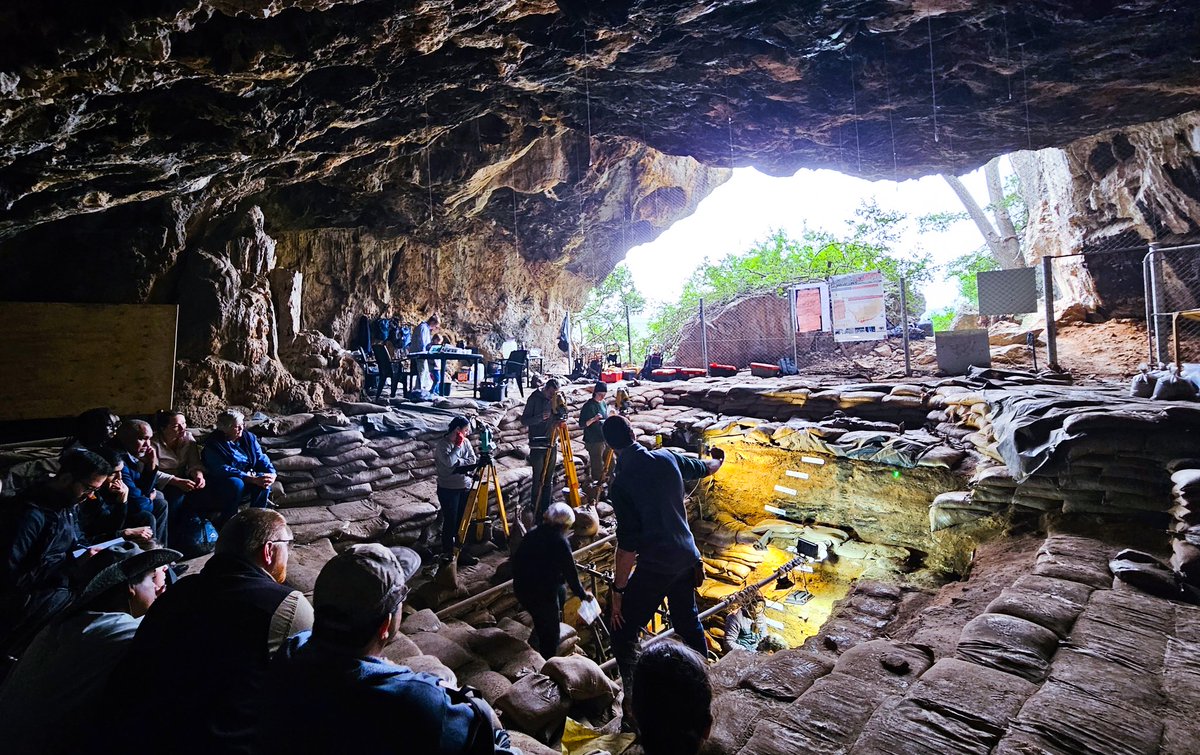
2. Tour of the Boomplaas Cave led by @justin_pargeter
3. Botany for non-botanist workshop led by @Ese_Manzano to learn how to do botany fieldwork without knowing botany
We are counting down to
#SASQUAXXIV
To start off, here are some video introductions of the students that will be attending the #congress
See link below:
https://t.co/nWPnIVmLnq
New high-resolution paleofire record from the Cape Floristic Region tracking long-term linkages between moisture availability and fire! Spoiler: wetter conditions result in increased fire at this fuel-limited site!
Check out the pre-proof here: https://t.co/71d0UxSFMs
#SASQUA is offering #support for #ECRs and #students to attend the SASQUA #Congress in May 2024. Hurry up and apply through our website: https://t.co/bmRv9P9y7i
If you have any questions, please feel free to DM us or email [email protected]