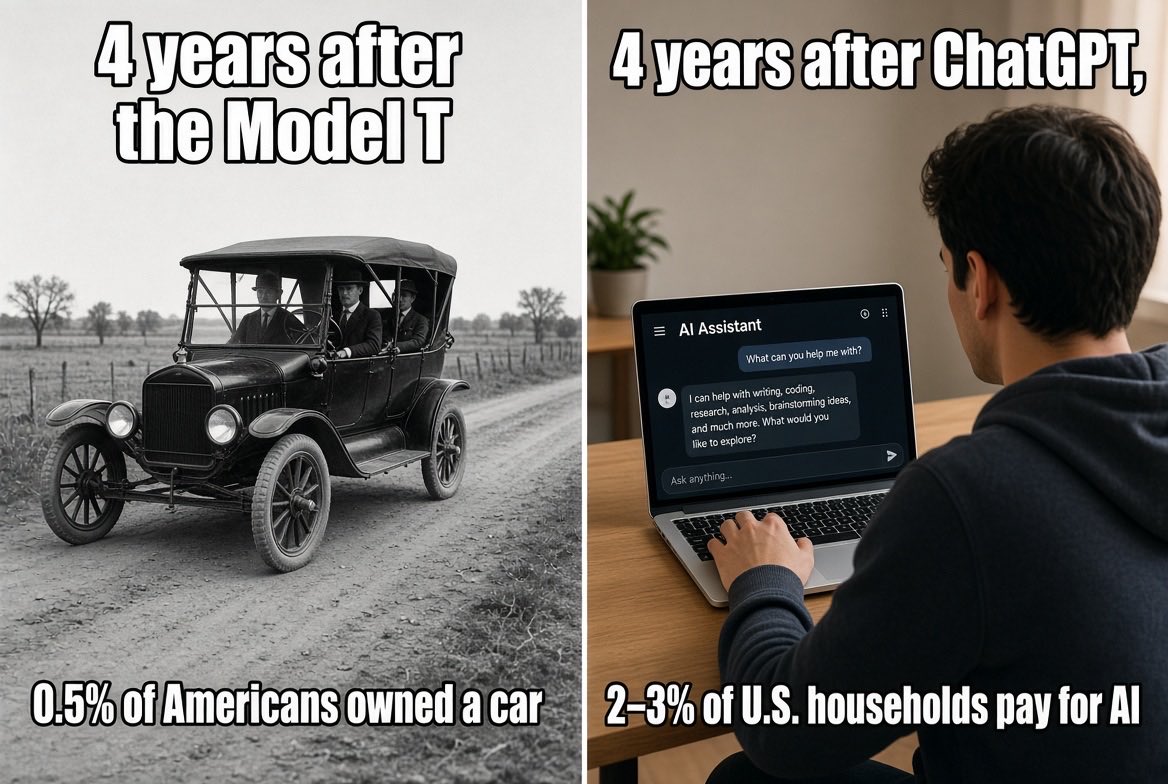
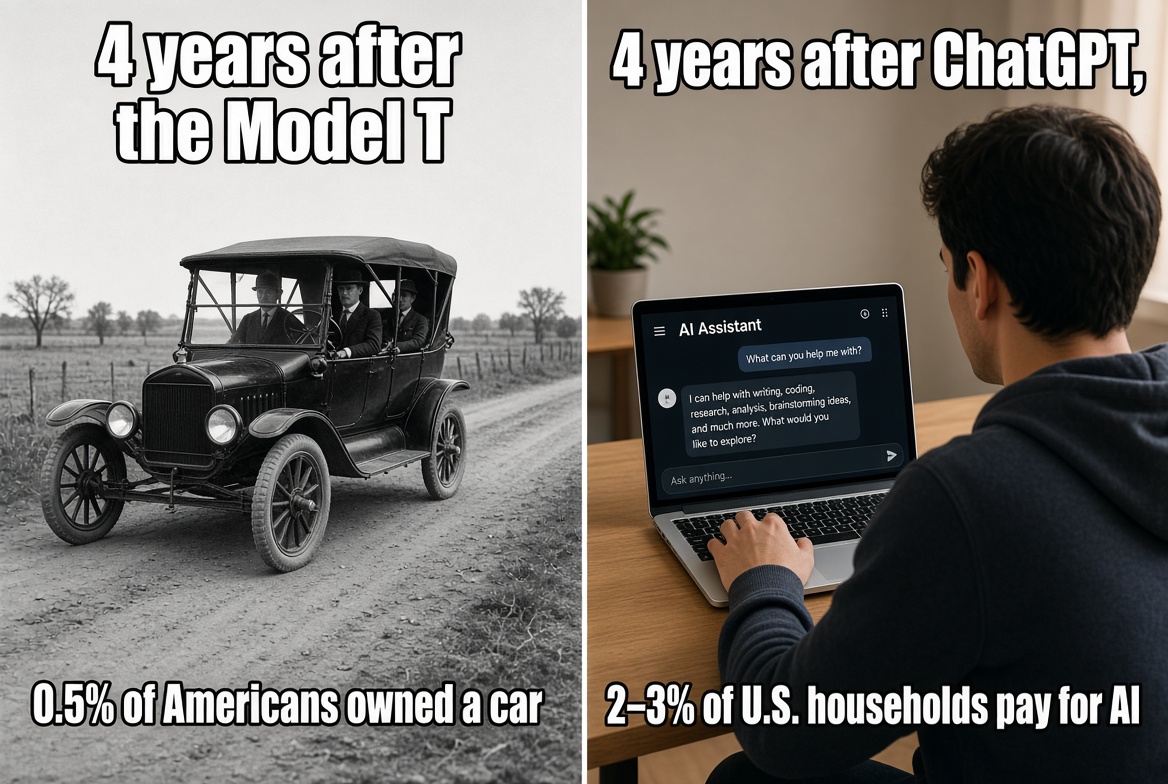
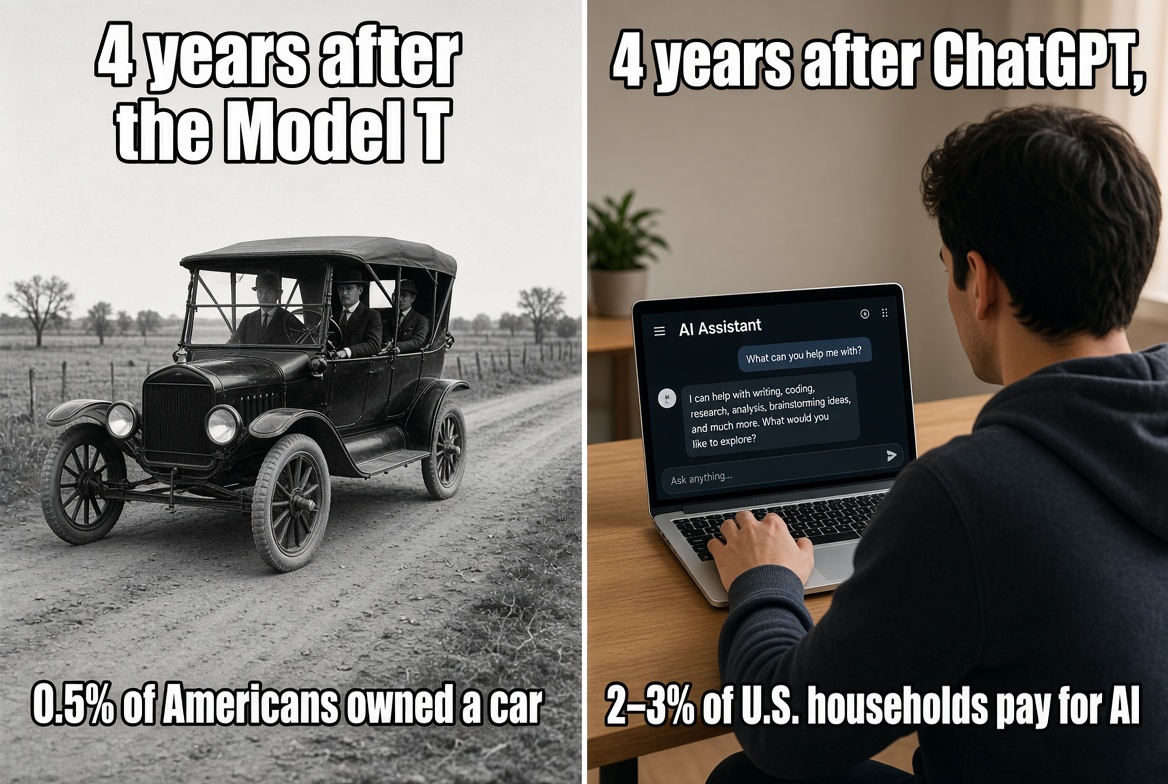
Everyone's treating "managing AI agents" like a new discipline. It isn't.
Agent teams = org charts
Context engineering = wikis
Agent memory = shift notes
Approval gates = sign-off
4 minutes on why you already know how to do this:
@firesidealpha People are already using Muse agents to save them money, haggle over stuff and process returns and refunds.
I’m not sure this person has used it or Grok Bot, etc.
@Musecases I’ve had to get creative with enabling comms between grok build, grok bot, claude and now Muse.
Will be nice when it just works out of the box.
@huxlab This post has my spirit animal crying.
I’ve seen better products die or not get built because the incentive was to spend a zillion dollars of company money to brag about your empire during performance management season.
@unusual_whales When I was 9 I tried to jump over a cactus.
I failed.
Good thing a neighbor was around to pull the needles out of my legs.
AI would never hurt me like a prickly pear cactus.
There are many things you can do with AI that free up your time and attention for something else.
You don’t have to do the grocery shopping.
You don’t have to wade through your kids’ school emails.
You don’t have to run calendar deconfliction.
All that has been reduced to plumbing and agent permissions.
It's happening. My wife told her friends how I set up a @bot to handle weekly meal planning and grocery shopping, saving 2-3 hours per week.
They lean forward. "I want that! How do I get that?"
The AI factories are pitching travel agents, but mundane convenience seems like a killer feature to usher the Instagram crowd to Muse/Bot/Dot/etc.
Most people right now "use AI" the way I use a Swiss Army knife to lift the tab on a soda can, so everything she describes next lands like "The Turn" of a magic trick.
Every Sunday, "Sylvia-bot" sends 15 meal ideas and we choose 5-7 based on the week. It knows to assign the easy meals to the nights when our family calendar shows football practice. It knows to use ingredients 2-3 times in different ways, like a chef balancing COGS and flavors. It knows the components of a successful taco night.
We had years of weekly grocery orders for training, so it knows the brands, flavors, and sizes we prefer as a family. (I wonder how long it will take others to get to this point without the archive.)
We're still working on the idea that "grape tomatoes and cherry tomatoes are interchangeable" and "don't buy berries that aren't on sale!"
In 5 minutes, we approve the plan. It does the shopping on H-E-B, double-checks the pantry assumptions (e.g. soy sauce, spices, etc.), adds the kids' usual extras, and emails a clean PDF of every recipe for the week.
At the end of each week, we log our favorite to a 'recipe book' memory for future rotations.
For now, my wife will scan the cart (another 5 minutes) and confirm tomorrow's pickup window. Soon, I expect our Tesla will do the grocery run on its own.
@griswold@bot Love it.
Using AI for actually useful stuff for the family.
Too many think the learning curve is too steep to get going or the payoff just isn’t worth it.
There’s a lot of mundane stuff we can give the bots to free up time and attention for what matters more.
Define built apps.
Did they nudge the model on architectural and security best practices or just go with whatever the AI did?
Does the app have an auditable adoption funnel?
Does it have user analytics?
How do they get user feedback to improve the app?
I hear “vibe coded app” and know that person went with whatever the bot said.
Anyone can vibe code anything.
But does it actually get adopted?
It already is.
If a team’s primary skillset is process then a lot of their work can already be automated away.
But from personal experience they’re reluctant to see it as being free to move to being strategic decision makers and orchestrators instead.
Cultural inertia and company incentives will maintain the status quo in many places for a while before something gives.
Maybe kinda?
I’ve seen metric dashboards get built using Claude code and GitHub pages but they weren’t linked to live data.
I was really confused why the engineer that built it didn’t make it so that if he didn’t come to work then the dashboard still worked for the team without his machine.
When I asked I could tell he did not realize he was a single point of failure.
Resiliency, scalability and maintainability you’d think are obvious but they’re not to everyone.
@vineerpasam Humans reading human generated code is not code review.
I don’t think the logic transfers.
That’s why you have a different human/AI review the code than the one that wrote it.
If you don’t know where AI could even help you in life just download @Muse and have it interview you.
Have it ask you what you do that’s manual and has friction that you’d rather not do.
Ask it where it can offload brain cycles for you.
You don’t need knowledge graphs, context engineering or a Chief of staff overseeing a bot team to get value from AI.
No special commands or tech experience required.
@a16z@OpenRouter Every problem that exists with human teams exists on bot teams but scaled and accelerated.
You solve this with systems thinking and systems execution.