My course, "Hitler and Stalin Today," is available for free online. Through 10 lectures, I examine Nazi and Soviet responses to the new globalized world they shared, and what we should have learned from the 20th century.
Hosted by @munkschool@UofT
https://t.co/7WqZ8oz47v
Lo flipante de este video no es tanto el eclipse en sí, sino que es la prueba de lo tremendamente rápido que se mueve La Luna en su recorrido alrededor de La Tierra (aprox 3.680km/h): la sombra que proyecta, adelantando al avión, es simplemente 🥵
The most alarming thing about this graph is not just the amount of change, but the smooth consistency of the curve. If this were a startup I'd be really confident about their future growth. Unfortunately it is instead the planet we live on.
Gambling disorder cases have started skyrocketing in states where sports betting is legal (this started ~May, 2018) following the end of COVID.
They've remained flat from COVID to today in states where it has remained illegal.
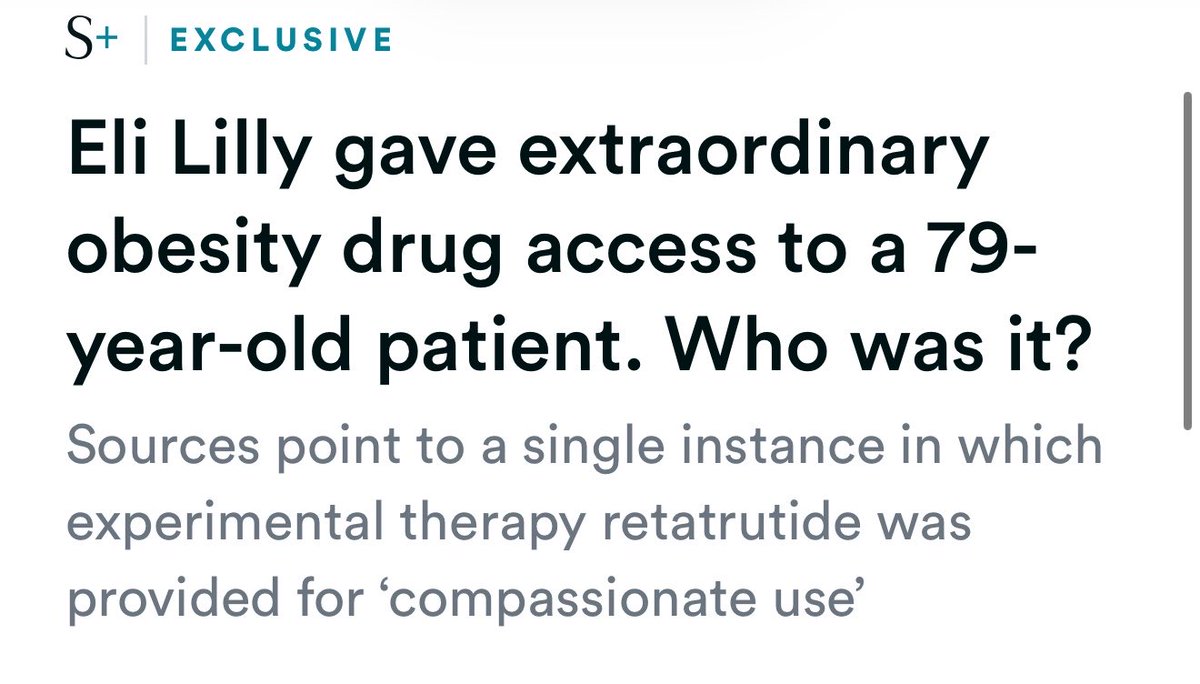
Holy crap, STAT News is reporting that Eli Lilly & the FDA let 1 person access a powerful new weight loss drug through FDA’s “compassionate use” program, which is reserved for people w/ serious and immediately life-threatening conditions.
That one person is believed to be Trump.
Eli Lilly has done it.
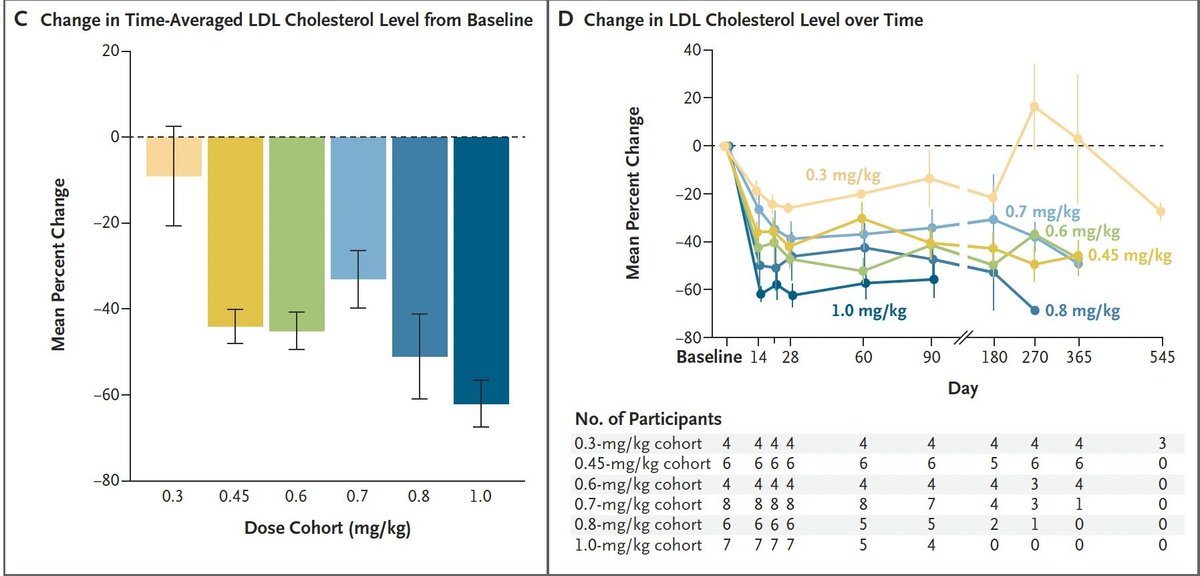
They've gone and made what seems to be a powerful, permanent gene therapy for LDL cholesterol.
That means they'll be able to effectively prevent most heart disease with a single infusion!
GOATed
this is why AI can never completely replace UpToDate, somebody needs to interpret the trials and describe how they might change practice in a readable way
Timely reminder given today's election results:
Orban's authoritarian government utterly failed to deliver on growth and Hungary ended up being the poorest country in the EU by the end of his tenure.
This is extremely embarrassing given their starting position.
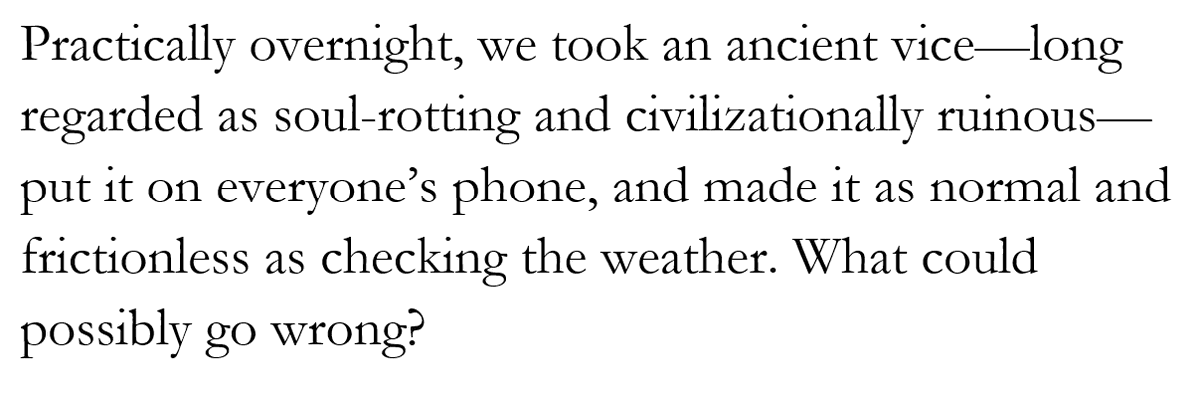
The Atlantic has a sobering, first-person look at the ramifications of legalized online sports betting. Here are a few of the more telling passages.
1/5
A lot of people in academic medicine explain things in an overcomplicated fashion, in part to create a certain mystique around themselves and give others the impression that they understand things at some higher level than the average practitioner is able to.
It works especially well if the person sounds confident when they speak, because the listener will usually not have enough mastery of the subject to question them on it. People think that when they can’t understand what’s being said, that the problem is with themselves. Entire careers are built on this dynamic.
As learners, you have to recognize that this behavior is often false. True geniuses do exist, but are rare. The prevalence of individuals that truly understand things that no one else can is definitely much less than 1 per department.
The 2 take-home messages from this are:
1) In general you want your teachers to spend most of the time making things reductive; in other words, making them seem simpler, not more complex.
2) the confidence with which someone says a thing has little correlation to whether it is true or not. Being a good salesperson helps one’s career in medicine as much as it does in other fields, and you have to recognize when the person talking to you is bluffing.