A biologist looks deeper into biology and finds chemistry.
A chemist looks deeper into chemistry and finds physics.
A physicist looks deeper into physics and finds mathematics.
A mathematician looks deeper into mathematics and finds logic.
A logician looks deeper into logic and finds philosophy.
A philosopher looks deeper into philosophy and starts questioning everything.
Nu trebuie să fii antisistem ca să fii liber. Trebuie doar să cunoști regulile jocului și să știi cum să îl joci.👇✍️
Iată regulile fundamentale:
1. Prima regulă: Acolo unde îți pui atenția, acolo îți trimiți energia.
În lumea aceasta, energia ta este resursa.
Matrix-ul nu are energie proprie. Se hrănește cu atenția ta de fiecare dată când apare ceva conceput să te sperie. Nu este o amenințare, este o momeală.
Sistemul vrea să-i dai atenție. Când refuzi să faci asta, îi retragi energia.
2. A doua regulă: Lumea exterioară este proiectorul.
Tu ești creatorul realității tale.
Matrix-ul încearcă din răsputeri să-ți programeze interiorul cu frici, pentru că știe că, dacă îți controlează gândurile, tu vei proiecta scenariul pe care îl vrea el.
Când schimbi filmul interior, lumea exterioară este obligată să se reconfigureze.
3. A treia regulă: Legea consimțământului ascuns.
Sistemul nu-ți poate încălca liberul arbitru fără permisiunea ta, așa că aplică programarea predictivă.
Prin versurile unor melodii celebre, prin scenariile din filme sau chiar prin mesajele subtile ascunse în interviurile elitelor, sistemul îți transmite anumite idei.
Dacă tu consumi acest conținut și îl accepți, ai semnat contractul. Este considerat un acord de bunăvoie.
Pentru a rupe acest acord, este suficient să-ți retragi mental consimțământul pentru această realitate.
4. A patra regulă: Capcana falsului salvator.
Sistemul funcționează după o formulă: creează o problemă, urmată de o criză, apoi tot el creează soluția.
Așteaptă ca populația să fie cuprinsă de frică. Apoi, cei care controlează sistemul vin cu soluția salvatoare, sub forma unui nou sistem, a unei noi tehnologii sau a unei alte promisiuni.
Și salvatorul face parte din același sistem.
Singurul salvator real este conștiința ta.
5. A cincea regulă: Matrix-ul este oglinda ta.
Tot ceea ce promovează sistemul ca fiind normal sau sănătos poate avea un scop ascuns.
Pentru a înțelege ce este cu adevărat benefic pentru tine, oprește-te și mergi în direcția opusă.
Caută simplitatea și echilibrul, acolo unde semnalul sistemului este zero.
6. A șasea regulă: Capcana polarizării.
Sistemul supraviețuiește creând două tabere și obligându-te să alegi.
Ambele tabere sunt controlate de aceeași structură, pentru a te menține prins în jocul lor.
Nu alege nicio tabără din jocul lor. Apoi, devino doar observator.
7. A șaptea regulă: Iluzia urgenței.
Matrix-ul funcționează pe baza grabei și a anxietății.
Stresul îți blochează intuiția și te ține într-o stare de alertă permanentă.
Când ești ancorat în momentul prezent, devii mult mai greu de manipulat.👌
There is nothing to worry about.
Nothing important is run on PHP or old software—except the water & electrical grid, a few government services like our missile defense systems and a handful of electrified fences at the zoo (for the lions, tigers and cobras).
Finance is getting simpler. Businesses are catching on.
Why? Because simpler makes more money. Who knew?
https://t.co/MH4Sb22zBU, Romania’s largest real estate crowdfunding platform, is the latest to make the move.
Less friction. Better conversion. More revenue.
They made it work. Now it's your turn.
Read. Learn. Replicate.
JUST IN: Elon Musk reveals Tesla is building an “Optimus Academy” where thousands of humanoid robots will practice real-world tasks, learning from their mistakes to continuously improve.
EGLD - the good, the bad, and the ugly
The Good 👍
🇷🇴 has a govt now & policy commitment to finalize MiCA
The revenue of Hyperliquid and Pump combined are a fraction of Tether and Circle ($700M/month)
xMoney stables are probably life-or-death for EGLD
The Bad
Still in limbo for now
The Ugly
radio silence from team that seems fried; no dApps, no users, inflationary tokenomics, and Greg starting another side project after nuking XMN
More routes = better trades 📊
Starting today, we’ve integrated @XoxnoNetwork into our routing engine for @StellarOrg swaps, bringing an extra layer of liquidity to your in-app trades.
Progress resumes on e-money token issuance – stablecoins EURXM, USDXM, RONXM
Romania has a new prime minister after over five months of political paralysis.
The caretaker government after the May 2026 collapse failed to pass emergency legislation fully designating the National Bank of Romania as the competent authority under MiCA. This blocked e-money token issuance, including xMoney’s prepared EURXM, USDXM and RONXM stablecoins.
With a fully empowered government now in place, the required measures can advance. The focus shifts to whether legislators and the BNR treat the remaining steps as a priority.
I expect things to start moving again @bnr_ro / @xMoney_com@FinanceCompute
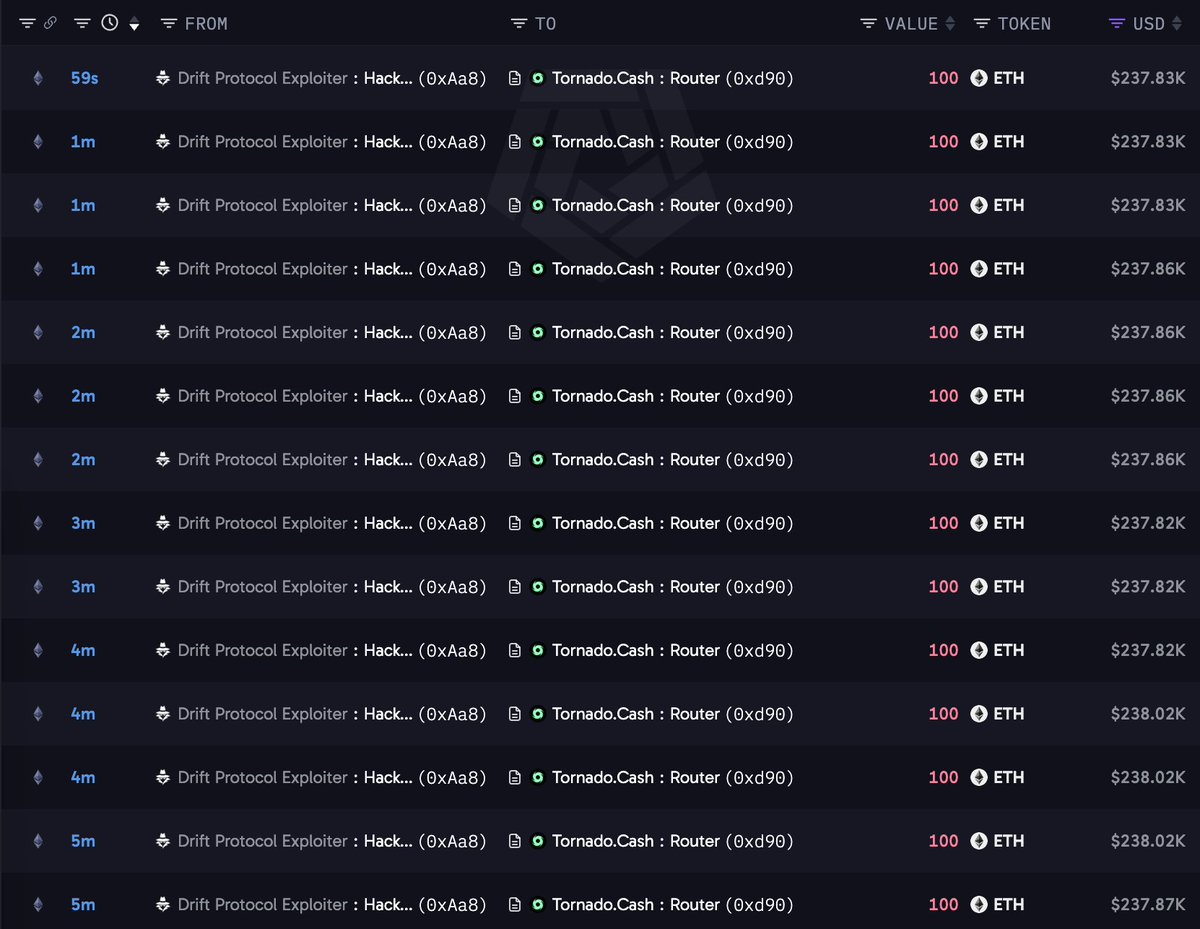
The Drift Protocol exploiter, who stole over $270M, is moving $ETH to #TornadoCash after 2 months of inactivity.
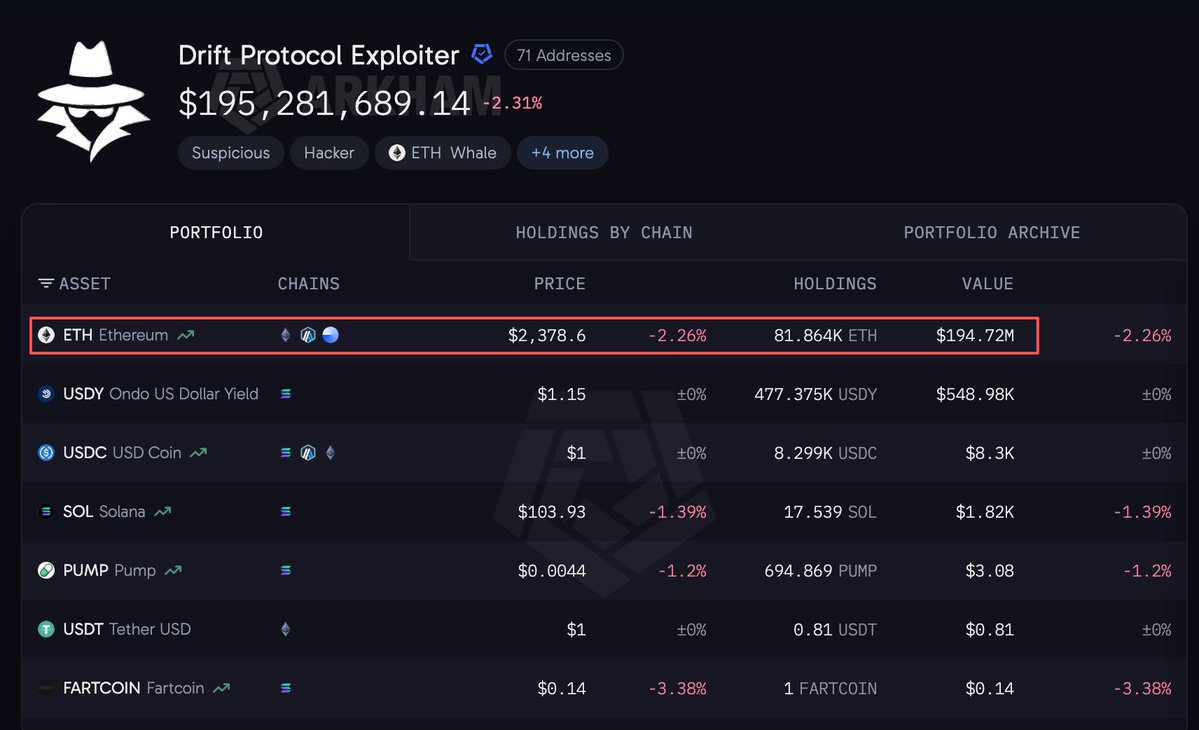
Over the past 2 hours, the exploiter has deposited 25,700 $ETH ($61.56M) into #TornadoCash and still holds 81,864 $ETH ($195M).
https://t.co/FRtFrS7rew
🧠 This Mushroom May Hold Surprising Clues to Brain Health.
Scientists are investigating lion’s mane (Hericium erinaceus), an edible mushroom containing compounds that may influence nerve growth and brain function.
Animal studies suggest these compounds could support certain aspects of memory and mood. A small 2010 human study involving 30 women also reported improvements in self-reported anxiety and depression symptoms after four weeks of consuming lion’s mane cookies.
But here’s the mystery: Can this mushroom actually protect the human brain? Researchers have not yet confirmed its effectiveness as a treatment for depression or nerve damage. More human studies are needed.
Nature may hold promising clues, but scientists are still searching for answers
Source:
Nagano, M., et al. (2010). Reduction of depression and anxiety by 4 weeks Hericium erinaceus intake. Biomedical Research, 31(4), 231–237.
People treat learning a new skill like it’s mostly about watching the right videos or buying the right course. They collect information for weeks and then wonder why nothing really changes.
The part that actually moves the needle is usually boring and repetitive. You have to show up and do the thing even when it’s not interesting anymore. The first few weeks feel productive because everything is new. After that it gets slower and most people quit because the progress stops being obvious.
The ones who get decent at something rarely have some special system. They just kept going past the point where it felt like they were wasting time. Consistency looks simple from the outside, but it’s the part almost everyone underestimates until they’ve stuck with something long enough to see the difference.
a question for builders and users:
which app is still missing on MultiversX?
something you would open every week.
payments, games, tools, anything.
what would you build first?