A key task for leaders of change is to plan for emergence.
This sounds contradictory. Emergence, by definition, cannot be fully predicted or designed in advance. However, planning for emergence is not the same as planning the outcome. It means deliberately creating the conditions, structures & relationships from which new, better ways of doing things can arise.
In big complex systems like health & care, genuinely new ways of working do not typically arrive through detailed plans cascaded from the top/centre. They arise through the depth & strength of relationships between people working toward shared intent.
This has big implications for how we approach improvement & transformation. Interactions alone are not enough. It is the QUALITY of relationships that determines whether those interactions generate something genuinely new, or simply reproduce existing patterns. Strong, trusting, reciprocal relationships create the conditions for new ideas to surface, be tested & take hold.
This reframes what we need to prioritise as leaders of change. We typically invest heavily in frameworks, methodologies & governance structures. We invest far less in the relational infrastructure that makes these elements work. Yet evidence from effective change practice shows that relationships are not the soft backdrop to change. They ARE the mechanism.
How we can build a “relational infrastructure for change”:
1) Audit the “relational health” of our systems: not just stakeholder maps, but actual levels of trust, psychological safety & reciprocity across boundaries
2) Design for connection before content: create conditions for people to build relationships before asking them to problem solve together
3) Invest in boundary-spanning roles & practices: connect across organisational, professional & community divisions
4) Slow down to speed up: time spent deepening relational understanding generates faster & more durable change
5) Treat relational breakdown as a system signal: when collaboration stalls, diagnose the relational dynamics, not just the technical problem
6) Build leadership capability in relational practice (“soft skills”): deep listening, holding space for difference & facilitating genuine dialogue are core change competencies, not peripheral ones
7) Create forums designed to strengthen cross-system relationships: not just share information or report progress
8) Measure relational quality as a leading indicator of change capacity alongside traditional delivery metrics
This approach to change is not a rejection of rigour or accountability. It’s a more sophisticated understanding of how change actually works in big, complex systems.
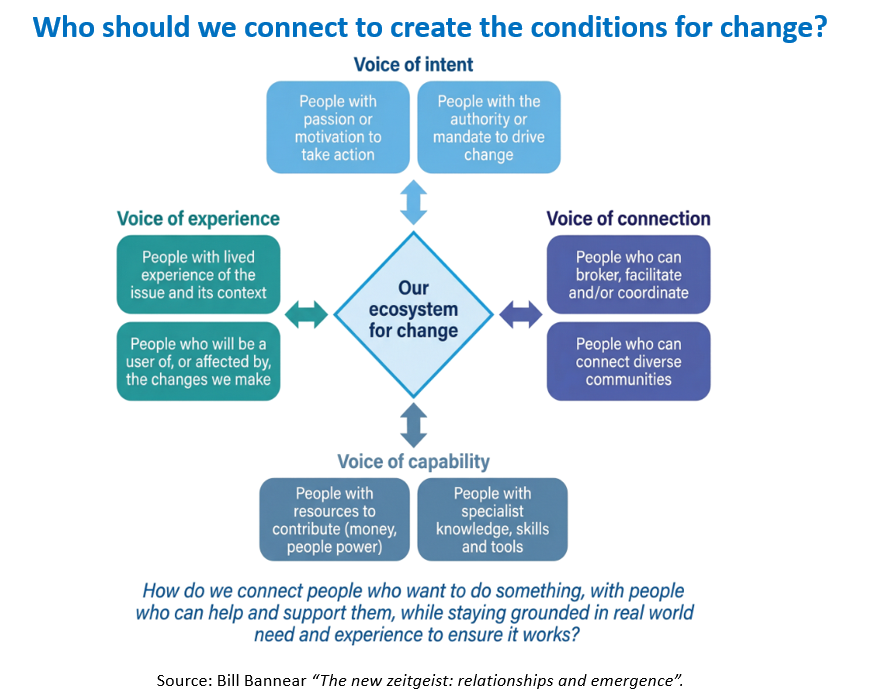
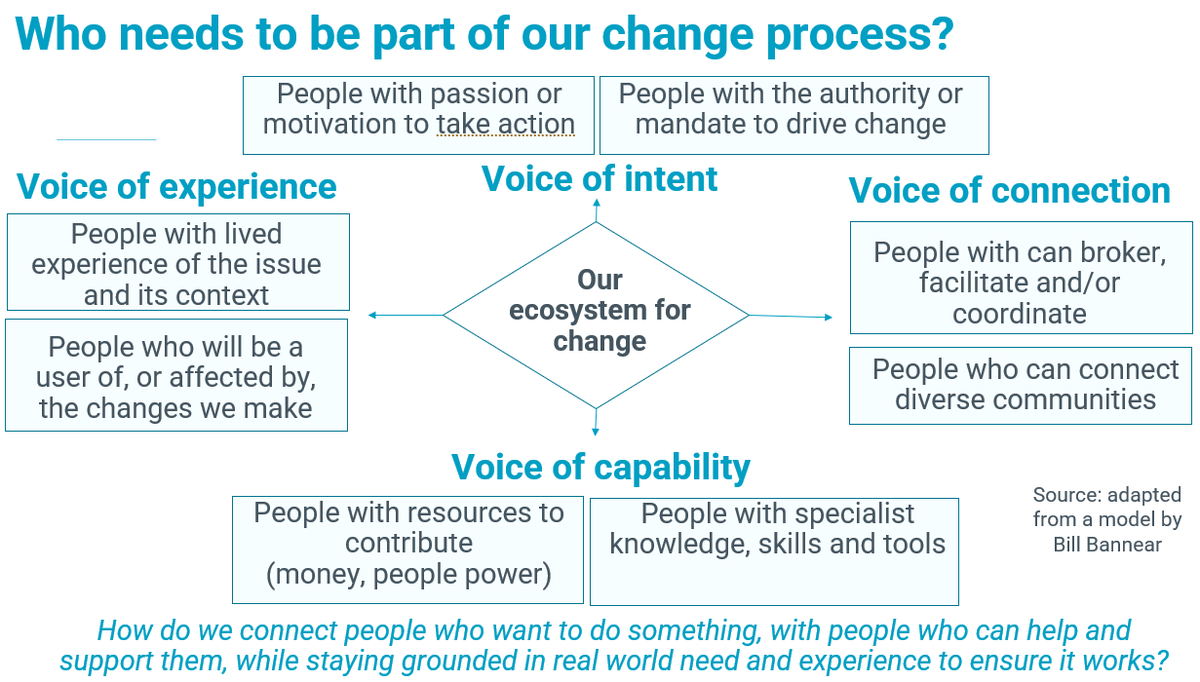
A tool I use it often in my own change practice (& share with others) is the “voices” model by Bill Bannear. It helps us reorient the work of change from designing the right plan to cultivating the right conditions: https://t.co/CL8n05oUZY
@CormacRussell@public_world@BrendanFMartin Get it into the mix before the NHS 10-year plan is finalised...
£22bn is the cost of the UK's budget 'black hole'! I know the point isn't savings, but people just don't realise effective, relational service can be cheaper! (The waste + failure demand currently is huge).
We’re excited to launch our podcast series, highlighting the impact of narrative feedback in healthcare. Our first episode featuring, Dr. Audrey Koay, Katrina Jones, and Kasey Biggar we explore how patient stories enhance transparency, accountability, and trust in maternity care.
“We must be bold & brave in the face of the health challenges. A focus on increasing prevention continues to gain traction, it is vital we look to shape these opportunities, particularly in reforming & modernising public services.” @PaulJ_PHS#NHS2048 - https://t.co/N1oz8Zw6uP
📢🆕We've produced a ‘Data Informed Approach How – To Guide’ sharing our experience of capturing local qualitative data, taking a community & people led approach to understanding the issues relating to place within each of our Project Towns 🏘️👥
(1/2) ⬇️
One of the most impactful new change models of 2023 comes from Bill Bannear of @ThinkPlace. We create value & make breakthroughs in our systems through the strength, number & quality of relationships. In complex change, we cannot design the model or predict the outcomes in advance. But if we build these relationships, we create the conditions for impactful new solutions to emerge & be implemented: https://t.co/CL8n05oUZY
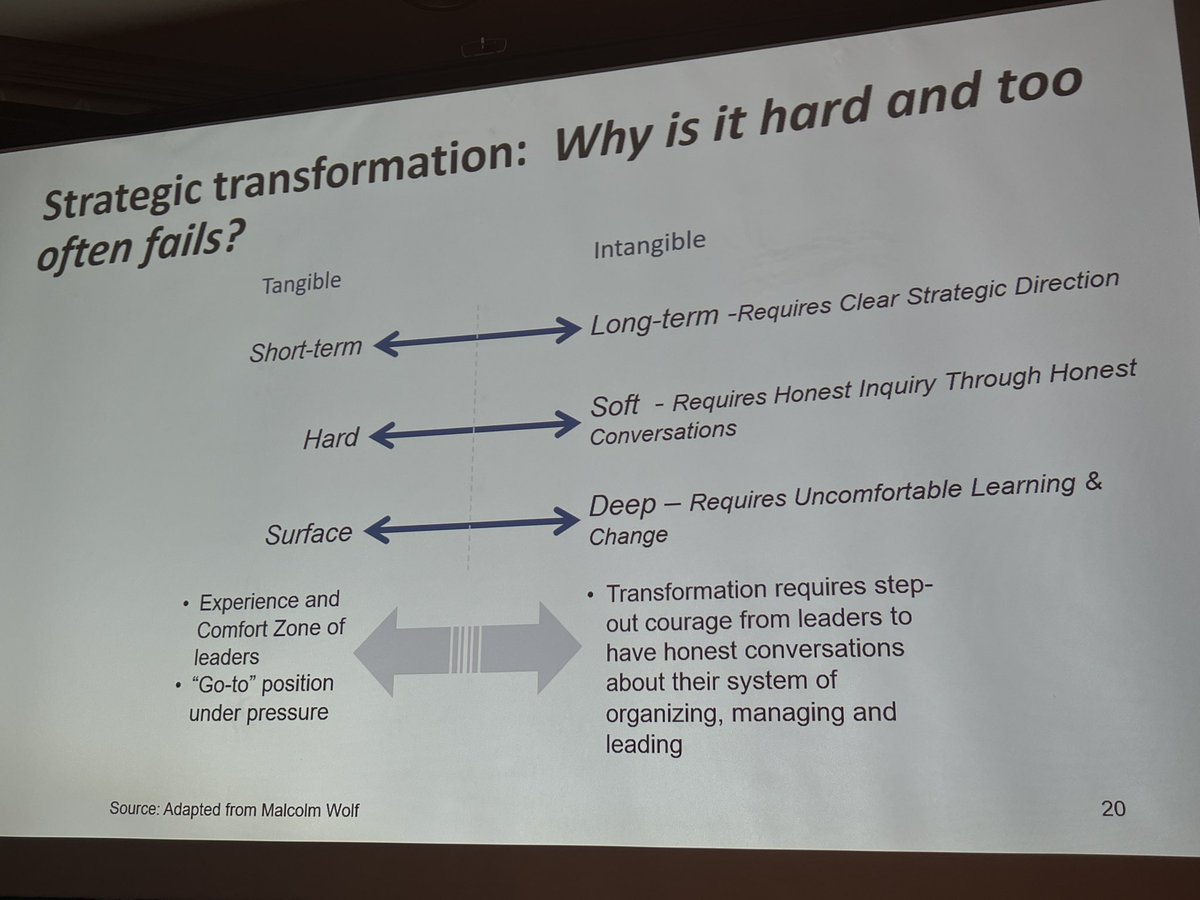
I’m listening to Michael Beer of @HarvardHBS talking about creating the conditions for transformational change. He says that a key reason why transformational change fails is because leaders focus on short-term issues and a “go to” position under pressure, rather than long-term reflections and honest conversations. Here’s a summary of Michael Beer’s recent thinking and links to his wider work: https://t.co/CLSJc0rdFs #AOM2023
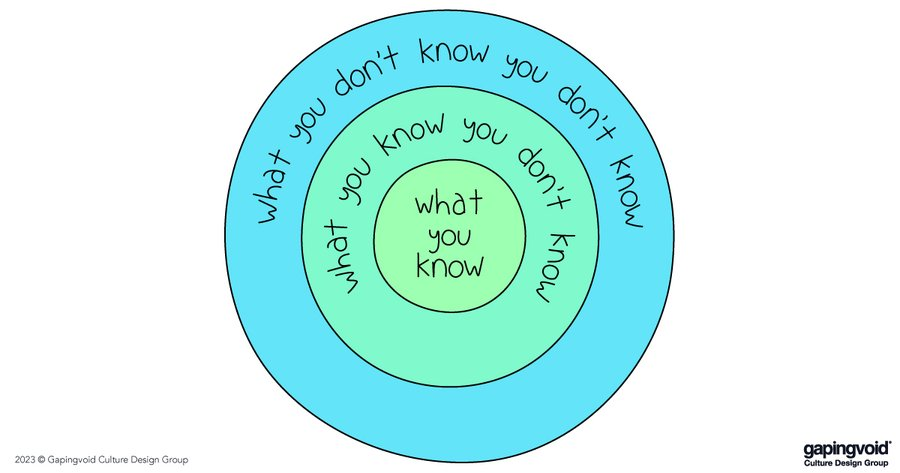
Many people in the improvement world are passionate advocates of one approach/model, eg Lean, Agile, 6 Sigma, Prince 2. They have deep knowledge & expertise but can get so locked into their one perspective that they can't see anything beyond it. Solutions to most complex problems lie at the intersection of different approaches. To see these solutions, we need to break through intellectual silos, and blur the boundaries between different approaches: https://t.co/jMCHigxtzR By @gapingvoid
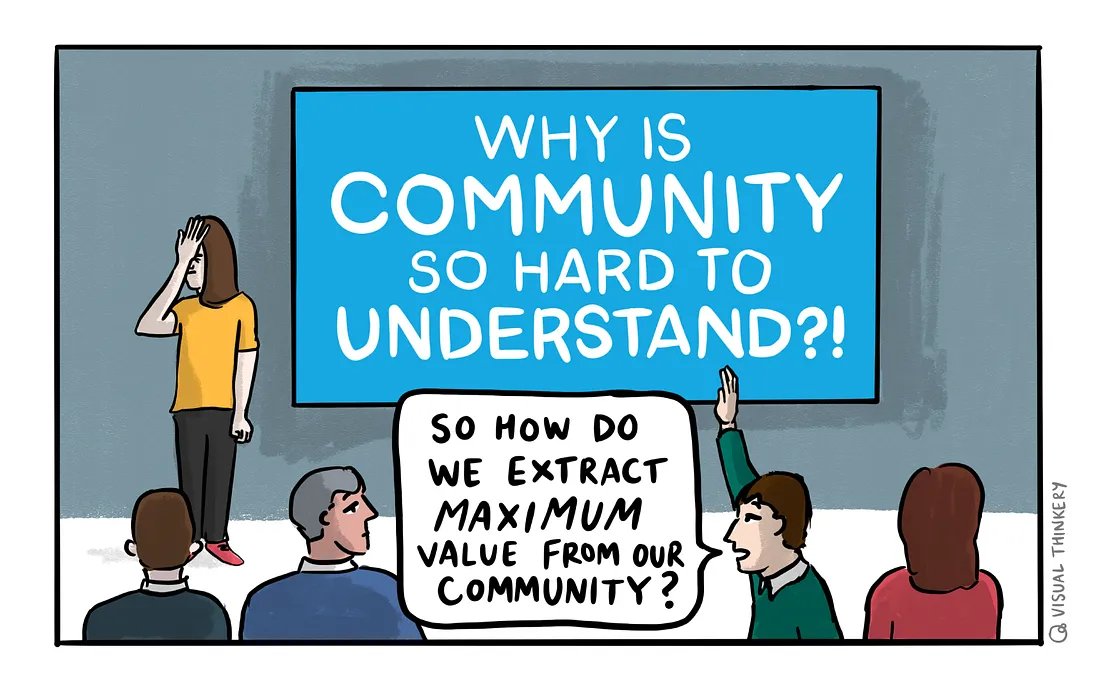
Building an online community (for learning, improvement, action &/or practice) is different to just transacting with or "engaging" people. The most successful communities are built on trusting relationships, shared purpose & collaboration which need time & intention: https://t.co/YpwjnY2kwo By @epilepticrabbit. Graphic: @visualthinkery
@P_G_Anderson You're the first priest I've paid much attention to since I declared myself an atheist to my Mum, on Mothering Sunday. Keep the missives coming: always enjoyable.
@hekermum@online_his A very interesting listen - would be great to catch up sometime as all very relevant to work I'm supporting. Have had some good chats with Des and Chris about this already.
@James_Reid You've got aggressive ones, I walked past one the other day and it just flashed lights at me. I did a wee disco dance for the camera and left.