Other drivers: “exchange rates, oil prices, other commodity prices, slack in major economies (not just at home) and international pricing competition”. It is time to shed some myths created by Milton Friedman like the one that says “Inflation is always a monetary phenomenon”. 2/n
PC theory of inflation is dead.
"That’s important because higher wage growth is, in the traditional theory, the mechanism by which a tight labor market fuels overall inflation."
Interest Rates Just Keep Falling. Economic Orthodoxy Is Falling With Them. https://t.co/lYhi4q5eUZ
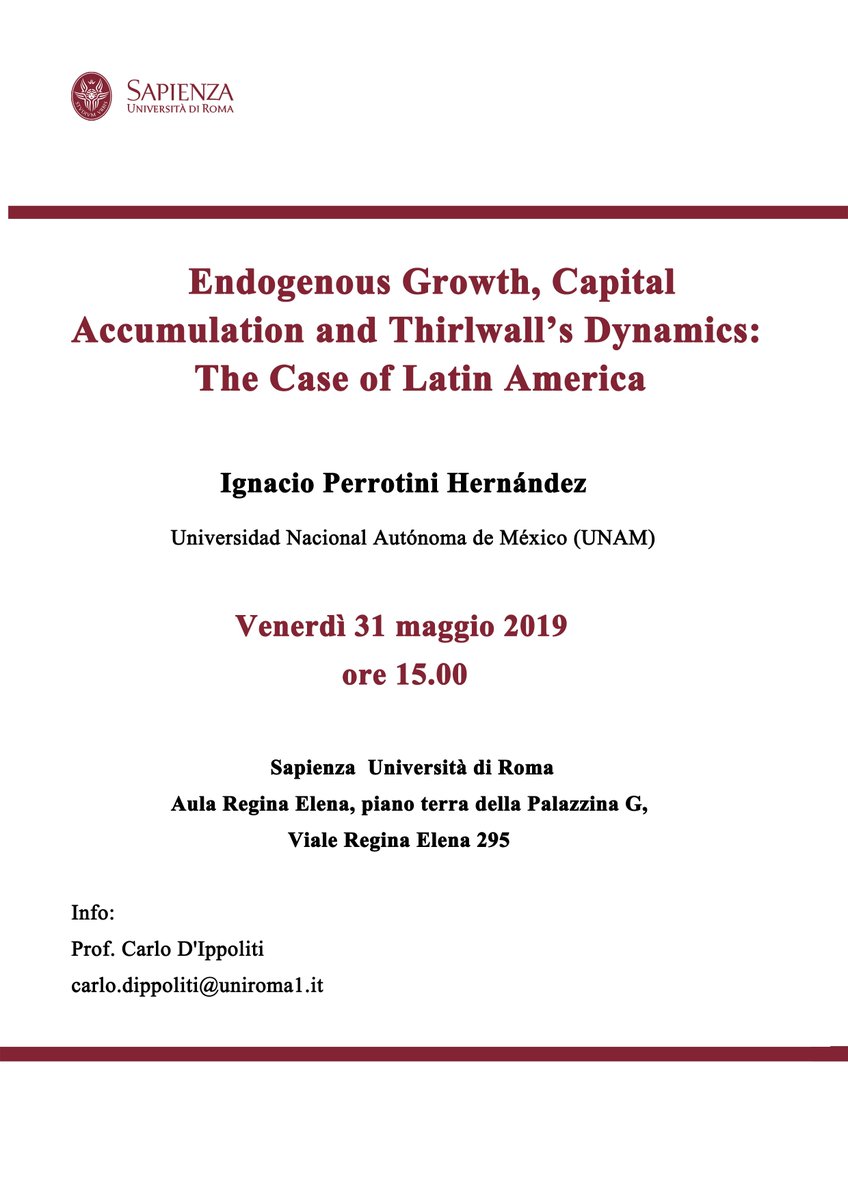
Venerdì prossimo, 31 maggio, seminario di Ignacio Perrotini (editor di Investigación Económica) alla @SapienzaRoma alle 15. Contando anche la presentazione del libro di @gbracci_des e Emiliano Brancaccio alle 17.30 (presso la libreria Koob), sarà un pomeriggio pieno
sarebbe interessante capire perché il successo dell'aggiustamento ortodosso sia stato possibile solo in condizioni di un aumento, a volte molto rilevante, del debito privato.
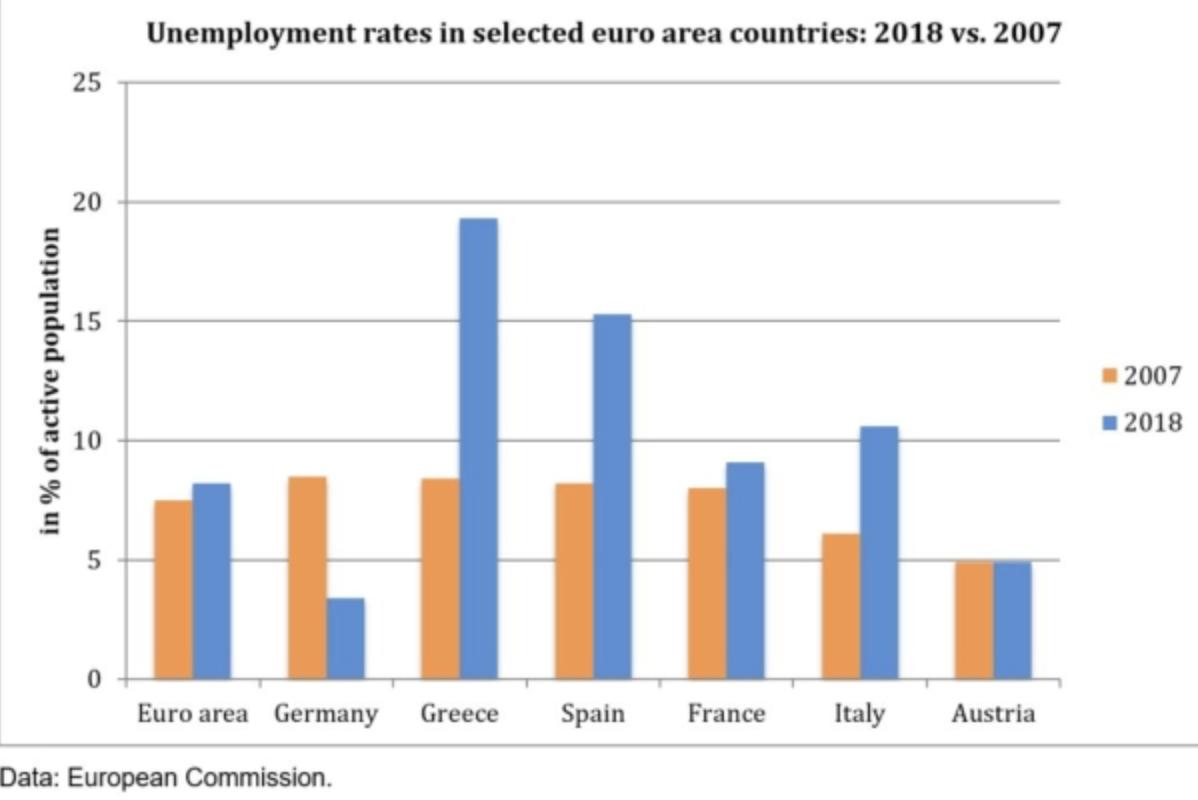
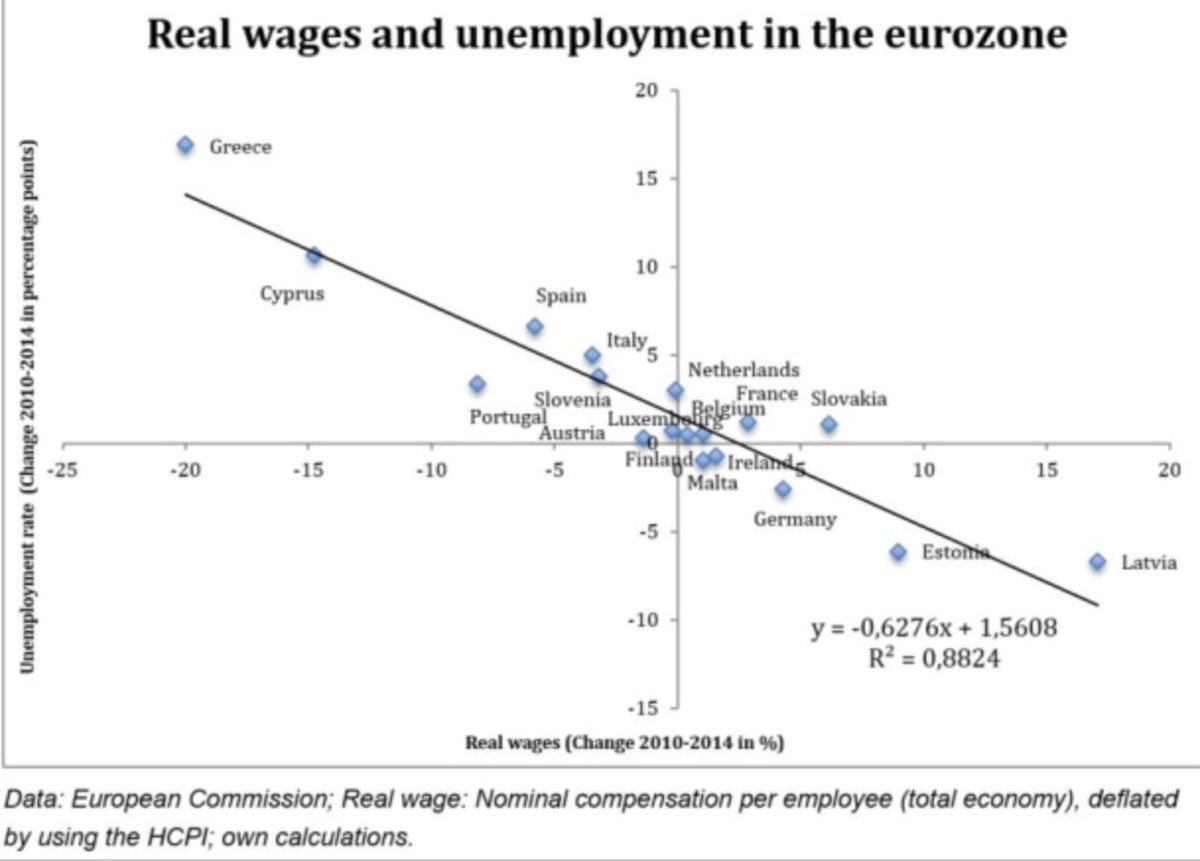
What could be done to reduce unemployment in several European countries? I argue that stable labour market institutions, public investment programs and active labour market policies would be essential
https://t.co/bHKRWH26Wb
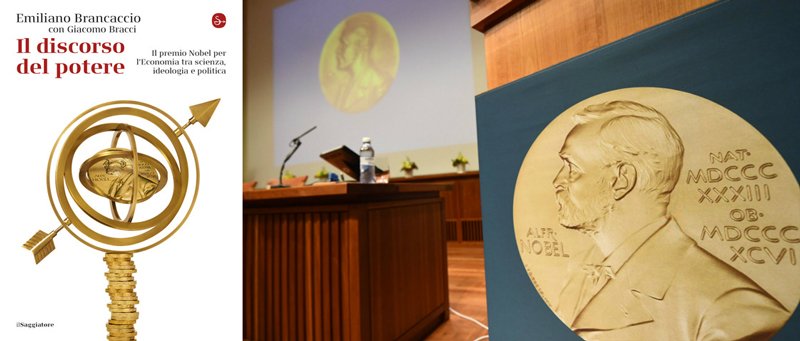
E se abolissimo il #Nobel per l’Economia? - Un libro di Emiliano Brancaccio e Giacomo Bracci punta il dito contro il premio, quasi sempre assegnato ad economisti mainstream: https://t.co/apCTkPGz6c #economia#9maggio#libri#scienza
Excellent @socialeurope article by @adam_tooze on the problematic policy implications of flawed output gap estimates
As we have done a lot of research on this issue in the European context, let me just complement Adam's arguments with a short thread
https://t.co/pvHgjGWy8M
@PhilippaSigl Interesting Godley article. Thanks for sharing. He points to the crucial absence of the economic pillar in EMU. As I put it 2days ago: no policy “that treats the single monetary territory as a single economic space that requires an adequate macro policy mix”
"Europa a un bivio:fine o rinascita?"
Ecco la due giorni, 10/11 maggio, per discutere del futuro dell'Unione Europea.
4 panel, 22 relatori, una sola chiave di lettura: quale sarà il destino del nostro continente?
@aledinola@Keynesblog L'argomento non contraddice gli esempi che hai citato, ma per come l'ho spesso espresso è un po' più generale :) https://t.co/AGqfxWj7E9
"Se fossi stato consultato sull’opportunità di istituire un premio Nobel per l’economia, avrei decisamente consigliato di non farlo" (Hayek). Con "Il discorso del potere" spieghiamo perché l'idea è giusta, ma non necessariamente per le stesse ragioni.
https://t.co/5NCc4h8q4j
1/ Interesting post by @Undercoverhist on large macro models of the 60ies echoing recent comments by @sjwrenlewis@VMRConstancio@ojblanchard1. Even though it is not well known in the academia, these so-called "semi-structural" old-fashioned models are still widely used in...
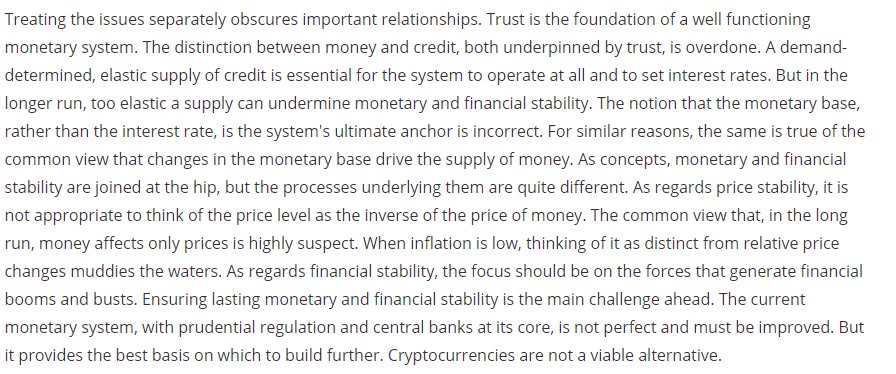
Claudio Borio (BIS) dismisses common misconceptions on the relationship between the monetary base and the money supply and questions the long-run classical dichotomy
https://t.co/xiLGDwIhuT
Industrial output in November:
France -1.3% MoM
Germany -1.9% MoM
Italy -1.6% MoM
Spain -1.5% MoM
Hot take: next week's euro area IP report will be horrible.
Brilliant indeed, also implying that in this protracted low rate environment with excess planed savings for demographic reasons for years to come, the old EU debt/GDP ratio of 60%, defined in 1993, is no longer sensible and should be rediscussed (at least) among economists