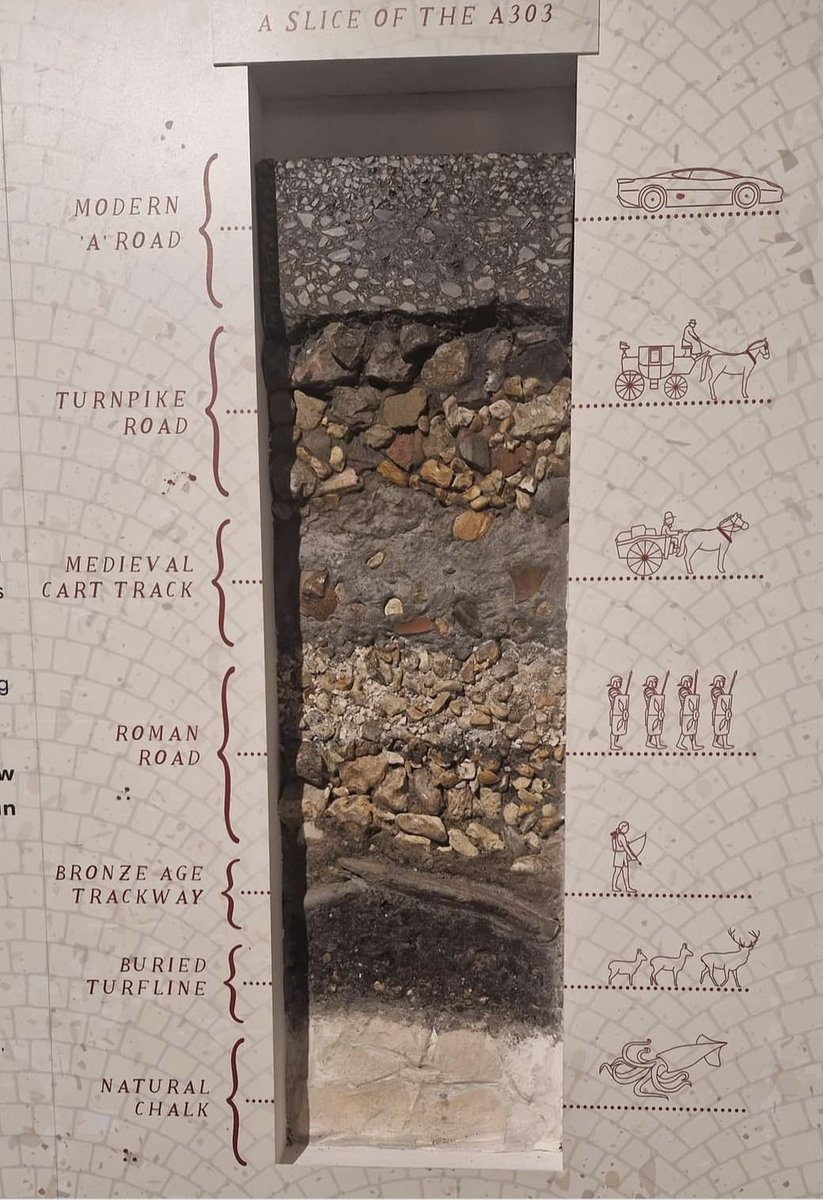
Fascinating to meet @guidltours team @ChalkeFestival last weekend and hear about their plans to bring history tours to a smartphone near you Could see plenty of potential for #geologists here!
(Yes, the youngest member of the team was trying to hibernate while we nattered!) 😴
The gravel stage of the Tour leads the riders through the limestone country of Champagne. This was 150 million years ago a deep sea...why was the sea level so high back then, and what would it take to get it back up to get Champagne-sur-Mer? @marjieparj explains 👇!
@UniUtrecht@UUGeo@UUEarthSciences@knag
Here’s one of my favorite photos I’ve ever captured: the moment the international space station transited the lunar terminator, captured in broad daylight using a 14” scope.
These shots require precise planning and a bit of luck to pull off, and I still can’t believe it’s real!
Edinburgh is often called one of the world's most beautiful cities, but what makes it so special?
Well, Edinburgh is built around an extinct volcano, and so it's a perfect example of how interesting geography leads to interesting architecture...
@HurricaneR4118 Saw you pass over while on Utah Beach. A sight and sound that slowed time right down. With the setting sun, the tracks of D-Day vehicles across the sand, a perfect moment.
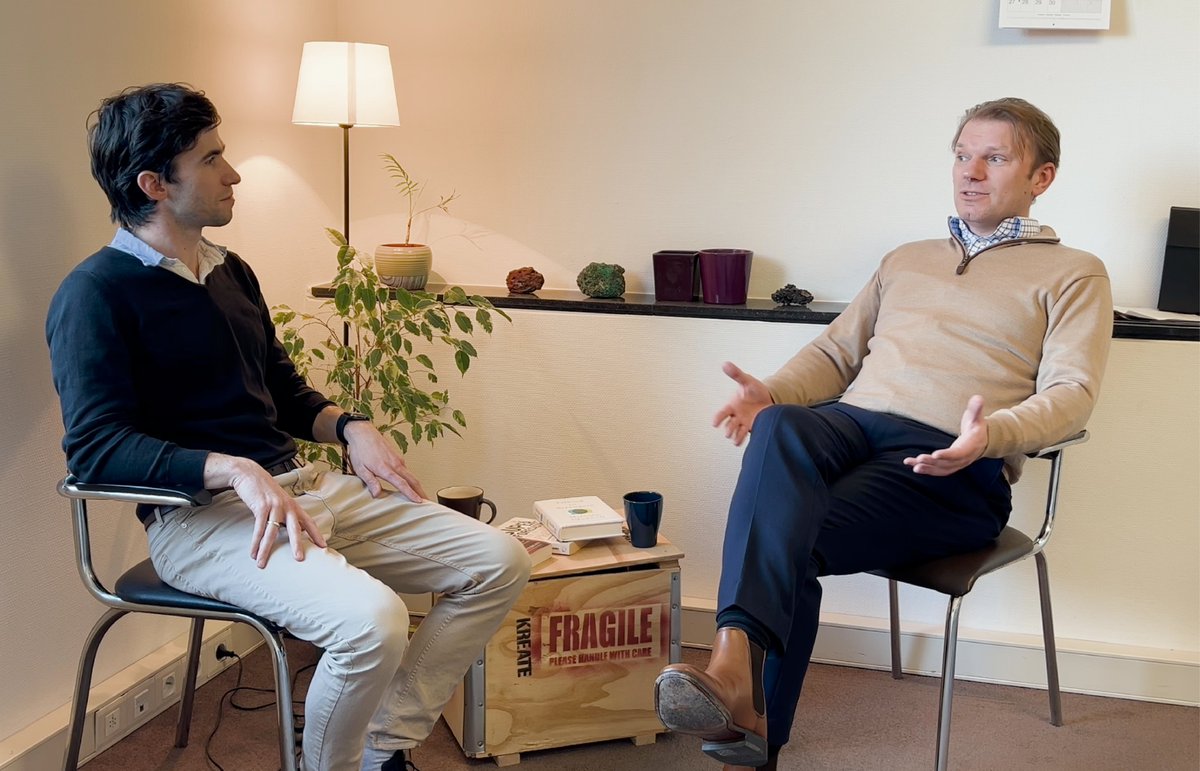
EFG Executive Director @gburridge and Project Officer @miktamas had a casual conversation about the impact of Artificial Intelligence (#AI) on geologists' work.
📽️ Watch this video and learn about their reflections on AI: https://t.co/qZZqRe3EKt
#EFGAcademy#Geoscience
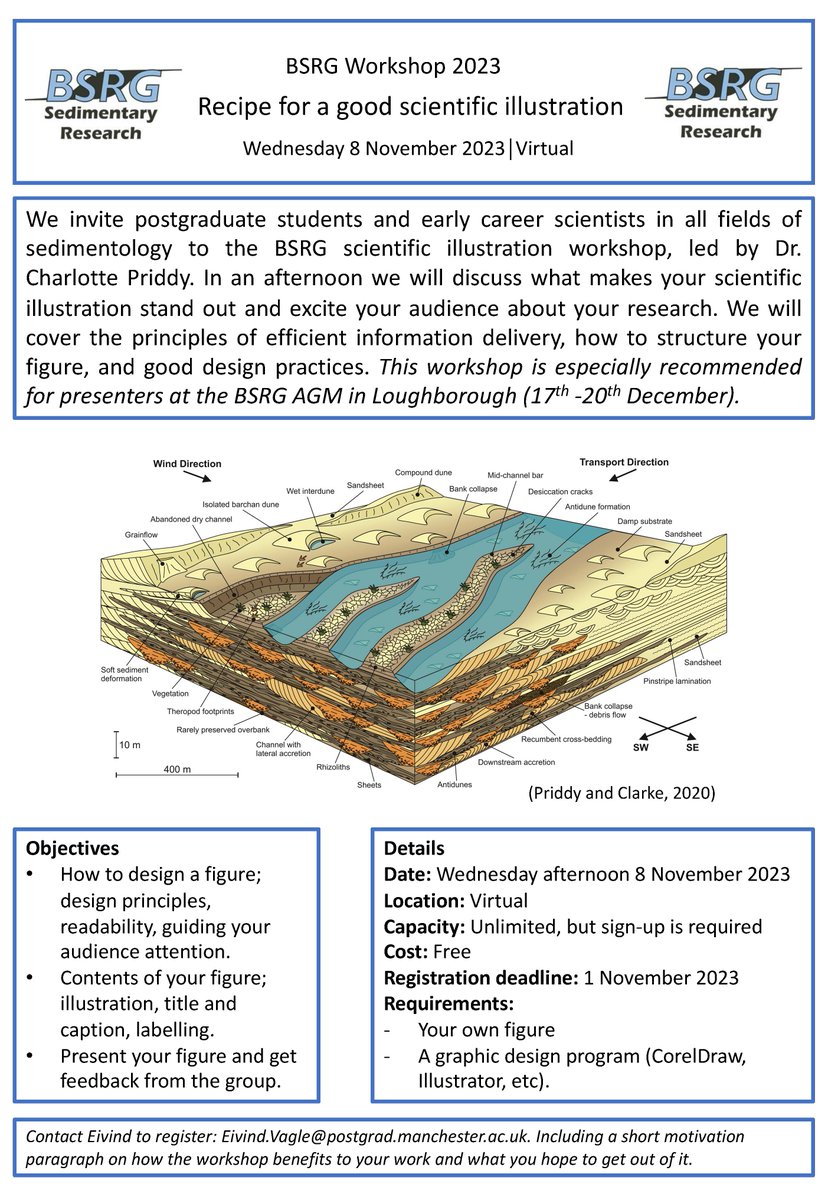
Unsure about how to make a good scientific figure? 🧐
Join us for our virtual workshop 'Recipe for a good scientific illustration' led by Dr. Charlotte Priddy 🙌
Contact Eivind Vagle ([email protected]) to sign up or for more information 📧
J-J Lancement des #GEODAYS
M. @bayrou souligne que nous sommes ensemble dans la transition énergétique, et nous sommes en train de "passer d’une époque où le sous-sol apparaissait comme l’histoire d’autrefois à un moment où le sous-sol va apparaître comme une histoire de demain"
Read the article ‘The place of #NaturalHydrogen in the #EnergyTransition: A position paper’ published in issue 55 of the #EuropeanGeologist journal and learn more about this clean and low-carbon source of #hydrogen that is produced by the Earth: https://t.co/8LVibPIMN8
12 Reasons Why Cities Need More Trees:
1. Temperature Control
One large tree is equivalent to 10 air conditioning units, and the shade they provide can reduce street temperature by more than 30%.
2. Noise Reduction
Trees can reduce loudness by up to 50%. In urban areas filled with the sound of cars, construction, sirens, aeroplanes, and music, trees are essentially the best way to block noise and keep cities — along with the homes and workplaces in them — quieter.
3. Air Purity
Trees remove an astonishing amount of harmful pollutants and toxins from the air. In urban areas air quality is often disastrously bad — with severe consequences for our health. Trees make the air we breathe much cleaner.
4. Oxygen
And, while absorbing all those pollutants, trees also put more oxygen back into the urban environment. Oxygen levels are significantly lower in cities compared to the countryside; trees help to solve that problem.
5. Water Management
Trees do more than just shelter us and our buildings from rain — which is, in fact, extremely important. They also absorb huge quantities of water, reduce run-off, neutralise the severity of flooding, and make flooding more unlikely altogether. Not to forget that their roots absorb pollutants and prevent them from feeding back into a city's water supply.
6. Psychological Health
Studies have proven what we instinctively know to be true: that human beings are significantly happier when surrounded by nature rather than sterile urban environments. Our emotions, behaviour, and thoughts are shaped by the places we spend time — and trees have a profoundly positive effect on our psychology. The consequential benefits of being happier and more peaceful — as individuals and as a society — are immense.
7. Physical Health
Beyond all the other ways in which trees improve air quality and the urban environment, much to the benefit of our health, they also encourage people to go outside. Cycling, running, and walking are all more common in urban areas with plenty of trees. A knock-on effect of people spending more time outdoors is also social integration and stronger communities.
8. Privacy
A simple point, but not inconsequential, is that trees provide privacy.
9. Economics
The total economic benefit of urban trees is hard to calculate. There are costs, of course, including the repair of infrastructure damaged by roots and maintaining the trees themselves. But the total economic benefit — a consequence of everything else in this list and more — far outweighs the expenditure. Trees make cities wealthier.
10. Wildlife
Trees are miniature cities all of their own, serving as a habitat for hundreds of different species, including birds and mammals and insects.
11. Light Pollution
Trees don't only block the light shining down, therefore keeping us and our cities cooler — they also disrupt light shining up, from street lighting, cars, houses, and billboards. Skies are clearer in cities with more trees.
12. Aesthetics
And, finally, trees are beautiful. They break up the potential monotony of urban environments — the sharp geometry, the greyscale roads and buildings, the endless rows of cars — with their trunks, boughs, canopies, and flowers.
Just think: the gold and red of falling leaves in autumn, the white and pink blossom of spring, the vast green canopies of summer, and the branches lined with hoar-frost in winter. Every single tree is a myriad of intricacy and texture, of colour and scent, of dappled light on the pavement, mottled bark, knotted roots, of clustered leaves and delicate petals and stern boughs.
Few streets would not be improved by the kaleidoscopic aesthetic delights of a tree, not to mention the many different species of tree, all over the world, whether willow, oak, lime, cherry, aspen, maple, birch, horse chestnut, dogwood, hornbeam, ash, sycamore... the list goes on.
There are some drawbacks to urban trees, most of them context-specific, and they are not — of course — universally appropriate. But it seems fair to say that many cities would benefit from at least a few more trees here and there.
British diplomat Sir Peter Marshall died in June this year. He finished his Foreign Office career as UK Permanent Representative in Geneva (1979-83) before becoming Deputy SG of the Commonwealth (1983-88).
Here are his ten precepts of diplomacy. 🧵
🚨New Elgar Handbook on EU Climate Change Policy and Politics now available Open Access, examining key actors & dynamics driving policy, topics of growing significance including finance & investment, ‘hard to abate’ sectors, negative emissions, trade, etc https://t.co/XvaYAd8TU9