Librarian and occasional researcher. Opinions of course my own. Scholarly communications, historic MPs, Wikipedia, inter alia other things. Misplaced Scot.
Anyway, I guess it is good for us to take a step back from the big platforms when we can, sometimes. So I'm going to try leaning a bit more heavily on using mastodon for a while. Let's see how it works out.
@parlconst Interesting! I guess then if we go back pre-1885, this one just takes the crown - it will have been Glasgow pre 1885 and either Glasgow/Clyde Burghs or Lanarkshire before that, while the Ealing one would always have been Middlesex?
While previous histories of the 1832 reform legislation have focused on WHO got the vote, Mapping the State instead focuses on WHERE people got it.
Read this new #OpenAccess book, published with @RoyalHistSoc and @ihr_history for free from our website:
https://t.co/lXCEVdlvdC
50 years ago today I joined the Diplomatic Service. On the first day we were given this booklet, which turned out to be rather alarming for someone whose experience of abroad was mainly backpacking. By para 2 of the Introduction it was clear that there were pitfalls everywhere! 1
before Wikipedia abolished spoiler-warnings, we had them on, in no particular order:
a) The Three Little Pigs
b) The Diary of Samuel Pepys
c) Hamlet
d) The Passion of the Christ (yes, the film)
apparently i’m a literature snob bc i don’t believe spoiler warnings are necessary when talking about 177y/o classic novels… what’s next? spoiler warnings for bible references??
Really interesting from an information literacy perspective: people trust the same information more when it's "conversational" than when it's just straight written text.
Study participants perceived the same text as *less* credible when presented as a Wikipedia article than when encountering it as simulated ChatGPT or Alexa output
@VictorianLondon For UoL you'll still need to register in advance but it should be straightforward (he said, optimistically...). https://t.co/CbZ5G5uvs0
@VictorianLondon I tested just now and could get to State Papers without being prompted for an ID, whereas one of the ones on the list blocked me, so sounds like it's working as expected. Details of system - https://t.co/VqnzrVVySX
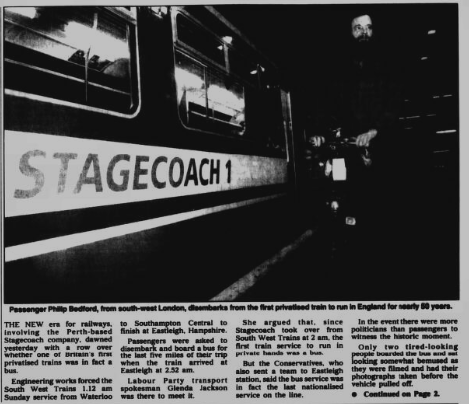
By my calculations, if they don’t change the timetables or throw in the towel first, Britain’s last privatised* train will be the 23:09 Birmingham New Street - Nottingham on 15 October 2027.
Stick the date in your diary and join me for a M&S tinned whisky sour onboard.
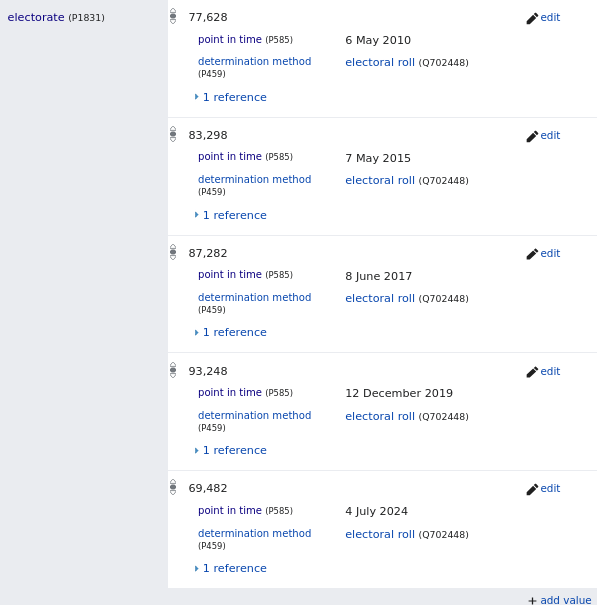
@Tagishsimon@heald_j Running an import now for 2010-19 electorate data (turns out those GSS IDs are very helpful for matching), will add 2024 when available
We have election data! Full datasets with constituency and candidate-level vote shares, electorates, etc are now attached to our @commonslibrary briefing: https://t.co/15ciBhDcAF
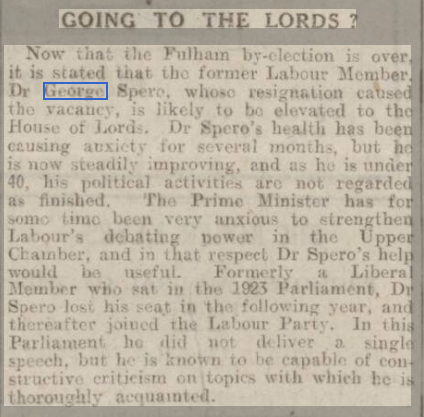
gone back and looked at some of the contemporary news stories and absolutely loving this one: by the time the Edinburgh Evening News published this well-informed report (May 1930) he had in fact fled the country and was living in New York.
five years back I spent some time digging into the career of George Spero, MP for Stoke Newington 1923-24, Fulham West 1929-30, and then ... disappeared.
the internet is very small, & I just had a comment from his great-nephew confirming the deductions! https://t.co/Kmzr0zPQhi
the idea that a sitting MP could just skip the country, move his family to America under a not very subtle assumed name, send a letter to say he'd resigned, and then ignore the London bankruptcy courts... you'd think *some* newspaper would have tried to follow it up, even then.
🧵Some thoughts on the 'most non-religious parliament' having watched all 600+ swearing-ins...
- overall 40% affirmed, 60% swore an oath. Lab & LD split almost exactly along these lines, but only 9% of Tory MPs affirmed, suggesting it's about tradition as much as religiosity.