It’s my pleasure to share that our latest manuscript is out now in Nature Biotechnology. This has been an incredibly exciting project! We describe BreakTag, an NGS-based tool for the rapid characterization of CRISPR nucleases and off-target activity. https://t.co/wJBx0OfDfw
Today in @Nature we introduce INSTALL, which bypasses mammalian DNA immune sensing to enable non-viral DNA integration with recombinases—a step toward safe, scalable, and mutation-agnostic genome editing. 🧬 🧵(1/13)
https://t.co/G8nLL4Wh5T
@BKleinstiver@CGM_MGH@MassGeneralNews@harvardmed
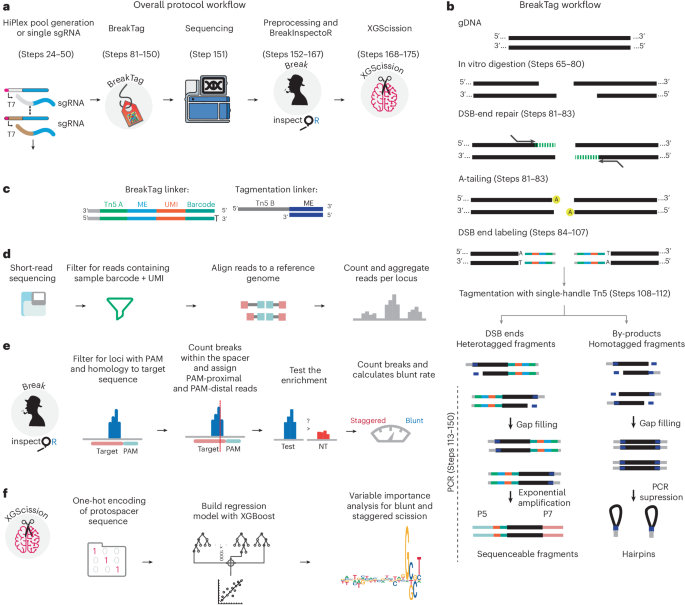
Today we report in Nature Protocols a comprehensive protocol on BreakTag, our suite of tools for the characterization of CRISPR nucleases across multiple dimensions: activity, specificity, PAM usage and scission profile. +
https://t.co/QQjaDqlJVC
.@SecKennedy - thank you so much for your broad support for gene editing and gene therapies as well as recognizing the importance of Baby KJ’s story and the potential that CRISPR base editing therapies hold for patients with severe genetic diseases. I’m thrilled you have publicly recognized the Herculean efforts that made KJs therapy possible, from the physicians @CHOP like @kiranmusunuru and Rebecca Ahrens-Nicklas to the technological innovation in @davidrliu and @BKleinstiver labs, and especially the coordination and cooperation of the regulators @US_FDA that made this possible.
The gene editing medicine KJ received, a CRISPR adenine base editor was invented and developed in @davidrliu lab @Harvard with government grants from the NIH. This life-saving medicine, and so many future technologies, could not and will not be possible without government grants such as the one that supported this work, but are now shut off by this administration.
So PLEASE ask this administration to stop attacking our academic institutions and restore government funding to @Harvard (where again, KJ’s medicine was created!!) We cannot have stories like KJ’s without full and unwavering support from the US government.
Please help, please.
Really nice characterization of Cas9 DSBs in human gDNA, with thorough off-target profiling and modeling of DSB outcomes for different guides. From @genomewizard@VassilisRozanas
The genome-wide landscape of Cas-induced double-strand breaks and end structures is profiled at nucleotide resolution https://t.co/bc2LSBAeYJ
https://t.co/yvg4fbdt2G
A scientist who successfully treated her own breast cancer by injecting the tumour with lab-grown viruses has sparked discussion about the ethics of self-experimentation https://t.co/wnjBX1zWjH
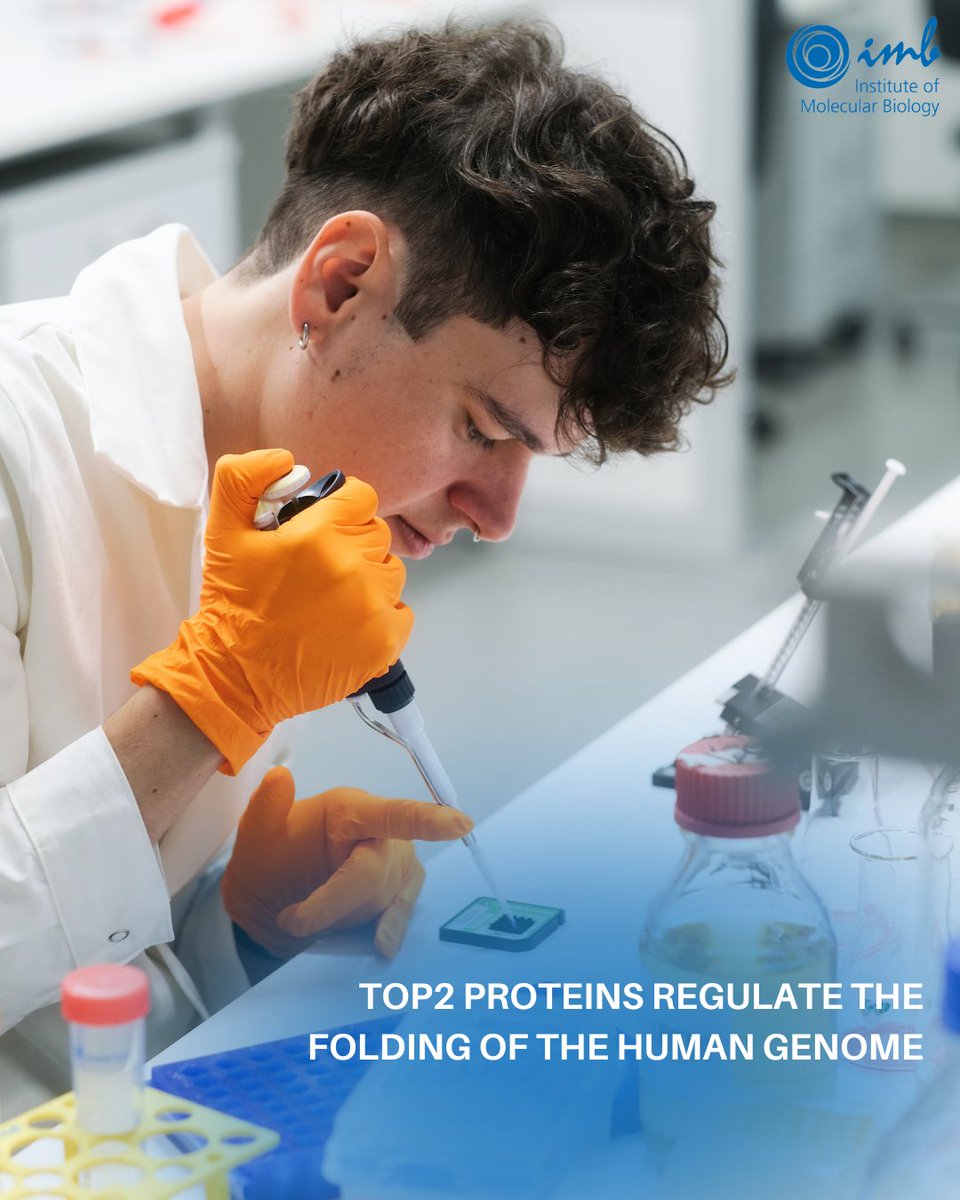
Our Roukos lab discovered that cells use type II topoisomerases to regulate the 3D folding of DNA. This is important for controlling gene expression & may also be important for preventing DNA from becoming overtwisted & breaking. Findings published in Molecular Cell @cellpress.