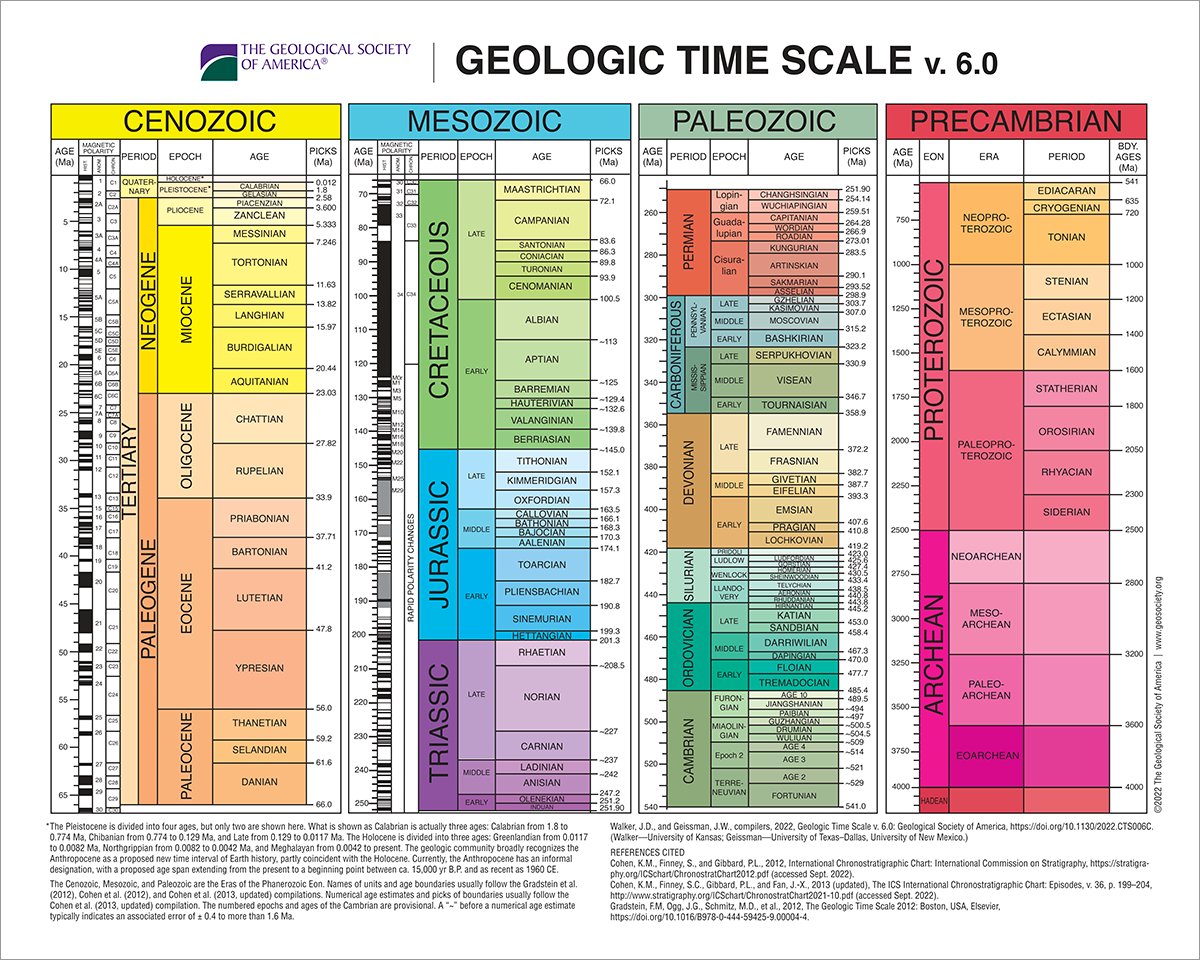
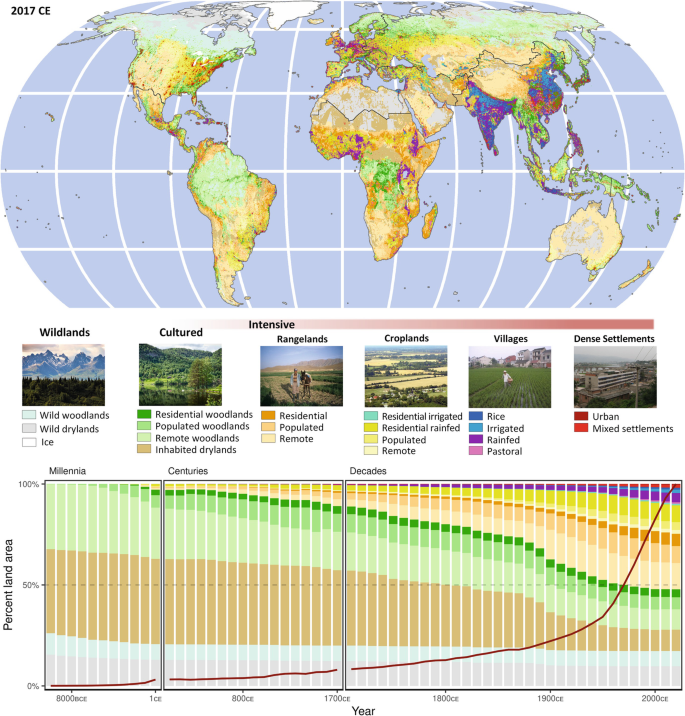
Your GSA time scale sticker is still current! 12 members of the international Subcommission on Quaternary Stratigraphy (SQS) recently voted against a proposal to designate the #Anthropocene in geologic time. Read more here: https://t.co/ojswksUjOR
#GeologicTimeScale@GSAgeochron
Have you read the report "Peatlands across Europe: innovation and inspiration" by @baxcompany? In this booklet, you can find techniques, solutions and policy recommendations for peatlands restoration
https://t.co/Q5V3Uss1at
I’ve got a new article out this week with the inimitable @bestqualitycrab on the role of consultants in universities … “Nousferatu: are corporate consultants extracting the lifeblood from universities?” https://t.co/N7lu6tQpgx
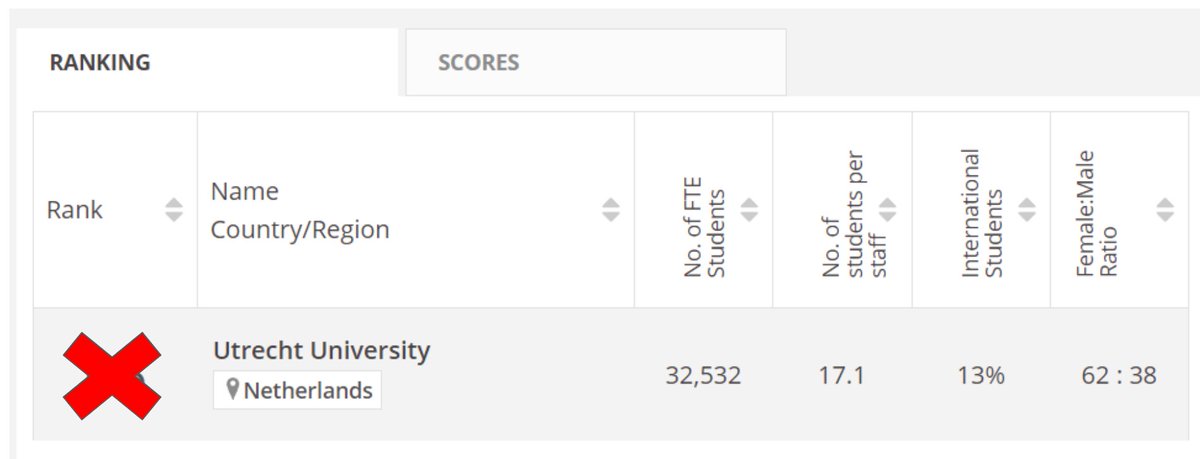
Utrecht University @UniUtrecht in the Netherlands has withdrawn itself from the World University ranking @THEworldunirank provided by @timeshighered. As this has generated quite some reactions - praise, questions, some doubts, I want to provide some context. Hence a thread 🧵1/16
Atmospheric Memory at Powerhouse Museum is amazing. I participated in the research symposium as part of science week. Great event by the MAAS Powerhouse team.
Visit Hawkesbury Central Library on Friday 18 August at 6pm to find out from School of Science Dr Hayley Green whether crime novels and TV shows feature accurate forensic investigation procedures. Book your free spot here - https://t.co/rviYZxNo6B #ScienceWeek🩸
Did you know that #PFAS, a group of hazardous chemicals, are lurking in #soil, #water, #food, and our bodies? #SoilHealth
Recent findings have exposed the alarming extent of the problem.
Still on time to join the INSAS meeting & learn more 👉🏿 https://t.co/Ry5yh9BUVI
“Skyrocket your profile. Bring in sizable funding. Achieve international recognition.”
- this is how the scope of a Tenure Track is typically described.
It means as a TT professor, you must focus on your personal “research brand” and build your small enterprise.
For example, at top US universities, your tenure case is largely decided by the recommendation letters that international experts write about your TT achievements.
And these letters must be stellar. “Why should we give you a tenure if you're not a raising superstar? We don’t want to drop in ranking.”
So, say you've got a TT position, what’s next?
1. You must build your lab from scratch. Install infrastructure, hire people, and get it all to work WELL. If you need complex instruments, it may take 2-3 years. Mentorship takes a lot of time too, but without it you won’t get the quality of #research you need.
2. You must get funding. Applying for grants takes tons of time and rejections make you feel miserable. If you’re lucky, you have a mentor to advise you. If not, years of rejections will teach you how to be successful at funding. It brings a LOT of anxiety along the way!
3. You should publish. Sounds easy but when you’re a PI and have no advisor to tell you when your work is ready for publishing, you quickly realize that balancing quality vs quantity is challenging. You must publish a fair number of papers (to get that recognition) but not if the quality is compromised. If you publish too early, you risk reputation. If you publish too late, you risk not to get that “extent of impact”.
4. You should do “community service”. This includes organizing conferences, be in committees, doing peer reviewing, outreach activities, etc. They quickly become overwhelming and exhausting.
5. You must do teaching. Often, you make a course from scratch. This can take tons of time if you’re trying to be a good teacher. Classes also occupy time in your schedule.
6. Your department asks you to organize events, sit in hiring committees, develop new programs, etc. Such duties are hard to decline.
7. There are many other things you have to squeeze in, like finding the right collaborations (bad ones can take your research off road), giving lots of conference talks and seminars, etc.
It takes 10-15 hours a day. This is my estimate based on conversations.
Why all of this is required? It’s driven by two main reasons:
- Funding is too hard to get (low success rates for young profs), so you must stand out.
- Departments compete for ranking, so they want you to become stellar.
It all leads to “Yes, I love doing #science. But what I do is hardly science and takes 90% of my life”.
My message is:
Overly competitive TT makes the lives of everyone miserable. Students, postdocs, faculties.
Departments should lessen TT requirements. Excessive competition, ranking and quantities is not why we go into science. We're not here to do business.
Tenure is essential for academia. But fierce competition is not.
#AcademicTwitter
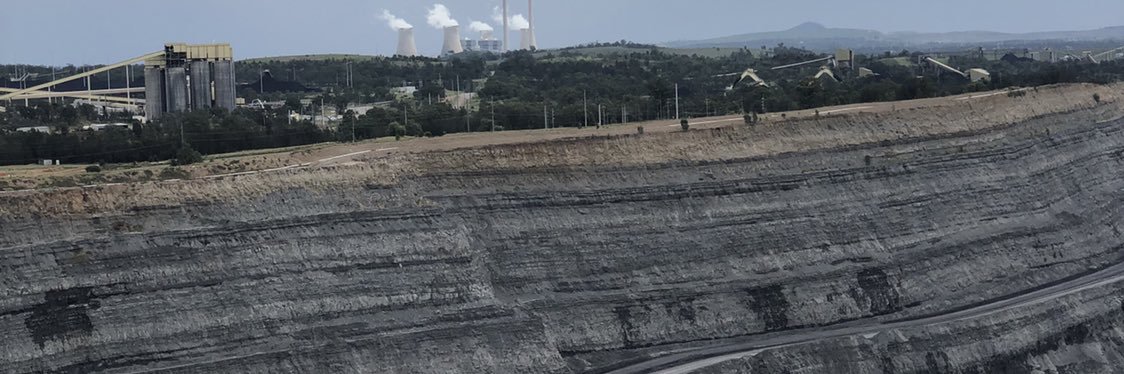
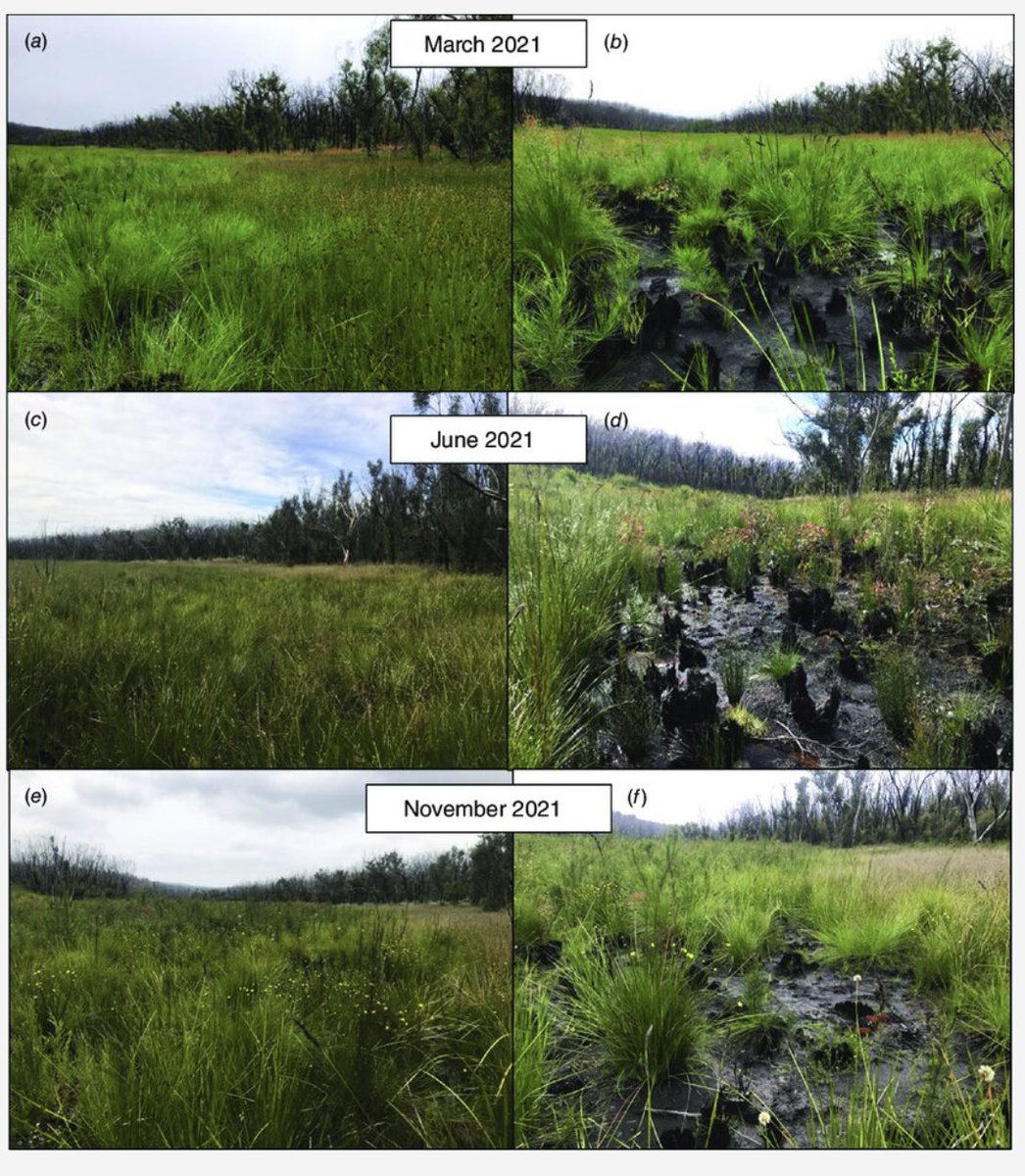
We looked at how much carbon was lost from a peatland following the unusual 2019/20 bushfire event quickly followed by a heavy rainfall event. Answer: a fair amount. https://t.co/KJlboeJ1Zv