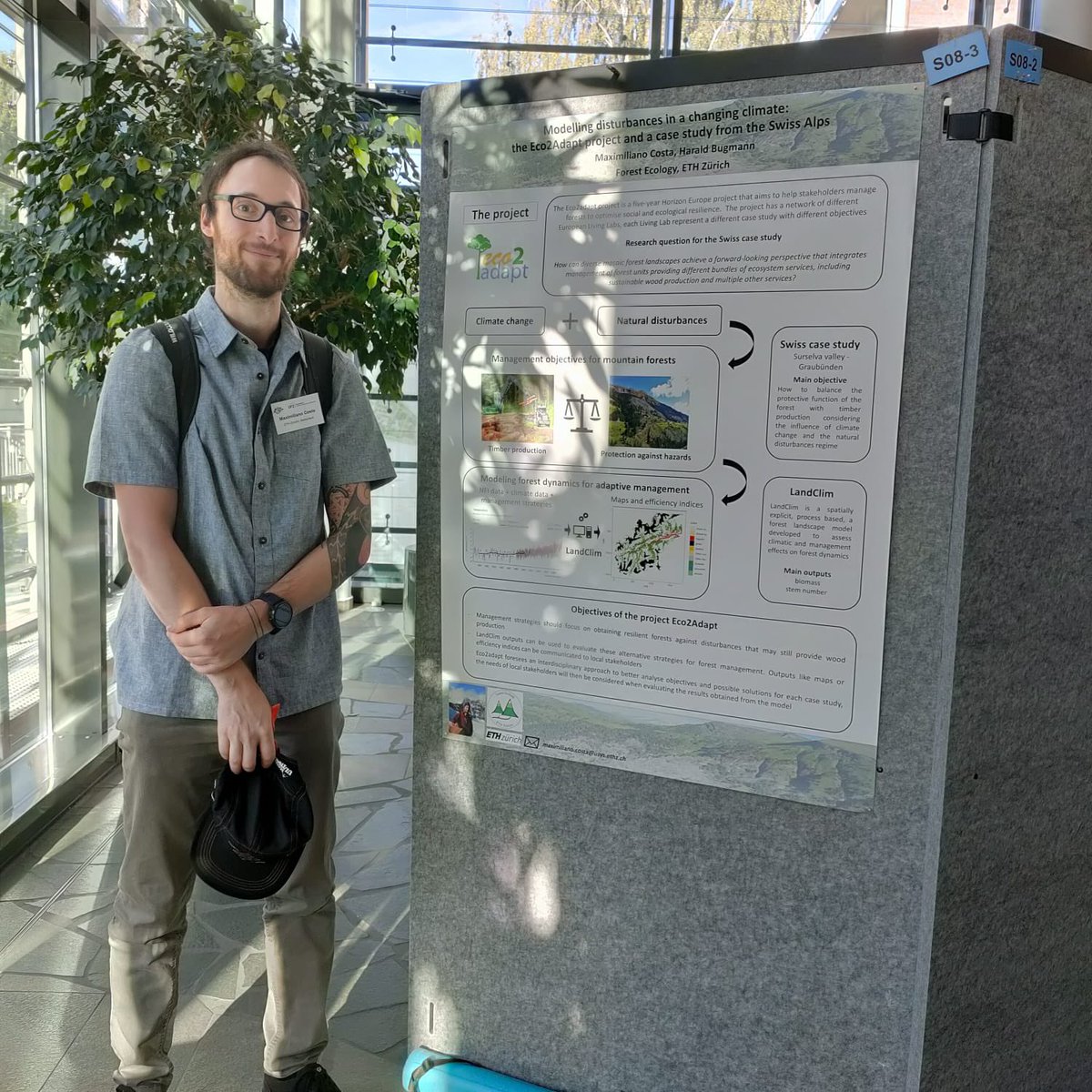
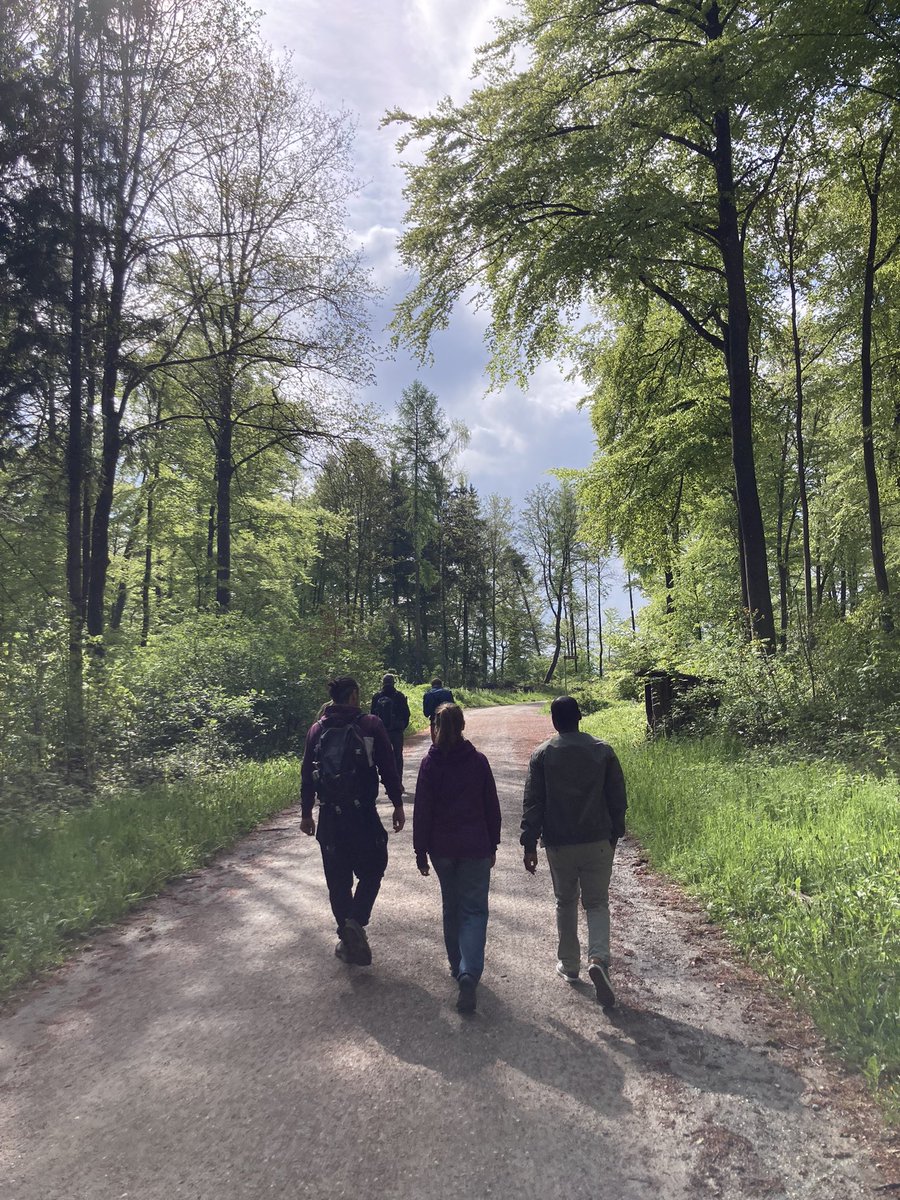
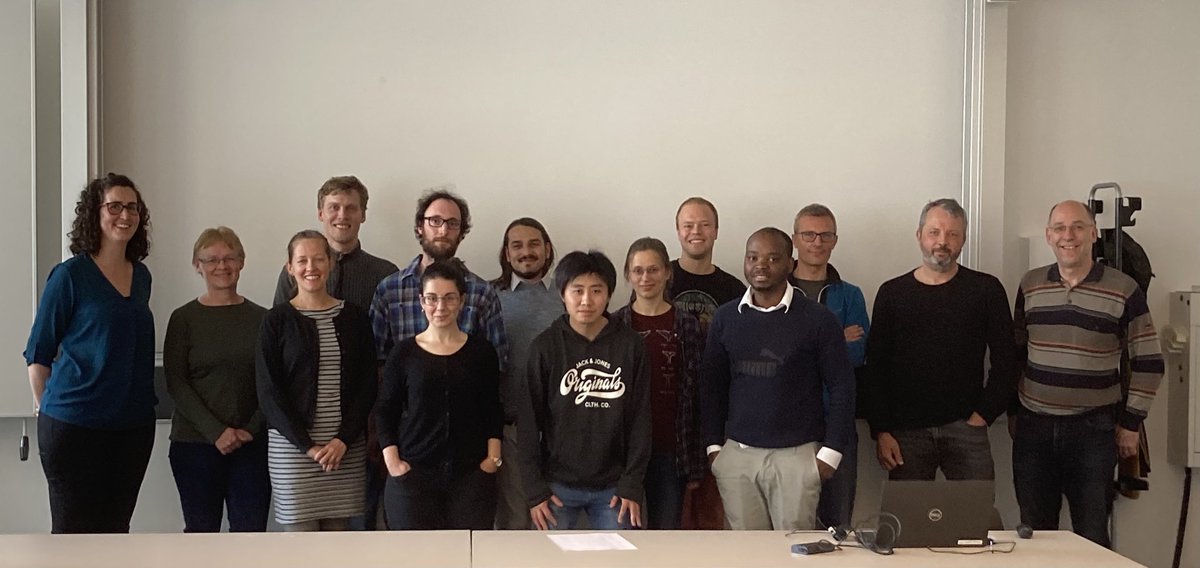
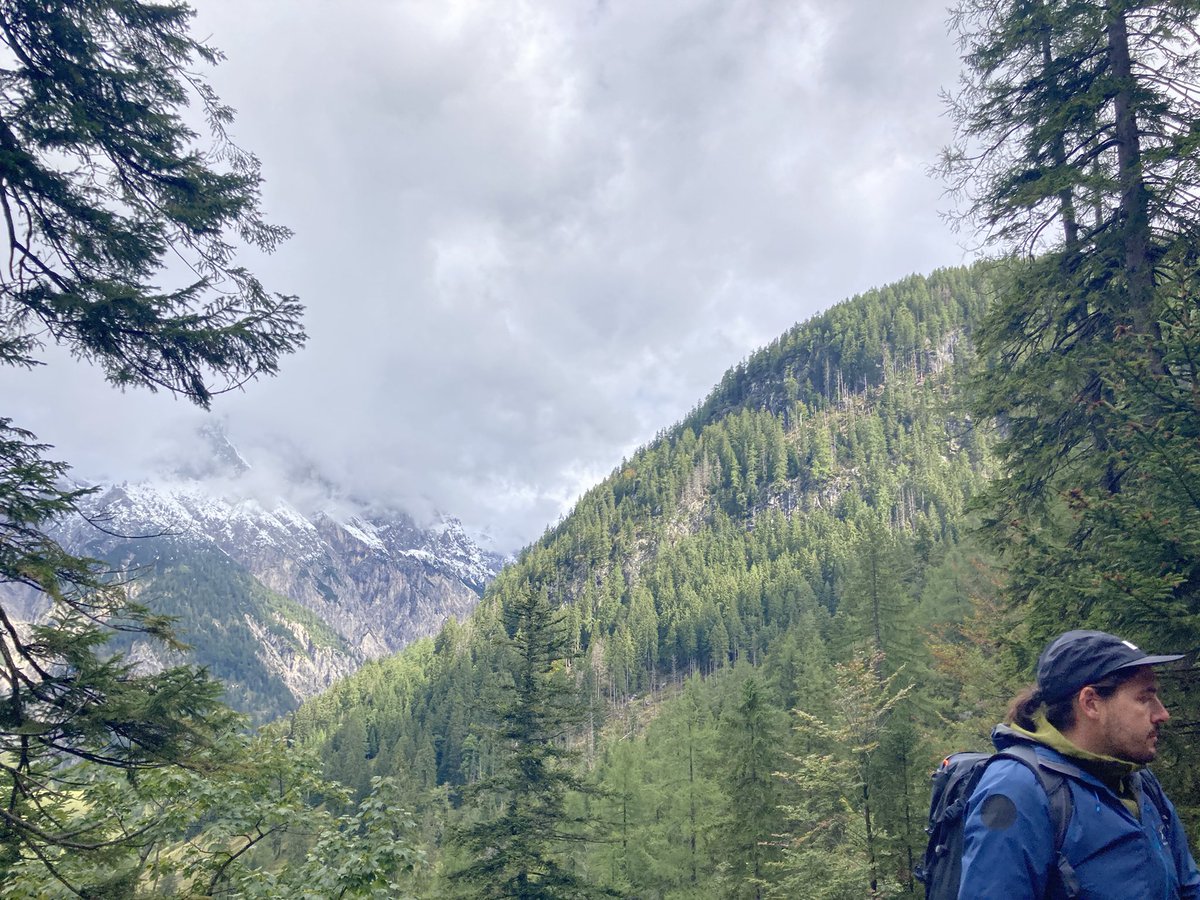
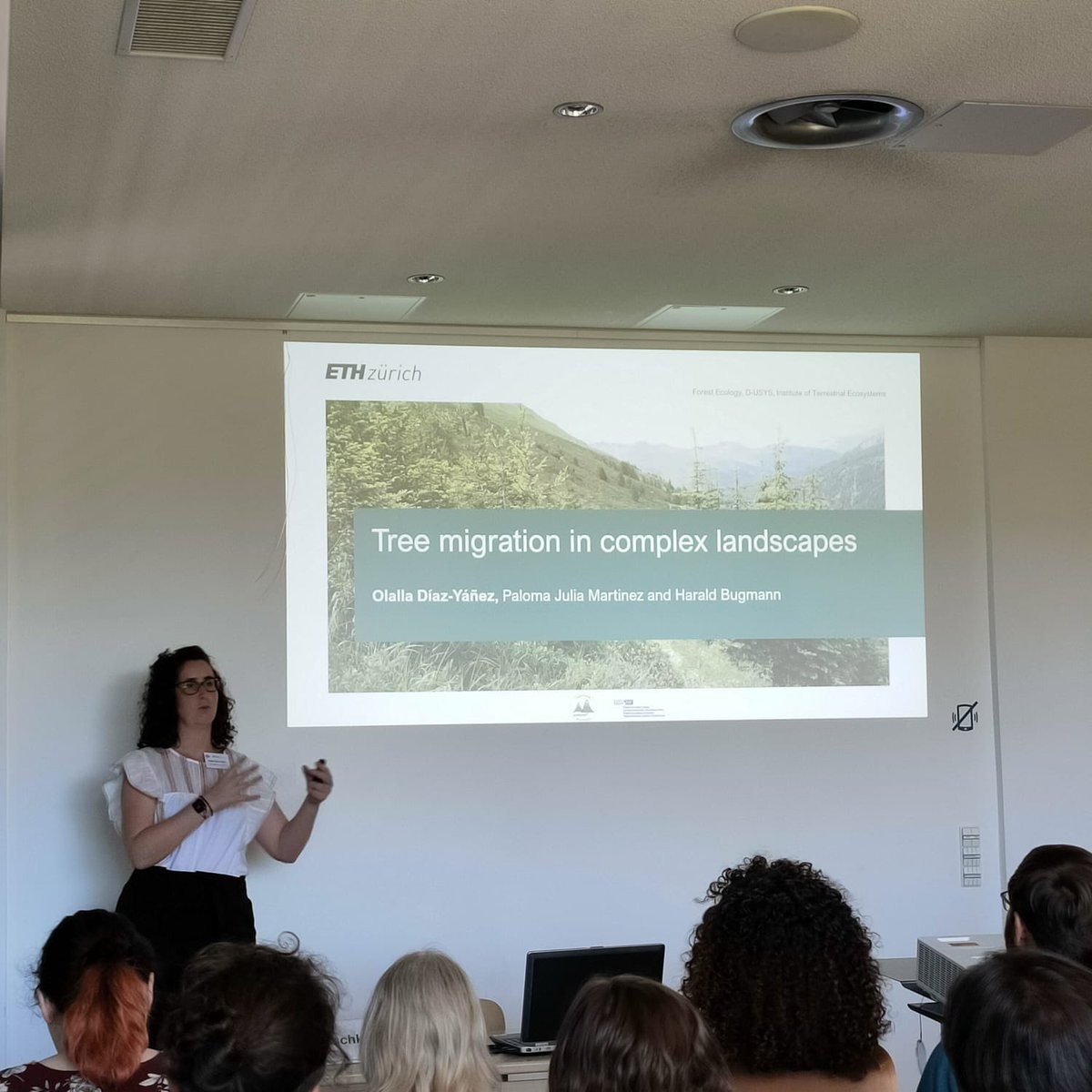
A heartfelt thank you to #IUFRO2024 for the inspiring scientific insights, the incredible excursions, and the invaluable opportunities to collaborate across sectors. It was an honor to present my research to such a global audience #drought#treemortality#modelling@ForEco_ETH
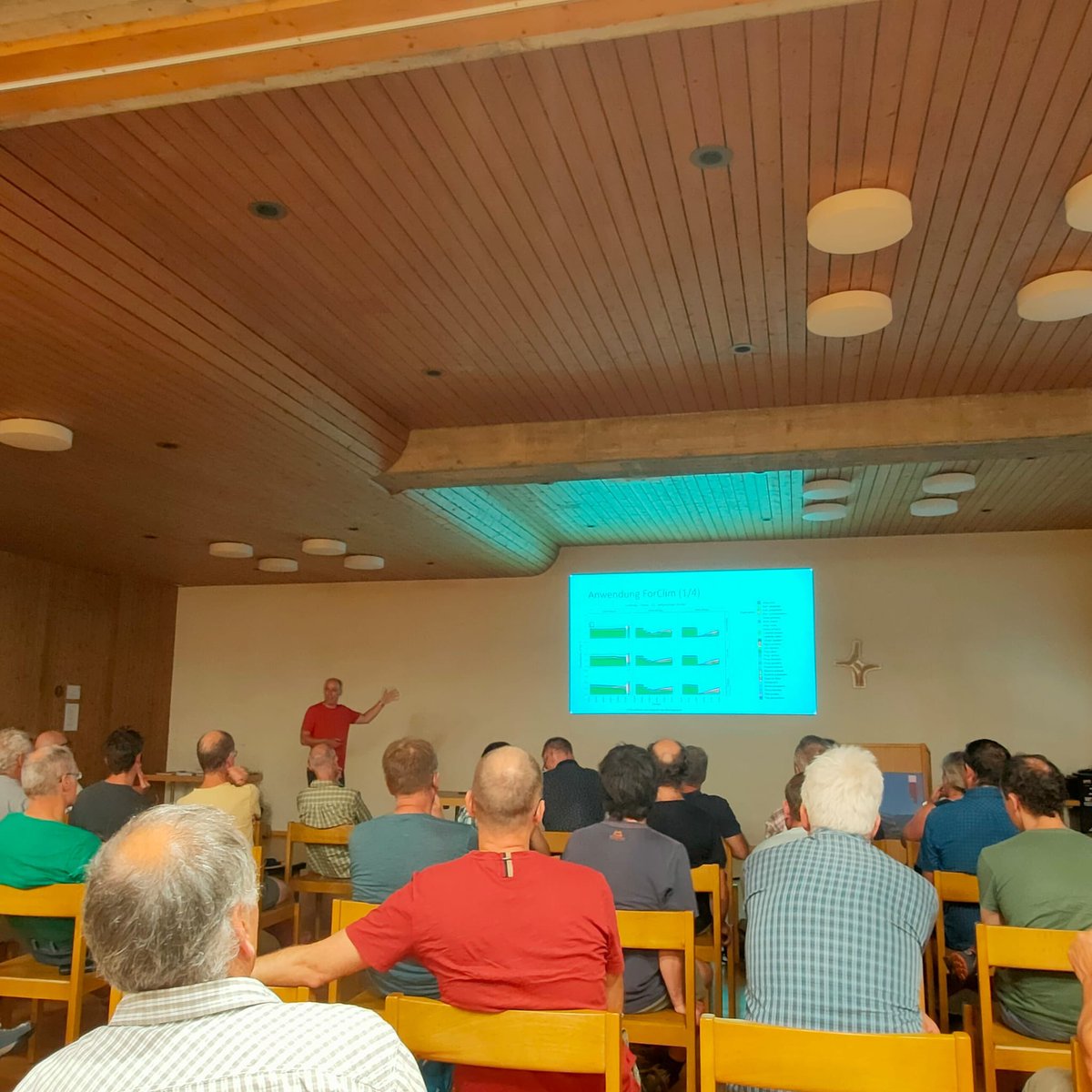
The Schweizerische Gebirgswaldpflegegruppe (GWG) experts met for a three-day conference in the Canton of Graubünden to discuss the key challenges posed by climate change to the protection forest in the region #forclim
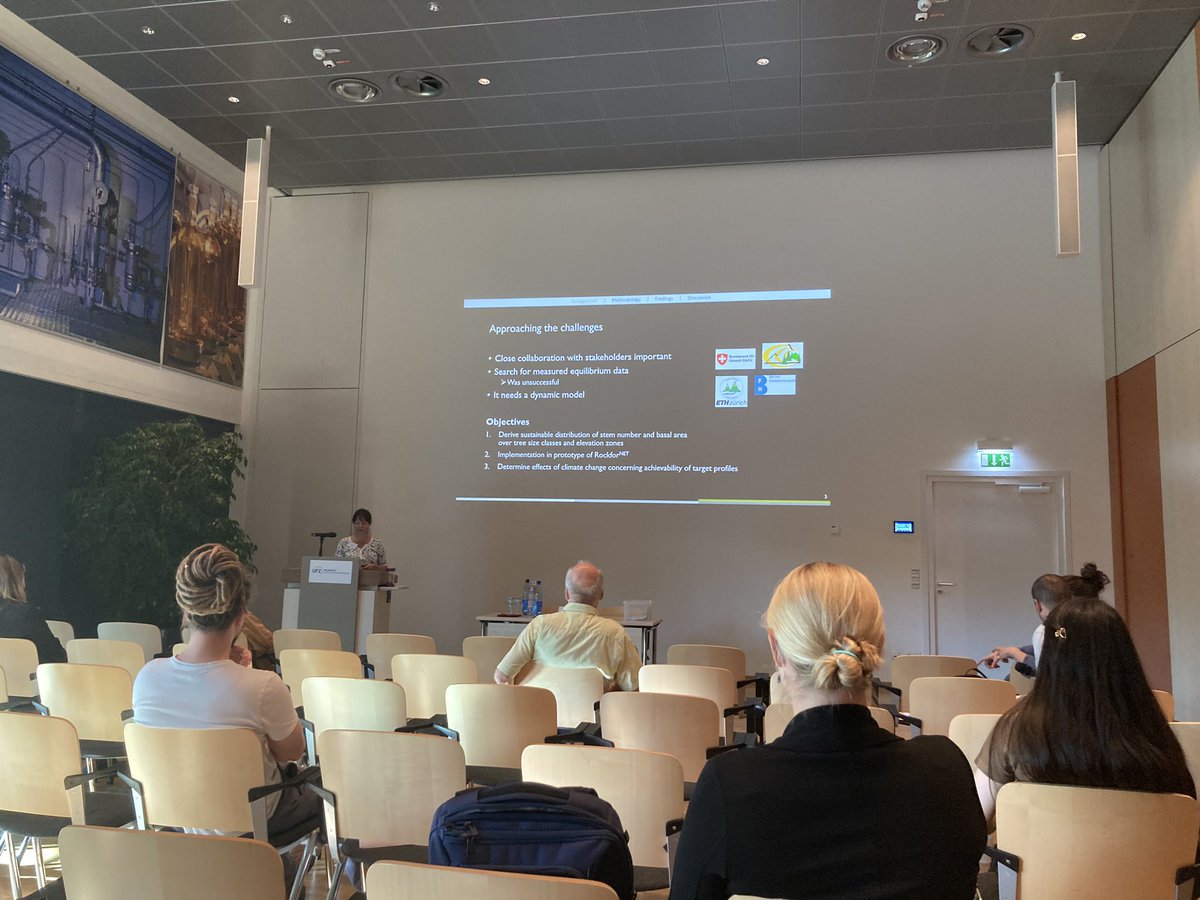
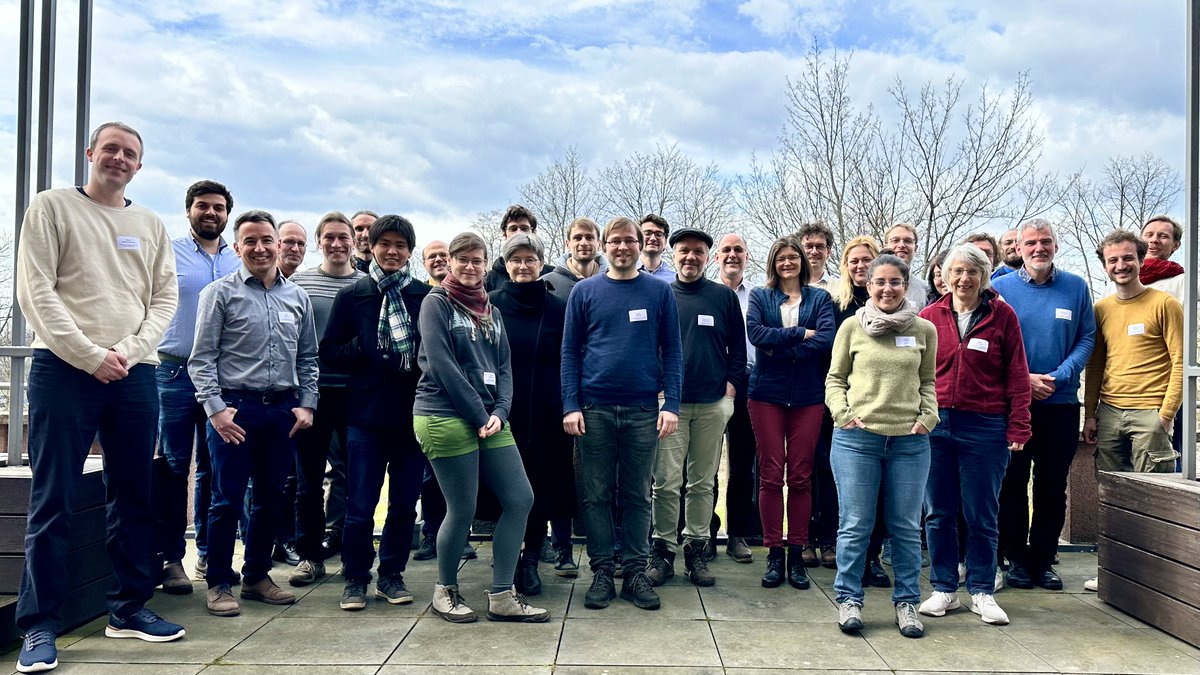
Forest modelling experts from Europe are currently discussing the perspectives of modelling @UFZ_de. Topics include droughts and forest management, remote sensing, AI, but also theory. Forest modelling helps us to understand the state of our forests and to study forest futures.
ProForM is a new dynamic simulation model for #temperate#mountain#forest that allows for a detailed assessment of forests #protective function against #natural#hazards. The model is now out and available here: https://t.co/liHhZRhRFu https://t.co/FgxamPMGXE
Our new paper is out! 🥰
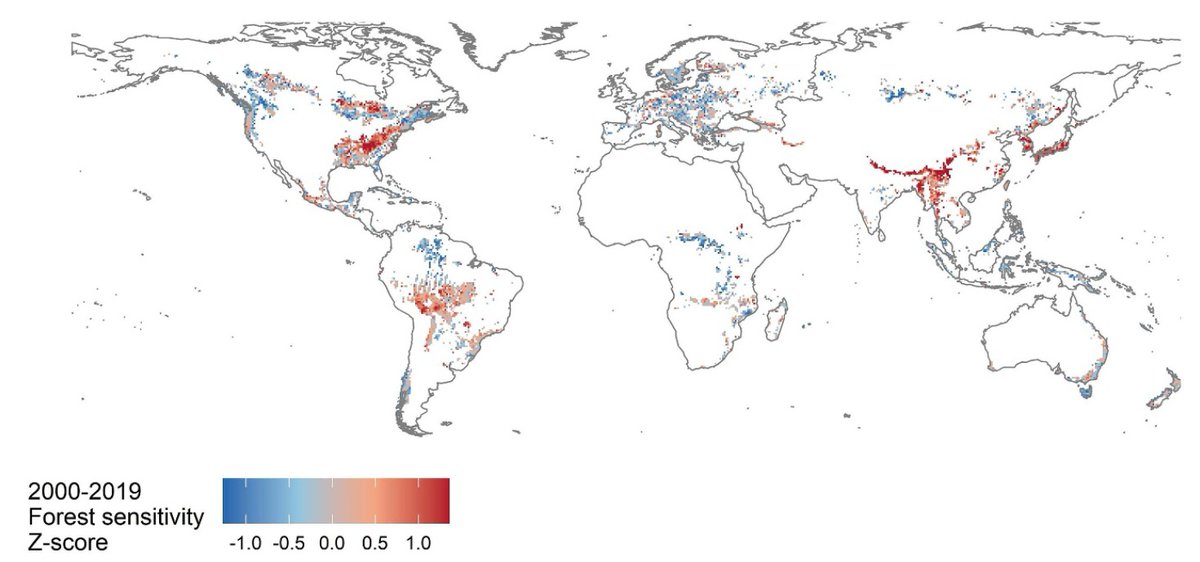
Phenology is a key indicator of tree vulnerability to climate change and extreme events, and remote sensing provides excellent tools to upscale it at large geographical scale! 🌿🌞❄️
https://t.co/qXH5f0DwzO
Thank you #fded2022 ! We enjoyed the set up, topics, the interesting conversations and meeting you all. Now we are on our way to Zurich with lots of new ideas @RupertSeidl @corneliussenf @SebSeibold
Why do some #beech trees #dieback after #drought and others do not? We analyzed the growth differences between vital and declining beech trees & found that declining trees had been growing less since more than 60 years. Find more exciting results here: https://t.co/jpzzHjN7HS
How diverse are the models we use to assess climate impacts on forests, and how much "DNA" of early models do they still contain? And why is this relevant for current assessments? New article published together with H. Bugmann of @ForEco_ETH in @JEcology: https://t.co/jSTlwwnibO
Nice work led by Winslow Hansen @caryinstitute, showing that exposure to past climate variability makes forests more robust to current variability in climate. With @K_Albrich @naomibschwartz @anjarammig @stavercarla and others not on twitter. https://t.co/CaWxU26Dth