Introducing a more flexible Pro plan for modern teams and AI workloads.
• Credit-based usage model
• Free viewer seats
• Self-serve enterprise features
• Spend management by default
Available starting today →
https://t.co/RFyLfdLeBT
We've improved the team overview in the Vercel dashboard.
• Activity is now sorted by your activity only
• Projects can be filtered by git repository
• Usage for the team is now shown inline
https://t.co/7KD0hWRXnY
We've deployed a proactive security update to protect against SAMLStorm, a recently disclosed vulnerability in the xml-crypto package.
The Vercel Firewall automatically mitigates this risk for all customers, but updating xml-crypto is still recommended.
https://t.co/YEzzo3qtBd
I have a lot of ideas that I start and never finish, so I tried to keep this as small as possible and just ship it
It has been useful to me over the past few weeks, hope it helps others as well😌
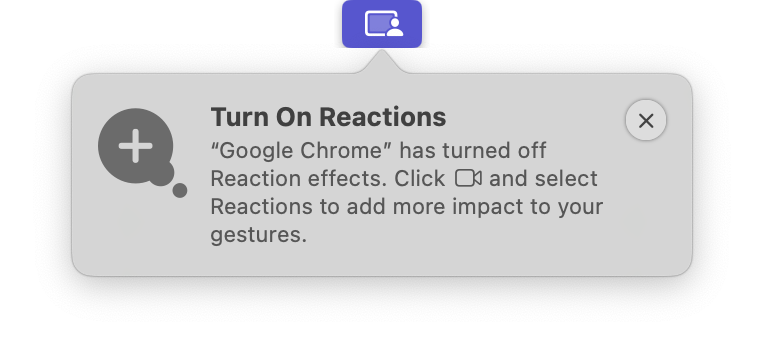
If you hate the macOS `Turn On Reactions` popups as much as I do, check out my new OSS app that auto-dismisses them: https://t.co/Cwp2SNhEHu
I've had a small script running locally for a while to close these, and finally had some time to package it into an app over the weekend
Web app development takes another leap forward: work directly on production
For over a decade, I’ve built and adopted systems to move design engineering and software development closer to production
Often, these included:
- Great local dev environments
- Browser-based tools and extensions
- Getting engineers into discussions earlier in the product development lifecycle
- Using code as a primary design tool
- Prototyping with production code
- Eliminating the “handoff” and acting as a thread between design and engineering
- Automatically generating preview and QA environments that mirror production
- Moving discussions into PRs
All of these items resulted in huge productivity gains because work and collaboration didn’t need to move through as many systems
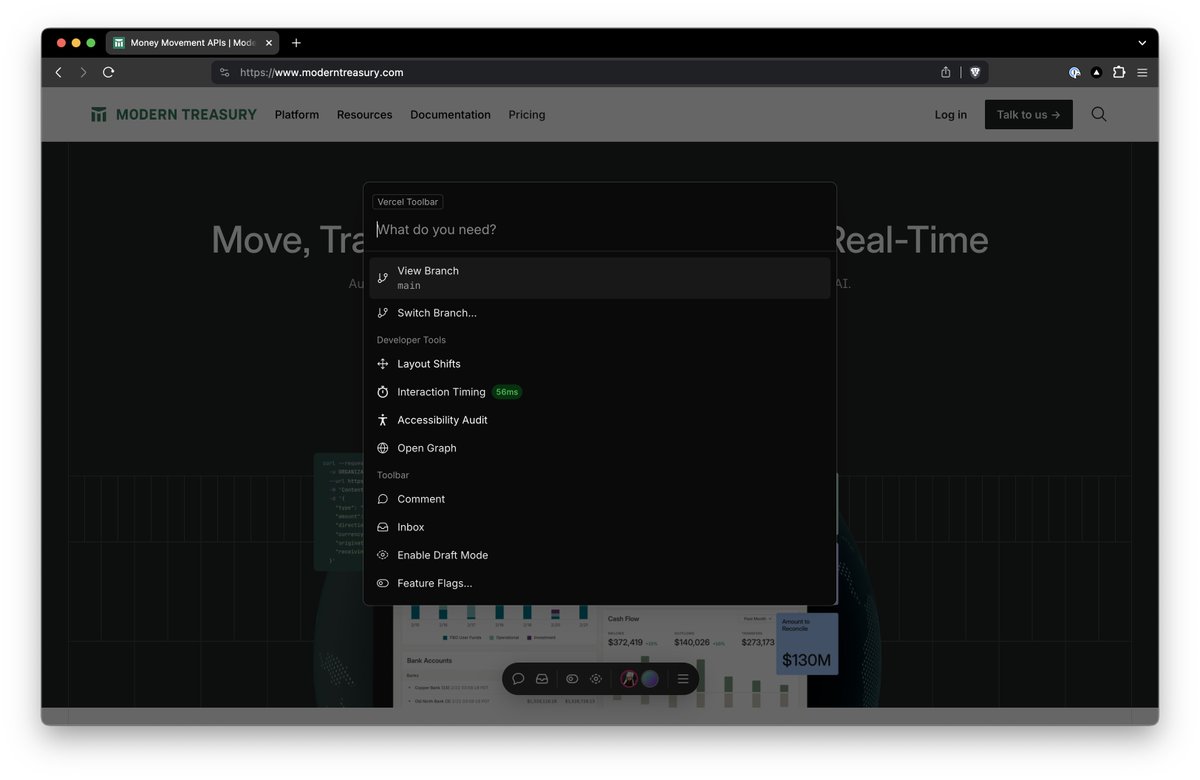
What’s interesting about Vercel’s new toolbar is that it enables new products built on top of production, with tight integrations into your framework and host. Commenting and collaboration, content drafts, deep links to your CMS, feature flags, accessibility audits, SEO open graph data, etc., all accessible through a Chrome extension
We’re not far off from visually editing content in place and saving it to a CMS, branching and coding in the browser, or prompting AI to fix a bug based on a comment.
Never did I think JS frameworks would start to feel like SFTPing php to production, but here we are. Another huge productivity boost