GlassFlow builds the data infra for AI agents in production. Tares feeds agents correlated data from every system & Rius traces and debugs what prod agents do.
How do you build a #datastore for agents, not analysts? 🦆
This Thurs (Sep 17), we show an open-source, one-file #DuckDB store where the agent gets woken up with context attached and writes its findings to the same table.
Last few spots: https://t.co/yzjIQIei3q
#AIAgents#agentic
We were at the AI Builders Monthly event in London last night 🚀
The demo: an AI agent sends its traces to Rius, finds why it's failing, and ships its own fix to GitHub.
Thanks for a great night to everyone who attended!
Agents fail in production. #Rius helps them recover automatically. 🚀
Live demo tonight at AI Builders Monthly London.
👉 https://t.co/YoCuR4hyhf
#AIAgents#AIBuilders#agentobservability
"How AI Agents Fix Their Own Production Failures"
AI Builders Monthly London, Sept 10: Our founder, Armend will show how agents use #observability to find the root cause of a prod failure and fix it at runtime.
Plus a first look at Rius 👀
🎟️ https://t.co/lufB621u9h
#AIAgents
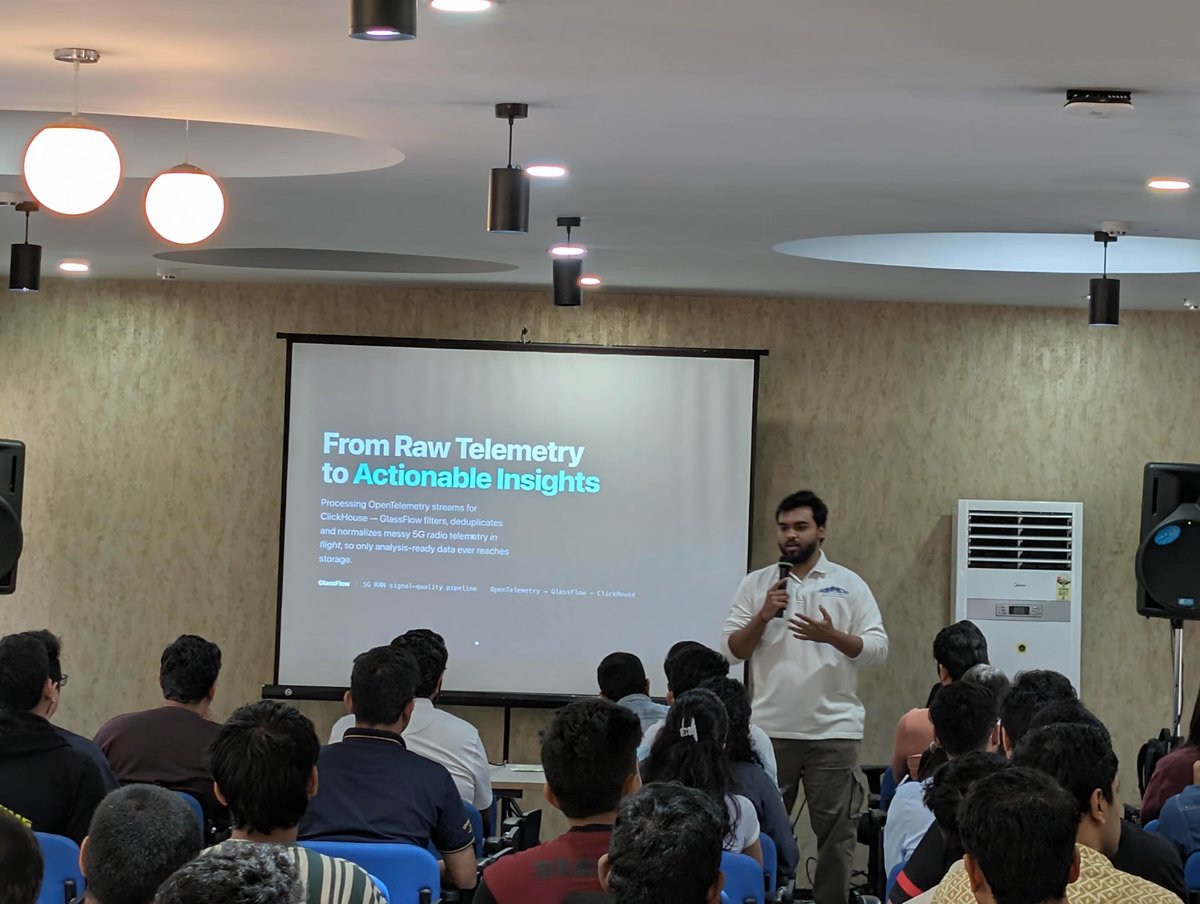
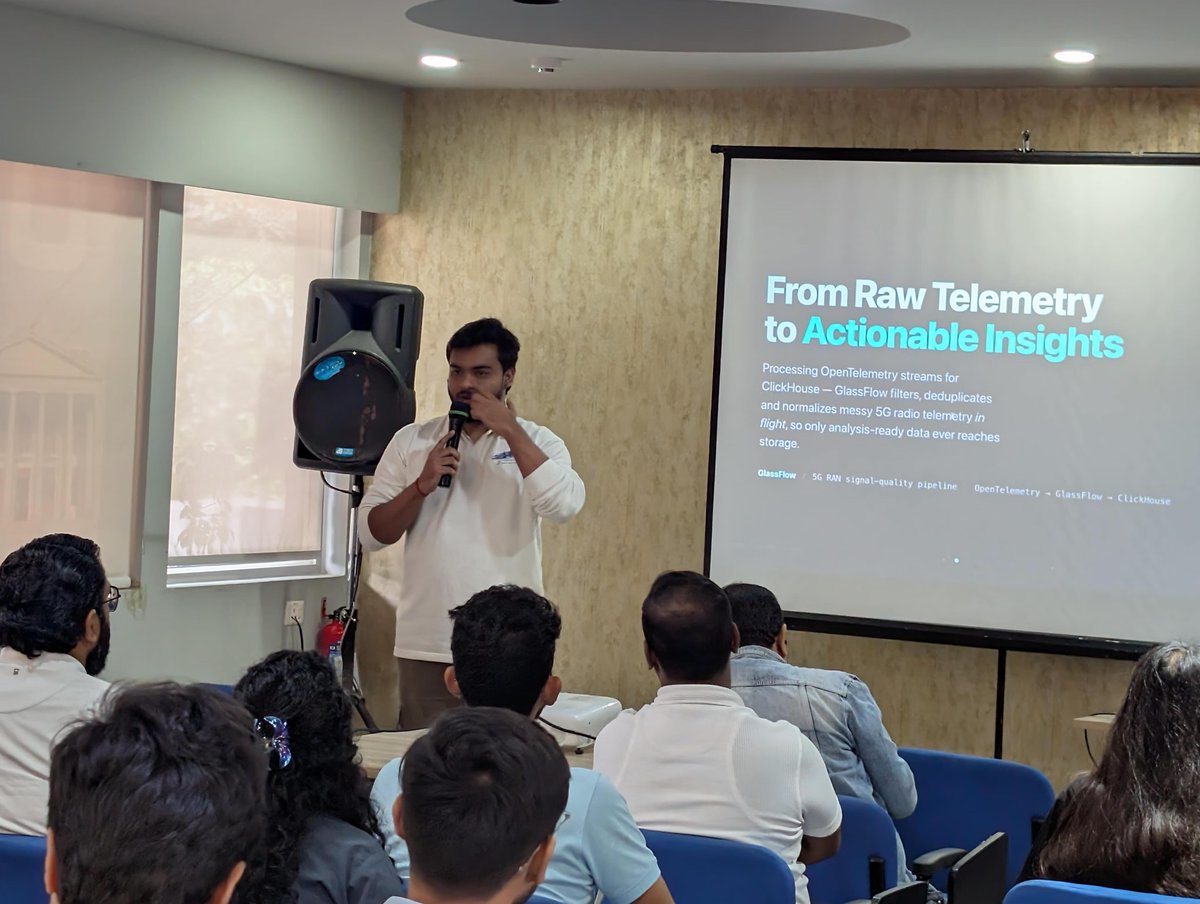
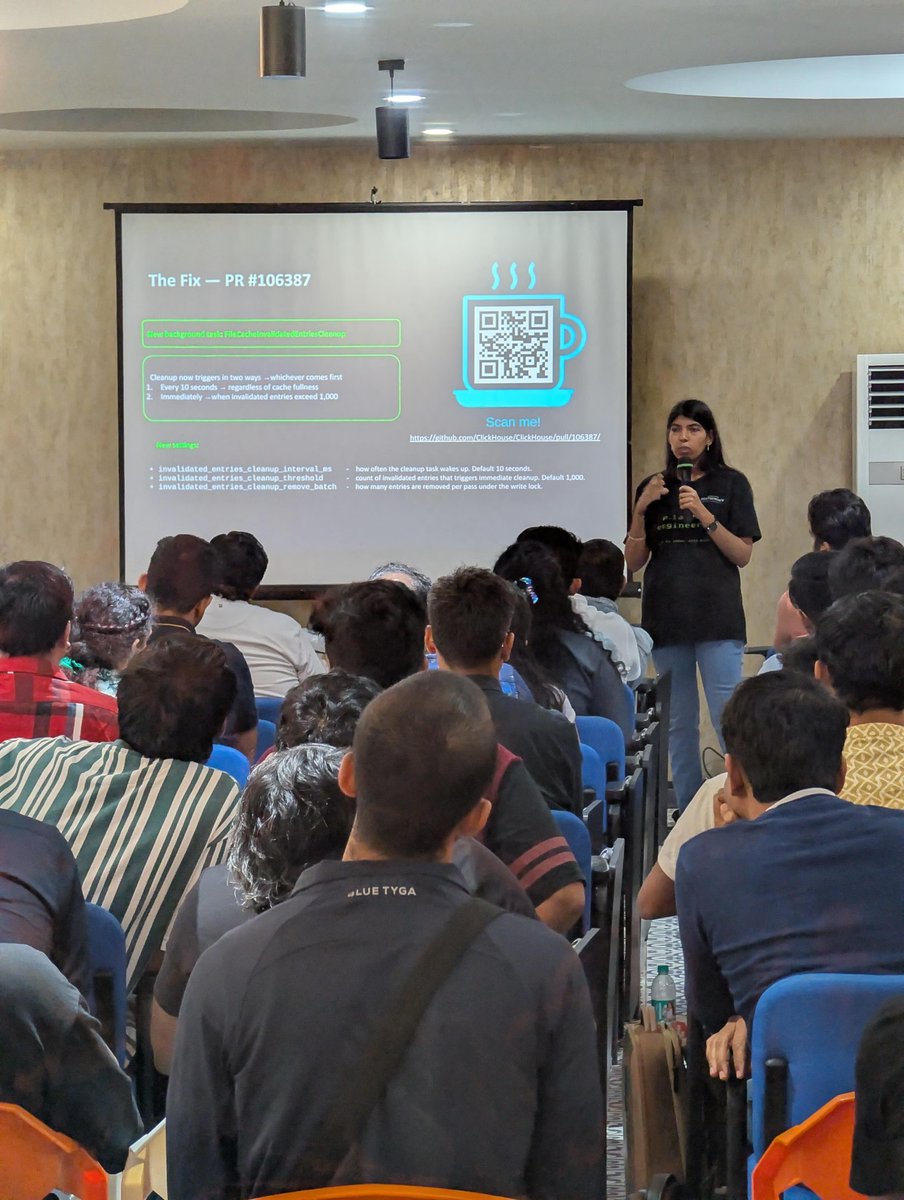
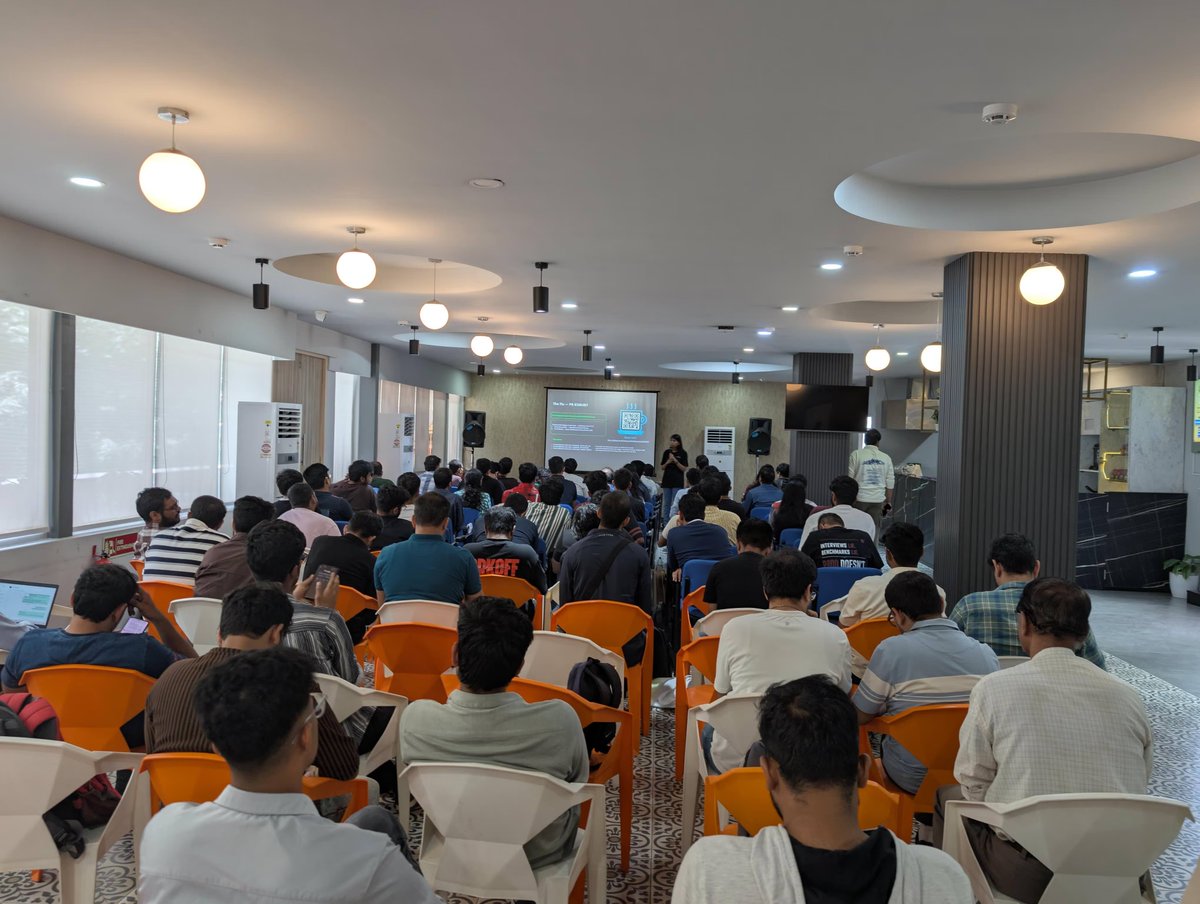
Thanks to all who showed up for Pipes, Streams, and Queries with @ClickHouseDB last week 🙌
Sasi Teja broke down how to turn raw #OpenTelemetry streams into real-time insights in #ClickHouse.
Want to try it yourself?
Full demo here 👇 https://t.co/XJLXxF7lYN
Less than 10 days left! 🕒
Join us for our upcoming meetup with @ClickHouseDB and @platformatory!
Don't miss Sasi's session on turning raw telemetry streams into actionable insights at scale using #OpenTelemetry & #ClickHouse.
📅 July 11
🎟️ Register: https://t.co/JbXdcGkWar
How do enterprises handle #ClickHouse ingestion at TB scale?
– Pre-ingestion dedup (no FINAL queries)
– Schema evo that doesn't break CDC
– Backfill + live sync running simultaneously
– Linear scaling: 500K+ rps, 44TB/day
The pattern that's working → https://t.co/xRdpRonUna
We're speaking at Pipes, Streams & Queries on July 11 in Bengaluru! 🇮🇳
Joining forces with @ClickHouseDB & Bangalore Streams for a morning of real-world talks on data ingestion & fast analytics at scale.
Local to Bengaluru?
Come hang 👇
https://t.co/JbXdcGltZZ
#ClickHouse
Running #ClickHouse in production?
We documented the 10 mistakes that break #datapipelines incl. #deduplication, sharding traps, disaster recovery gaps, and more.
Free guide, with fixes 👇
https://t.co/SRHTrndeDK
#realtimedata
ClickHouse mistake #5: writing JOINs like it's #PostgreSQL.
Rules:
→ Smaller table always on the RIGHT (it loads into memory)
→ Denormalize upstream instead of joining at query time
→ Use Dictionaries for slow-changing dimensions, not JOINs
For more: https://t.co/cWU1KJH9Ud
This is one of 7 ingestion problems that break most ClickHouse projects in the first 30 days.
We added all of them (and how to solve them) here: https://t.co/kwDdCXPIKI
Running a historical backfill into #ClickHouse while #CDC is live?
There's a race condition that will corrupt your data, and it's easy to miss until your dashboards are wrong.🧵
The right fix: track timestamps and primary keys before writing to #ClickHouse.
Only write a record if it's newer than what's already there. Regardless of which pipeline sent it.
This keeps both pipelines running safely in parallel.