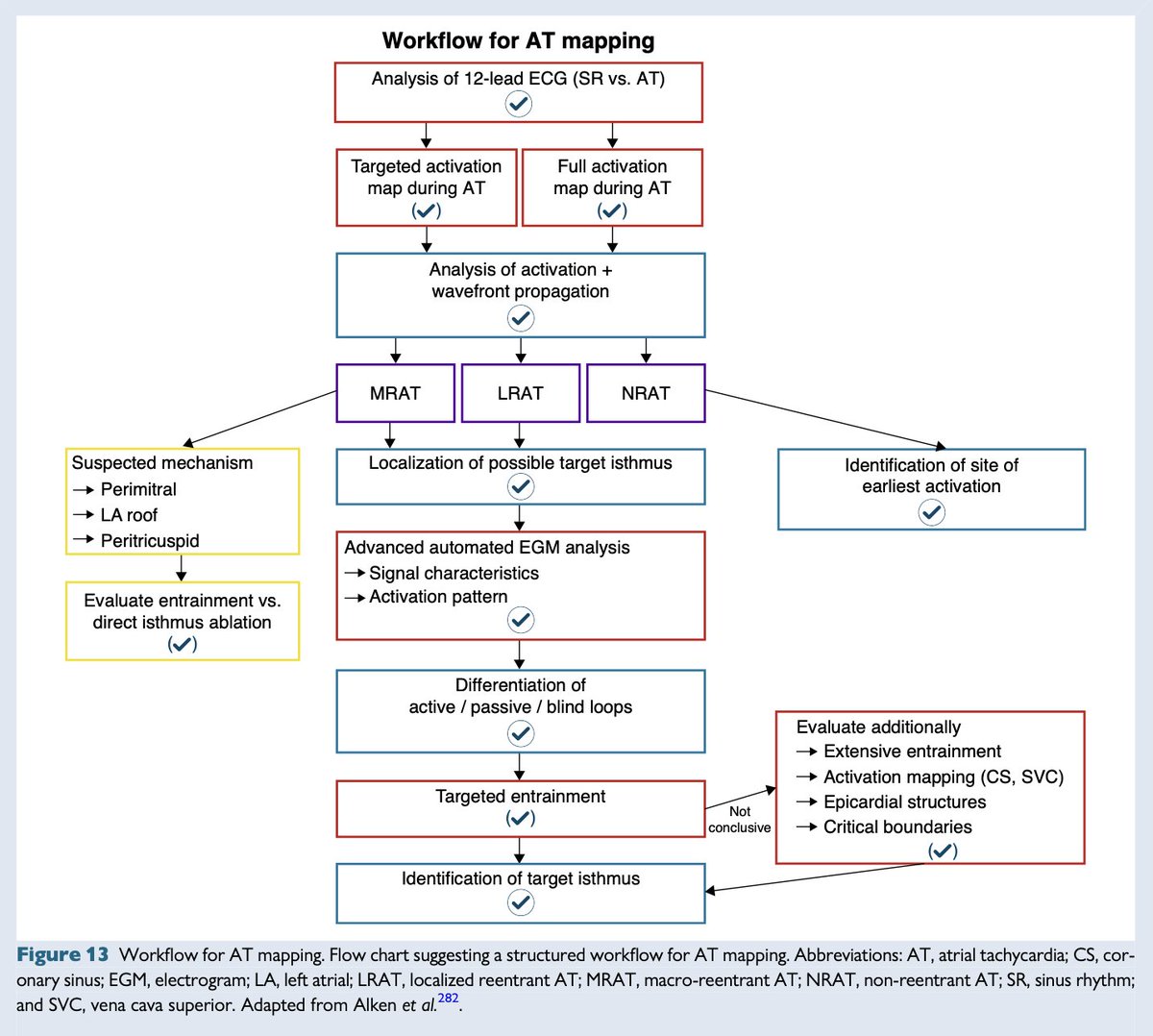
⚡ #EHRATopicWeek on Atrial Tachycardias
Catheter ablation has become the preferred treatment strategy for most symptomatic or recurrent ATs, while antiarrhythmic drug therapy often shows limited long-term efficacy.
📌 Key concepts from the latest evidence:
• Beta-blockers and calcium channel blockers remain important for rate control
• Catheter ablation is now first-line in many patients
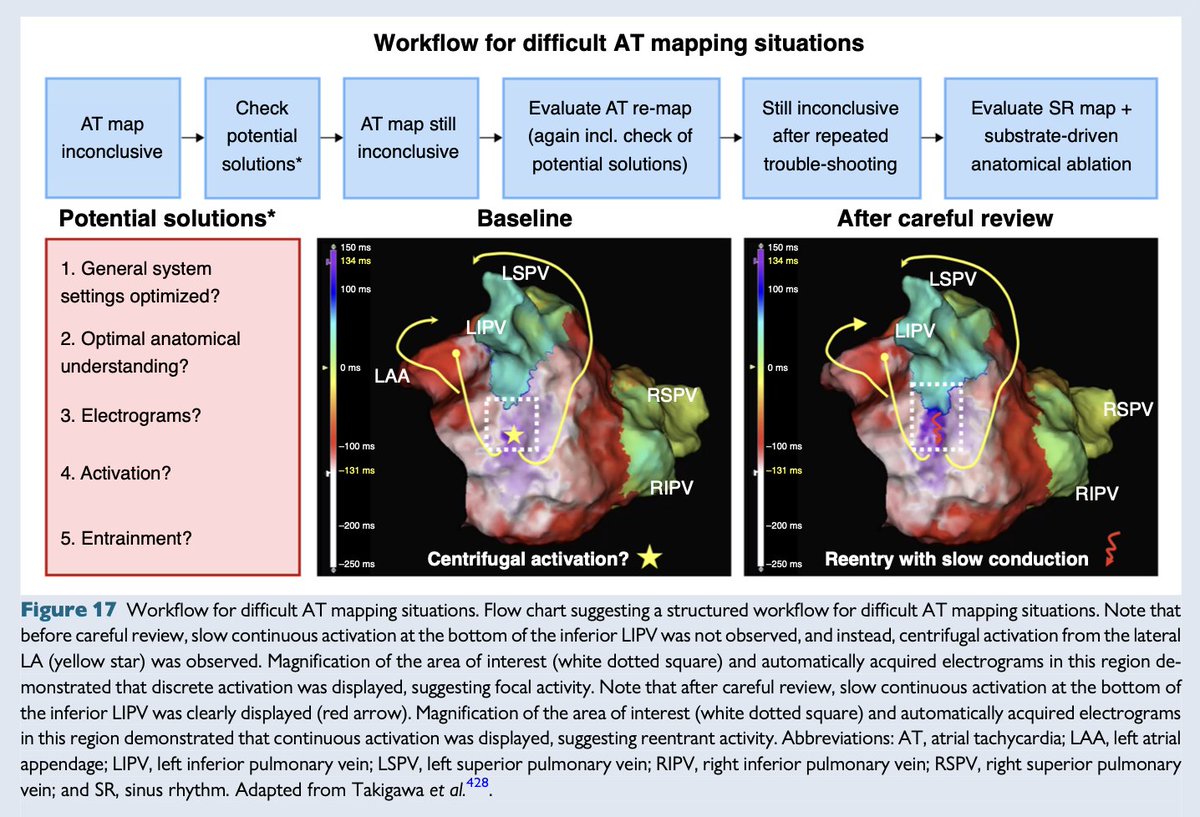
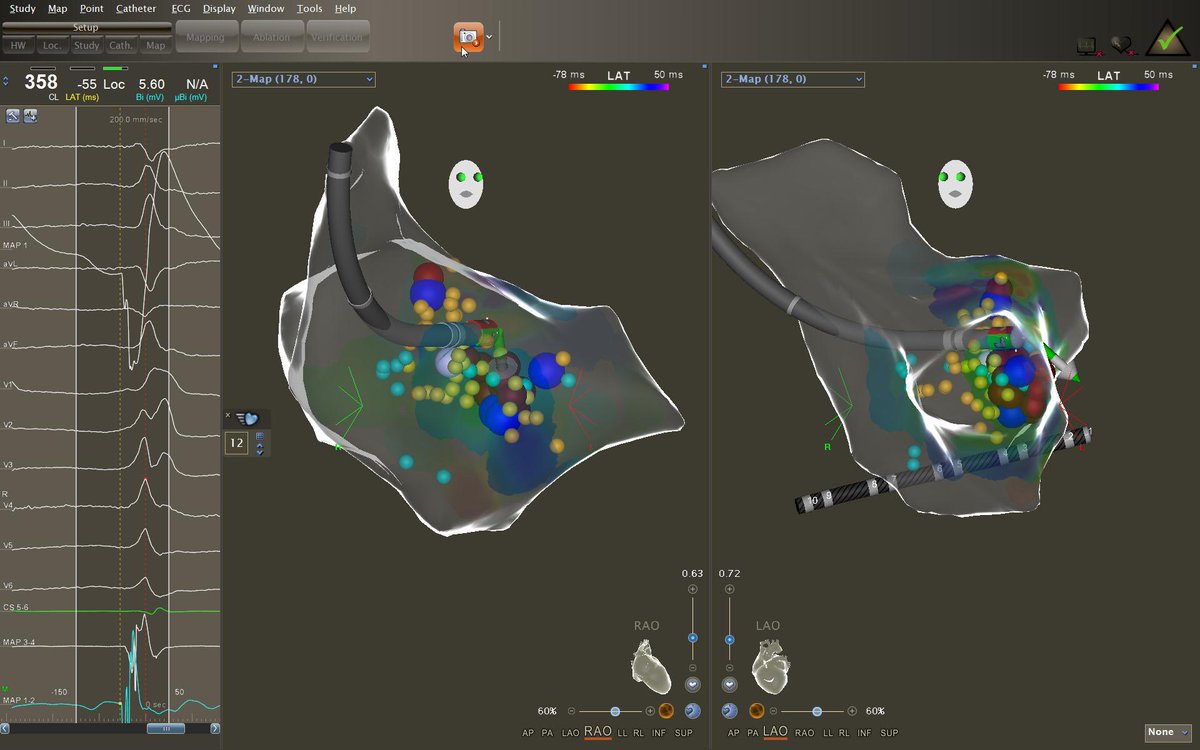
• High-resolution electroanatomical mapping has transformed our understanding of AT circuits
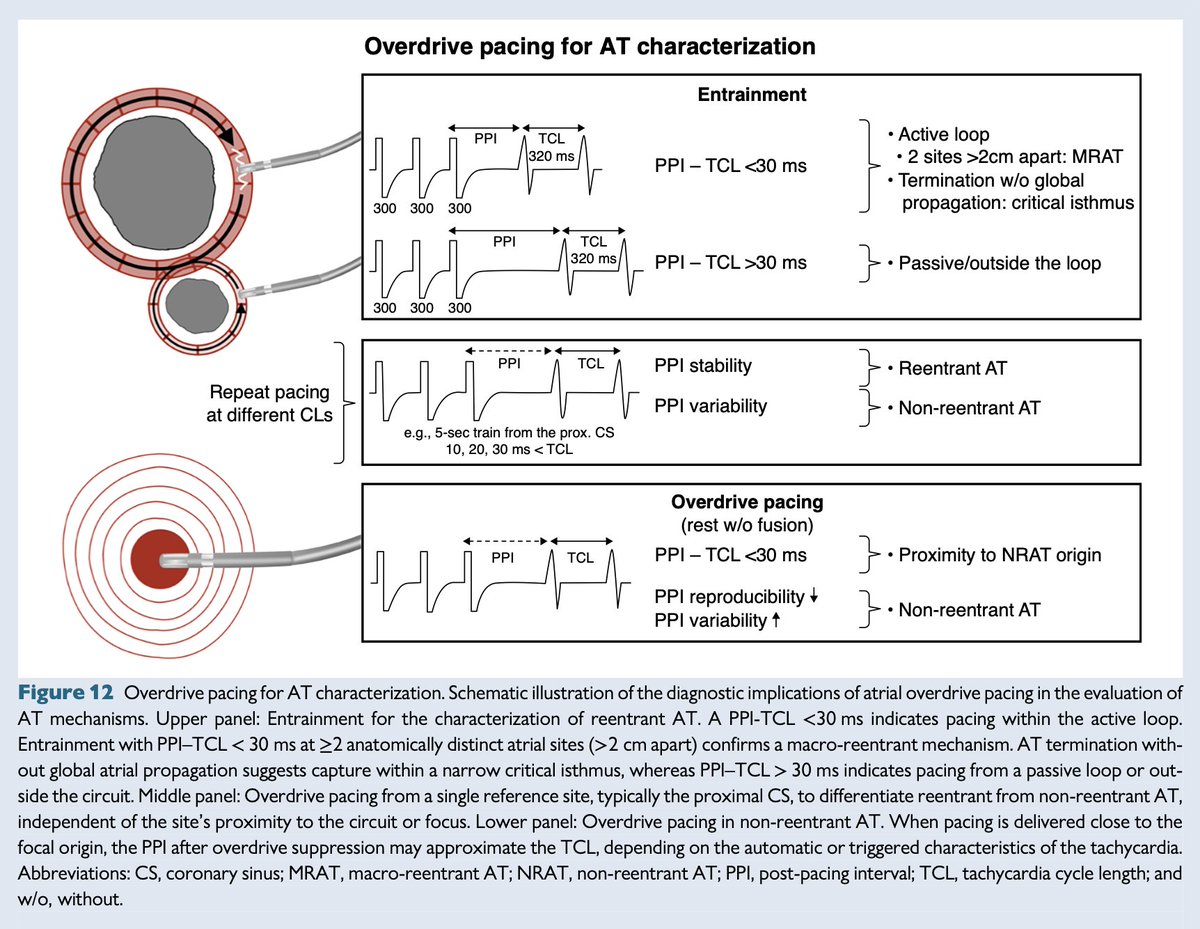
• Entrainment and activation mapping remain essential tools for distinguishing focal vs reentrant mechanisms
• Pulsed-field ablation and ultra-high-resolution mapping are opening a new era in AT treatment
💡 Success in AT ablation depends on identifying the “critical isthmus” — the key region maintaining the arrhythmia — while durable bidirectional block is increasingly recognized as a crucial procedural endpoint.
Importantly, recurrence remains a major challenge, especially in patients with structural heart disease, prior AF ablation, or extensive atrial scarring
Find out more in the #EHRA_ESC Consensus document on Atrial Tachycardias 👉https://t.co/T5EGaHI51q
@escardio@EuropaceEiC
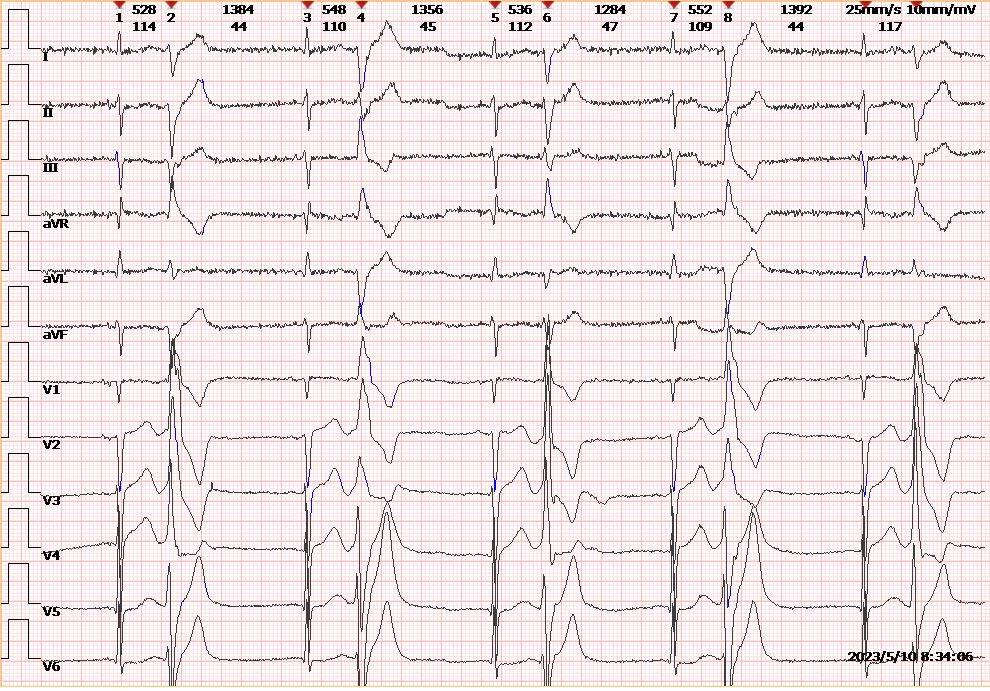
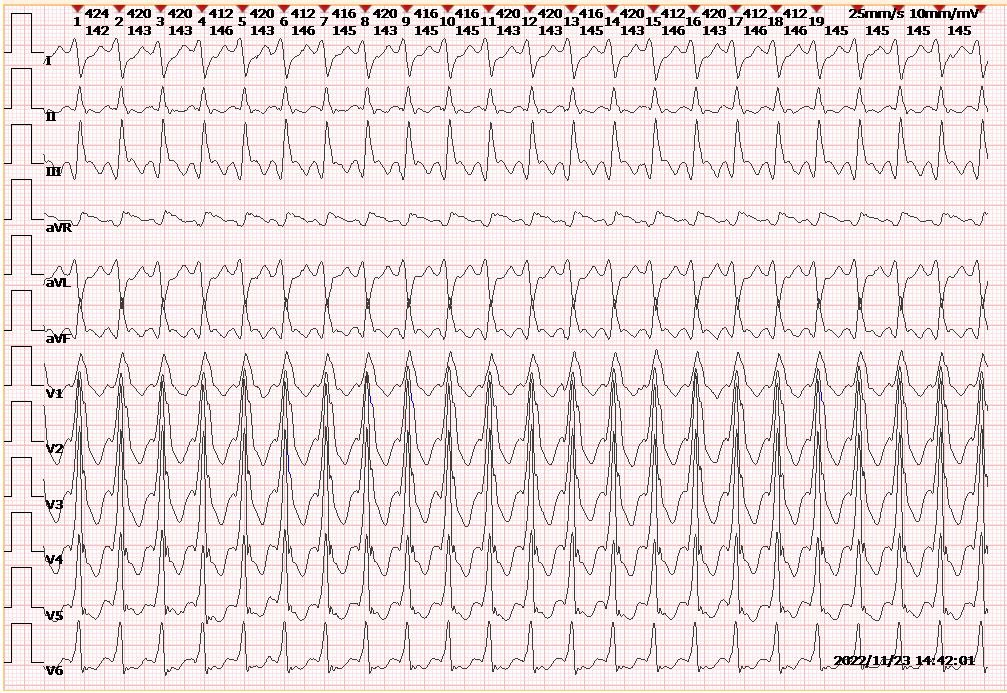
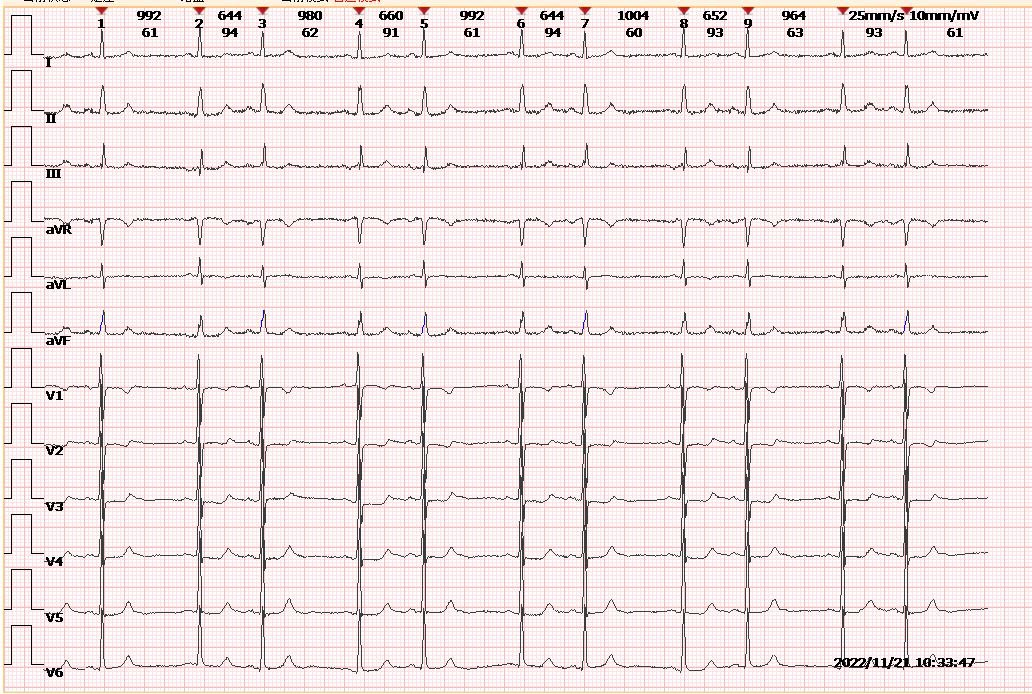
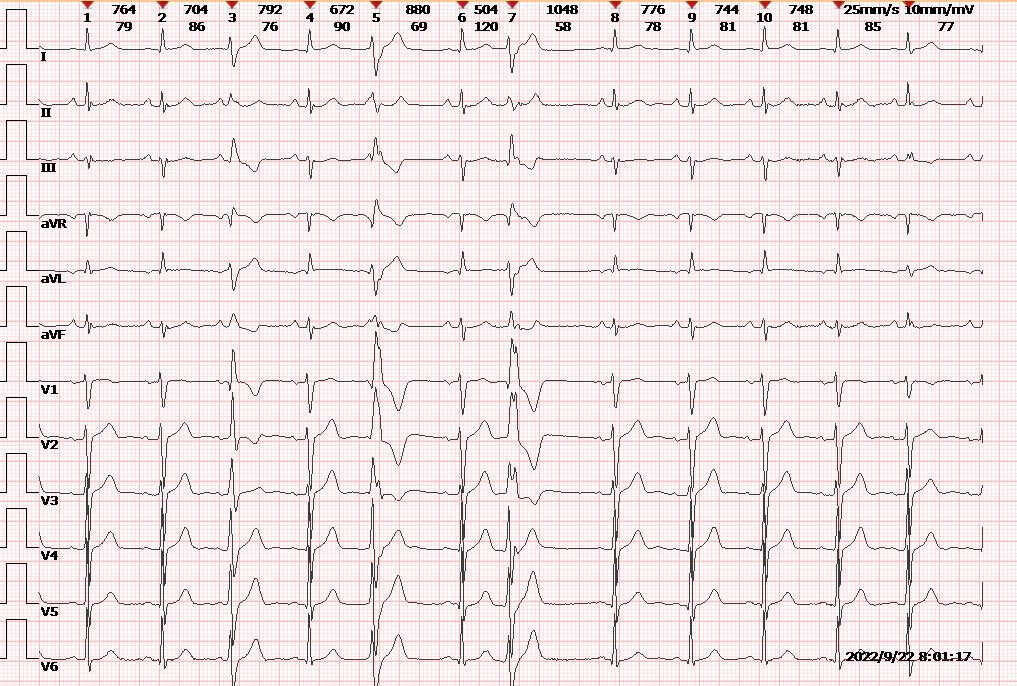
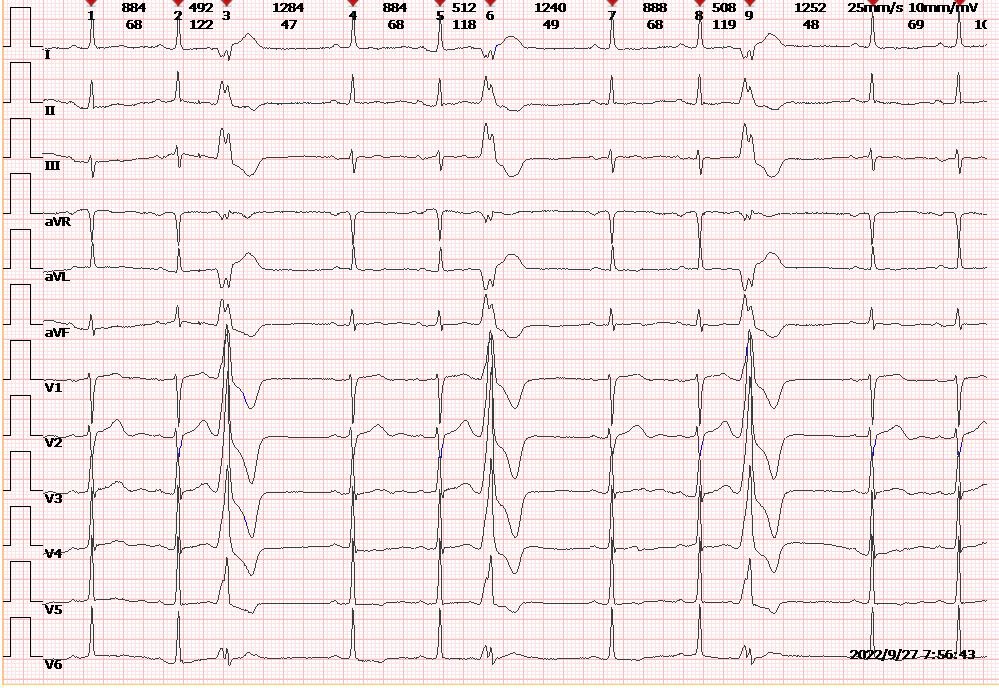
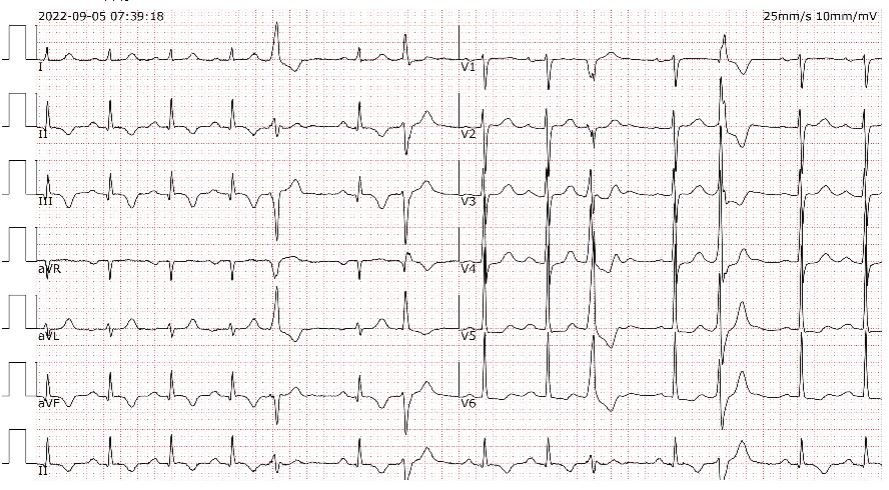
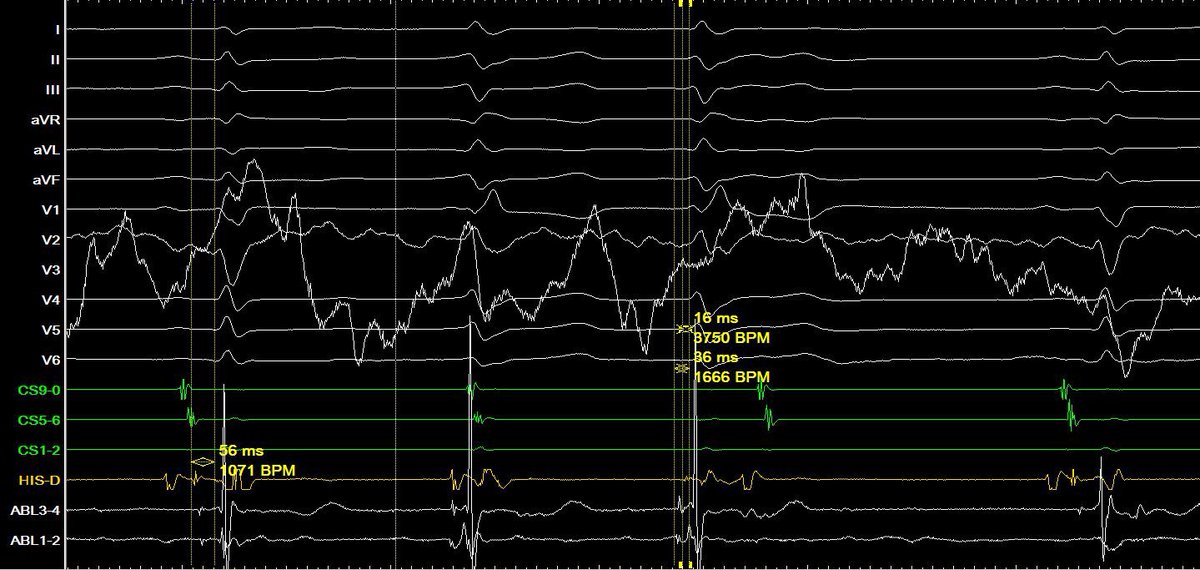
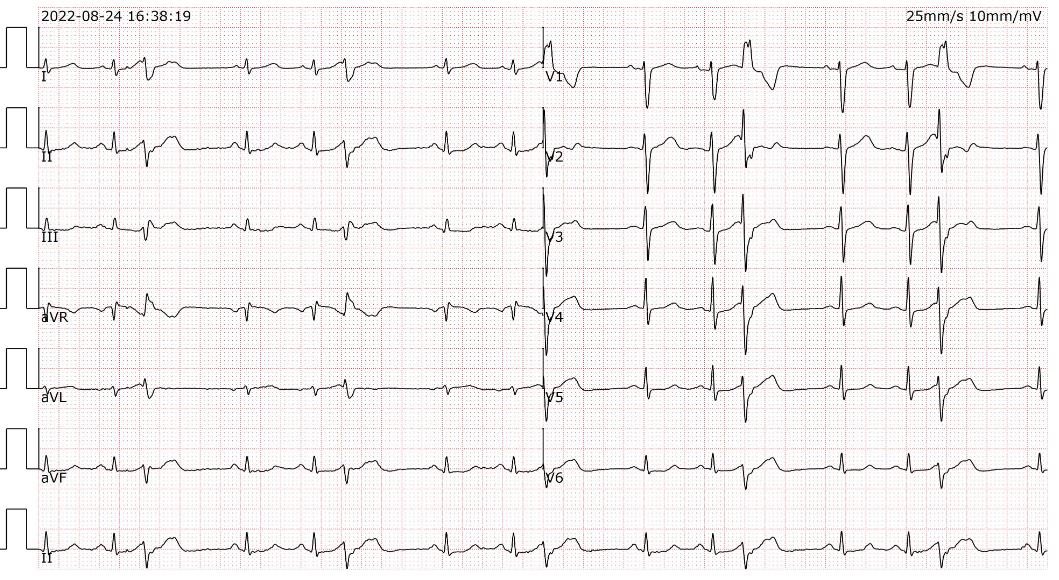
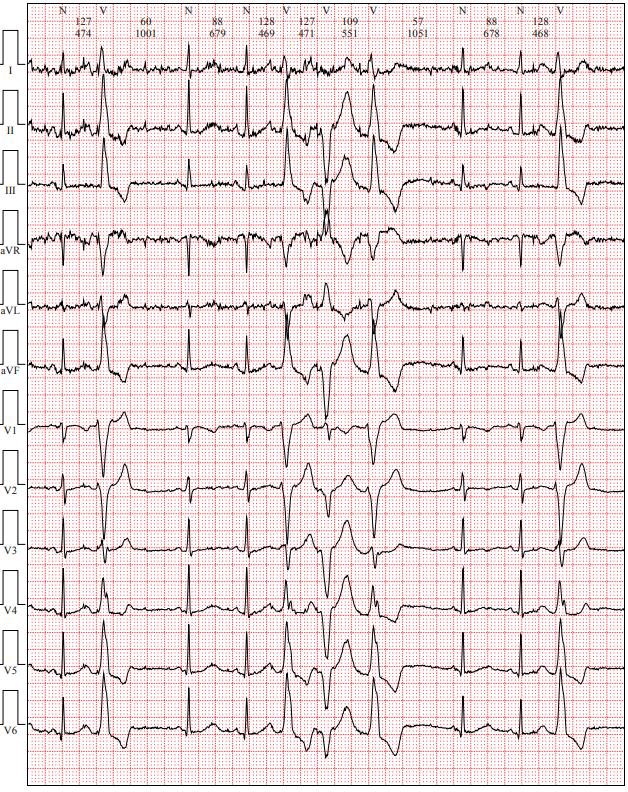
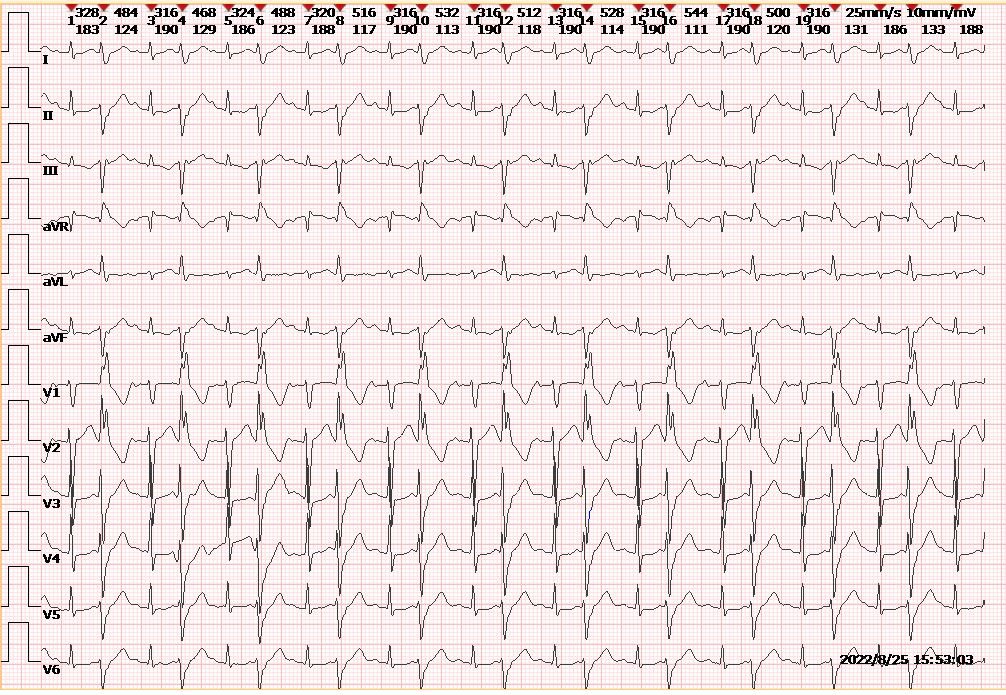
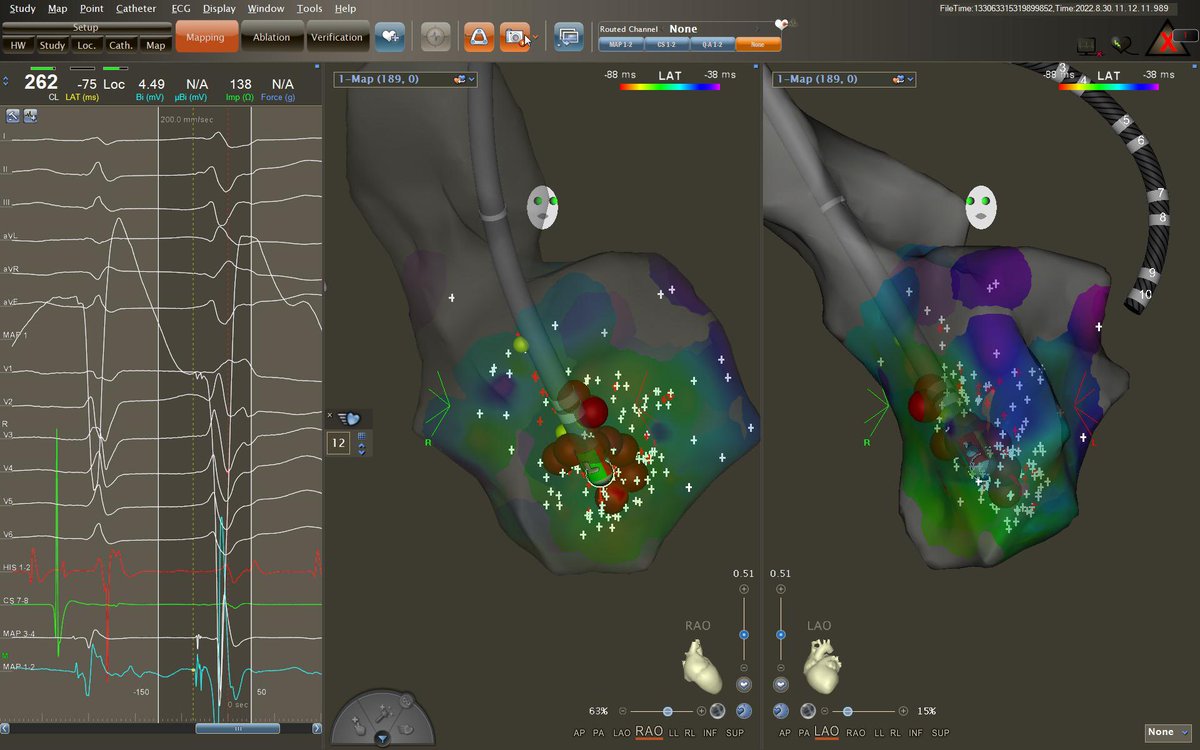
A 43-year-old woman without structural heart disease, experienced sudden death in hospital. After successful CPR, ECG showed frequent PVCs. PVC-induced Ventricular fibrillation is highly suspicious. SOO? #EPeeps@Hapa_EP