Kalaignar: The Nightmare of the Sanatanis
— Ravikumar
In the 2006 Assembly elections, I was elected from the Kattumannarkoil constituency and entered the Tamil Nadu Legislative Assembly. Kalaignar had just assumed office as Chief Minister. Looking back, I regard the period between 2006 and 2011 as the golden phase of my public life.
Kalaignar possessed a rare quality: if a proposal was genuinely beneficial to the people, he would not hesitate to implement it, regardless of the political affiliation of the person who made it. This openness to ideas and commitment to public welfare distinguished him not only as one of Tamil Nadu’s greatest Chief Ministers but also as a statesman of national stature.
During my tenure as an MLA, he accepted and implemented many of the proposals I placed before him. At my request, six separate welfare boards were established—for the Narikuravar community, transgender persons, the Puthirai Vannar community, domestic workers, folk artists, and homeopathic practitioners. My representations also led to a doubling of the financial assistance provided to Eelam Tamil refugees and ensured their inclusion in a wide range of state welfare schemes.
At a time when the Industries Department was under his direct charge, I submitted a proposal for a large-scale skill development programme for young people. In the very next Budget, Kalaignar announced its implementation. My interventions also contributed to the formulation of Tamil Nadu’s Electronic Waste (E-Waste) Policy, a pioneering initiative that no other Indian state had undertaken at the time.
Perhaps the most significant of these achievements was his acceptance of my vision of a Hut-Free Tamil Nadu. This ultimately took shape as the ambitious Kalaignar Housing Scheme, which aimed to construct 2.2 million concrete houses for the poor. The very first house built under the scheme was in Vallampadugai, within my constituency, and it was inaugurated by Kalaignar himself.
He was a leader who never closed his ears or mind to criticism. Whether criticism came from the treasury benches or the opposition, from within the Assembly or outside it, he listened. It was this extraordinary capacity to absorb criticism, learn from it, and transform it into strength that enabled him to convert the strengths of his adversaries into his own.
Kalaignar was not merely a man of extraordinary talents. Nor was he simply a symbol of relentless hard work. He embodied a fighting spirit forged through personal experience of social humiliation and discrimination. He knew, intimately, the wounds inflicted by social exclusion. That is why, even today, he remains a haunting presence in the imagination of those who seek to uphold Sanatana ideology and its hierarchical social order.
There were many who denied even his Tamil identity. There were others who branded him a traitor to the cause of Eelam Tamils. Yet no other political leader can claim to have contributed as profoundly to the enrichment of the Tamil language and Tamil culture. From modern artistic forms to the preservation and popularisation of classical literary traditions, his imprint is everywhere. Any serious account of Tamil cultural achievements in the last century must acknowledge his central role.
Irrespective of political affiliation, most legislators who served during Kalaignar’s tenure as Chief Minister remember that period with affection and pride. For many, it represented the most fulfilling phase of their political lives. I am no exception.
What greater honour could there be than to have played a part, during his administration, in the creation of programmes and policies that transformed the lives of hundreds of thousands of people? For that privilege, I remain profoundly grateful to Kalaignar.
As I remember him today, it is with deep gratitude and admiration for a leader who gave me the opportunity to contribute meaningfully to public life and to the welfare of the people.
(Photograph taken in 2010.)
மக்கள் தீர்ப்பைத் தலைவணங்கி ஏற்கிறோம். வெற்றி பெற்றவர்களுக்கு வாழ்த்துகள்!
கடந்த ஐந்தாண்டு காலத்தில் ஏராளமான திட்டங்களை உருவாக்கி, தமிழ்நாட்டு மக்களுக்கு நல்லாட்சியை வழங்கினோம். தமிழ்நாட்டை அனைத்து வகையிலும் உயர்த்தினோம். தேர்தல் களத்தில் எங்களது சாதனைகளைச் சொல்லியே வாக்குகளைக் கேட்டோம்.
மக்களுக்குச் செய்து கொடுத்த நலத்திட்டங்கள் தொடருவதற்கு வாக்கு கேட்டு நாங்கள் பரப்புரை செய்தோம்.
திராவிட முன்னேற்றக் கழகத்தின் தலைமையிலான மதச்சார்பற்ற முற்போக்குக் கூட்டணியை ஆதரித்து வாக்களித்த தமிழ்நாட்டு மக்கள் அனைவருக்கும் நான் எனது மனமார்ந்த நன்றியைத் தெரிவித்துக் கொள்கிறேன்.
வாக்களித்தவர்களுக்கு மட்டுமல்ல, வாக்களிக்க மறந்தவர்களுக்கும் சேர்த்தே ஆட்சி நடத்தினேன்.
அனைத்து மக்களுக்கும் உண்மையாக இருந்தேன். நான் எனது மனச்சாட்சிப்படியே செயல்பட்டேன்.
நான் எனது சக்தியை மீறி உழைத்தேன். என்னைப் போன்றே களத்தில் உழைத்த என் உயிரோடு கலந்திருக்கும் தலைவர் கலைஞரின் அன்பு உடன்பிறப்புகள் அனைவருக்கும் எனது நெஞ்சார்ந்த நன்றி!
எங்களோடு தோளோடு தோள் நின்ற தோழமை இயக்கத் தலைவர்கள், நிர்வாகிகள், தொண்டர்கள்
அனைவருக்கும் நன்றி !
எனது அரசியல் பொதுவாழ்வில் அதிகப்படியான வெற்றியையும் பார்த்துள்ளேன்; தோல்விகளையும் சந்தித்துள்ளேன்.
எனவே இலட்சியமும் கொள்கையும்தான் முக்கியமே தவிர, வெற்றி தோல்விகள் மட்டுமல்ல என்று செயல்படக் கூடியவன் நான்.
அதனால் திராவிட முன்னேற்றக் கழகத்தின் அரசியல் பயணம் தொய்வில்லாமல் தொடரும்.
இதுவரை மக்களுக்காகச் சிறப்பான ஆளும்கட்சியாகச் செயல்பட்ட தி.மு.க. - இனி சிறப்பான எதிர்க்கட்சியாகச் செயல்படும்.
Unarguably one of the most erudite politicians in the country: @ptrmadurai responds to the Qs on why is TN opposing the 3 language education policy? Listen in
I've been thinking about the GVM-25 concert I am grateful to have been invited to. How should I capture the joy and nostalgia that made me feel so alive? Should I begin by appreciating the intimate stage design (and those cool digitally animated backgrounds), and how the concert, much like his films, felt like an easy extension of his life (including homages to his parents)? Should I talk about how I didn't have to settle even once for 'concert music', as we so often do? So, maybe then, I ought to praise the singers, the background vocalists, the musicians, for doing such a standup job?
Or shall I instead talk about the music and all the memories it invoked? All those great songs may have been created to serve his films, but we know the truth. They served our life. When new love overwhelms you without warning, that low bass murmur at the beginning of 'Karu Karu Vizhigalaal' is already rumbling within you. When you're writhing in its throes, 'Mannippayaa' comes as divine acknowledgement. When you're transforming all the inevitable suffering into art, Alphons Joseph's Aaromale becomes an arm around your shoulder, his voice carrying emotion beyond the scope of words. And it finally feels like someone gets it.
The legacy of this filmmaker's work, and his exquisite taste in music, mean that I could go on and on about the almost-religious impact of his film songs. At one point, 'Ondraa Rendaa' was being performed to footage from the song, and I wondered what it must be like for Suriya and Jyotika (who were in attendance), for whom, a piece of their past has been immortalised to unforgettable music. Some of us may not get that luxury, but it doesn't matter.
These songs are as much ours too, returning as reminders to live and love unapologetically.
“Greatness does not come out of intelligence, it comes from character.
Character is not formed out of smart people: it is formed out of people who have suffered.”
— Jensen Huang, Nvidia CEO
“எந்த Patient வந்தாலும் மொத கைய புடிச்சி பாரு டா.. யாருமே நம்மள தொட்டு கூட பார்க்கல..” 😭🙏💔
And @Gobinath_C knows exactly what to underline and reiterate 💙
#NeeyaNaana is Undoubtedly the best thing happened to Tamil society via Television 🙏
I look forward to being part of a much-needed and timely conversation at the ninth edition of the Kerala Literature Festival.
On 22 January 2026, I will be in conversation with @prakashraaj, actor and forthright public voice, moderated by Shahina K K, on questions that demand serious national reflection:
What does India lose when South India is undermined?
Who gets to be angry in South India?
A stronger India can only be built through honest conversations on diversity, dignity, and federal balance.
📍 22 January 2026 | Kozhikode Beach
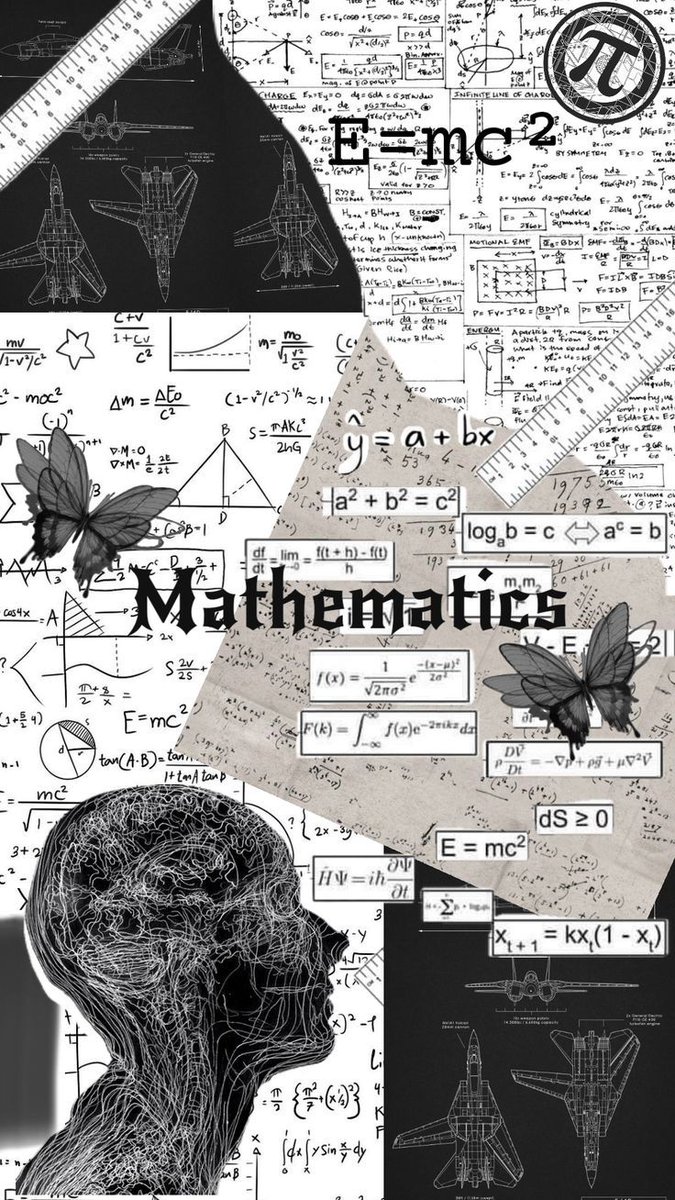
study math.
not for grades.
not for exams.
but because math rewires how you think.
it teaches you precision in chaos.
how to see structure where others see noise.
how to break a giant, messy problem into clean, solvable chunks.
every great engineer, physicist, and builder; whether they admit it or not; stands on mathematical intuition.
math sharpens your reasoning.
it builds pattern recognition.
it gives you the language of reality.
if you can think mathematically,
you can think about anything.