We are sad to announce that Georgina Mace passed away over the weekend, surrounded by her family. She was a celebrated scientist, loyal friend, loving sister, aunt, wife, mother and grandmother. We cherish the time we had with her and know her vital work will be continued.
Great to see the latest #LivingPlanetReport out today, although the statistics on the state of biodiversity make for grim reading. With a @UCLCBER contribution on drivers of biodiversity change on land, led by Adrienne Etard and @jjwilliams924. https://t.co/i6ABi6O72k
Global animal populations have on average declined by 68% since 1970, according to the @WWF#LivingPlanetReport 2020 involving @UCLCBER researchers. Prof @GMMace says conservation actions alone won't be enough to "bend the curve on biodiversity loss" https://t.co/93M6NgZfSr
We're looking for a postdoc to upscale the biodiversity-ecosystem services relationship within the globally unique @Exploratories project. 2yrs @Senckenberg, Frankfurt. Please RT https://t.co/HxMcYQ2sDX
We plan to apply the framework to practical contexts where there are many demands on the environment, especially food, water, climate mitigation/adaptation and biodiversity; and challenges for equity and sustainability @SHEFSGlobal@UCLCBER@wellcometrust https://t.co/i7doQfrXDq
Short #thread.
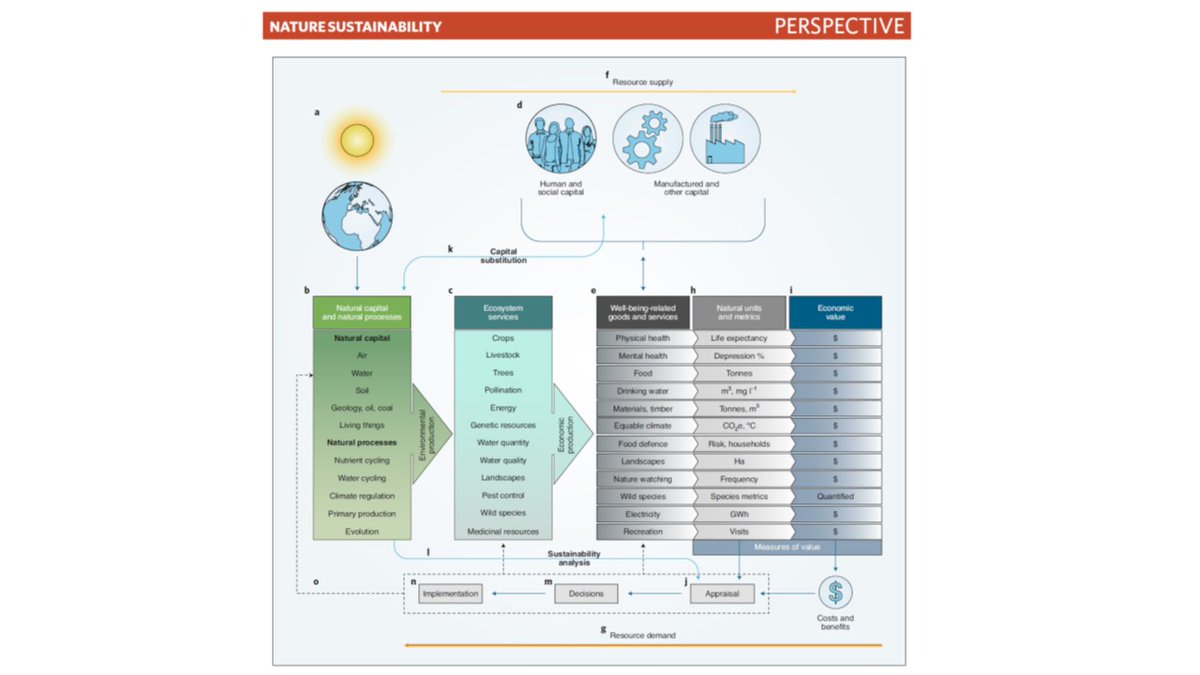
In this @naturesustainab paper, @ianbateman14 & I present a natural capital approach for making decisions which are sustainable, use resources efficiently, and are equitable. We present a general framework. https://t.co/sntFJaCTGs
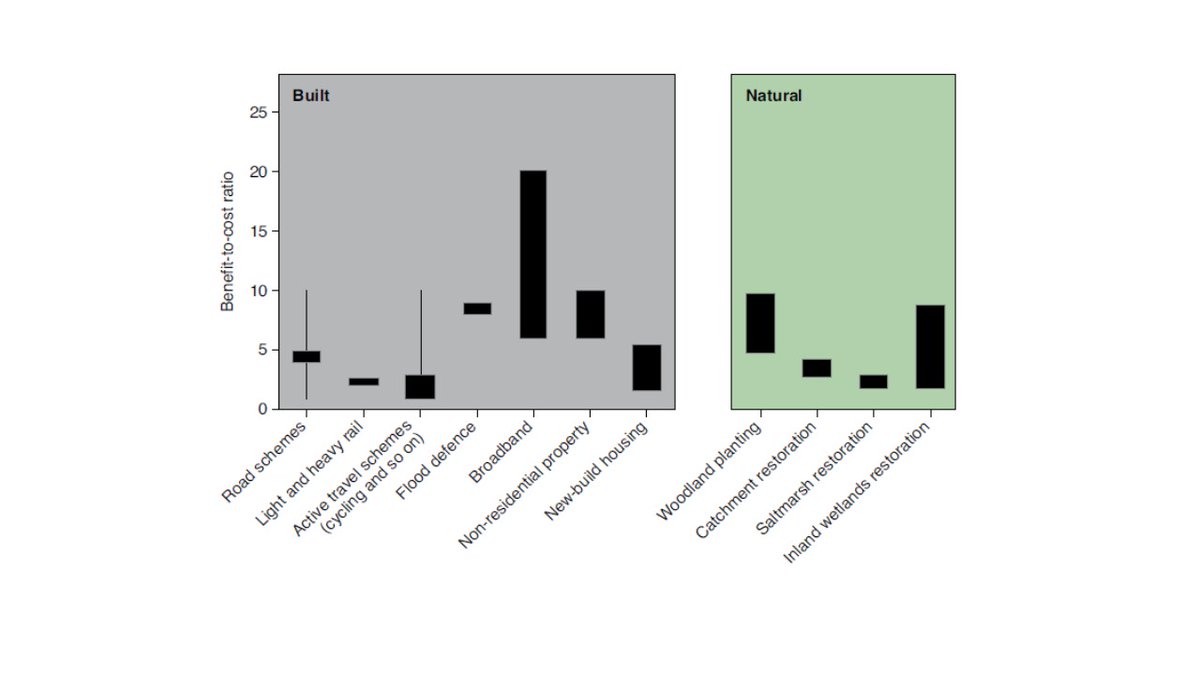
We show this approach can estimate the return on investment in natural assets (ecosystems) using @Nat_Cap_Com work. From the background in economics, ecology and accounting our research agenda could make this all work so much better, to the benefit of all. https://t.co/sntFJaCTGs
Over the last weeks, a substantial amount of new evidence has become available about immunity to #SARSCoV2. This information can be difficult to process and integrate. As such I felt it may be helpful to write a thread to summarise the information and provide some context.
(1/13)
Why is biodiversity important? A pre-lockdown event - detailed but very diverse discussion @edenproject hosted by @royalsociety, expertly chaired by Gillian Burke @gillians_voice with involving Sir Tim Smit, Sebsebe Demissew, Lindsay Turnbull et moi. https://t.co/o2hNxJpF9l
Lessons from the COVID-19 pandemic could help avert global warming and mass species extinction – University of Exeter & University of Cambridge: https://t.co/YpVDhrUQJN NEW today on Viral Stories #ClimateCrisis#COVIDー19
Lessons from the Covid-19 pandemic, such as early intervention & lifestyle changes for the collective good, should be applied to the environmental crises of global heating & species extinction, say scientists including Prof @GMMace@UCLCBER@uclbiosciences https://t.co/q7aKlzbWc8
Listen to the scientists: „the spread of coronavirus shares common characteristics with both global heating and the impending „sixth mass extinction" of #biodiversity
What should we learn from the pandemic to guide responses to climate change and biodiversity loss? Essay by Andrew Balmford, @BBalmford, @bpkfish, David Wilcove and me.
https://t.co/sx94uXM65q
Learn from the pandemic to prevent further envionmental catastrophes - essay by Andrew Balmford, @bpkfish David Wilcove, @BBalmford and me. https://t.co/nOapBQ2KQr. https://t.co/sx94uXM65q