The Global Ocean Artificial Light at Night Network
@GOALANN
A central resource of marine light pollution expertise, projects and tools for policy makers, environmental managers, maritime industries, media and the public
A new fully funded PhD studentship opportunity available through @CDT_SuMMeR to research sustainable lighting strategies for coastal cities @PlymUni with @plymouthcc
and @PlymouthMarine
https://t.co/9MKO4o9Wwn
Want to do a PhD but also get experience and qualifications in teaching? Check out our advertised Doctoral Teaching Assistant Position on Darkening in the global oceans @PlymUni@PlymouthMarine@PlymBioMarSci
https://t.co/6AQyKoEBDG
For postgraduate students interested in developing Sustainable Lighting For Coastal Cities, check out our advertised PhD studentship with @PlymUni, @PlymouthMarine. and @marineresplym
https://t.co/yNUM4c7EMr
A new fully funded PhD studentship opportunity available through @CDT_SuMMeR to research sustainable lighting strategies for coastal cities @PlymUni with @plymouthcc
and @PlymouthMarine
https://t.co/9MKO4o9Wwn
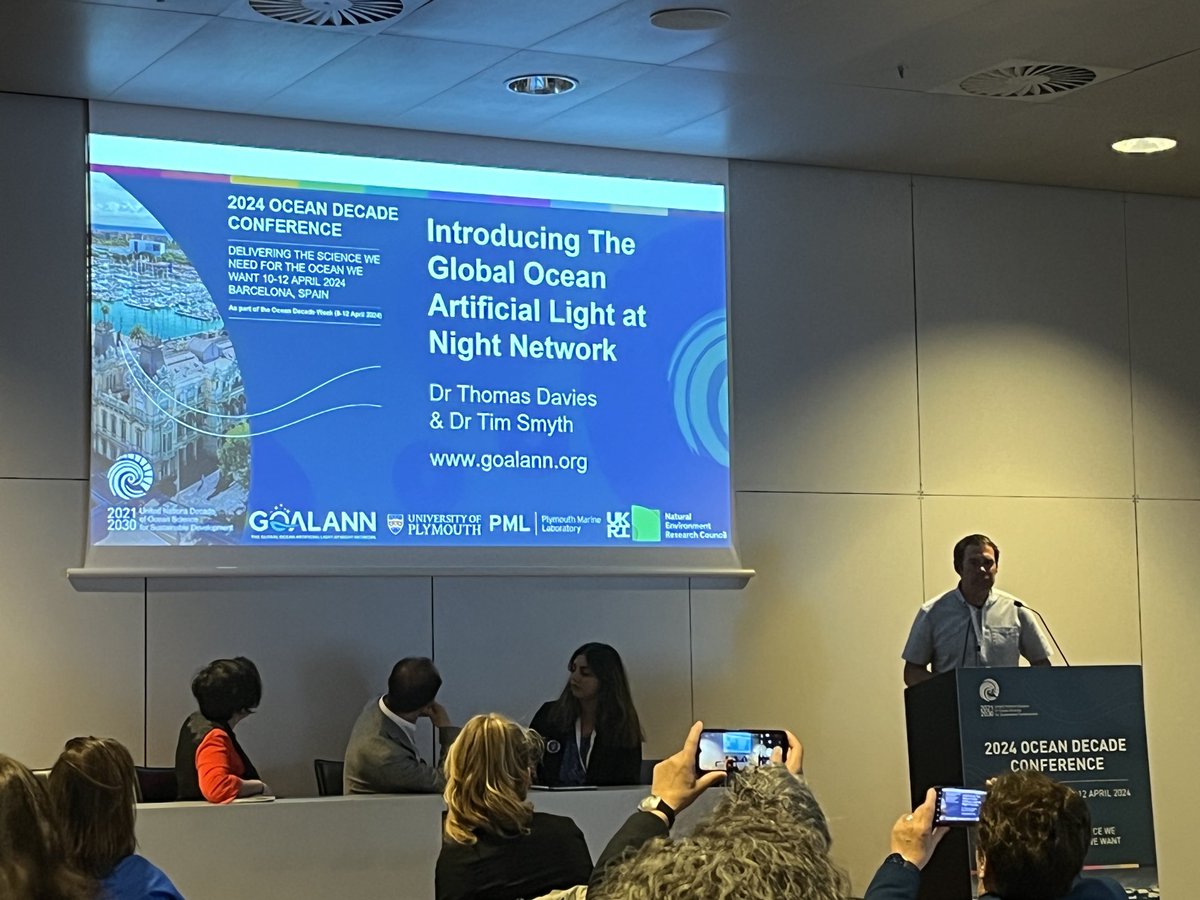
As part of the #oceandecade24 meeting it is great see @PlymUni and @PlymouthMarine leading the way with the launch of a global network on light pollution - GOALANN
Want to know more about marine light pollution research @PlymouthMarine and @PlymUni, @plymbiolmarsci, UK?
2024-03-01 PML - ALAN - Edit 5 https://t.co/akuYKd5kvW via @YouTube
@Thomas_W_Davies is recruiting a new full time 3 year Research Fellow in Marine Sensory Ecology based at @plymuni, @plymouthbiol to join the @AquaPLAN_EU international consortium working on light and noise pollution impacts on marine biodiversity.
https://t.co/GHlgJfMDu1
A new fully funded PhD studentship opportunity available through @CDT_SuMMeR to research sustainable lighting strategies for coastal cities @PlymUni with @plymouthcc and @PlymouthMarine
https://t.co/9MKO4o9Wwn
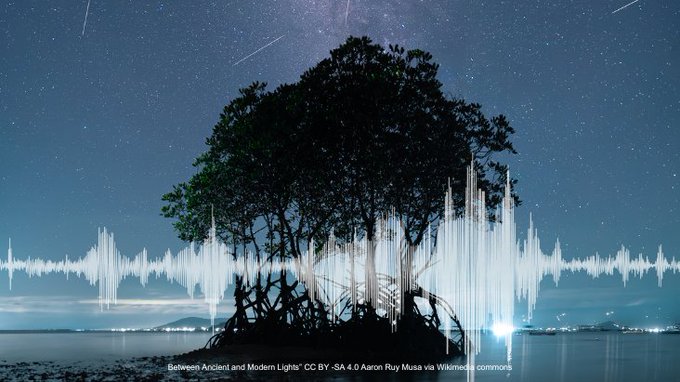
It' not everyday that someone writes a poem about your research! https://t.co/fBNXCIypst Thanks to @samillingworth for this inspired by our research on coral spawning near city lights published in @NatureComms by @PlymUni@PlymouthMarine@MarineSciPlym
https://t.co/n3qNcZ6J8x
Delaying the switching on of city lights by just 1 hour could help corals synchronize their reproduction in new research from @NERCscience funded ALICE project @PlymUni@PlymouthMarine@MarineSciPlym published in @NatureComms https://t.co/uh35hPsU8O
Latest from @PlymUni and @PlymouthMarine on the @NERCscience funded ALICE project: Broad spectrum artificial light at night increases the conspicuousness of camouflaged prey https://t.co/W08fx6O25I