Doctoral Researcher in Legumes Genomics @QAAFI @CoEPlantSuccess & @nextgenbreeders | Former Researcher at @LeibnizIPK & Intern at @mpipz_cologne| @MASTERemPLANT
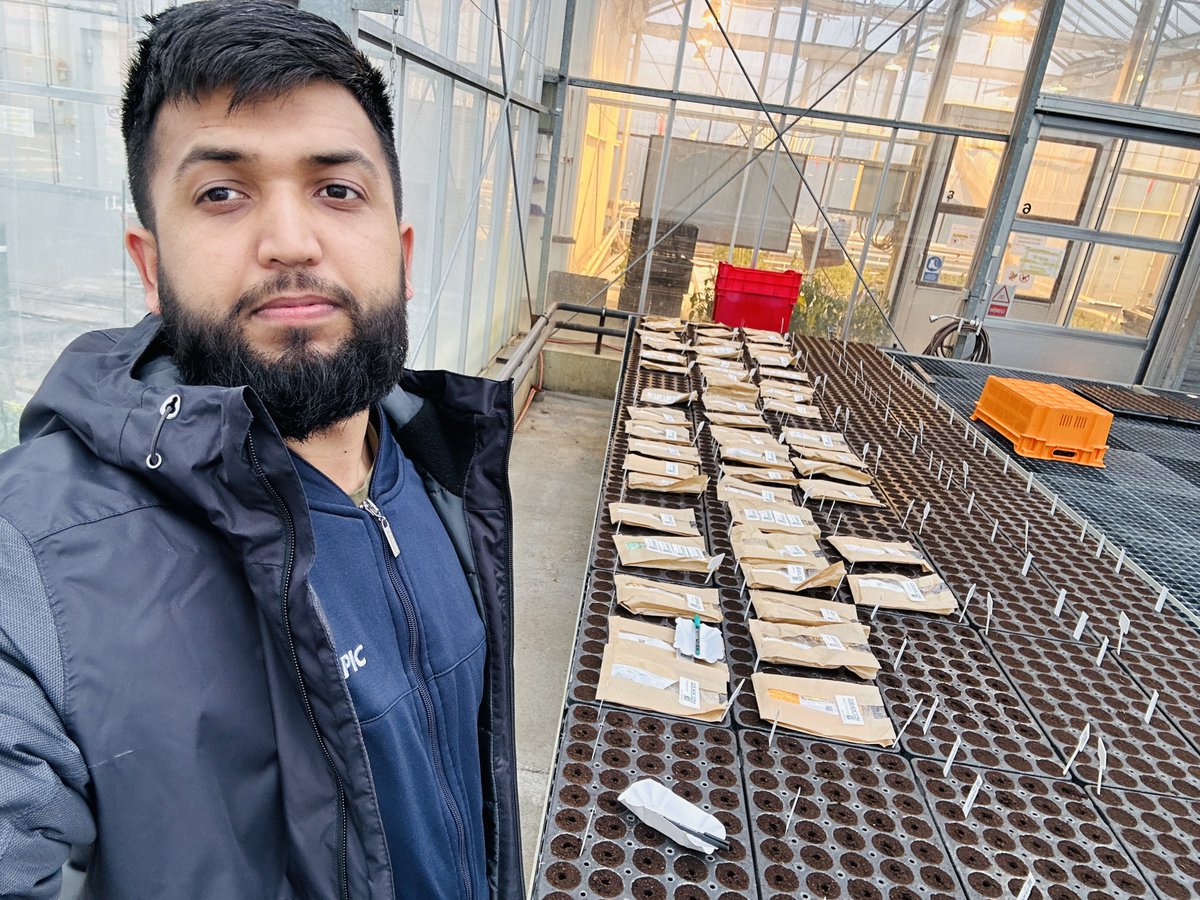
#emPLANT+ intake 2 students currently at MATE have a mandatory internship to do.
Hamza is doing it at @Syngenta Hungary.
He is working on the preparation of #seeds for sowing of different vegetables.
Good job Hamza, keep going!
Great! Cutting nodules is fine but still manual and low-throughput. I am developing a high-throughput nodule phenotyping method using deep learning as part of my PhD project to transform SNF in Australian pulses, aiming for richer, scalable nodulation traits.
#GRDC#SNF
Worried about your pulse nodulation? Conducting nodulation checks can help you to troubleshoot poor nodulation. Here’s a tip below!
✅ Cut open a few nodules when you are conducting a nodulation count. You are looking for a healthy red or pink colour inside the nodules.
❌ DON’T assume you can’t improve your nodulation score. There are many variables that can impact nodulation, with many remedied by adjusting your inoculation strategy.
➡️ For more tips on conducting legume nodulation checks, read the Dos and Don’ts of Legume Nodulation Checks publication here: https://t.co/qP4LGw1NZc
@adelaideuni, @SA_PIRSA, @MurdochUni, @DPIRDbroadacre, @AgCommunicators, Department of Primary Industries and Regional Development (NSW), Department of Primary Industries, Queensland
#NitrogenFixation #Legumes #NodulationChecks #Agronomy
New Letter: "An LRR co-receptor kinase essential for systemic nitrogen-demand signalling" https://t.co/fayqikPHE4
It is co-receptor for CEPR1, assigning a function to the last unknown clade of this receptor family. Key regulator of systemic N-demand signalling in plants.
🌽Zhu et al. uncover a key regulatory pathway controlling #maize root #development and highlight a valuable target #gene for improving root systems and enhancing drought tolerance in crop breeding programs.
🍿https://t.co/qeX3ivJUOS @WileyLifeSci#PlantScience#JIPB
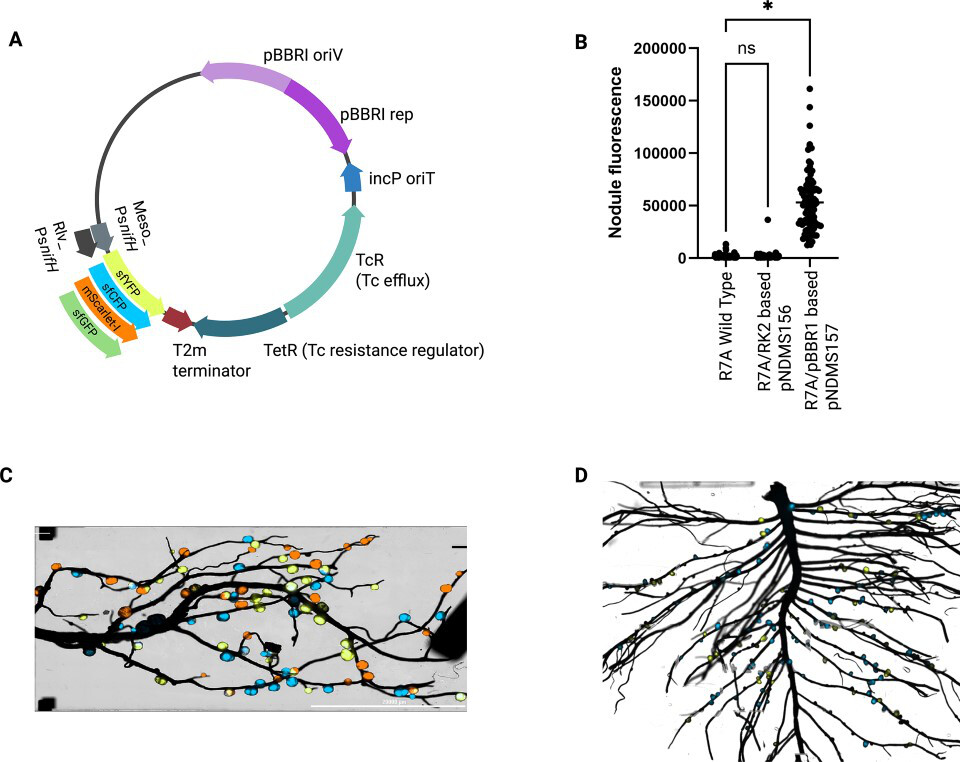
New resource from @BarneyGeddes lab @NDSU
Fluorescent bioreporters for assessing nitrogenase expression and rhizobial nodule occupancy in Lotus japonicus and Pisum sativum | Microbiology Resource Announcements https://t.co/MKRjUEdyPM
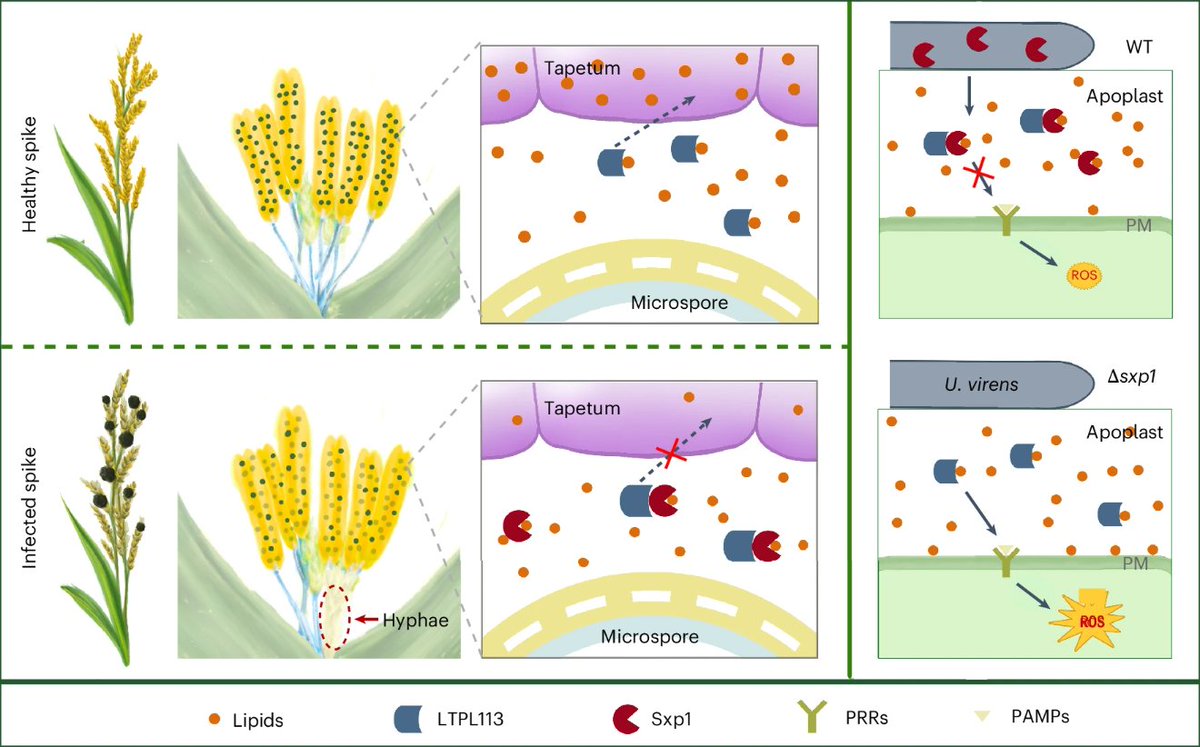
New Article: "Rice false smut fungus hijacks rice lipid signalling to manipulate floret development and immunity" https://t.co/M8sNRRUxDn
Fungus disrupts floret development and suppresses immunity by secreting the effector Sxp1, which targets a lipid transfer protein.
The banana plant is not a tree — it is a giant herbaceous plant. What looks like a trunk is the pseudostem, formed by the tightly overlapping bases of its leaf sheaths. 🌿
Understanding its anatomy helps make sense of how it grows, even in temperate gardens.
Flag leaf: the last leaf produced before flowering. Its appearance signals that the bunch is already forming inside the pseudostem — the plant is committed to fruiting.
Adult leaf: powers the photosynthesis that fills the fruit. Every leaf lost to wind damage or disease directly reduces the final weight of the bunch.
Leaf blade (lamina): the wide flat part of the leaf, crossed by a prominent midrib, with an upper surface (adaxial) and a lower surface (abaxial).
Pseudopetiole: the section connecting the leaf blade to the pseudostem.
Pseudostem: the false trunk, built entirely from tightly rolled leaf bases wrapped around each other. It can reach between 6 and 25 feet depending on variety, but contains no woody tissue whatsoever.
Bunch (bunch of hands): the complete fruit structure. Each row of bananas is a hand, and each individual banana is a finger. A bunch carries between 6 and 14 hands depending on variety and growing conditions.
Female flower hands: these develop into the hands of fruit. The female flowers open first and are the ones that set fruit.
Flower heart (male inflorescence): the pendant bud at the end of the bunch, containing the male flowers. In tropical cuisines it is cooked as a vegetable.
Sucker (pup): the lateral shoot emerging from the rhizome. This is the primary method of propagation — the parent plant dies after fruiting and the sucker takes over.
Rhizome: the true underground stem of the plant, from which both the roots and the suckers originate.
Roots: fibrous and shallow, concentrated in the top 12 inches of soil — which is why bananas need consistent surface moisture and do not compete well with deep-rooted plants.
In the US, banana plants can be grown in the ground year-round in zones 8 to 11. In zones 5 to 7, Musa basjoo — the Japanese fiber banana — is the most cold-hardy ornamental variety, surviving to around -10F with heavy mulching over the rhizome. Ensete ventricosum and Musa sikkimensis are other cold-tolerant options for northern gardens grown as summer tropicals in containers.
🌿 Not a tree. Not a palm. A giant herb that fruits once and hands the garden to its children.
#fyp #gameday #comunityevent #darkhumor Sammayorgreenfild
The banana plant is not a tree — it is a giant herbaceous plant. What looks like a trunk is the pseudostem, formed by the tightly overlapping bases of its leaf sheaths. 🌿
Understanding its anatomy helps make sense of how it grows, even in temperate gardens.
Flag leaf: the last leaf produced before flowering. Its appearance signals that the bunch is already forming inside the pseudostem — the plant is committed to fruiting.
Adult leaf: powers the photosynthesis that fills the fruit. Every leaf lost to wind damage or disease directly reduces the final weight of the bunch.
Leaf blade (lamina): the wide flat part of the leaf, crossed by a prominent midrib, with an upper surface (adaxial) and a lower surface (abaxial).
Pseudopetiole: the section connecting the leaf blade to the pseudostem.
Pseudostem: the false trunk, built entirely from tightly rolled leaf bases wrapped around each other. It can reach between 6 and 25 feet depending on variety, but contains no woody tissue whatsoever.
Bunch (bunch of hands): the complete fruit structure. Each row of bananas is a hand, and each individual banana is a finger. A bunch carries between 6 and 14 hands depending on variety and growing conditions.
Female flower hands: these develop into the hands of fruit. The female flowers open first and are the ones that set fruit.
Flower heart (male inflorescence): the pendant bud at the end of the bunch, containing the male flowers. In tropical cuisines it is cooked as a vegetable.
Sucker (pup): the lateral shoot emerging from the rhizome. This is the primary method of propagation — the parent plant dies after fruiting and the sucker takes over.
Rhizome: the true underground stem of the plant, from which both the roots and the suckers originate.
Roots: fibrous and shallow, concentrated in the top 12 inches of soil — which is why bananas need consistent surface moisture and do not compete well with deep-rooted plants.
In the US, banana plants can be grown in the ground year-round in zones 8 to 11. In zones 5 to 7, Musa basjoo — the Japanese fiber banana — is the most cold-hardy ornamental variety, surviving to around -10F with heavy mulching over the rhizome. Ensete ventricosum and Musa sikkimensis are other cold-tolerant options for northern gardens grown as summer tropicals in containers.
🌿 Not a tree. Not a palm. A giant herb that fruits once and hands the garden to its children.
#fyp #gameday #comunityevent #darkhumor Sammayorgreenfild
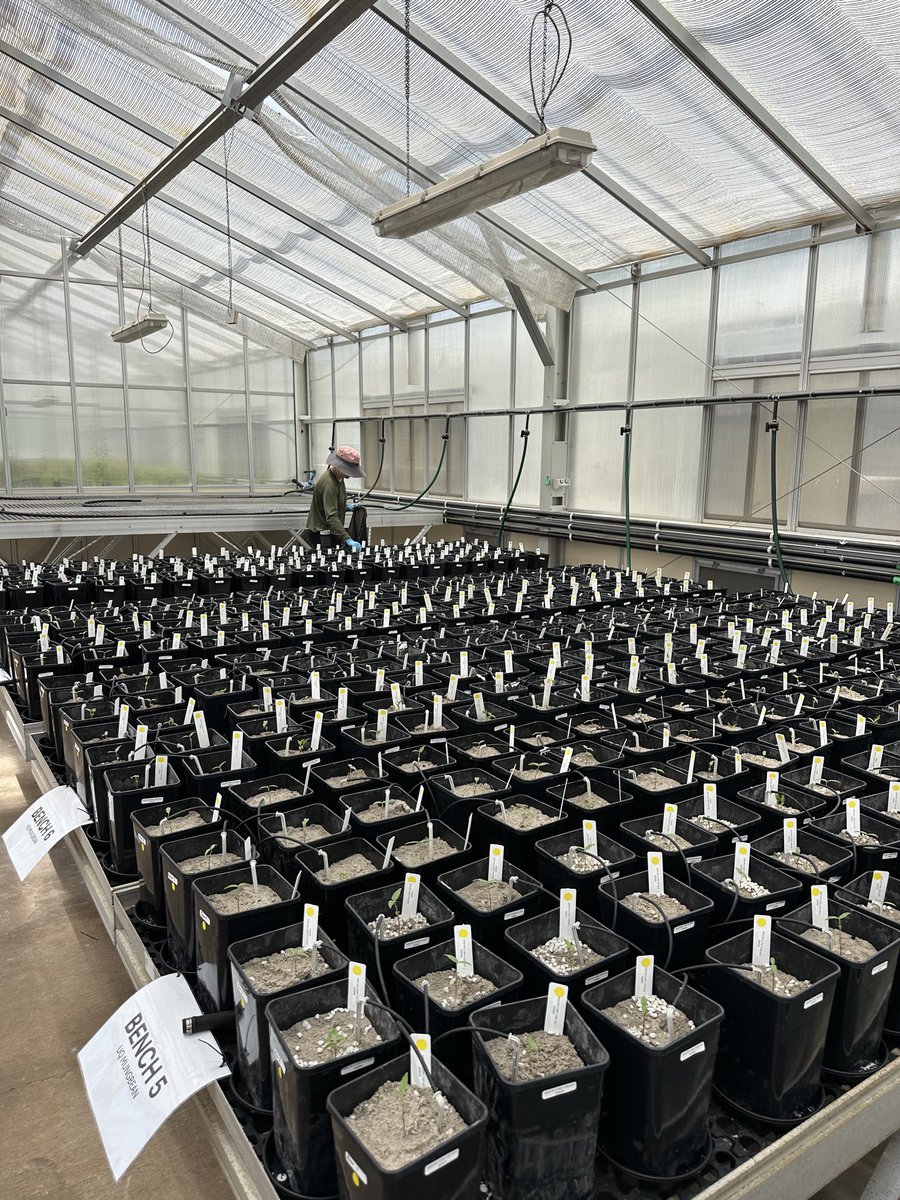
We’ve just planted a mungbean trial under contrasting soil nitrogen conditions at the Redlands Research Facility, Brisbane. This experiment marks another step toward solving one of the major bottlenecks in mungbean research labour intensive nodule counting.
#UQ#QAAFI#GRDC#SNF
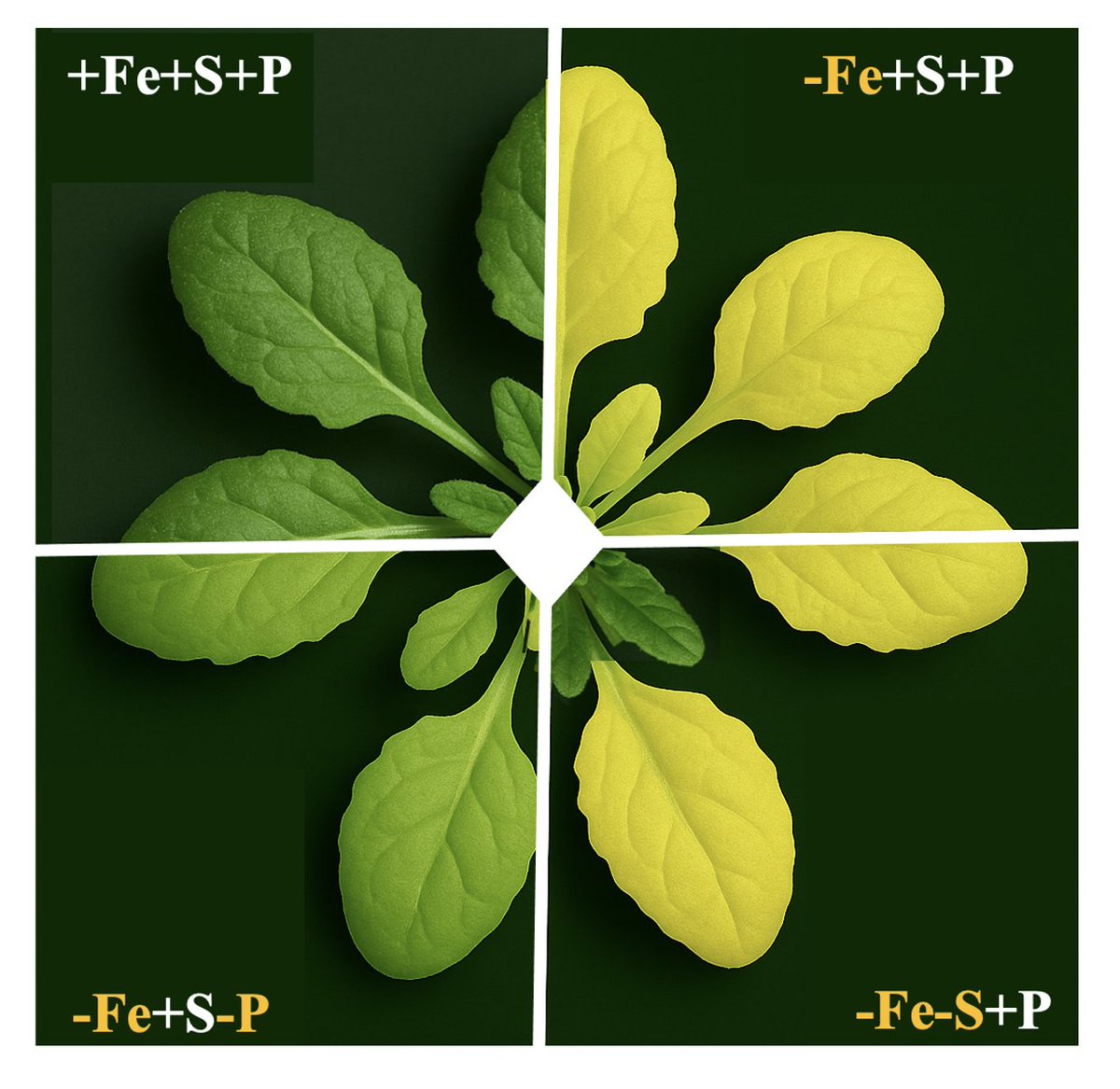
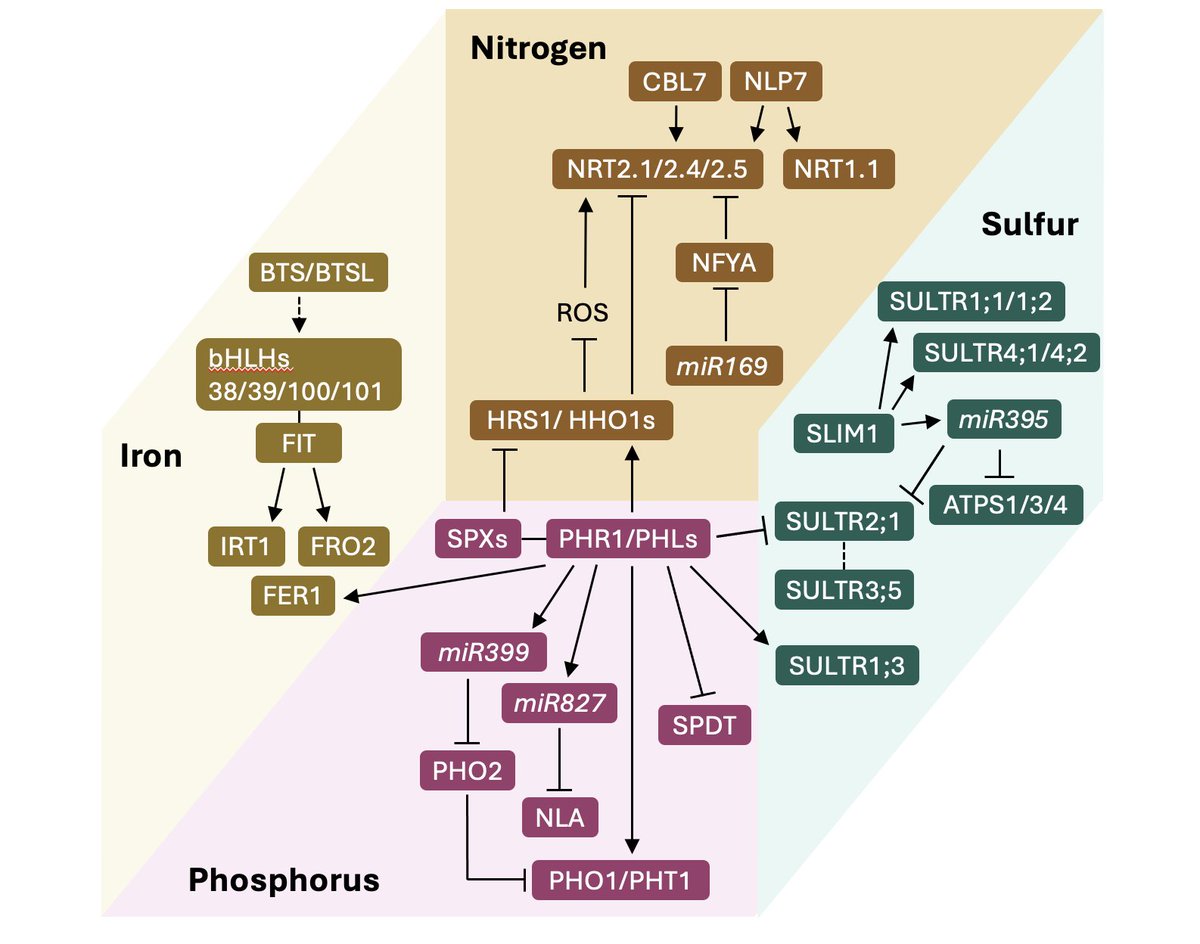
➡️Plants don’t manage nutrients one at a time.
Sulfur metabolism is tightly wired to nitrogen, phosphorus, and iron networks. Our new review explores the regulatory hubs (SLIM1, PHR1, NLP7, FIT) shaping this nutrient cross-talk in Arabidopsis. https://t.co/v7VFrGYaGx
We’re #hiring! Our #IMPRS@mpipz_cologne & @UniCologne recruits 4 PhD students. We look for candidates with a keen interest in experimental & computational plant biology to join us in 2026!
Find details at https://t.co/nYbaQrwXz4 and apply by Jan 5.
#PlantSciJobs
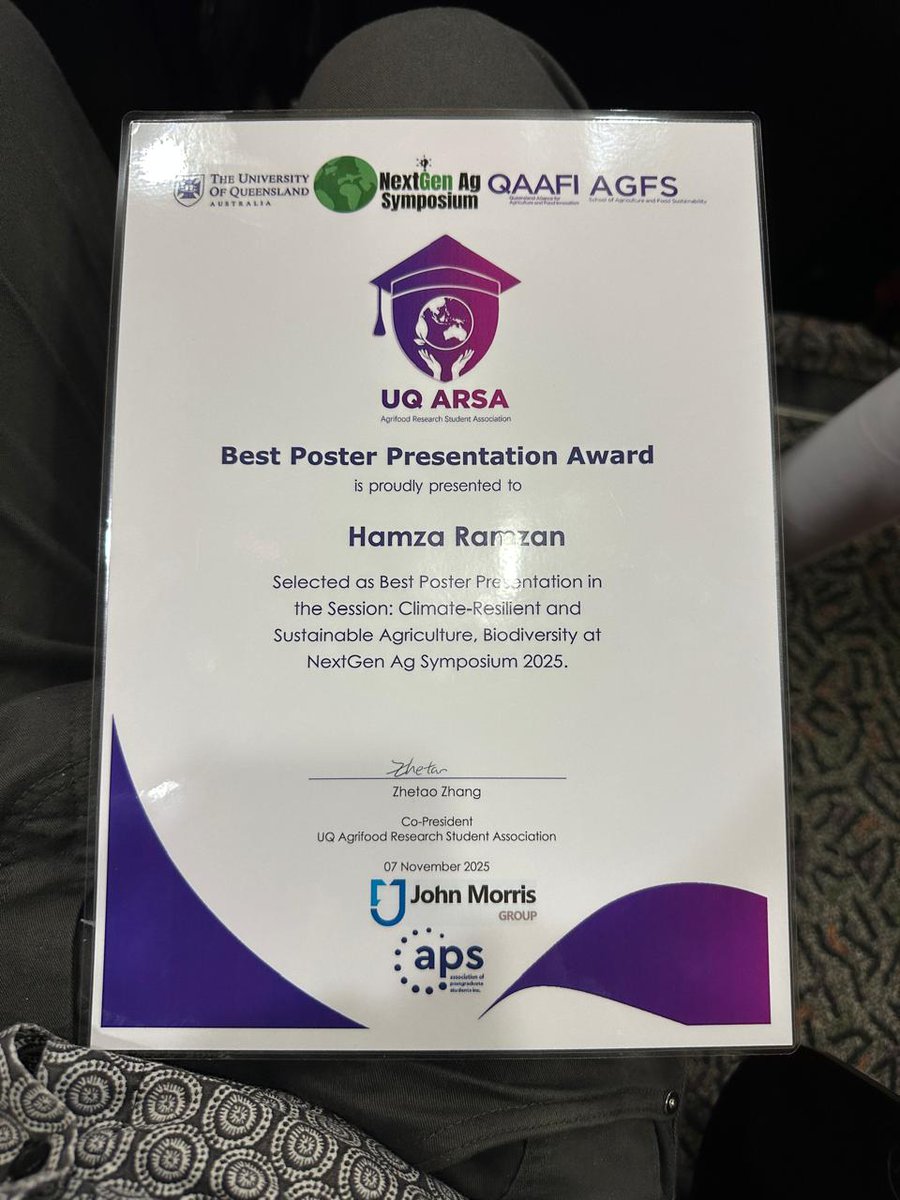
Thrilled to receive the Best Poster Presentation Award 🏆 & a $100 gift card at #NextGenAgSymposium2025 (Climate-Resilient & Sustainable Agriculture, Biodiversity session)!
Grateful to my mentors & friends for their support.
@CoEPlantSuccess @nextgenbreeders @QAAFI
🌿 Can microbes save plants from heavy metal stress?
AMF and Pseudomonas fluorescens helped tomatoes resist cadmium & zinc toxicity, restoring soil microbiomes and boosting defense metabolites 🌱
🔗 https://t.co/gwaeaZNCsM
#Bioremediation#SoilHealth#Microbiome#PlantStress
🌿 3 new PhD positions in the Ton lab @PPS_UoS. Part of the ERC project 'PlantMemo', exploring how plants remember & respond to stress.
🧬 PhD 1 (UK only) 👉 https://t.co/e7ZGObKtRw
🦠 PhD 2 (UK & EU) 👉 https://t.co/LCeyiJKccU
🌱 PhD 3 (UK only) 👉 https://t.co/vgjLNiduOn
#PhD
FULLY MOBILE phenotyping at APPN @UQ_News!
Our new PhenoMobile puts 3 LiDARs, 3 RGB cameras, thermal camera & spectrometer right over crops for hi-res, hi-throughput measurement of plant structures, features, traits and responses. See https://t.co/kWPQcskAdX
#NCRISimpact
✈️ Early Career Researchers apply now for IWC2026 Travel Awards (up to €999) to attend the 4th International Wheat Congress in Bologna, Italy! Deadline 30 Nov 2025 → https://t.co/Vxa8MEYxkm
#IWC2026Bologna 🇮🇹 #WheatConnect#ECR#PhD#IWC2024Perth
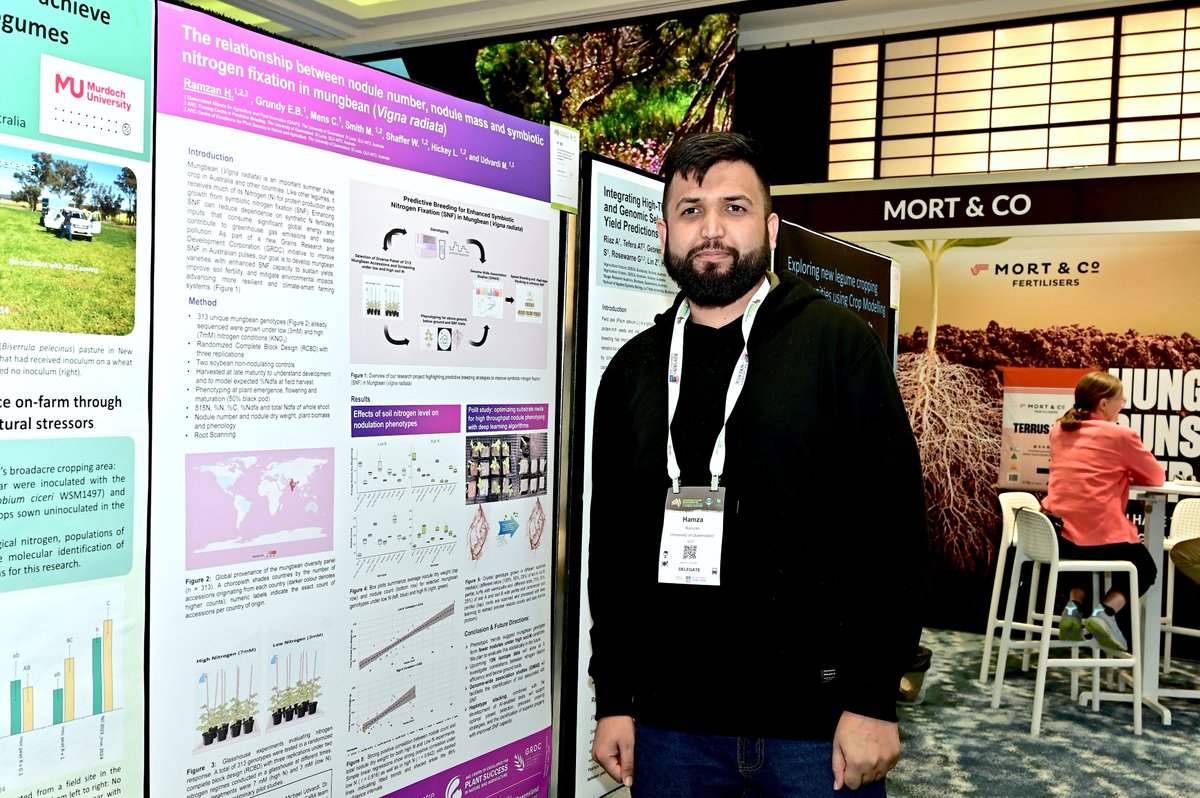
Attending the 8th International Food Legume Research Conference and the 5th Australian Pulse Conference 2025 was an incredible experience! I had the opportunity to present my poster and engage with world-leading scientists in pulse research.
@CoEPlantSuccess @nextgenbreeders
🎬 NEW #GRDCVideo
Meet Brolga & Kookaburra - great Aussie birds & new mungbean varieties!
They deliver:
1️⃣ Higher yield
2️⃣ Better disease resistance
3️⃣ Superior grain quality
Watch now: https://t.co/nesldCsCj4