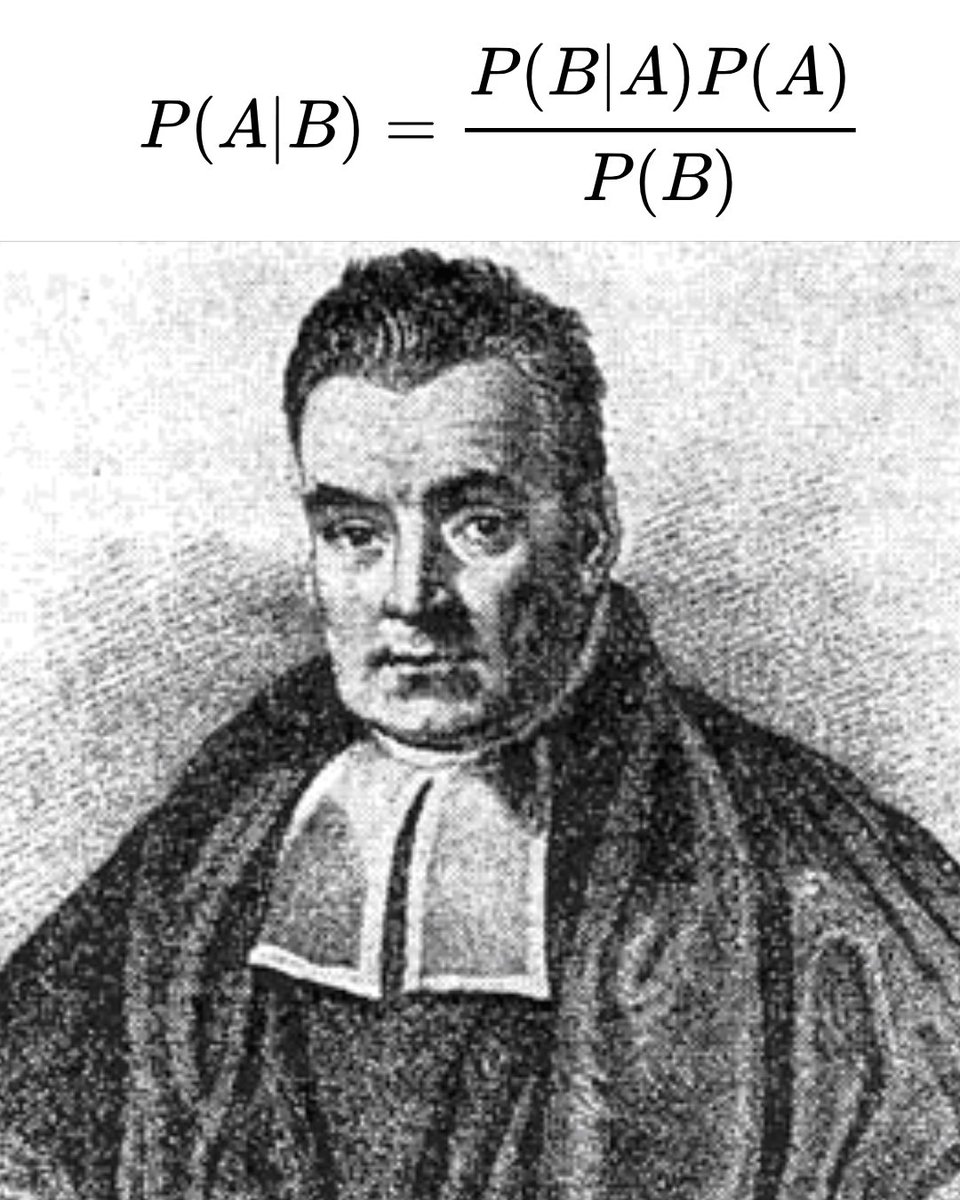
Bayes’ theorem is probably the single most important thing any rational person can learn.
So many of our debates and disagreements that we shout about are because we don’t understand Bayes’ theorem or how human rationality often works.
Bayes’ theorem is named after the 18th-century Thomas Bayes, and essentially it’s a formula that asks: when you are presented with all of the evidence for something, how much should you believe it?
Bayes’ theorem teaches us that our beliefs are not fixed; they are probabilities. Our beliefs change as we weigh new evidence against our assumptions, or our priors. In other words, we all carry certain ideas about how the world works, and new evidence can challenge them.
For example, somebody might believe that smoking is safe, that stress causes mouth ulcers, or that human activity is unrelated to climate change. These are their priors, their starting points. They can be formed by our culture, our biases, or even incomplete information.
Now imagine a new study comes along that challenges one of your priors. A single study might not carry enough weight to overturn your existing beliefs. But as studies accumulate, eventually the scales may tip. At some point, your prior will become less and less plausible.
Bayes’ theorem argues that being rational is not about black and white. It’s not even about true or false. It’s about what is most reasonable based on the best available evidence. But for this to work, we need to be presented with as much high-quality data as possible. Without evidence—without belief-forming data—we are left only with our priors and biases. And those aren’t all that rational.
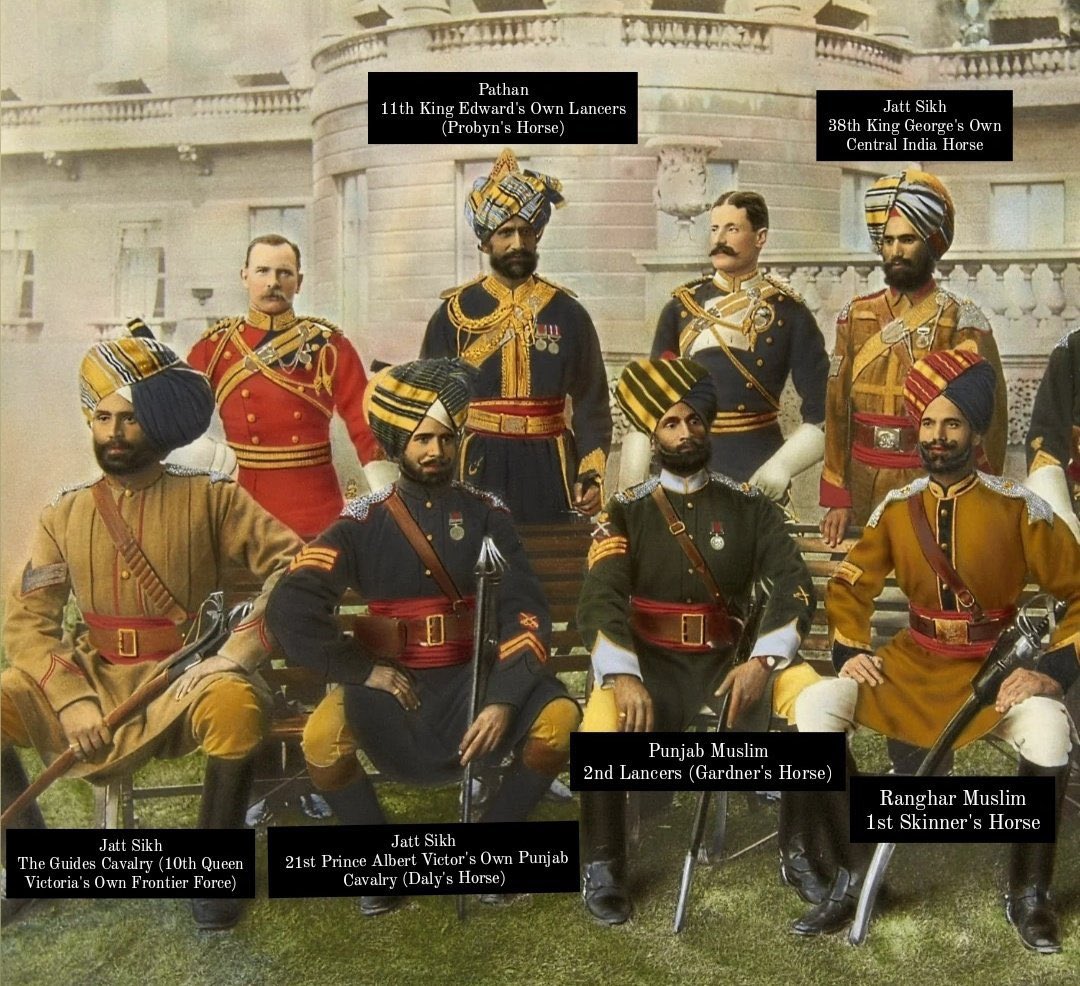
Hollywood would literally spend millions to stage a scene like this. But here are average men by the thousands, making it happen for the love of tradition, art, and battle.
"Sir Ridley Scott, we have surpassed thee"
The Greatest Medieval City in East Punjab
Indian Punjab is has been tragically bad at promoting any of its heritage sites outside Amritsar. And there is probably no place more unjustly neglected than Sirhind.
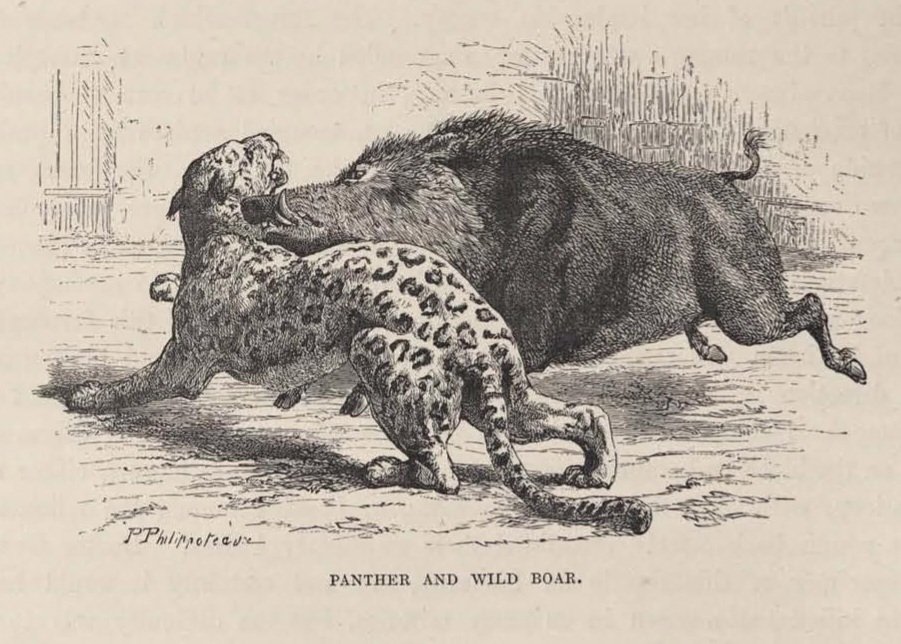
Louis Rousselet was a French traveller who spent four years in India in the mid-1860s. In his memoir, he writes that he witnessed a staged fight between a leopard and a wild boar in Mewar, which the wild boar won.
Not a fan of Kipling’s imperialist delusions, but there’s something about his poem that resonates with me particularly these days: “if you can keep your head when those about you are losing theirs, and blaming it on you…”
A beautiful Kalaam of Mian Muhammad Baksh recited by a Police Constable in Sacha Sauda Gurdwara in Sheikhupura. Thousands of Sikh pilgrims are visiting their most sacred land in Pakistan to celebrate the birth anniversary of Baba Guru Nanak Devji
The finest presentation of Raag Aiman by Ustad Shahid Parvez Khan who turns 66 today. Sitar maestro majestically represents 7th generation of Etawah gharana (his great-grandfather Imdad Khan, first recorded Sitarist in 1904). Exquisite kind of musical purity & hyper discipline.
Hyderabad Qutb Shahi tombs are alive again. The city is looking beyond Nizams
Rama Lakshmi @RamaNewDelhi, ThePrint Opinion and Ground Reports Editor, writes
And check out the innovative presentation by ThePrint editing team…
#ThePrintFeature
https://t.co/zgbvpCe2xs
Ratan Tata ’59, B.Arch. ’62, the university’s most generous international donor and one of India's most respected business leaders and philanthropists, passed Oct. 9. We will remember his legacy of transformative giving to Cornell.
https://t.co/0v0zYb6aGl
Mozart’s “Ave Verum Corpus,” or “Hail True Body,” is a hymn he wrote about the Eucharist near the end of his life.
Once more, the reality of Christ’s Real Presence in the Eucharist is not a mere theory, but a reality that has resulted in the most astounding beauty the world has ever seen or heard.
The lyrics of “Ave Verum Corpus” are as follows:
Hail, true Body, born
of the Virgin Mary,
having truly suffered, sacrificed
on the cross for mankind,
from whose pierced side
water and blood flowed:
Be for us a sweet foretaste
in the trial of death!