#grabstract of the day
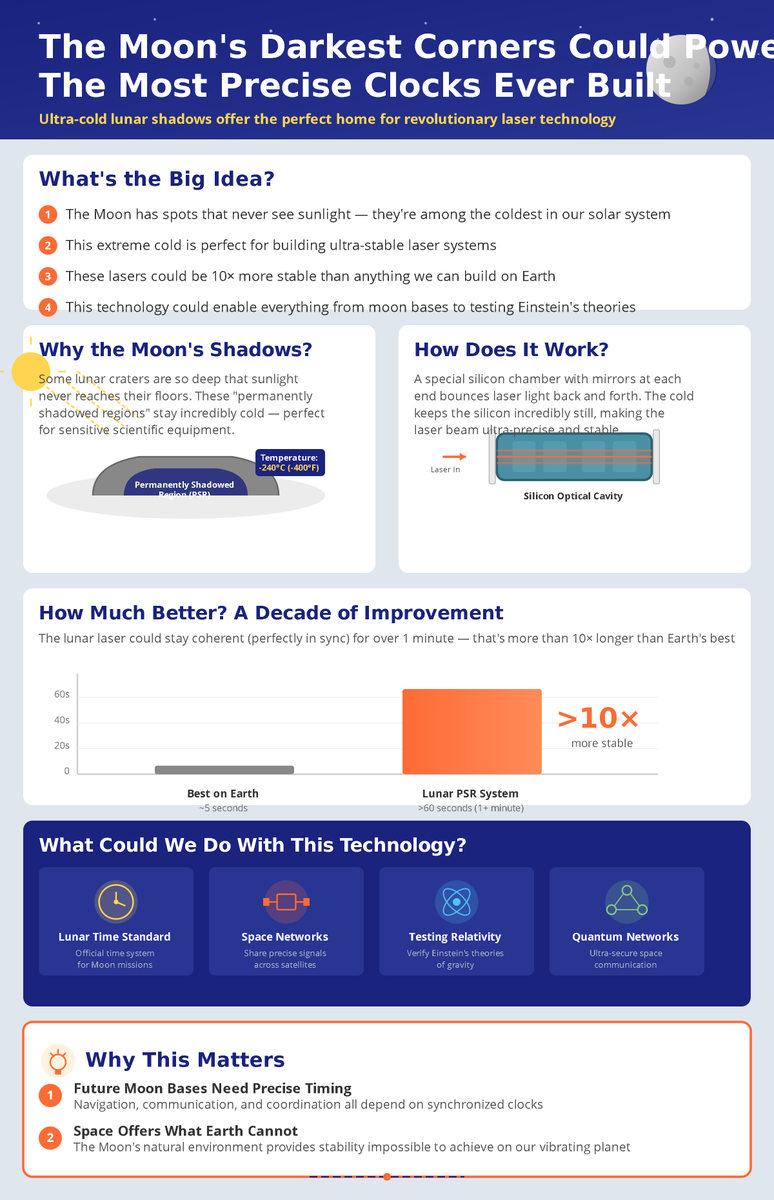
Scientists want to build an ultra-precise laser system in the Moon's coldest regions that could keep time better than anything on Earth and enable quantum communication networks in space.
https://t.co/K8VeAxOsqk
#grabstract of the day
Scientists created the first comprehensive map of immune structures in tumors across 12 cancer types and developed an AI tool that can predict patient outcomes just by looking at standard tissue images.
https://t.co/24spn9ytiA
#grabstract of the day
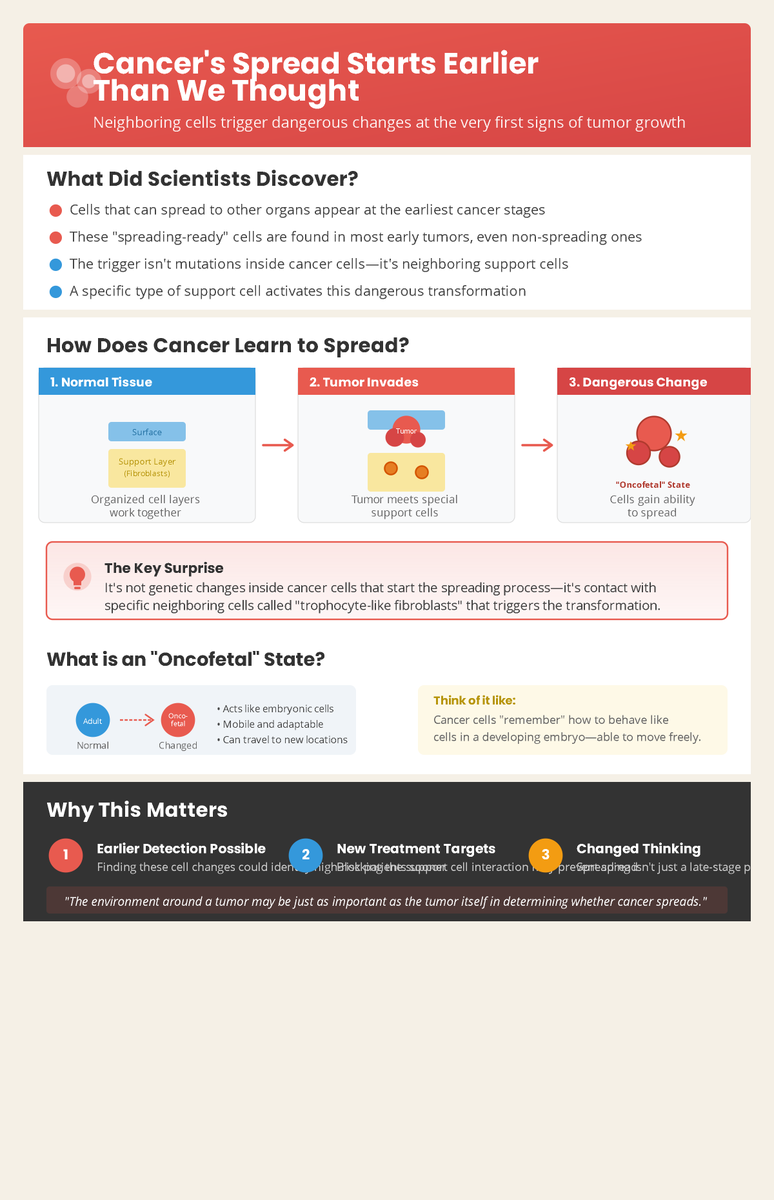
Early colorectal cancers develop cells with metastasis potential much sooner than expected, triggered by specific interactions with nearby supportive tissue cells.
https://t.co/o5Oxzi69WL
#grabstract of the day
Scientists discovered that key proteins in our cells form tiny droplets that help control how our body responds to hormones and drugs, revealing a new way cellular communication works.
https://t.co/5PYpcGqxqm
#grabstract of the day
Scientists discovered Earth has a hidden symmetry: when split along the 27°E meridian, the eastern and western halves reflect exactly the same amount of sunlight back to space.
https://t.co/ZYkWure9ZY
#grabstract of the day
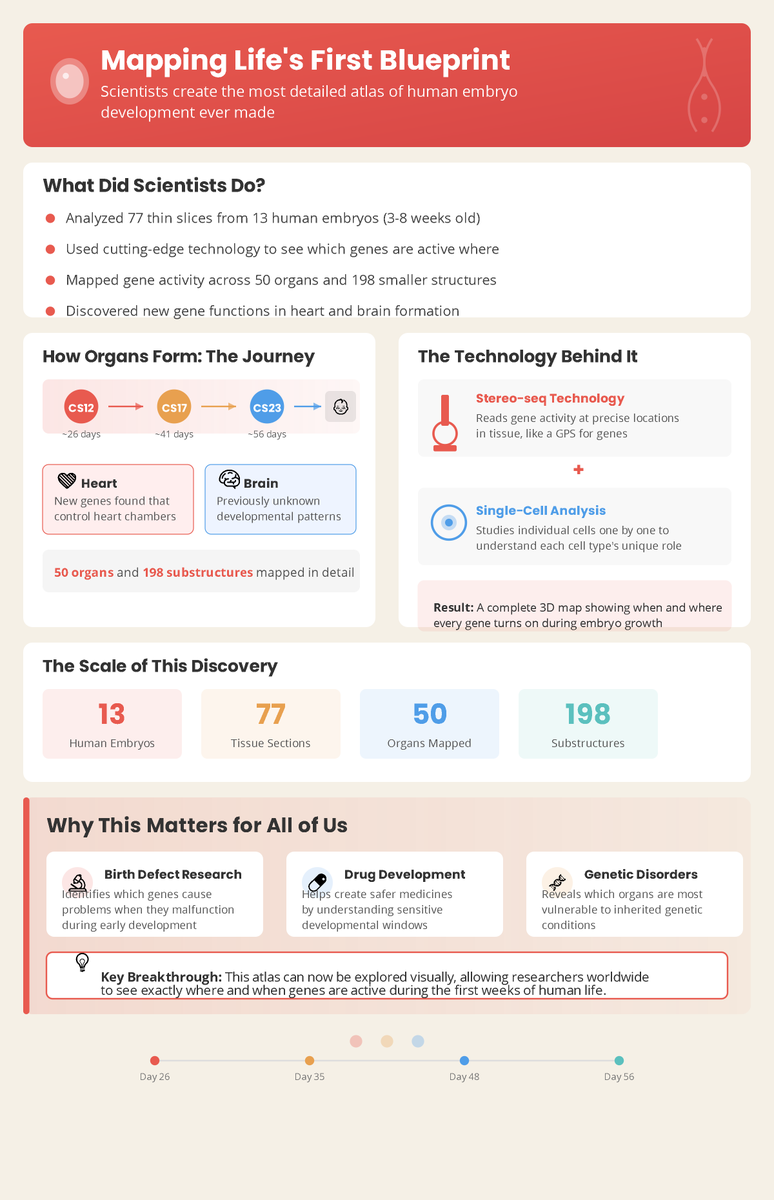
Scientists created the first detailed map of gene activity across developing human embryos, revealing how different organs form and identifying genes that could cause birth defects when they malfunction.
https://t.co/WXQJCexILJ
#grabstract of the day
Scientists discovered the exact brain connections that let young songbirds learn to sing by copying adults, revealing how imitation learning works in the brain.
https://t.co/zLPMUagezz
#grabstract of the day
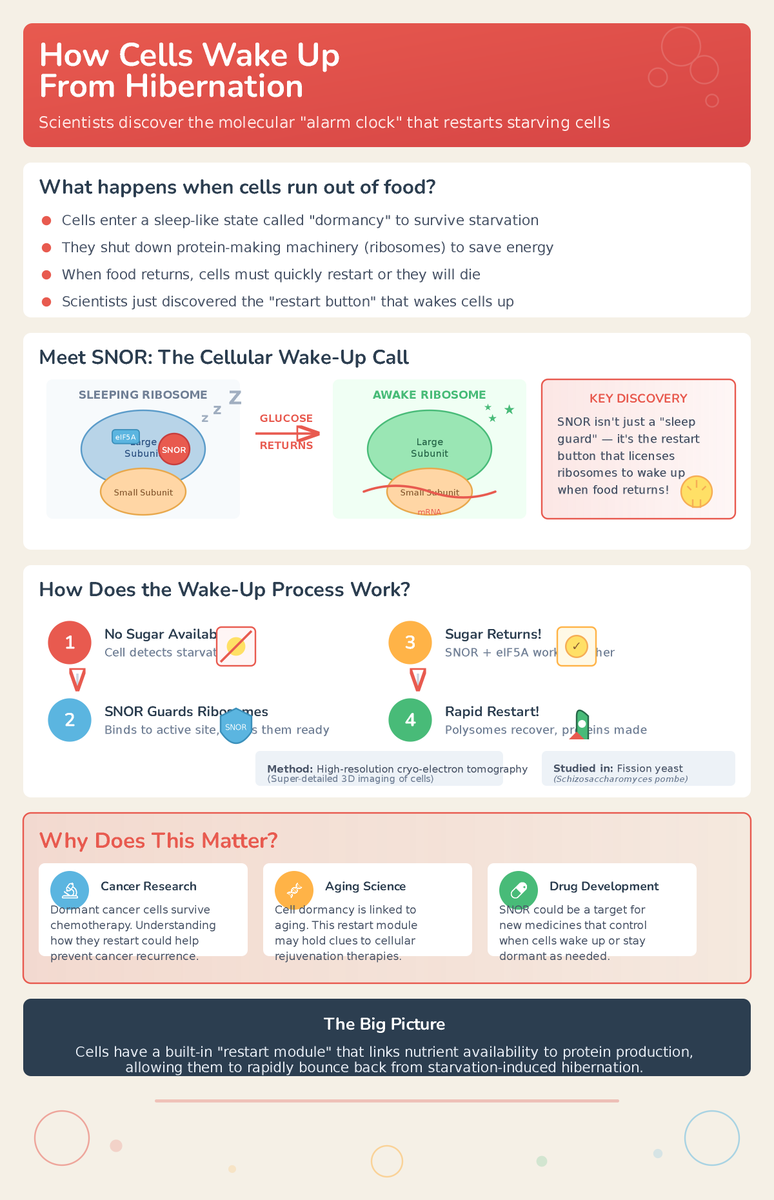
Scientists discovered a protein called SNOR that acts like a "restart button" for cells, helping them quickly resume making proteins after surviving starvation by shutting down.
https://t.co/sHLP5qQ42D
#grabstract of the day
New study of 793,199 fashion images over 25 years reveals a paradox: while diversity in modeling has increased, the typical model body type remains unrealistically thin compared to average Americans.
https://t.co/Phoj9QY94F
#grabstract of the day
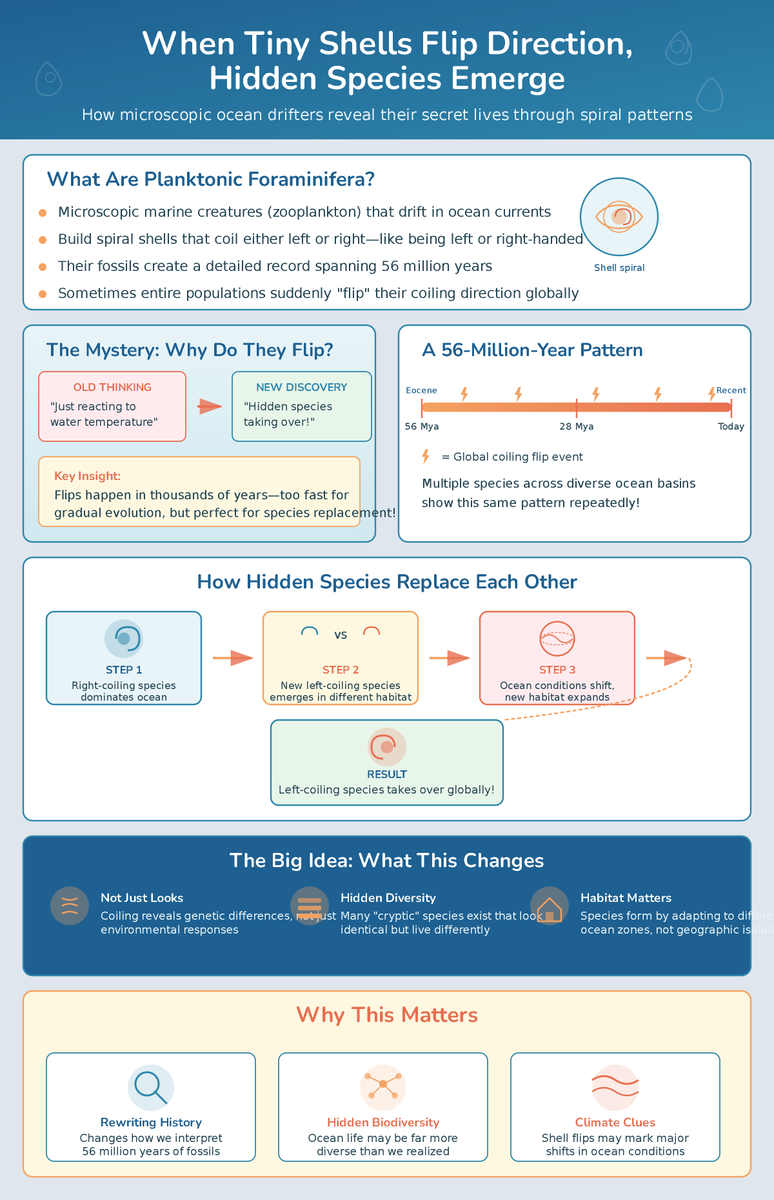
Tiny ocean creatures called plankton suddenly flip the direction their shells spiral, and scientists now think these dramatic reversals reveal hidden new species rapidly taking over the oceans.
https://t.co/JAfqf0phaq
#grabstract of the day
Scientists developed tiny delivery particles that can successfully deliver gene-editing tools directly to heart muscle cells, potentially offering new treatments for heart diseases like muscular dystrophy.
https://t.co/v59BgUIKNP
#grabstract of the day
Scientists recorded brain activity in mice and found that memory circuits use flexible "communication channels" to transform experiences into different types of memories for navigation and learning.
https://t.co/mf2OnJHYne
#grabstract of the day
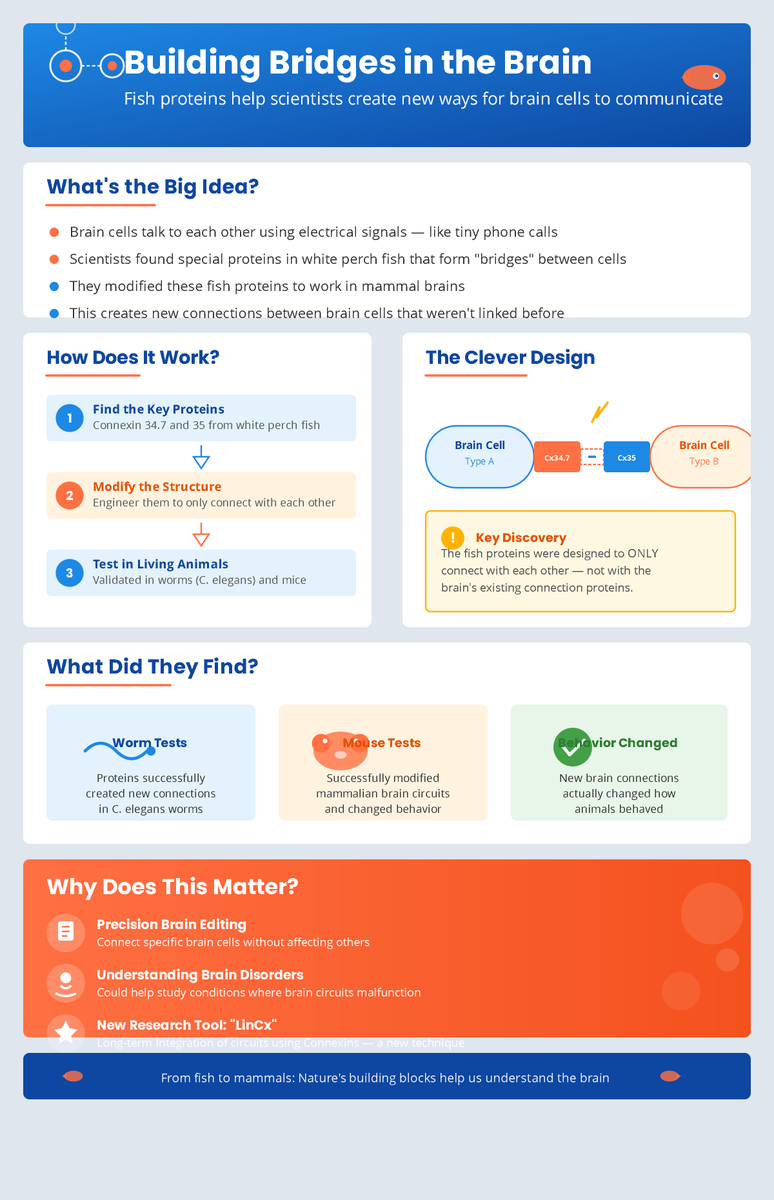
Scientists created artificial electrical connections between brain cells using proteins from fish, allowing them to precisely control communication between specific neurons and change behavior in living animals.
https://t.co/p0OTF2N7xz
#grabstract of the day
Scientists created artificial electrical connections between brain cells using proteins from fish, allowing them to precisely control communication between specific neurons and change behavior in living animals.
https://t.co/p0OTF2N7xz
#grabstract of the day
Scientists created tiny grippers inspired by Venus flytraps that use sound waves to grab and release microscopic objects in just 2 milliseconds, opening new possibilities for medical applications.
https://t.co/jLP6VRyHEG
#grabstract of the day
Scientists discovered that stress hormones help cancer cells hide from the immune system when they spread to new organs, and blocking these hormones could lead to better treatments.
https://t.co/0UQN5cxSEc
#grabstract of the day
Scientists discovered why PIEZO2 proteins are so good at detecting touch - they're connected to cellular scaffolding that makes them specially tuned to sense when cells get poked or pressed.
https://t.co/KgNTDlhC4F
#grabstract of the day
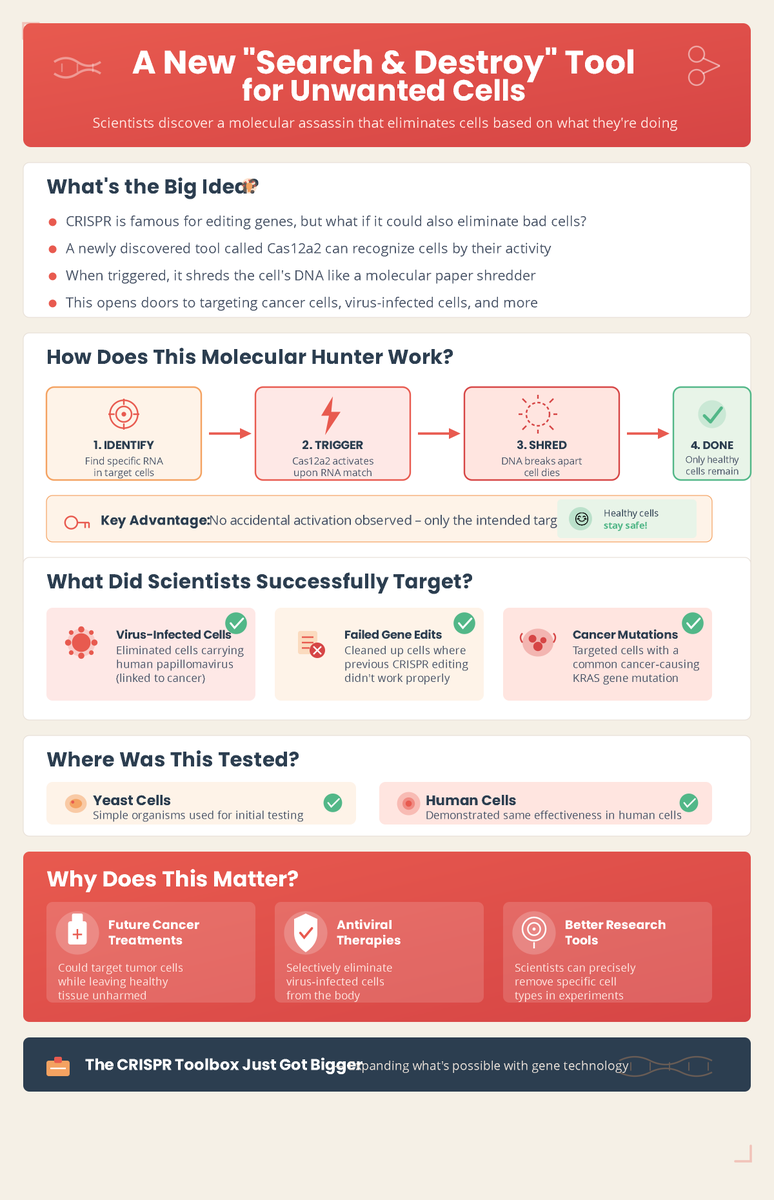
Scientists developed a new CRISPR tool that can selectively kill cells based on what genes they're expressing, including cancer cells and virus-infected cells.
https://t.co/frv00ylZMZ
#grabstract of the day
Scientists created an AI system that writes research software better than human experts, discovering 40 new methods that topped public leaderboards and even beat CDC models for COVID forecasting.
https://t.co/uuNT3wwcuO
#grabstract of the day
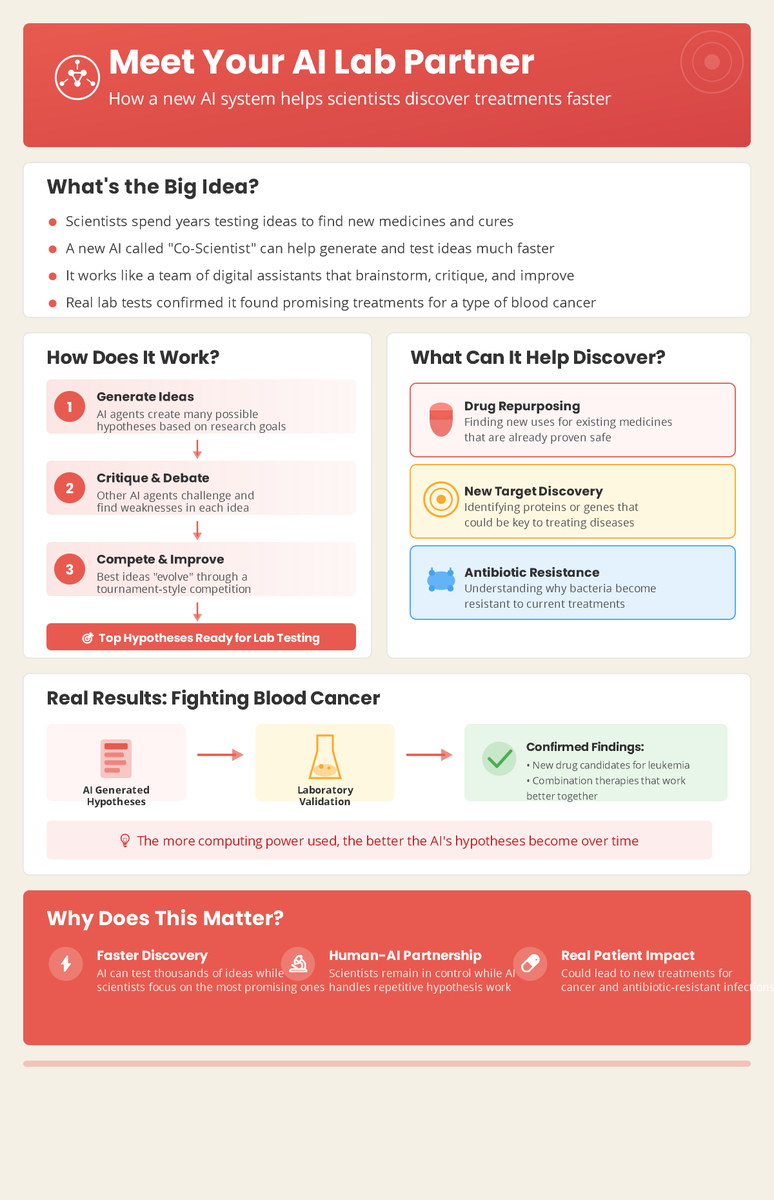
Scientists created an AI assistant called Co-Scientist that generates new research ideas and helped discover promising cancer drug combinations that actually worked in lab tests.
https://t.co/2fHSxewWRB