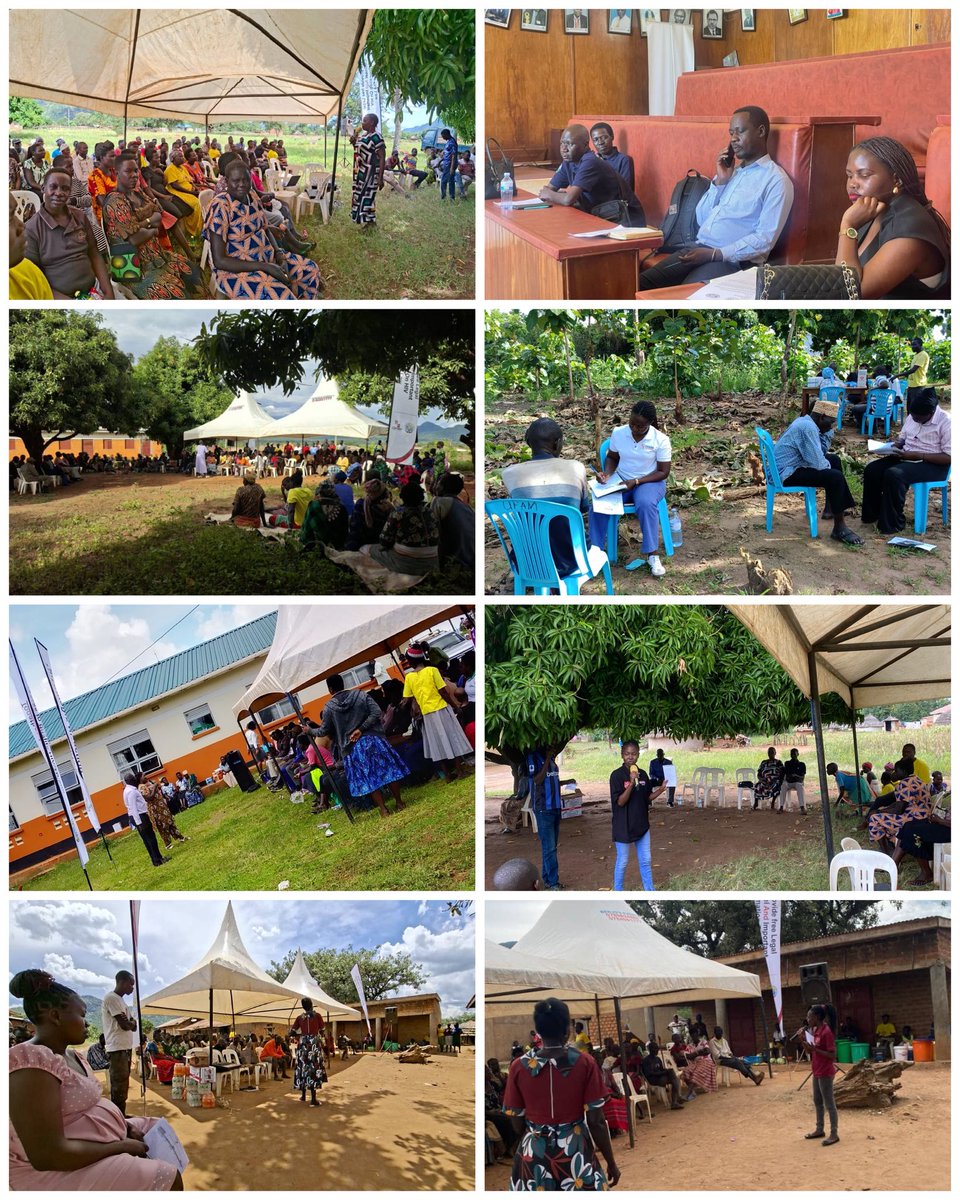
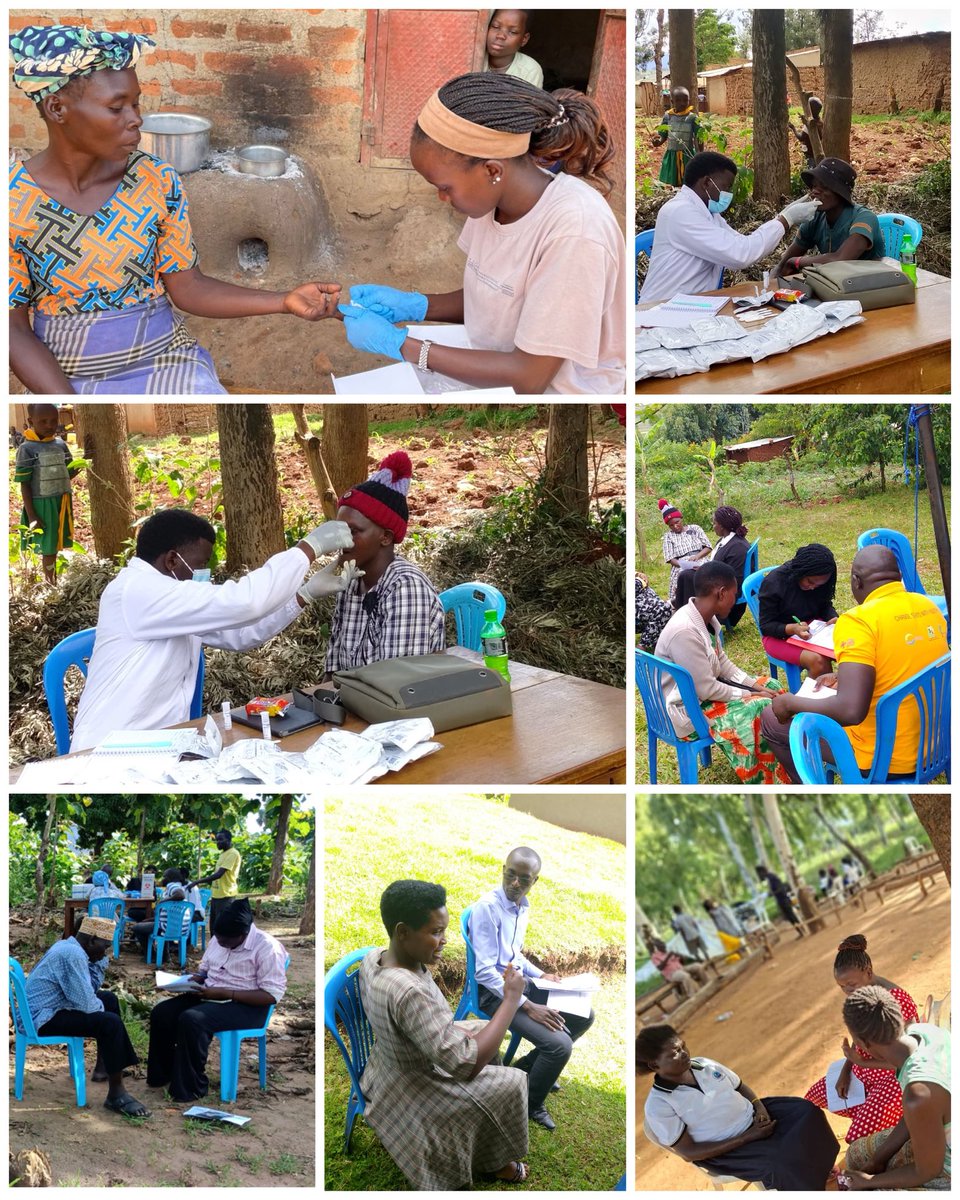
With support from @TASOUganda , CEHURD has continued to implement integrated #LegalAidCamps as a core project mandate in the four districts of Yumbe, Abim, Lira, and Bukwo.
The team sensitized community members on the rights of persons living with #HIV, TB, and malaria, with particular emphasis on the right to non-discrimination, confidentiality, and adherence to treatment, while also addressing harmful practices such as FGM, which is still prevalent in Bukwo despite legal prohibitions.
During the outreaches, we delivered on-spot #LegalAid services alongside HIV testing and #TB screening, ensuring clients accessed both justice and health services in a single visit. Community members demonstrated strong knowledge of HIV prevention methods, including PMTCT, while the camps also identified and addressed critical legal barriers that undermine treatment access.
This integrated approach has helped reduce stigma-related disruptions to care, improved treatment adherence among #PLHIV and #AGYW, and leveraged existing DHRC structures to operationalize the right to health and challenge harmful practices at community level.
The Out-of-School National Guidelines were launched on 29th April 2026 by the @Mglsd_UG, with key stakeholders appending their signatures on the manual.
This video highlights why it was developed, how it will work, and what it will achieve for adolescents and youth. #SRHR4All
Strengthening #HIV Prevention in Lakeshore Communities through peer led mechnisms.
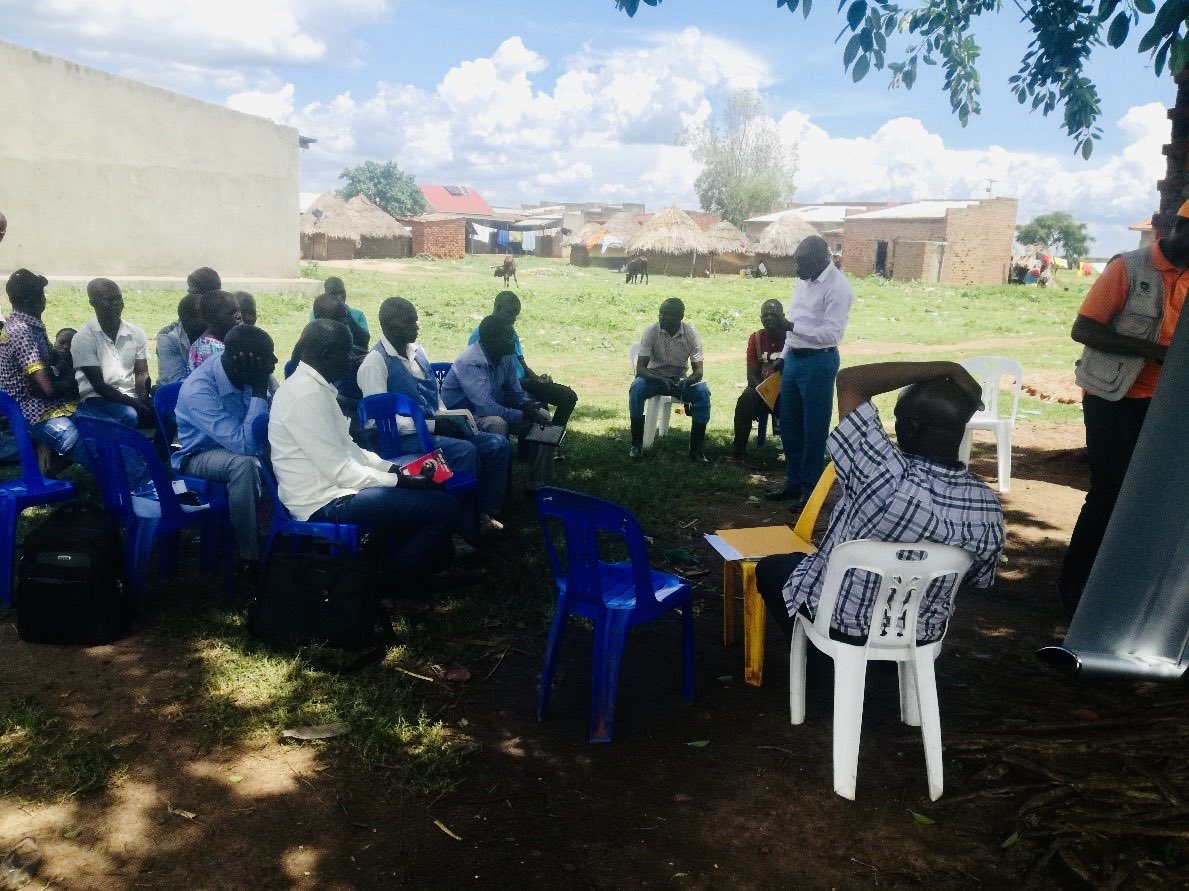
From 27th April to 2nd May 2026, CEHURD in partnership with FHADI conducted a semi-annual field visit across six lakeshore districts of; Soroti, Serere, Kaberamaido, Dokolo, Apac, and Amolatar to strengthen community-based interventions among fisherfolk.
The activity engaged 101 participants, including peer leaders, district officials, health workers and community members, reinforcing collaboration and support systems for HIV prevention efforts.
Peer leaders continue to play a vital role in delivering community sensitization, linking individuals to health services, and supporting access to justice through legal referrals.
#TBHIVHumanRights
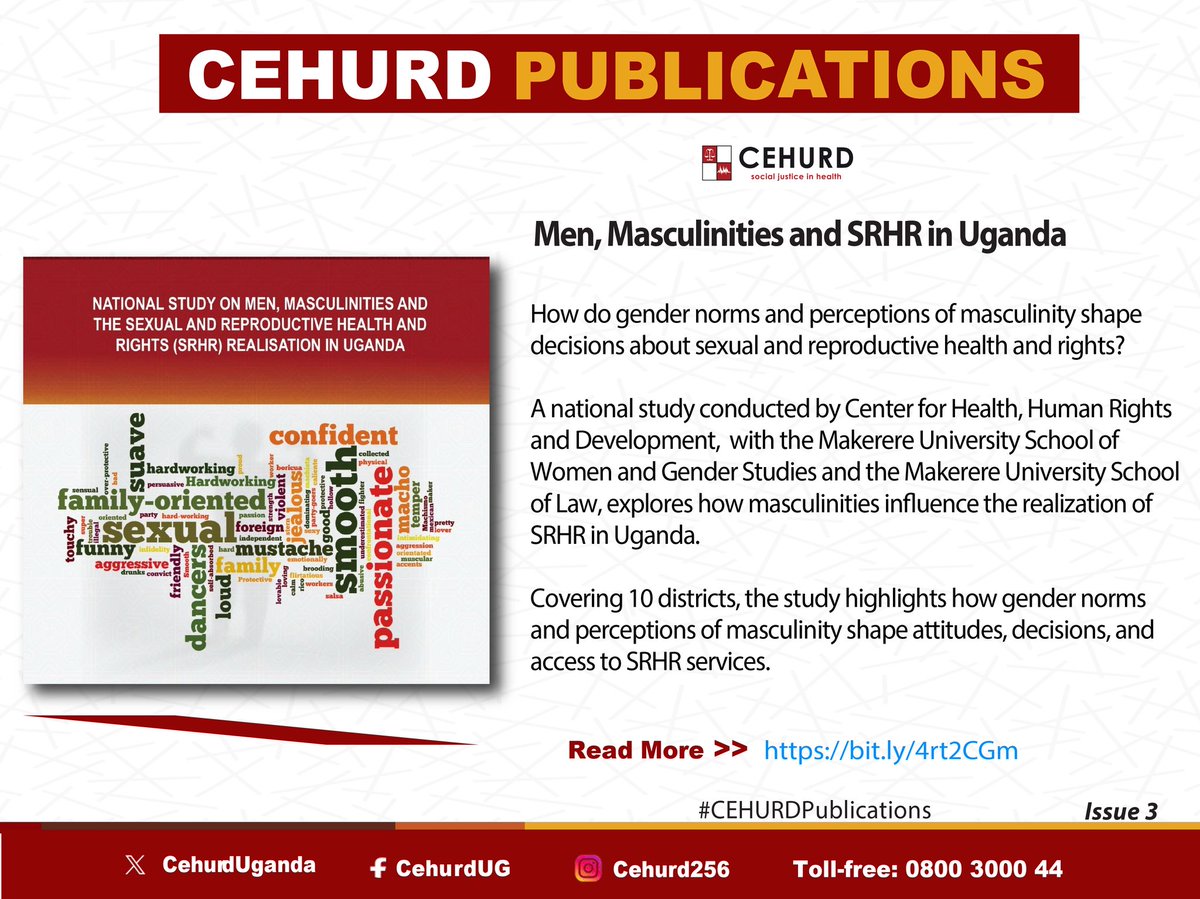
𝗠𝗲𝗻, 𝗠𝗮𝘀𝗰𝘂𝗹𝗶𝗻𝗶𝘁𝗶𝗲𝘀 𝗮𝗻𝗱 𝗦𝗥𝗛𝗥 𝗶𝗻 𝗨𝗴𝗮𝗻𝗱𝗮
𝘏𝘰𝘸 𝘥𝘰 𝘨𝘦𝘯𝘥𝘦𝘳 𝘯𝘰𝘳𝘮𝘴 𝘢𝘯𝘥 𝘱𝘦𝘳𝘤𝘦𝘱𝘵𝘪𝘰𝘯𝘴 𝘰𝘧 𝘮𝘢𝘴𝘤𝘶𝘭𝘪𝘯𝘪𝘵𝘺 𝘪𝘯𝘧𝘭𝘶𝘦𝘯𝘤𝘦 𝘥𝘦𝘤𝘪𝘴𝘪𝘰𝘯𝘴 𝘢𝘣𝘰𝘶𝘵 𝘴𝘦𝘹𝘶𝘢𝘭 𝘢𝘯𝘥 𝘳𝘦𝘱𝘳𝘰𝘥𝘶𝘤𝘵𝘪𝘷�� 𝘩𝘦𝘢𝘭𝘵𝘩 𝘢𝘯𝘥 𝘳𝘪𝘨𝘩𝘵𝘴?
A national study conducted by CEHURD, with @MakerereIGDS and the @Makerere University School of Law, explores how masculinities influence the realization of sexual and reproductive health and rights in Uganda.
Covering 10 districts, the study highlights how gender norms and perceptions of masculinity shape attitudes, decisions, and access to SRHR services.
Read More: https://t.co/9D4YEV9iP6
#CEHURDPublications #Issue3
Understanding the Proposed Protection of Sovereignty Bill (Uganda):
The proposed Protection of Sovereignty Bill (2026) has generated national debate due to its potential impact on governance, civil society, business, and citizens’ rights. It is important to assess how it relates to existing Ugandan laws and its possible implications for development and civic space.
Uganda already has a strong legal framework regulating foreign funding, public order, communication, and national security. The The Non-Governmental Organisations Act, 2016 (as amended in 2024) requires NGOs to register, disclose funding sources, and report activities, while also empowering government oversight of NGO operations. The proposed Bill expands beyond NGOs to include individuals, companies, media, and other actors, introducing the concept of “foreign agents” and widening regulatory scope.
The Public Order Management Act, 2013 regulates public gatherings by requiring notification and allowing police oversight to maintain order. The proposed Bill adds a funding and influence dimension, potentially regulating activities based on foreign support rather than only public safety concerns.
The Computer Misuse Act, 2011 (amended 2022) governs digital communication and criminalizes misuse of electronic platforms. The proposed Bill may extend oversight to online activities linked to foreign funding or partnerships, increasing scrutiny of digital advocacy and communication.
The Anti-Money Laundering Act, 2013 focuses on detecting and preventing illegal financial flows such as fraud and money laundering. In contrast, the proposed Bill targets even legal foreign funding where it is perceived to influence governance or civic activity, broadening oversight beyond criminal finance.
The Anti-Terrorism Act, 2002 (as amended) addresses terrorist financing and national security threats. The Sovereignty Bill extends attention beyond terrorism to broader political and civic influence associated with foreign actors.
The Interception of Communications Act, 2010 allows lawful monitoring of communications for security purposes. The proposed Bill may strengthen surveillance of foreign-linked communications and partnerships, increasing regulatory reach in the information space.
The Constitution of the Republic of Uganda, 1995, especially Articles 29 and 38, guarantees freedoms of expression, association, assembly, and participation in public affairs. Concerns have been raised that expanded regulatory powers could affect these rights if not carefully balanced with constitutional protections.
From a development perspective, Uganda’s progress has been supported by partnerships between government, civil society, and international actors in health, education, agriculture, WASH, and livelihoods. Additional compliance requirements could increase administrative burdens, potentially slowing implementation of community programs and raising operational costs, especially for smaller organizations.
At community level, reduced or delayed foreign funding could affect service delivery in vulnerable areas, including youth empowerment, health services, and livelihood support. However, supporters argue that stronger regulation may improve accountability, reduce undue external influence, and strengthen national sovereignty.
Balancing sovereignty and civic freedom remains central. Effective governance requires protecting national interests while ensuring constitutional rights and civic space are preserved. Transparent consultation and evidence-based policymaking are essential to achieving this balance.
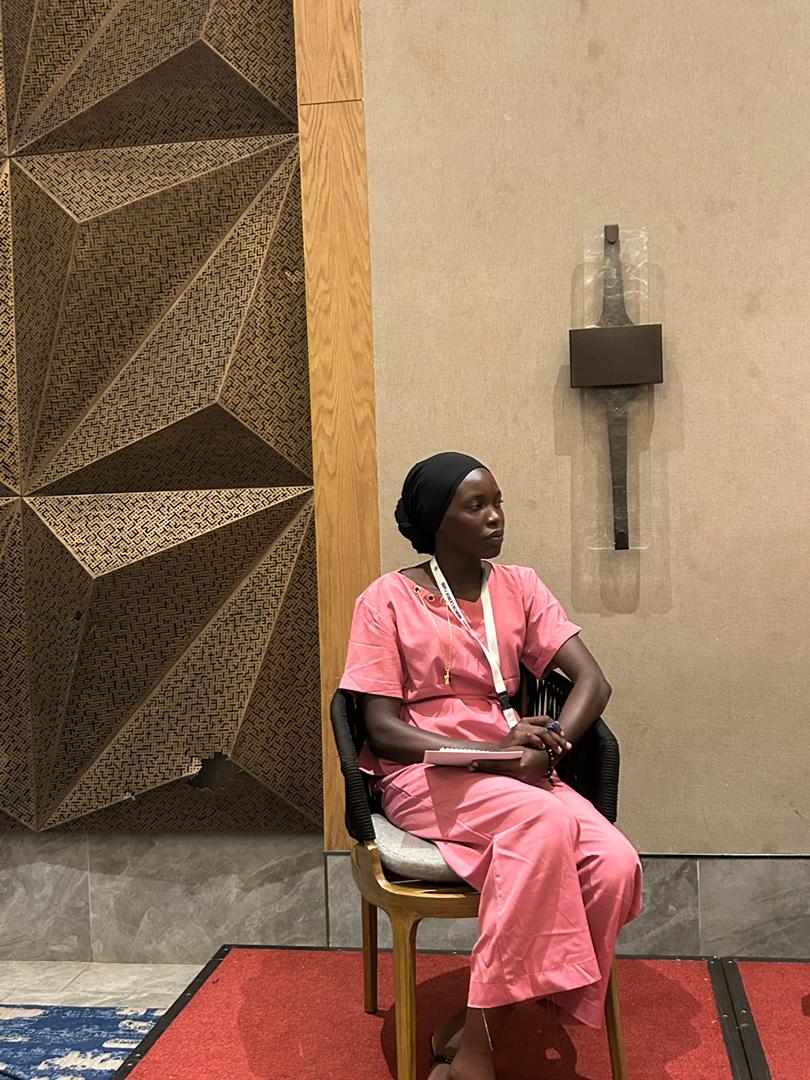
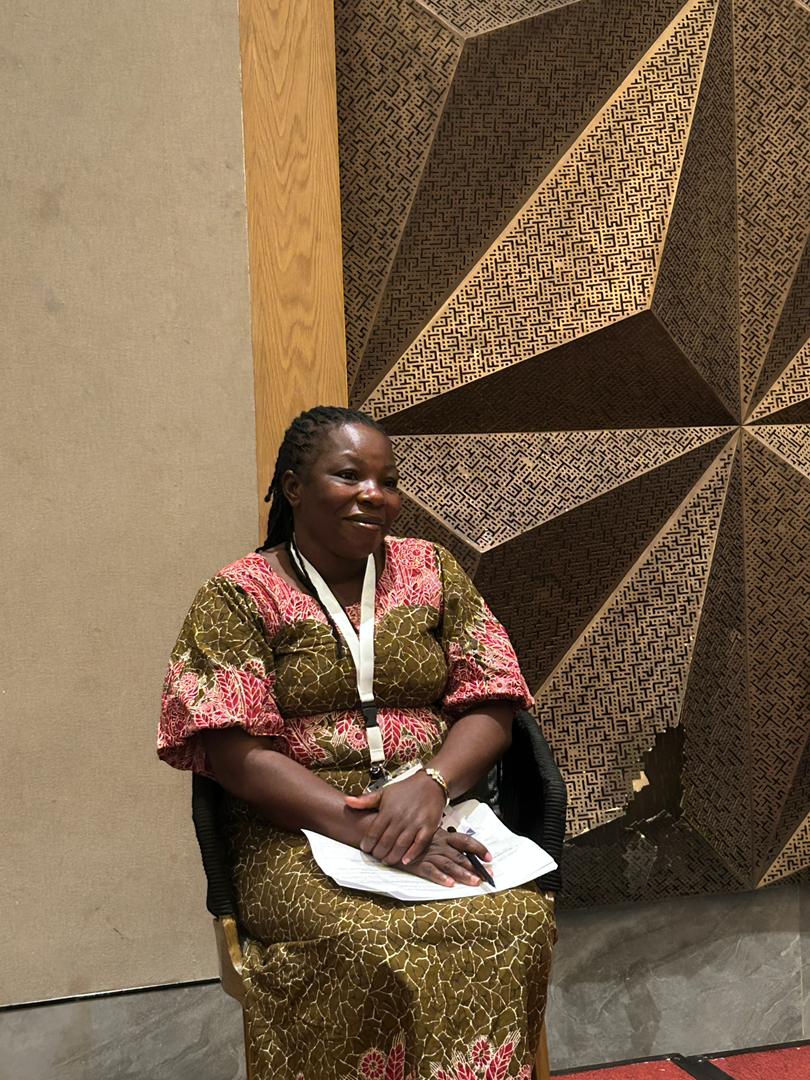
Today, women leaders from across Uganda are coming together for the Post-Election National Women’s Leadership Summit under the theme: “Her Voice: Uniting for Gender Transformation and Cohesion in Uganda.”
From women who contested in the 2026 elections, to young women leaders, civil society, government, media, academia and the private sector, this Summit is creating space for reflection, solidarity and action around women’s leadership and gender equality in Uganda.
At a time when women continue to navigate structural barriers, online violence, unequal access to opportunities and deeply rooted social norms, this conversation matters now more than ever. Today is about centring women’s voices, experiences, resilience and collective vision for the future.
#WomensLeadership #GenderTransformation #NationalWomensManifesto #SUPA
The panel discussion, “The Story Behind the Numbers: What Do the Statistics Not Show?” brought together women leaders reflecting on the realities behind women’s political participation in Uganda.
The panel featured Munduru Shamia, District Female Youth Councillor, Yumbe District; Kabugo Todozia, District Woman Councillor, Kasese Municipal Council; Doreen Nyanjura, Deputy Lord Mayor, Kampala City; and Sarah Opendi, Woman MP, Tororo District.
Hon. Kabugo reflected on the stigma single mothers continue to face in politics, sharing how women are still judged on marital status rather than leadership ability, with some questioning whether single mothers are competent enough to serve in council.
Hon. Munduru spoke powerfully about resilience and identity:
“I stood strong not despite the fact that I am a woman, but because I am a woman.”
The discussion highlighted that beyond the statistics are real stories of discrimination, perseverance and women continuing to push through systems that were never designed with them in mind.
#WomensLeadership #GenderTransformation #NationalWomensManifesto #SUPA
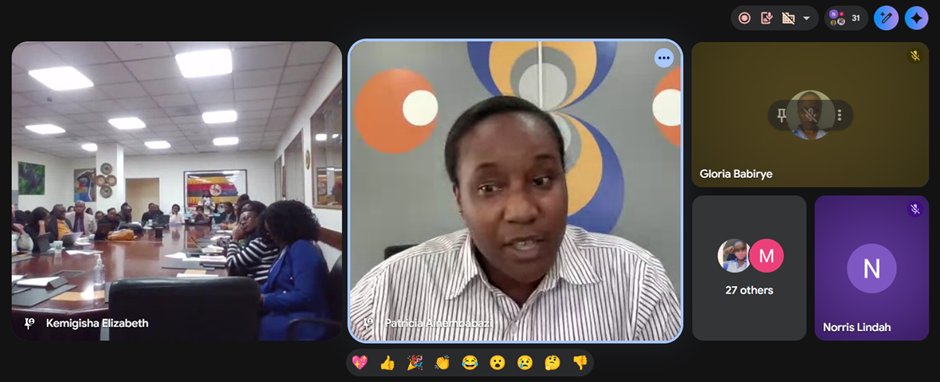
Ms. Patricia Ainemababazi (@trish4us), Policy & Advocacy Officer at Collaboration on International ICT Policy for East and Southern Africa (@cipesaug ), highlighted that while major tech companies are strengthening community standards and safety-by-design features to address Technology-Facilitated GBV amongst others, significant gaps remain.
She noted that reporting systems on platforms are often confusing, slow, and impersonal, leaving survivors uncertain about next steps or accountability for perpetrators. Emerging threats such as AI-generated sexualized content, impersonation, and cyberbullying require more tailored and survivor-centered responses.
She called for stronger collaboration between tech companies, governments, justice actors, and civil society, improved evidence preservation, and greater awareness of reporting mechanisms to ensure digital spaces are safer for women and girls across Africa. #CSW70 @NITAUganda1@FIDA_Uganda
Wenye wanauliza
GSU officer, Enock Kimathi, was among officers who went viral, after a video of the then fresh graduates 'threatening Kenyans' surfaced. He's no more