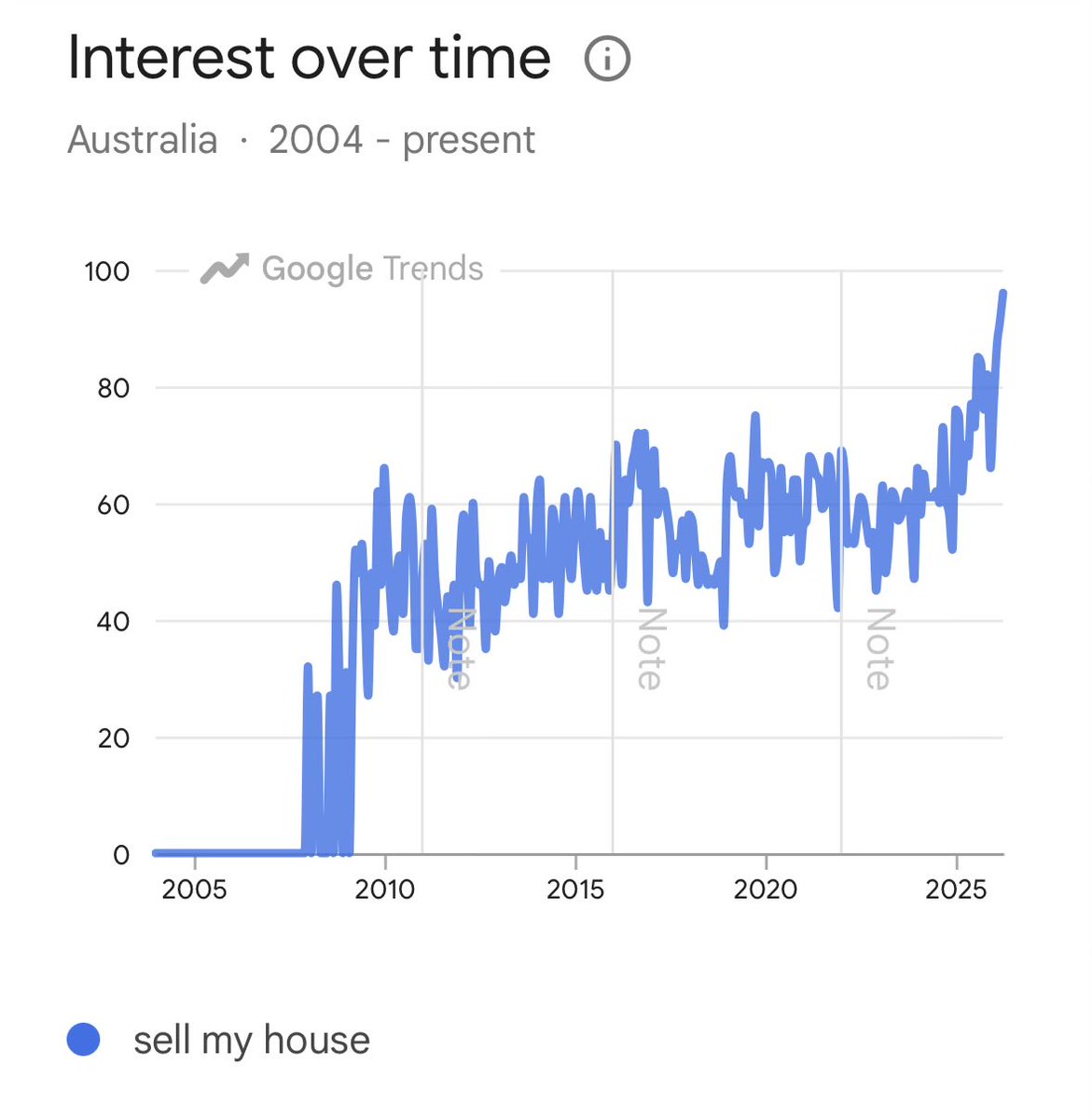
@Galto2sd7474@sage_simian I’d still suggest the government is not taxing to spend, it is taxing to try and reduce some of the inflationary aspects of its spending. It’s a second order indirect piece as you say. And there are other ways to do it.
@Galto2sd7474@sage_simian I think we more or less agree, but are arguing is vs could be. More precisely, the CoA doesn’t *need* to tax or borrow. As you say it does today, and to your point and my original, it needs to offset inflation. But it could adopt new fiscal and monetary approaches tomorrow.
@martinm680@JayFitz112@arbsmichael@RBAInfo You’re picturing money as a thing like cash with a serial number. That there’s a record of each dollar.
When the bank creates a loan they effectively borrow from the economy - the money is “magicked” into an account. They zero it back out when the loan is repaid.
@martinm680@JayFitz112@arbsmichael@RBAInfo The bank doesn’t keep the money, they eliminate some of your debt.
On borrow:
Bank creates money, gives it to house seller. Records debt for you.
On repay:
You pay money (out of economy). Bank reduces recorded debt. They don’t also hold the money as if it was serial numbered.
@hef_mark@CallumBennett28@Steen_Dr@cjoye Callum is correct.
The nominal gains listed $160k ($90+$70). Today you’d deduct $100k losses, halve the rem $60k gain, pay tax on $30k at marginal.
Personally I’ve always felt we should have both inflation adj and 50% discount, but lose loan deductibility, reducing structuring.
@dantoruno This resonates. The tension of welcoming the insistent muse and who am I to carry their words? Desire to be humble (but is avoiding egocentrism just masked ego too?). Self-questioning the value to others, or disrupting their natural path (but maybe you’re meant to cross paths).
@TheKouk Easy solution: use other levers, not silent tax increases that reshape equity and are not restored later in the cycle.
Examples when high inflation: cut gov expenditure reduce migration, RBA set a dynamic GST, increase super % and allow drawdown later, address supply drivers etc
@Potstirrer111 Better take than some of the pre-budget posts.
Not sure how more new homes will get built if we don’t address materials and labour (more money chasing the same will just lift cost).
On Gov’s own account these tax changes will mean 35,000 fewer homes built.
@Potstirrer111@ajamesbragg Driving higher building prices without more houses: demand for new building is tax-incentivised without fixing supply constraints on materials or decisions to not bring in trades / upskill unskilled migrants. As a bonus it limits build quality and improvement of existing stock.