1/5 120+ elite chefs just took out a full-page NYT ad demanding an end to farmed salmon. Their goal? Turn an affordable, healthy protein back into a luxury status symbol for the wealthy. Here is why this campaign is a massive problem for everyone else. 🧵👇
Great news from plant biotechnology!
Gene-edited bananas that don’t go brown could hit UK supermarkets
Scientific breakthrough could reduce food waste and make it easier to add the fruit to prepackaged food
https://t.co/R8MPbvzDZ3
@naiacruz_@psychofilly Bus is the default option beyond a very close distance. Parents who drive instead make that choice themselves. Bus is definitely the choice for most families in most parts of the country
This is enemy-of-my-enemy agriculture.
Pollan & Berry are the counterpoint to pesticides, monocultures, and of course Monsanto - and who the hell wants to be on their side?
But the tools of industrial ag can be used poorly or well. Used well, they feed the world.
Thriller lovers rejoice! The New York Times recently polled nearly 300 crime novelists, editors, booksellers, librarians, and other book lovers to compile its list of the Best Thrillers of the 21st Century. If you love spine-tingling whodunnits and psychological horrors, consider these picks required reading! https://t.co/pzXP69mc4Z
For years, economists dismissed #collusion as crankery and blamed bird flu for high #egg prices. Then the feds found evidence that could prove the cranks right, and almost nobody noticed.
Story from @Marcia_Brown9
https://t.co/JkTM4QpPEN
Some comments saying that might be ok as the earth is over populated, lets reflect: if that is the argument for not using crop protection, it will impact the poorest and most vulnerable through a lower supply of food, not those with access and resources. Some lives dont count?
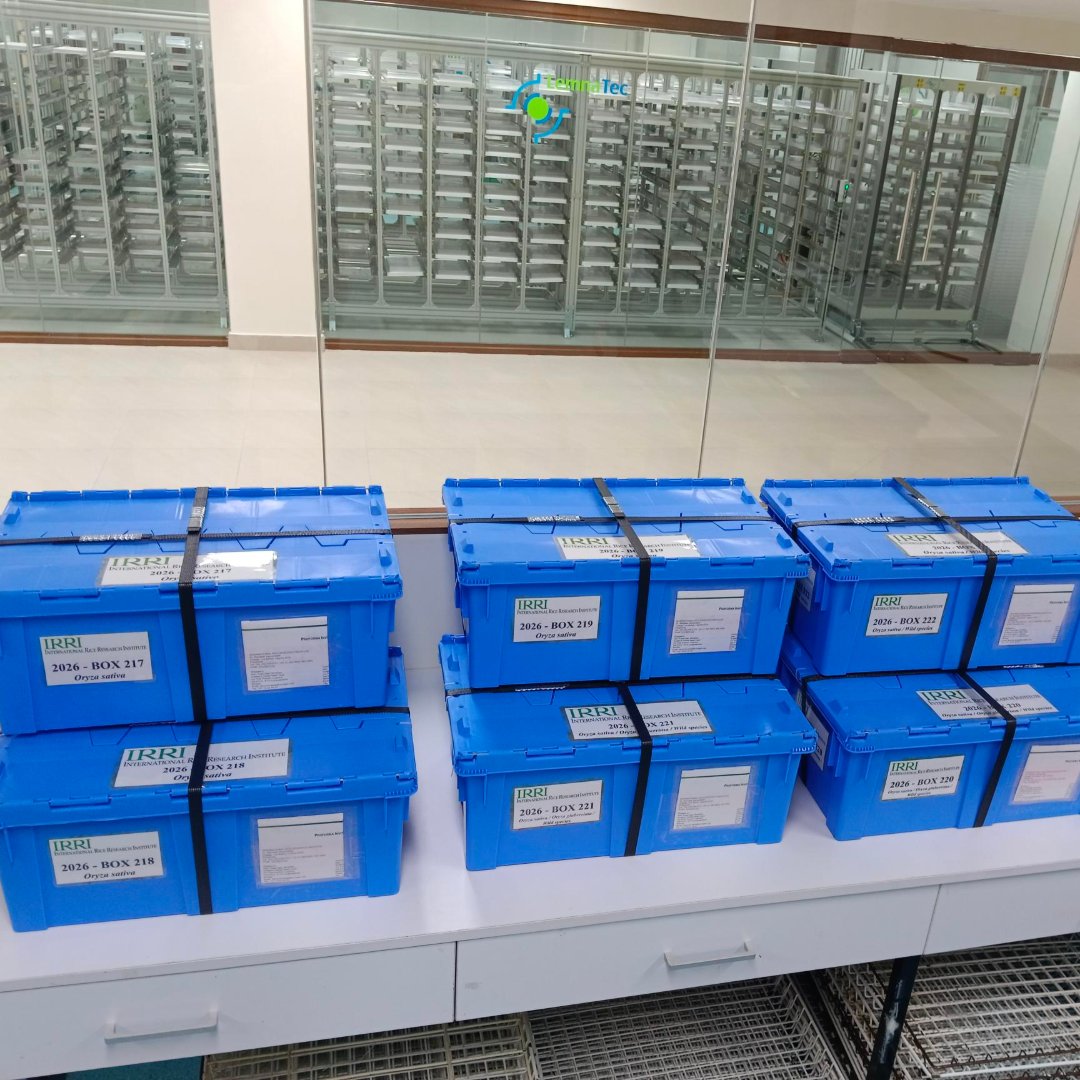
This week, @irri deposited 1,890 seed samples in the Svalbard Global Seed Vault, 410 for the first time. New deposits include rice from Madagascar, Costa Rica and Nepal.
IRRI’s collections now reach 99.59% safety duplication level, helping protect rice diversity for the future.
Folic acid is having a moment.
A moment where people are protesting the fact that it's added to flour - a decision that has reduced fetal neural tube defects dramatically.
It's nuts. Here's @cjsnowdon on why.
https://t.co/S9z9f2s9DA
Ethiopia and Malawi have consistently met the 10% target for public spending on agriculture. What would help more countries follow? Dr Hamady Diop of the @_AfricanUnion outlines the blended finance approaches that could: https://t.co/c88EXBWPtm
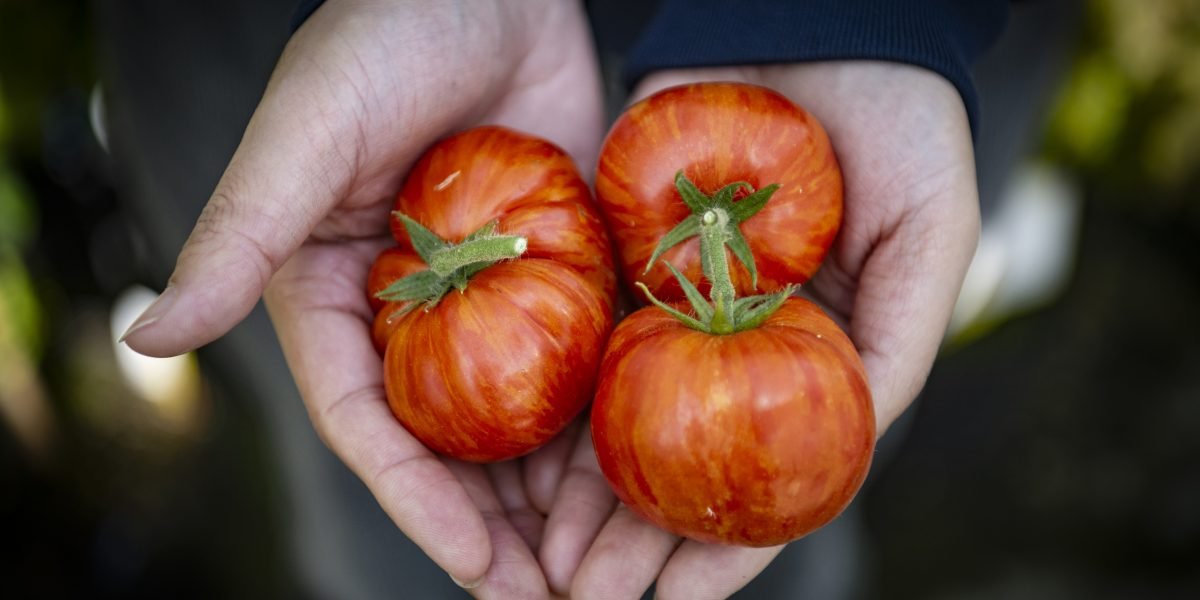
🍅🧬 A gene-edited tomato just made a major leap: from the lab to a human clinical trial.
Researchers at @JohnInnesCentre developed vitamin D–biofortified tomatoes, now being tested in 200 people with low vitamin D levels in the UK.
Gene editing moving from the field to the plate — and potentially into public health.
https://t.co/mJlVnCMNYx
#biotech #tomatoes #VitaminD #superfood
New research from Rothamsted and ApresLabs points to a breakthrough in oilseed rape management. A natural olive‑derived compound, SYN‑A, is showing remarkable power in restoring pyrethroid efficacy against cabbage stem flea beetle.
Find out more here: https://t.co/BbXSeYGkb9
Grape news! 🍇
Scientists in South Africa have successfully used #CRISPR#GeneEditing to develop a variety of grapevines that are less susceptible to downy mildew, and better at conserving water during drought. https://t.co/td0TVR2lPR
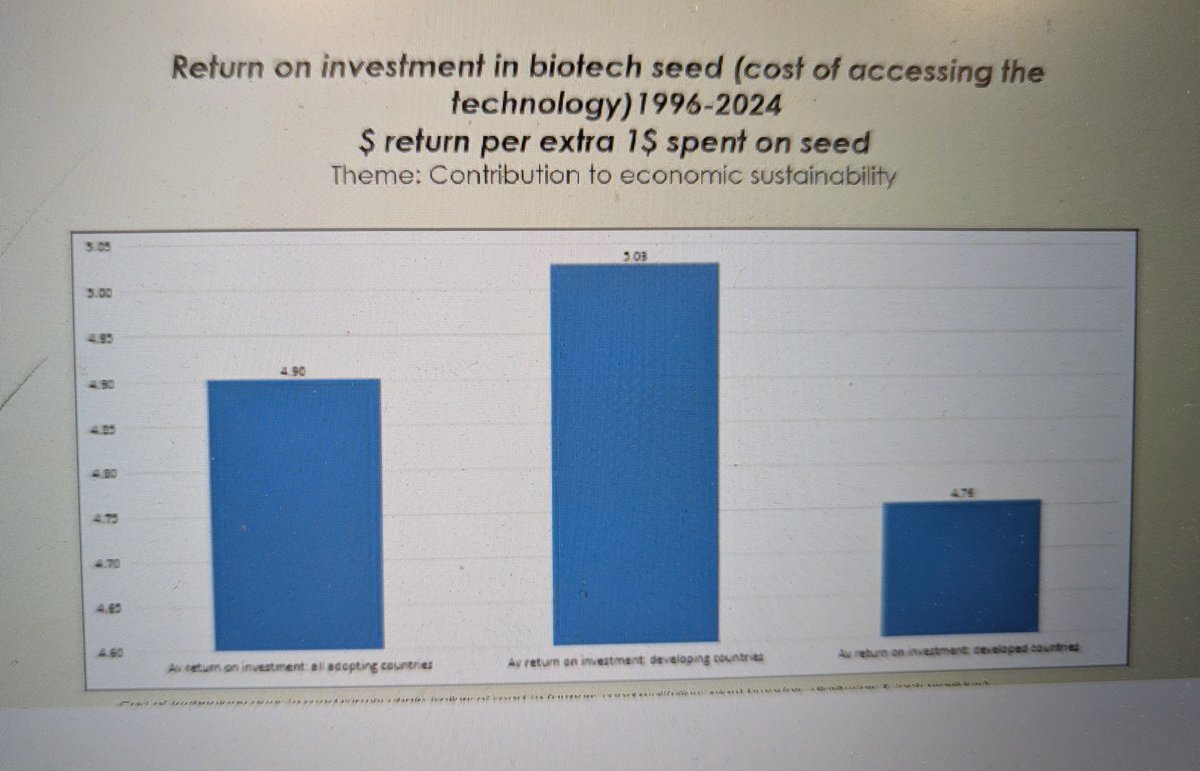
This shows that for every $1 spent on buying GM seed, they gain an extra $4.90 in return. Farmers in developing countries gain more than those in developed countries, $5.08 vs $4.76. Excellent evidence that GM crops benefit small landholders in developing countries. #ISAAA