MSc Exercise Science🤾| Motor Skill Transfer
4 SCI papers| Using AI for research every day
Sharing evidence on motor learning, exercise & health
PhD applicant
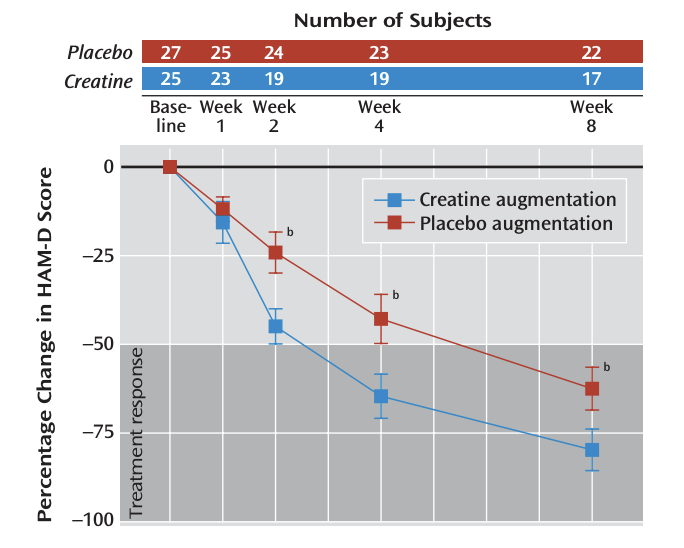
Interesting creatine data:
Women with depression who added 5g of creatine a day to their SSRI were twice as likely to be depression-free after 8 weeks.
52% vs 26% on SSRI plus placebo.
It's one small trial of 52 women, but very promising!
@maxmarchione Makes complete sense. Women naturally have lower baseline brain creatine, and depression is deeply tied to brain energy deficits.Creatine is so much more than just a gym supplement.
Did you know that a fast actually increases your metabolic rate? It's a myth that your metabolism slows the moment you stop eating. Early in a fast, it actually does the opposite.
As blood glucose tends to drift down when you stop eating, your body releases more norepinephrine (a close cousin of epinephrine/adrenaline), and your resting energy expenditure climbs up. In healthy adults who fasted for 84 hours, resting energy expenditure rose about 14% by day three, while norepinephrine more than doubled.
Of course, the more adrenaline and its sibling rise, the more they inhibit insulin release. This further amplifies the metabolic rate effect, insofar as insulin slows metabolic rate very well.
This is clearly not "starvation mode." There is simply a metabolic cost to your body mobilizing fuel and keeping you alive while you take a break from food.
https://t.co/0sdRSJwf6a
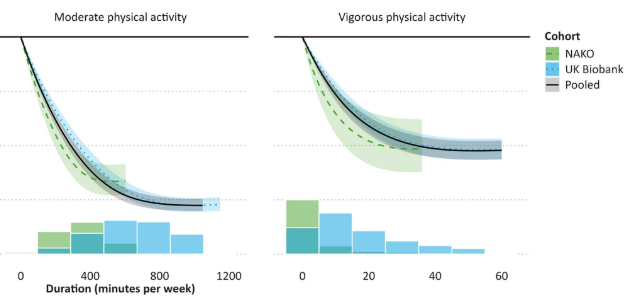
Vigorous physical activity (e.g. jogging) of 12 minutes a week yielded the same mortality reduction as 150 minutes of moderate activity (e.g. walking).
Guidelines suggest that vigorous activity is ~2x more effective than moderate, but this new study suggests it's 12.5x more effective.
This is observational data, so it's likely confounded by reverse causation, i.e. healthier people are more likely to do vigorous activity.
https://t.co/lqtm3cQ6cs
People with mild fatty liver or mild hypertension don't need a strict medical clearance before exercising. The latest consensus from the British Journal of Sports Medicine (BJSM) points out that cumbersome pre-exercise approval actually delays intervention. As long as there are no acute symptoms, progressive brisk walking and moderate resistance training are safe—no need to be overly anxious.
BJSM(PMID 42790926)
https://t.co/4iIuCQnNU9