We built a lightweight yet powerful tool for fission yeast comparative genomics—explore orthogroups, inspect MSAs, gene trees, and local synteny—all in one place! Search for the gene you’re interested in at https://t.co/VAPo8SEpEC
https://t.co/1sfTOf0i9L
A new method maps how different parts of a person’s DNA reflect ancestry across geography and time, offering a more detailed picture of how populations moved and mixed throughout history.
Uncover the science behind it: https://t.co/xBSGKaoCUu
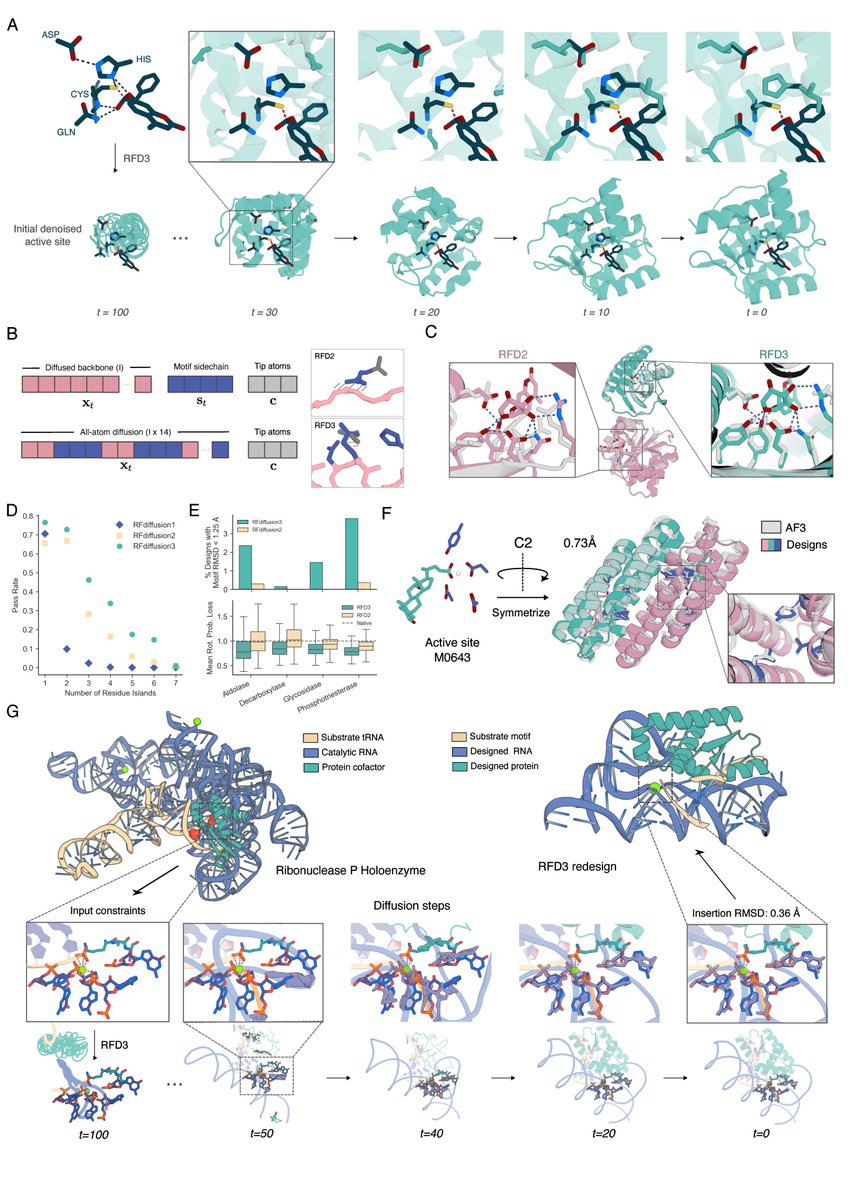
In Science, researchers present RFdiffusion3, a new generative AI system that designs proteins and nucleic acids atom by atom, which could enable the ability to engineer novel biomolecules with precise, complex functions.
Learn more: https://t.co/ARUjcNoODV
I'm very excited to share the preprint of the central project of my postdoc, titled "Sequence-to-function deep learning decodes human cis-regulatory evolution" available today on BioRxiv. Link below
LLMs don't understand chemistry. They don't need to, they just need the right representation.
When you feed a SMILES string to a transformer, it sees a sequence of characters. When you feed an amino acid chain, it sees tokens in a one-dimensional string. Neither looks like chemistry or biology. Yet models trained on these inputs can predict bioactivity, design proteins from scratch, plan retrosyntheses, and annotate cell types, often rivaling experimental accuracy.
A comprehensive new review by Ashyrmamatov and coauthors maps the full landscape of bio/chemical language models, and its central message is consistent: what you represent, and how you tokenize it, matters as much as model scale or architecture.
The authors trace three parallel tracks. In biology, protein language models (ESMFold, ProGen2, RFdiffusion) have moved from single-sequence encoders to generative architectures enabling de novo protein design with spatial consistency. DNA and RNA models (DNABERT2, HyenaDNA, Evo) now handle genome-scale sequences using Mamba and Hyena architectures to escape attention's quadratic cost. Single-cell models (scGPT, Geneformer) treat genes as tokens, learning cell-level representations that outperform classical marker-gene annotation.
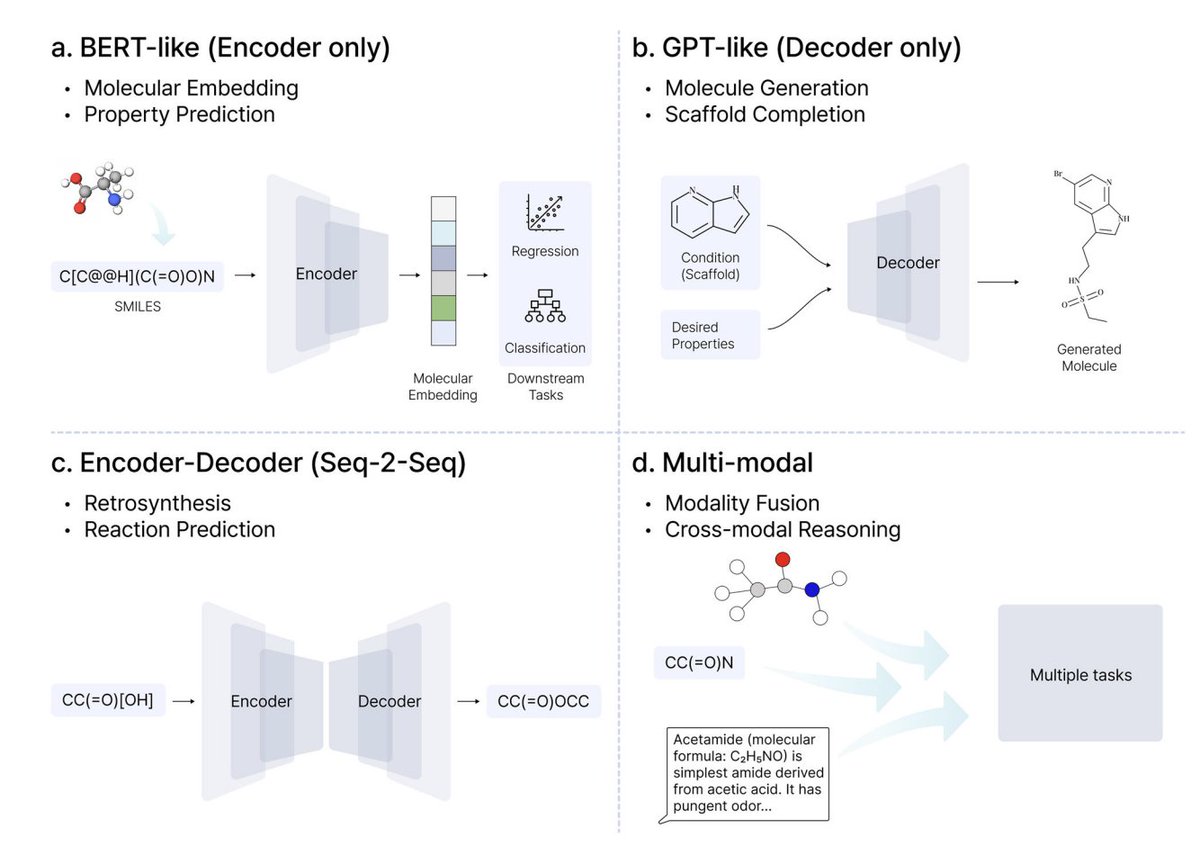
In chemistry, the transformer backbone branches into three roles: BERT-like encoders for molecular property prediction, GPT-like decoders for de novo generation, and encoder-decoder models for retrosynthesis and reaction prediction. The frontier is multimodal — models like GIT-Mol and nach0 aligning SMILES, molecular graphs, 3D coordinates, and natural language within a shared representation space.
The review also surfaces a subtler challenge: tokenization. Standard BPE merges chemically unrelated substrings. Character-level splits create physically meaningless tokens. Atom-in-SMILES and codon-aware strategies are emerging as domain-specific solutions that improve generalization precisely in low-data regimes — exactly where drug discovery operates.
This is a practical map of where the field stands. Encoder models are ready to improve ADMET screening pipelines today; decoder models enable scaffold-constrained lead generation; and agentic systems combining LLMs with retrosynthesis tools and lab automation (ChemCrow, Organa) are beginning to compress the design-make-test cycle in ways that simply weren't feasible two years ago.
Paper: Ashyrmamatov et al., Experimental & Molecular Medicine (2026) — CC BY 4.0 | https://t.co/KwQFzttWGZ
@PomBase@japonicusdb Schizosaccharomyces orthogroup (SOG) resource: a web platform for exploring gene conservation in fission yeasts https://t.co/1sfTOf0i9L
We built a lightweight yet powerful tool for fission yeast comparative genomics—explore orthogroups, inspect MSAs, gene trees, and local synteny—all in one place! Search for the gene you’re interested in at https://t.co/VAPo8SEpEC
https://t.co/1sfTOf0i9L
When polishing scientific figures for publication, I try to limit fonts + font sizes to reduce visual noise. But doing this by hand is tedious.
So I vibe coded a web app to standardize text in SVGs: https://t.co/0JRhstRhAp
Try it out! Spot the differences. Hope it's helpful
Exciting new evolutionary insights into tdk Killer Meiotic Driver genes in the Schizosaccharomyces genus!
Congratulations to all colleagues in the Du and Hua labs~
Evolutionary persistence and divergence of the tdk killer meiotic driver family https://t.co/H0NeG9aKhq
✨ Latest exciting story of @haploteam in @Nature. Here, we go beyond SNPs and built a species-wide atlas of genetic variants in yeast. With >1,000 near T2T genomes, we show how SVs shape the phenotypic landscape.
@InstUnivFr@ERC_Research@CNRSbiologie
https://t.co/RE7ec6K6Ru
Longdust, a new tool to identify highly repetitive STRs, VNTRs, satellite DNA and other low-complexity regions (LCRs). Similar to SDUST but for long regions.
https://t.co/xUFgpmatJ5
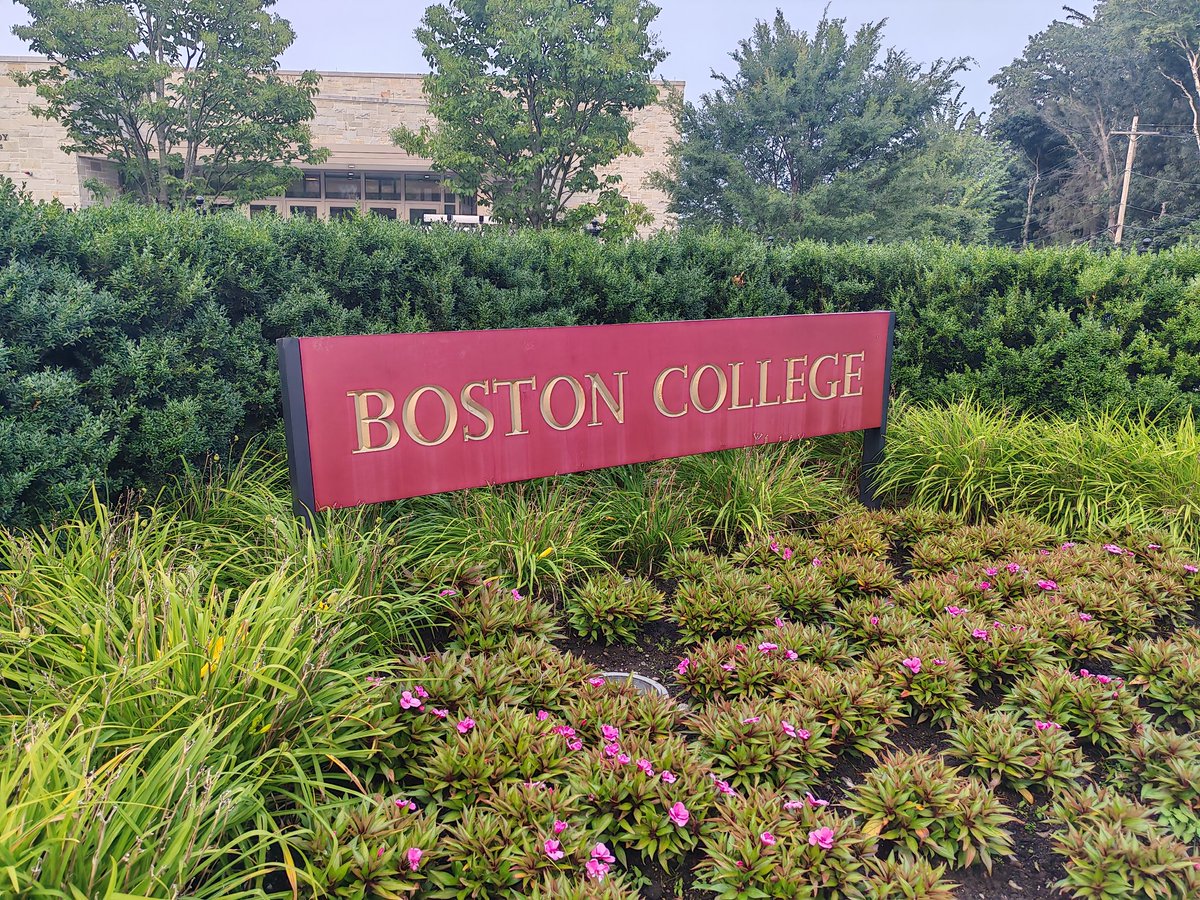
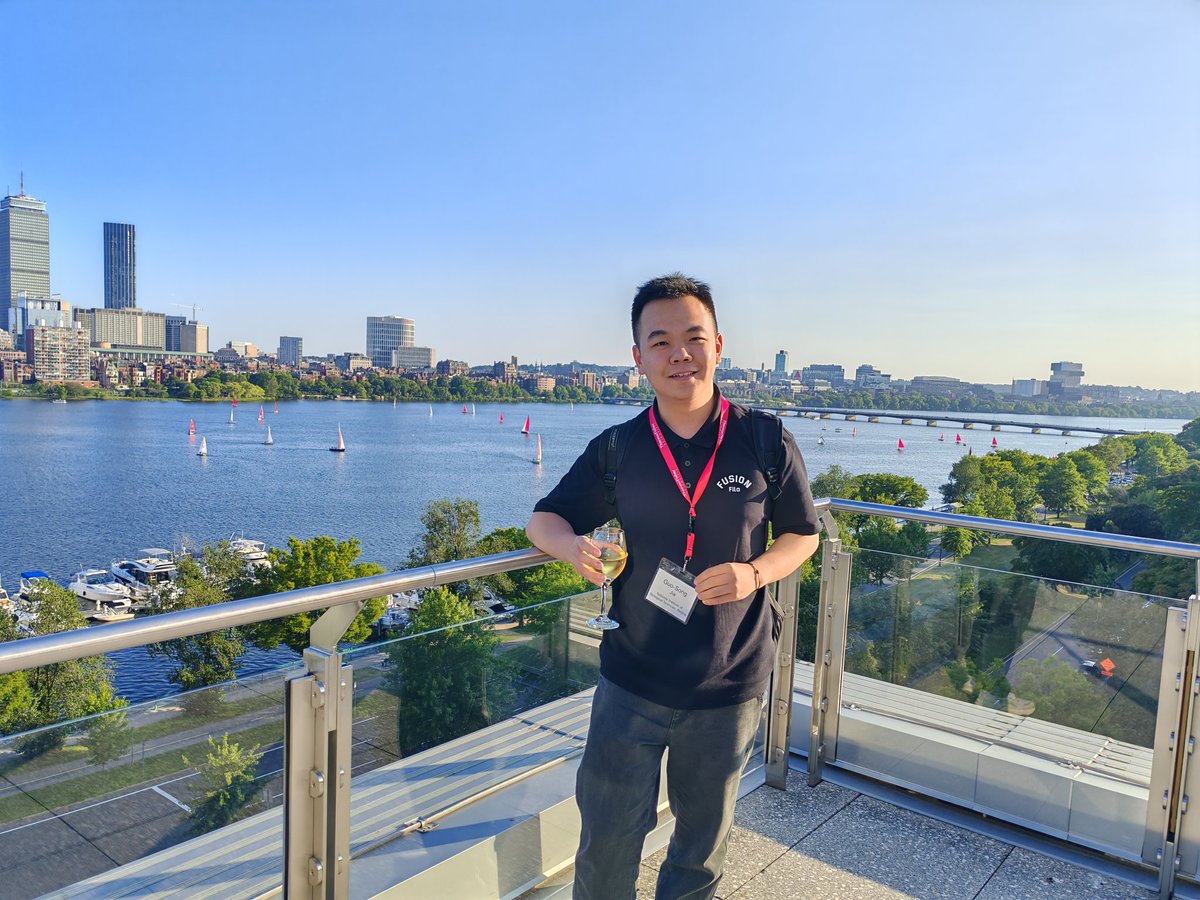
My second Fission Yeast meeting (Pombe2025) in Boston!
Great thank to @CharlesHof74628 for organizing such an awesome meeting!
It's so happy to meet old friends in person and make new friends!