It's time to look at Reducing flood risk through land-use management and nature-based solutions with @thecuriousgeog@GoWithTheF1ow in this @timeforgeog video! Developed in collaboration with @HWU_EGIS https://t.co/s852ilnt4v
Somalia is one of the few countries in the world to have, twice a year (!), the river embankment breakages mapped in extreme detail. This is super important for EW-EA, flood preparedness and eventually saving lives. Kudos to @FAOSWALIM@FAOSomalia. Thanks to @AirbusDefence@Maxar
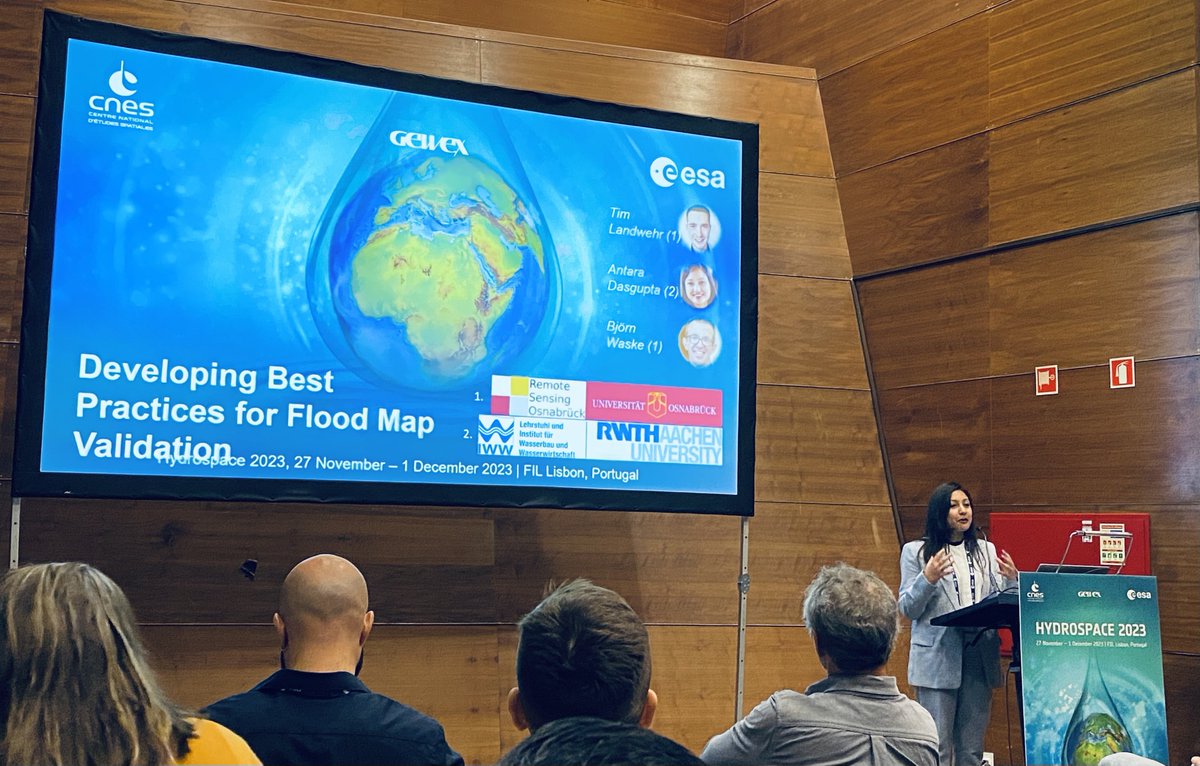
A packed room for @ant_dasgupta presenting on EO flood mapping validation in @guy_schumann session on water science for society at @ESA_EO#HydroSpace23…!
The #EGU24 Call for Abstracts is OPEN! So what's happening in November that you need to remember to do, whether as a convener, an author/presenter or as an attendee? Check the November EGU24 Update email to get all the information you need.
Read more: https://t.co/uTWQitq4Ex
Just published in my web site "Floods: Ten concepts to get better protected", a short page that I hope may be useful for dissemination and education. Comments are welcome it's evolving. https://t.co/5Z2HYwWSLV
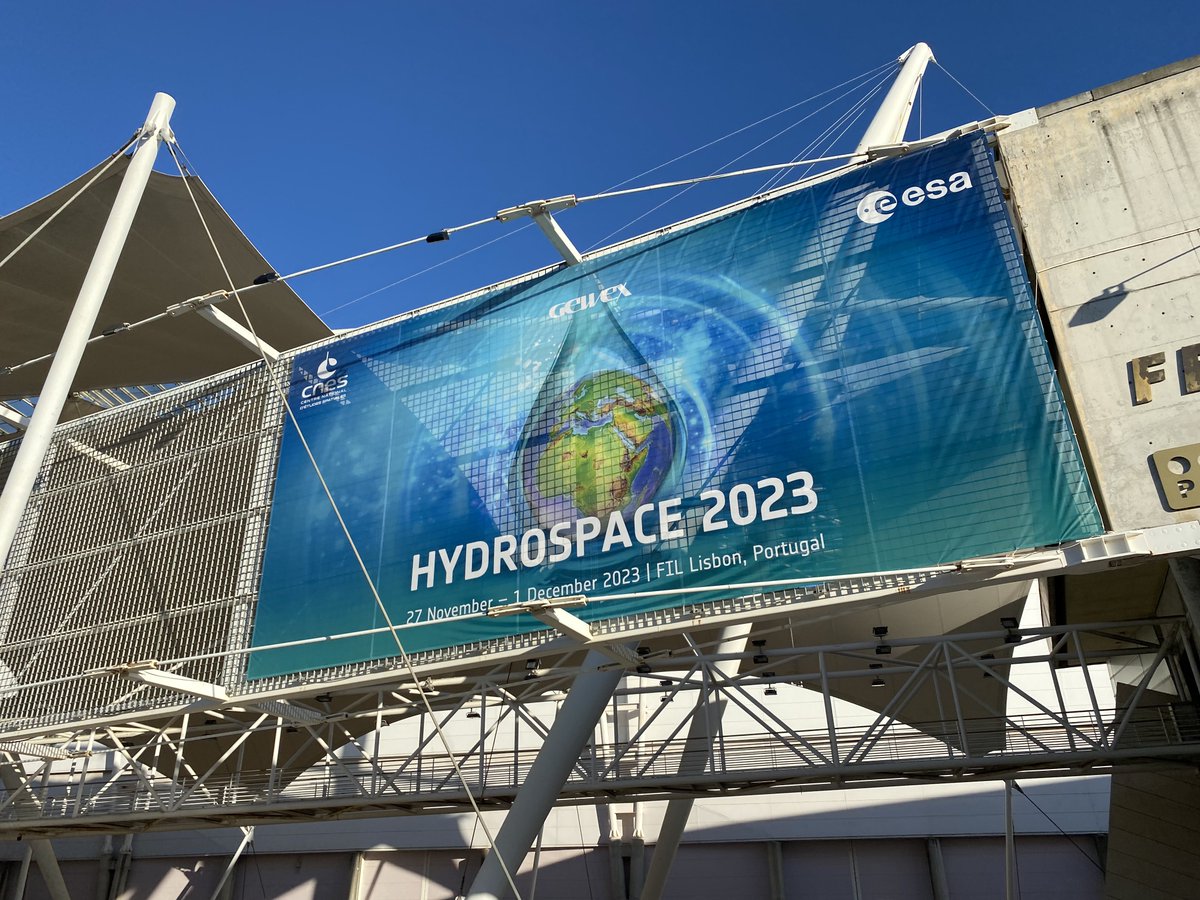
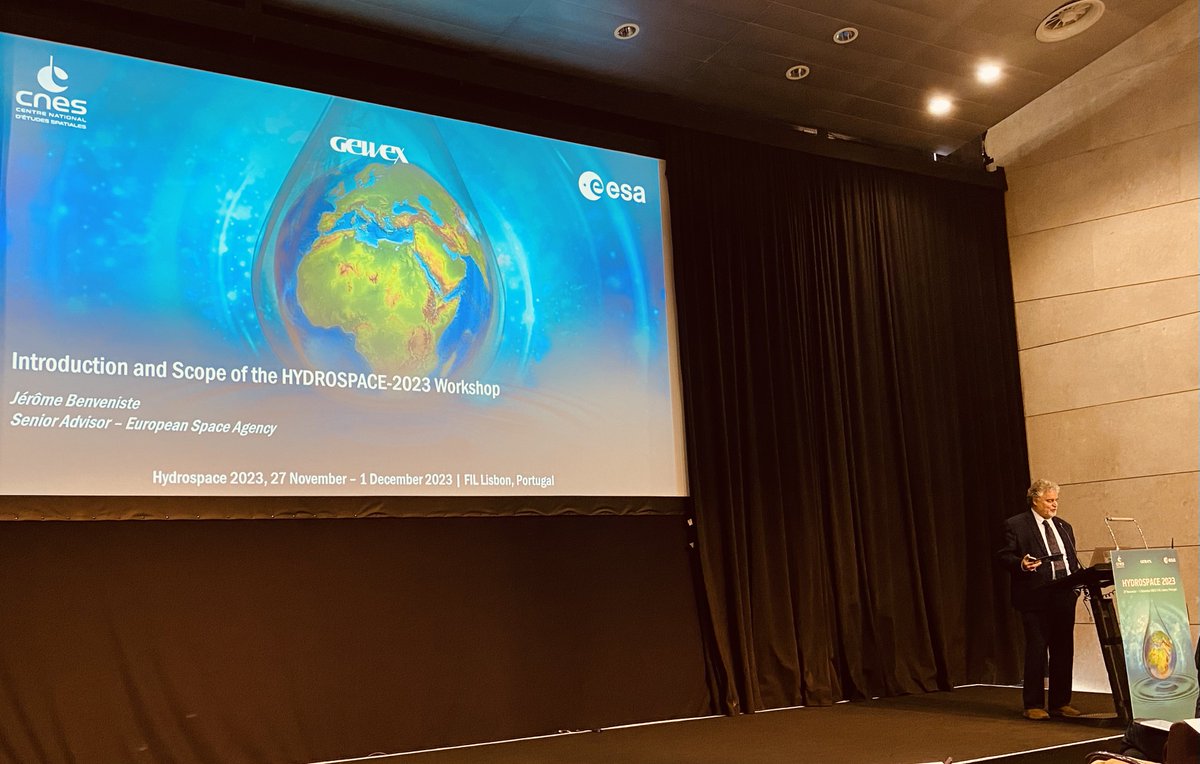
#HydroSpace23 is go!
Jerome Benveniste giving introductory talk.
We (the community) determine the needs to advance EO for water.
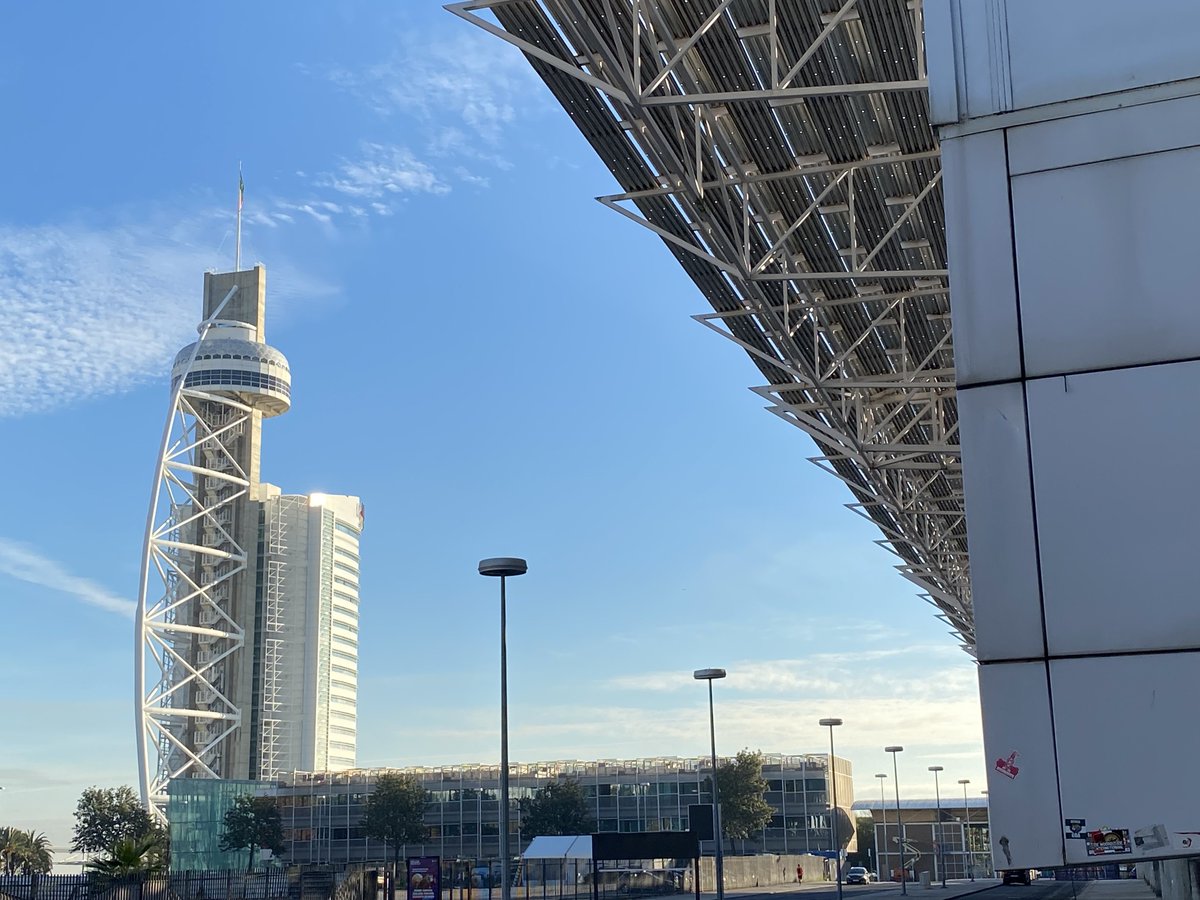
Scenic walking tour of Lisbon, thanks to Google not knowing location of FIL…!
Many congratulations to Caboteer Professor @paul_d_bates on his John Dalton Medal 2024 from the @EuroGeosciences awarded for his distinguished research in hydrology. Nice one Paul! 👏🎉
https://t.co/zeCt7ixnIm
@GeogBristol @BristolUni
Exciting news for hi-res earth observation fans like me….
New satellites = new opportunities for global water observations.
Planet to Launch Pelican Tech Demonstration https://t.co/vxDaeJ14mI
𝐂𝐚𝐧 𝐲𝐨𝐮 𝐦𝐞𝐚𝐬𝐮𝐫𝐞 𝐦𝐨𝐭𝐢𝐨𝐧 𝐟𝐫𝐨𝐦 𝐬𝐩𝐚𝐜𝐞? The @esa@ESA_EO-funded #FluViSat project ended with positive answers: yes, not only with video from space, but also with sequences of still satellite images!
https://t.co/lfZEGc9SQm
@oejwing @Nature @hydro_umass Exactly right, I thought I saw the same data being used for a very similar type of study - so that was it! Thanks for jogging my memory @oejwing