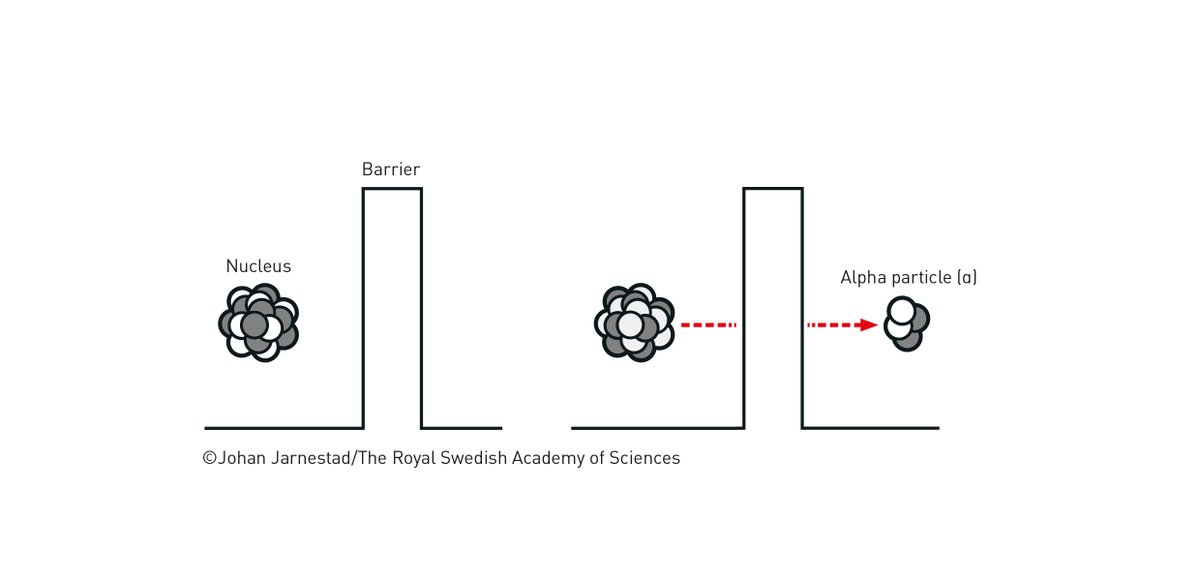
Quantum particles can penetrate through barriers in a behaviour called tunnelling. But curiously, large objects can also display tunnelling behaviour – a discovery that earned three scientists the Nobel Prize in Physics 2025.
Don't miss the physics lectures 8 December at 9:00 CST on YouTube and at https://t.co/m577HIID0a.
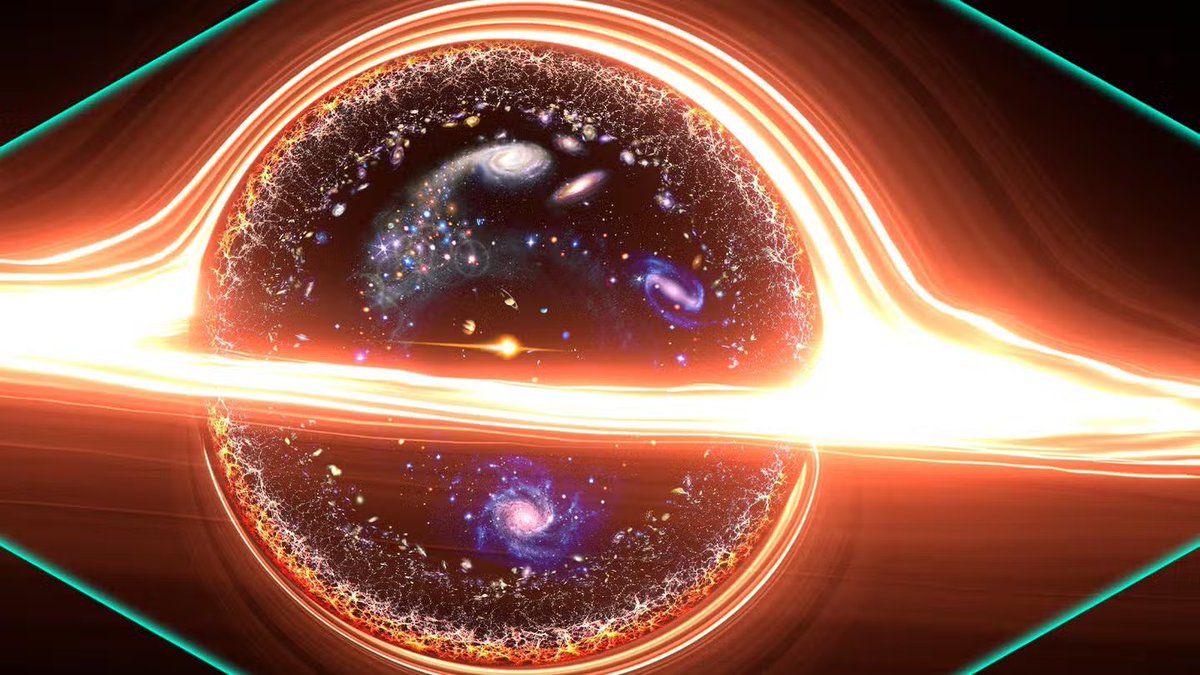
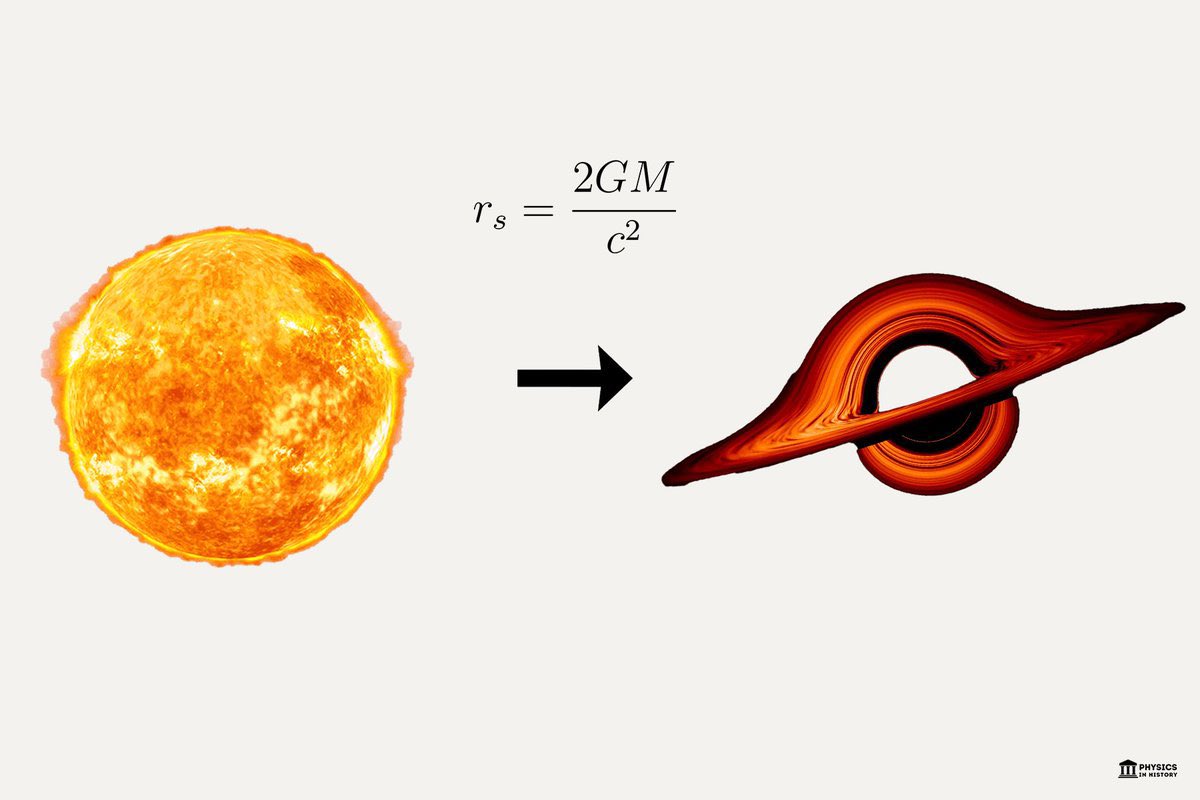
The sun is too small to become a black hole. It would need to be about 20 times more massive to end its life as a black hole. Even if the sun somehow gained enough mass, it would still lose most of it during the red giant phase, leaving behind a white dwarf.
Therefore, it is very unlikely that the sun will ever turn into a black hole. To make the sun into a black hole, one would have to somehow compress its core to a radius of about 3 km, which is the Schwarzschild radius for an object with the sun’s mass. This would require an enormous amount of energy and force, far beyond any natural or artificial means known to us.
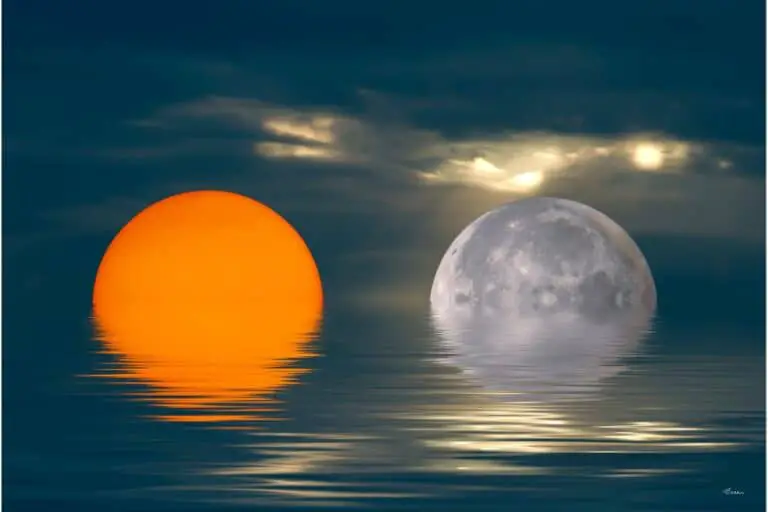
The Moon is 1/400th the size of the Sun but also 1/400th the distance from Earth, resulting in the Moon and the Sun being the same size in the sky, a coincidence not shared by any other known planet-moon combination.