Fotoğrafçı Rachel Moore, bir balinanın gözünün şimdiye kadar kaydedilmiş en etkileyici yakın plan görüntülerinden birini yakaladı.
Bu nadir kare, balinaların göz yapısını ve etkileyici detaylarını gözler önüne seriyor.
Sound waves pushed through liquid form into glowing toroids, helices, and mushroom shapes that shift and morph as the frequency changes.
Frequency, literally frozen in fluid, and it looks like something out of a fever dream.
Source: Zulu Cymatics YT
LIVE: They are coming home.
Watch as the Artemis II crew returns to Earth, splashing down at around 8:07pm ET (0007 UTC April 11). https://t.co/n3vZE2rcFv
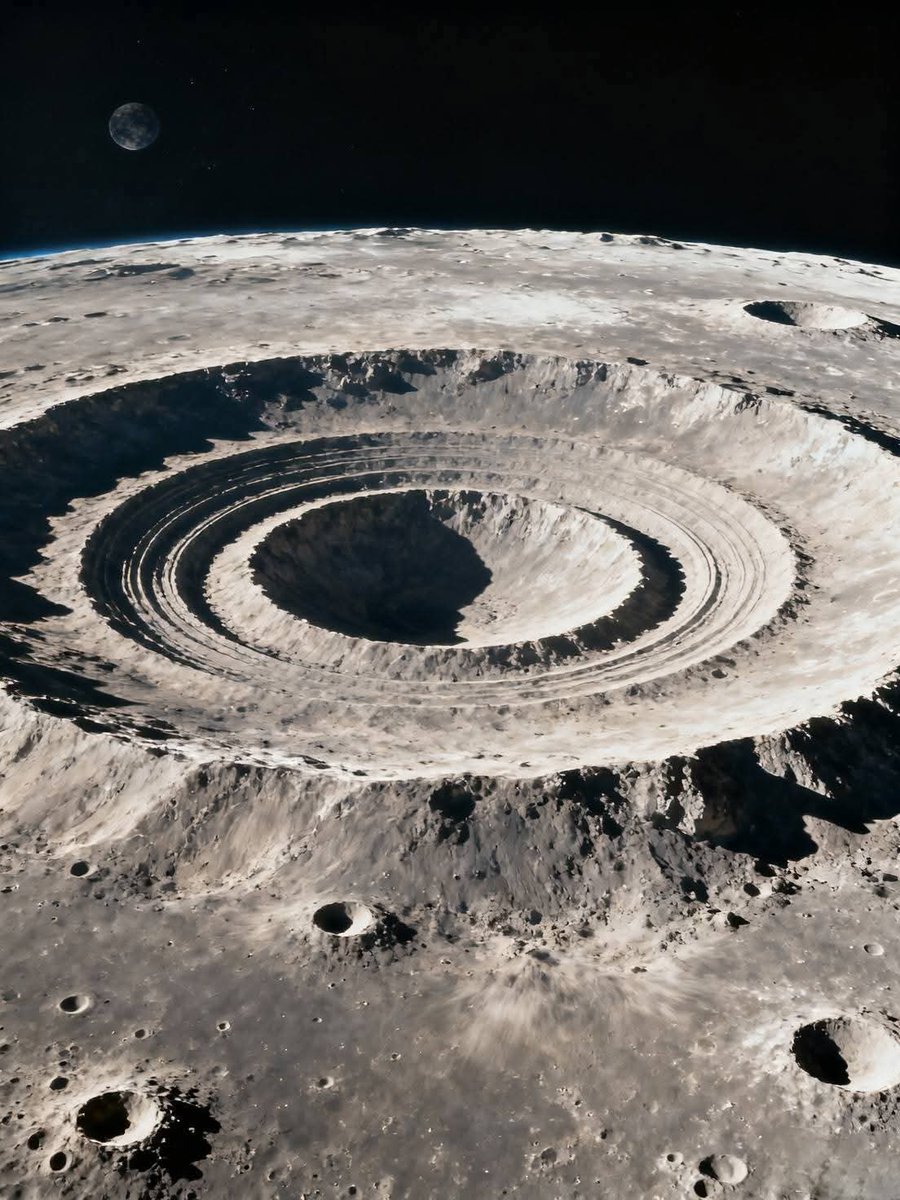
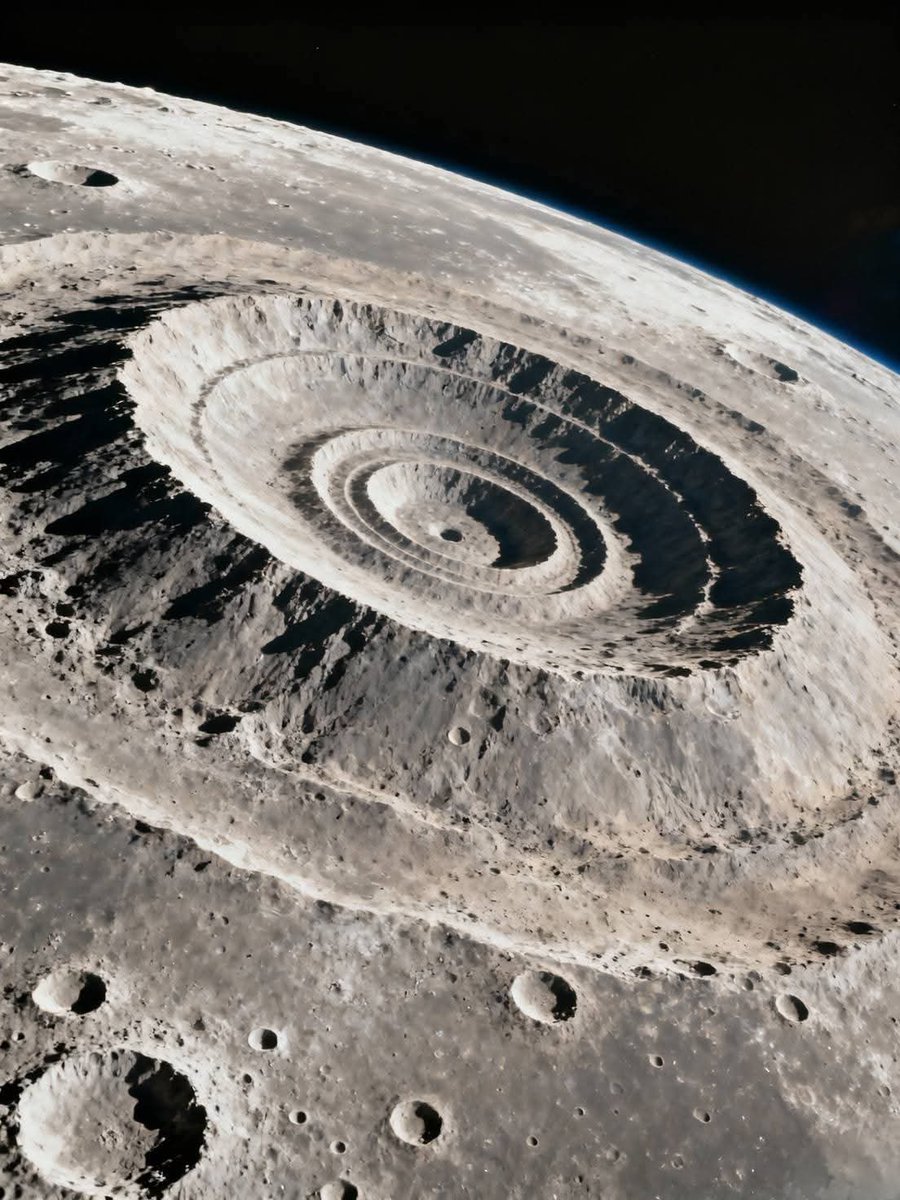
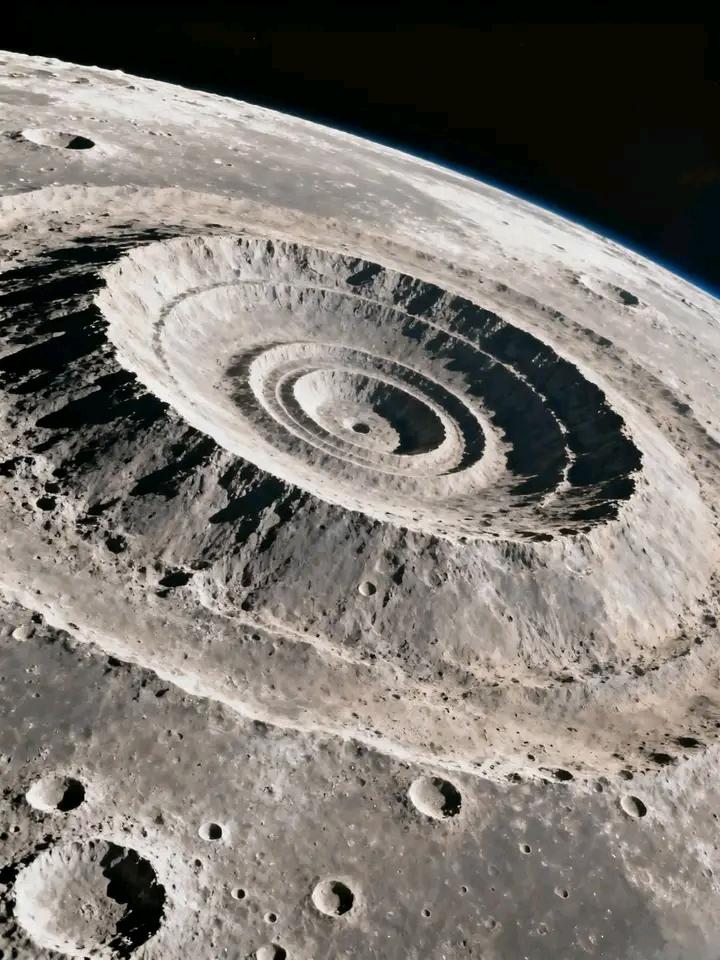
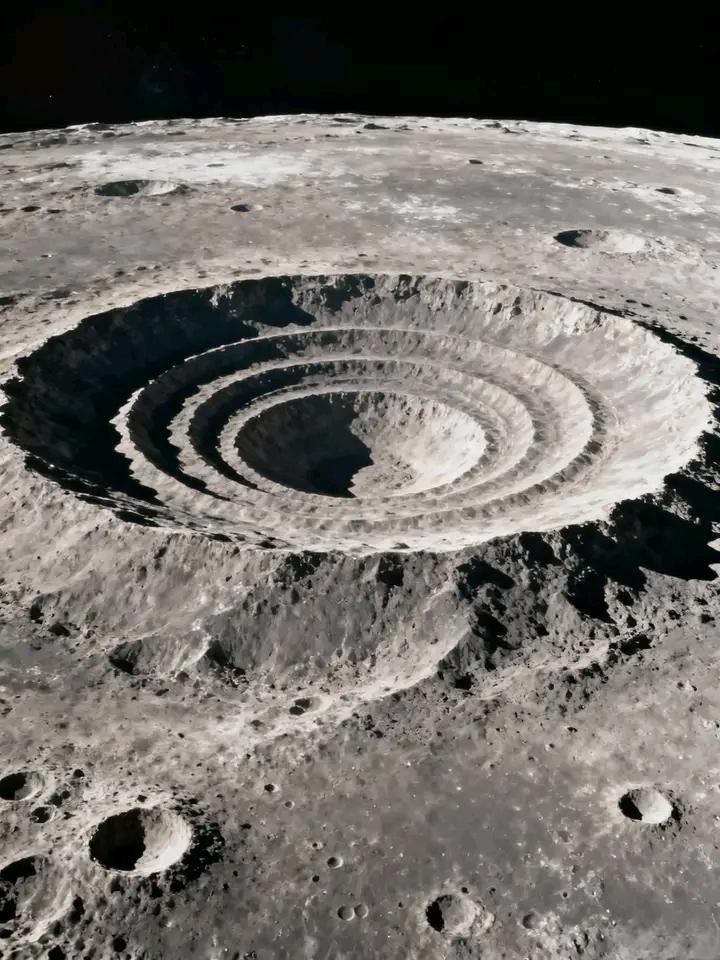
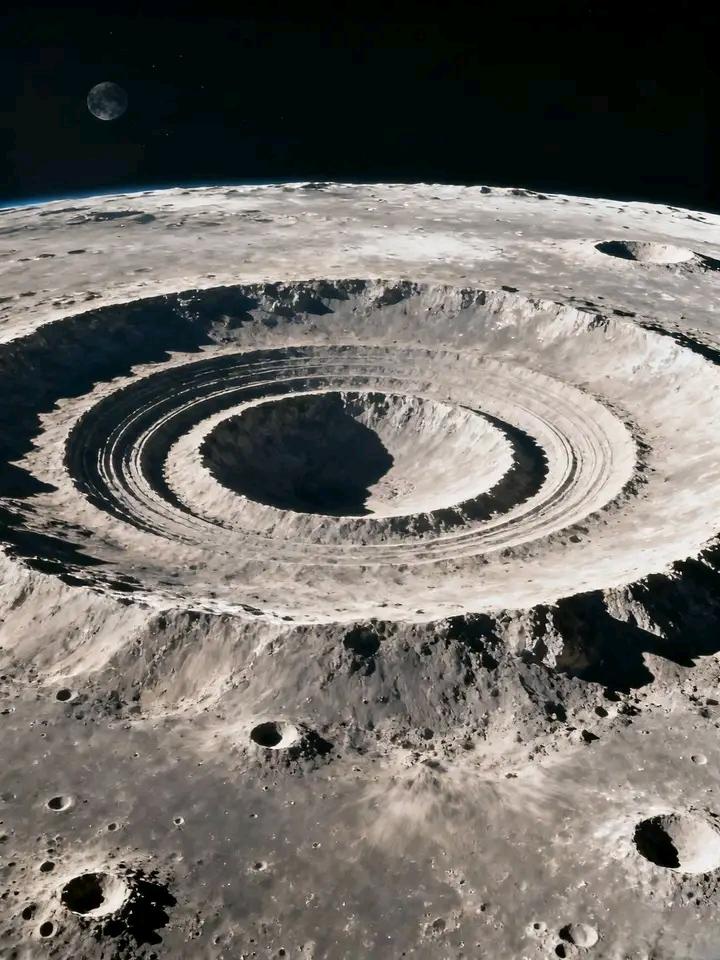
Artemis II Delivers the First Human Observation of the Complete Orientale BasinDuring the lunar flyby phase of NASA’s Artemis II mission, the crew captured the first-ever images of the entire Orientale Basin as seen directly with human eyes.Orientale is a multi-ringed impact basin approximately 930 km (about 580 miles) in diameter, located near the southwestern limb of the Moon (as viewed from Earth). Because of its position straddling the near and far sides, only portions of its concentric rings and ejecta blanket have been visible from Earth or in previous orbital imagery at certain illuminations. The unique vantage point and trajectory of Artemis II allowed the crew to observe and photograph the full structure — including previously foreshortened or partially obscured segments — in a single, fully illuminated view.Formed roughly 3.8 billion years ago by a large asteroid or comet impact near the end of the Late Heavy Bombardment, Orientale is the youngest and best-preserved large impact basin on the Moon. Its well-defined concentric rings (the outermost Cordillera ring, the Outer Rook, and Inner Rook) provide a textbook example of how massive impacts excavate deep into the lunar crust and mantle, followed by gravitational collapse and rebound that create the characteristic bull’s-eye morphology.This new human-taken documentation adds valuable high-resolution visual context to existing datasets from spacecraft such as Lunar Reconnaissance Orbiter, GRAIL (which mapped its gravity anomalies), and earlier missions. It will support refined geological mapping, studies of impact dynamics, and preparation for future surface exploration in the region.The observation underscores that even well-studied lunar features can reveal new details when viewed from novel human perspectives during cislunar missions.The Moon continues to hold scientific surprises — and Artemis II is already expanding our understanding of its complex impact history.
🚀 Artemis II Reveals Orientale Basin 🌕
NASA’s Artemis II mission just unlocked a view we’ve never seen before. 🌕
For the first time ever, the full Orientale Basin is revealed—showing a विशाल impact structure that remained partly hidden until now.
On the shoulders of giants... 🧑🏼🚀
The Artemis II crew aboard Integrity have officially traveled farther into space than any humans before, passing the record set during Apollo. Our live coverage continues:
https://t.co/do2p0Gvxdu
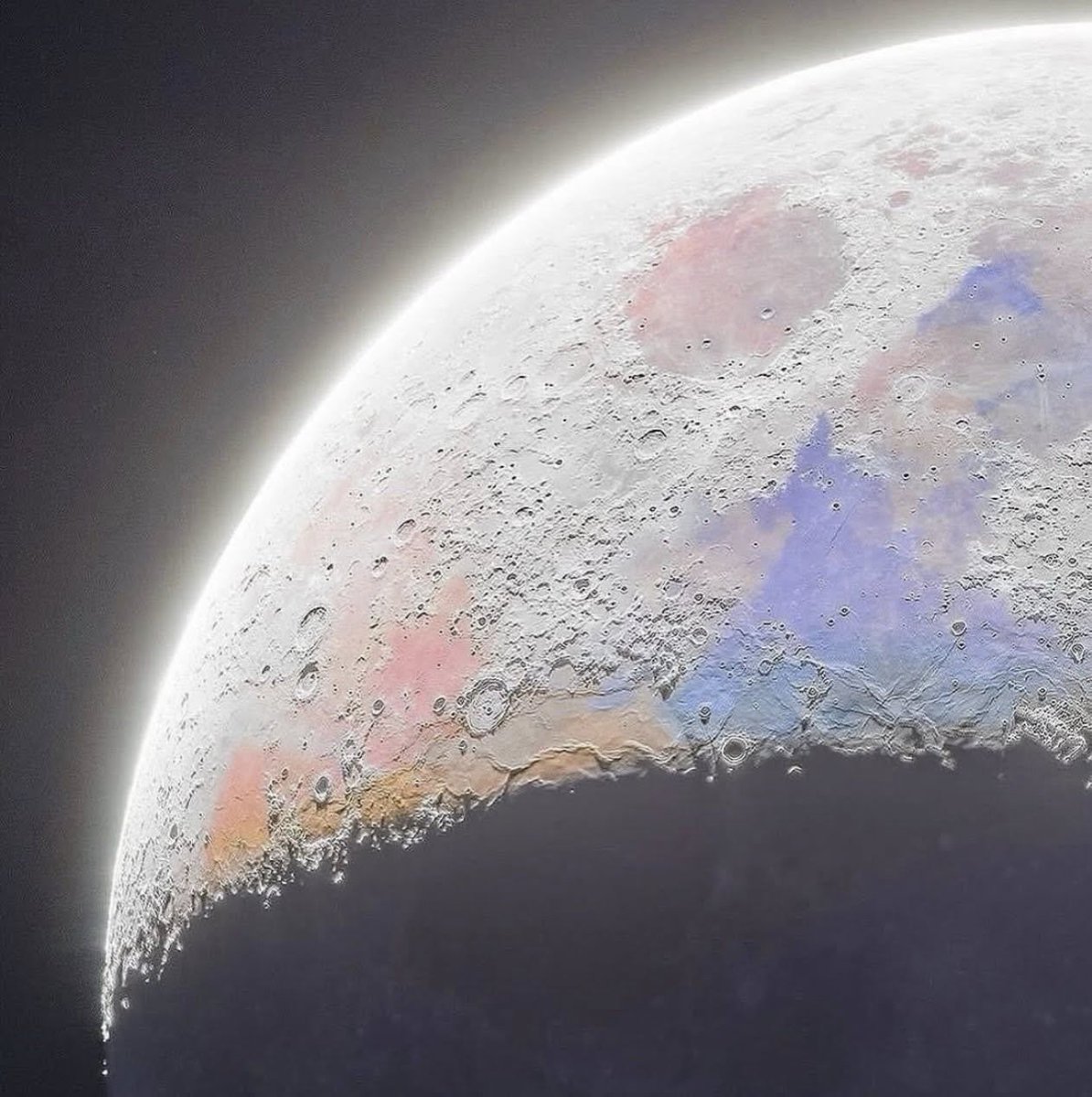
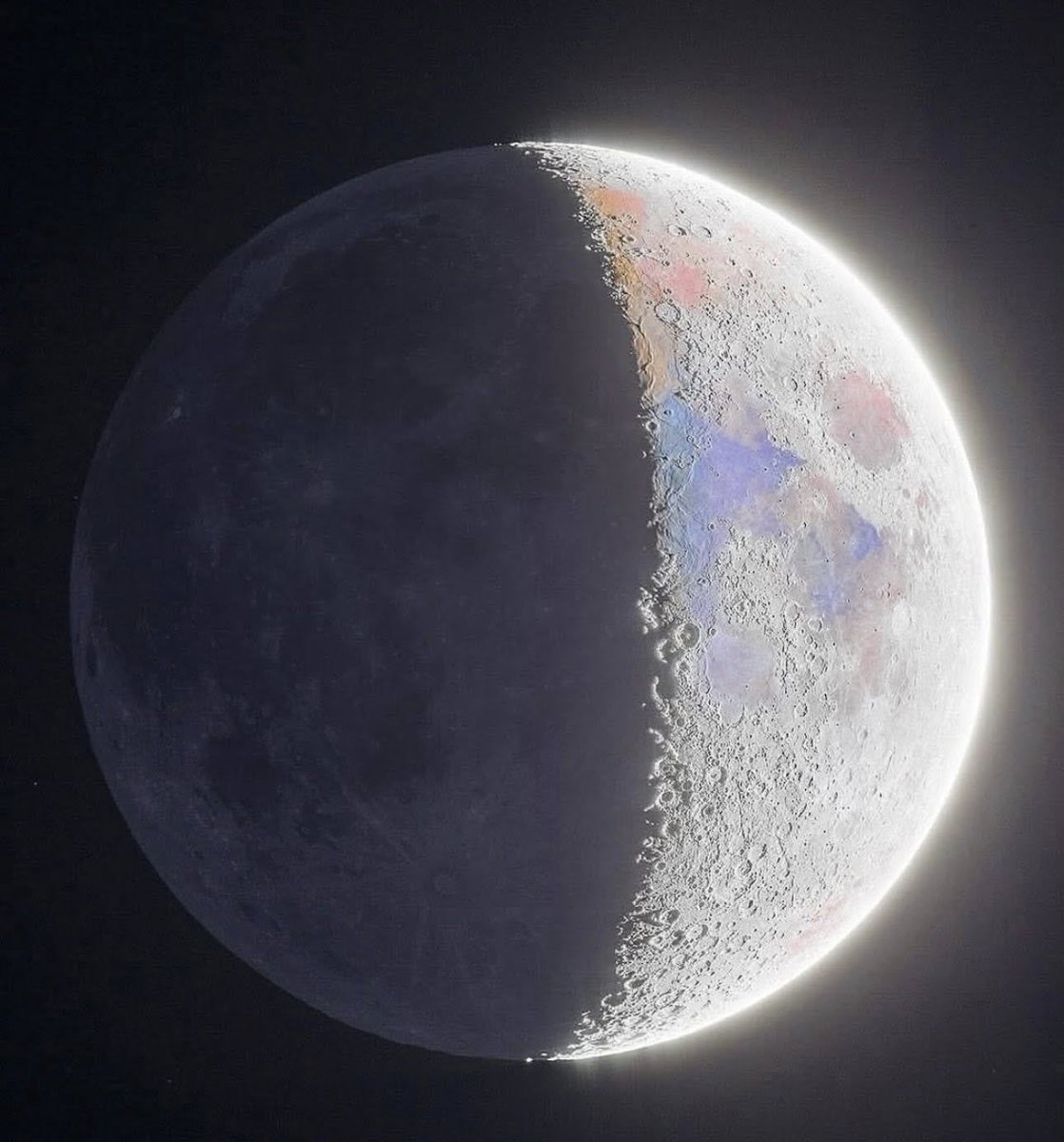
Did you know that the Moon has color? 🌒 🎨
At first glance, it looks gray, but through the lens on the right, its full palette appears: blue from titanium, orange from ancient rocks, and more iron on the far side.
This image was captured by Orion, the Artemis II spacecraft, during a mission that also broke the record for the farthest distance humans have traveled from Earth.
And there’s something beautiful in that. The colors have always been there. We just needed the right way to see them.🌗🌖🌘🌓🌔