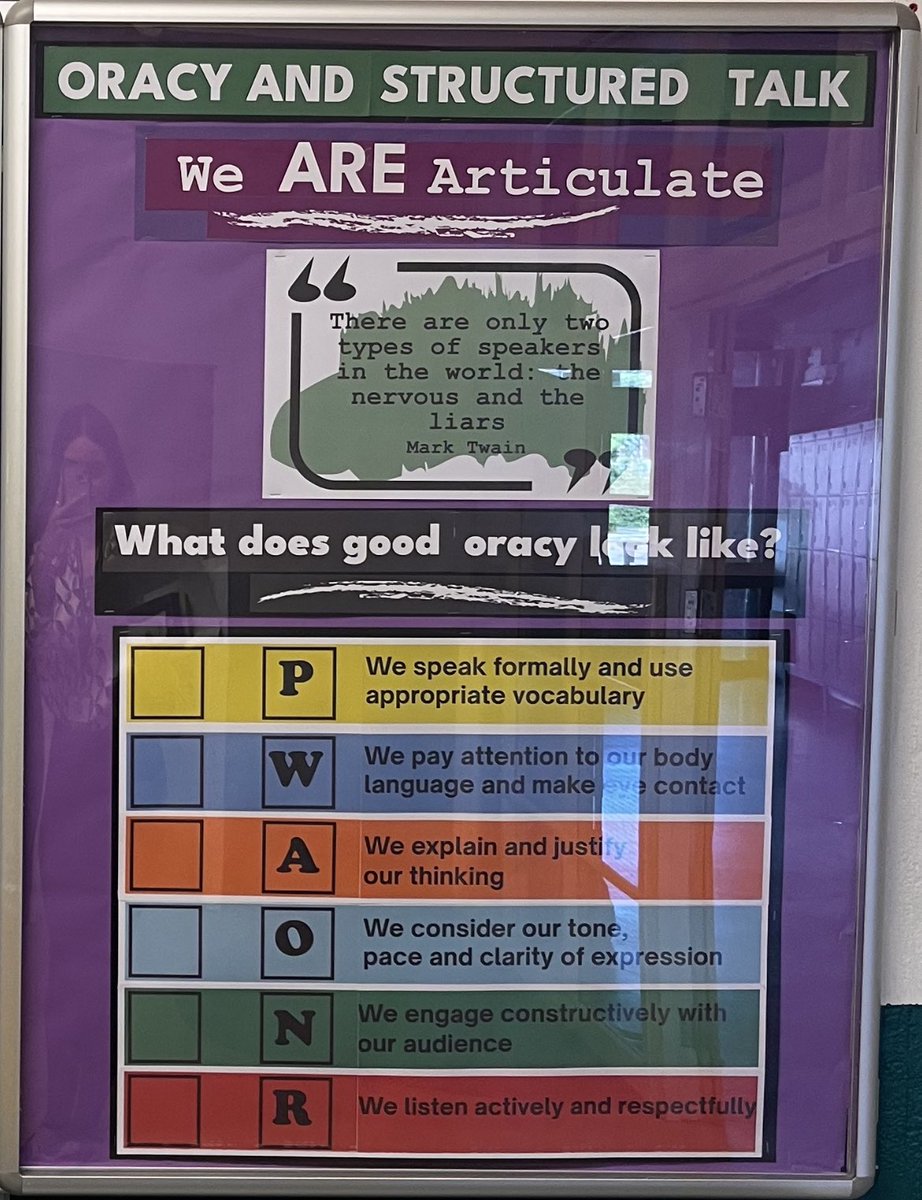
It's that time of year again where I start to see people's school improvement plans for next year. If you are looking looking at metacognition, oracy, turn and talk, literacy, trauma informed practice or bits of individual theory from cognitive science, I'm not saying these things are a waste of time, but there's a need to prioritise.
Whatever it is you are spending your summer planning, I'd consider checking the list below first, if all those things are sorted in your school then go for it, but if they aren't I'd suggest they are prioritised.
Calm, orderly, predictable classrooms across the school.
Calling out does not occur.
Teachers are consistently putting students' names at the end of questions.
Teachers have "rules of thumb" for which students they ask questions to and when.
There are always checks for understanding in-between explanation and practice.
Checks for understanding in the majority of subject are delivered using miniwhiteboards.
Miniwhiteboards are used with "hover and show" routines.
Students are in the room and learning (i.e. actually doing something academically meaningful) extremely quickly at the start of lessons.
Departments have long-term memory strategies that map out how teachers give students the retrieval practice they need.
As above, once that stuff is in play, go to town. But if it isn't, it's probably where you should focus.
@michael_merrick Thanks for writing this Michael. A few years ago, I wrote to you for support and you responded promptly, with depth and real candour. If you ever need to reach out the same, please do so. Wishing you the very best!
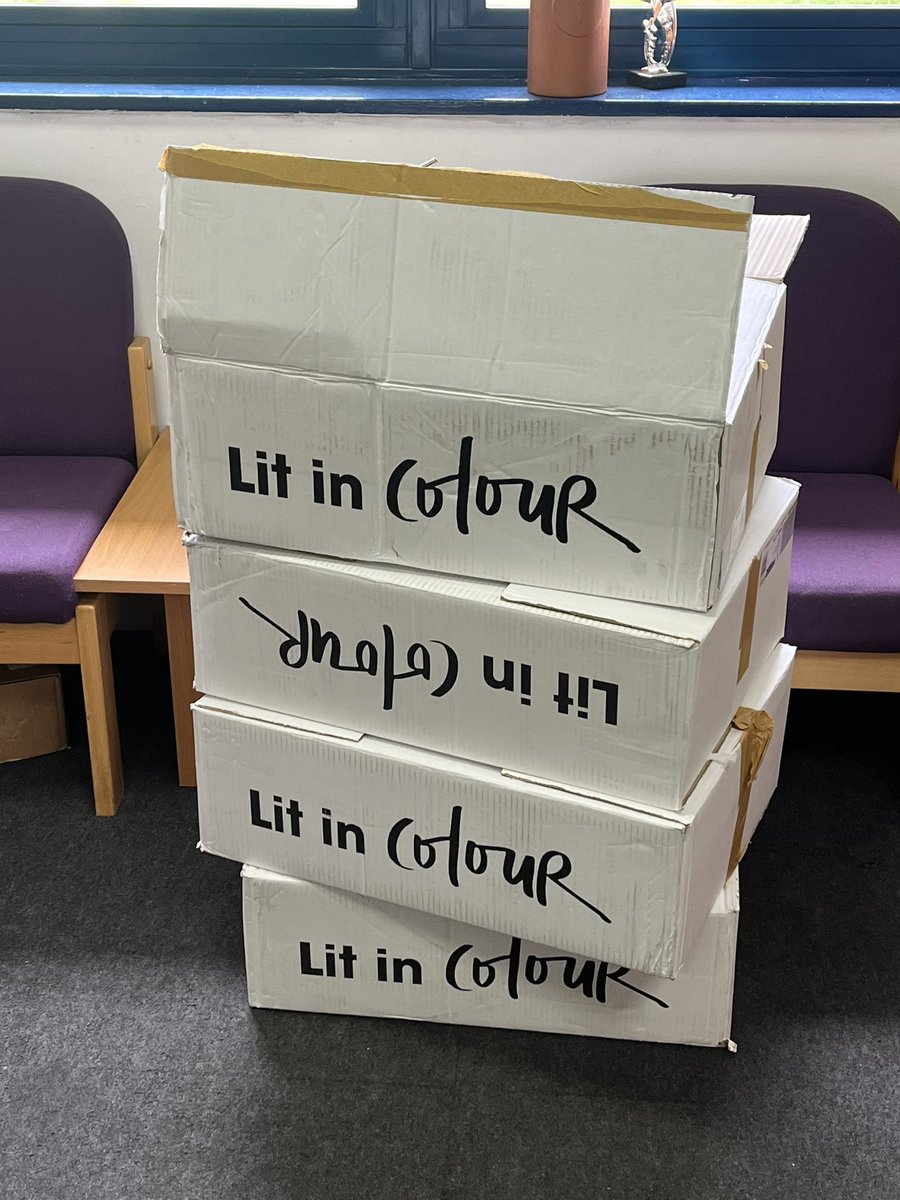
Opening up our @PearsonEdexcel @PenguinUKBooks Lit in Colour collab was a real treat. So many classics for @Whitefield_NW2 students to root through next year.
@BarbaraBleiman Gutted. I only heard about the course yesterday! My first year teaching a-level has been with Rossetti and I loved it. It was like being back at uni again. Such a complex and beautiful use of the form. Many a night spent obsessing over As Froth on the Face of The Deep!
Excellent thread on the state of English teaching. I do think the current curriculum choices ultimately mean students are losing out on the joy of the subject.
Have we lost a useful sense of progression from KS3 to KS5 and beyond.
When I was at school:
KS3 -- the novels we studied were for children or YA, there was some Shakespeare, poems, creative/persuasive writing.
1/
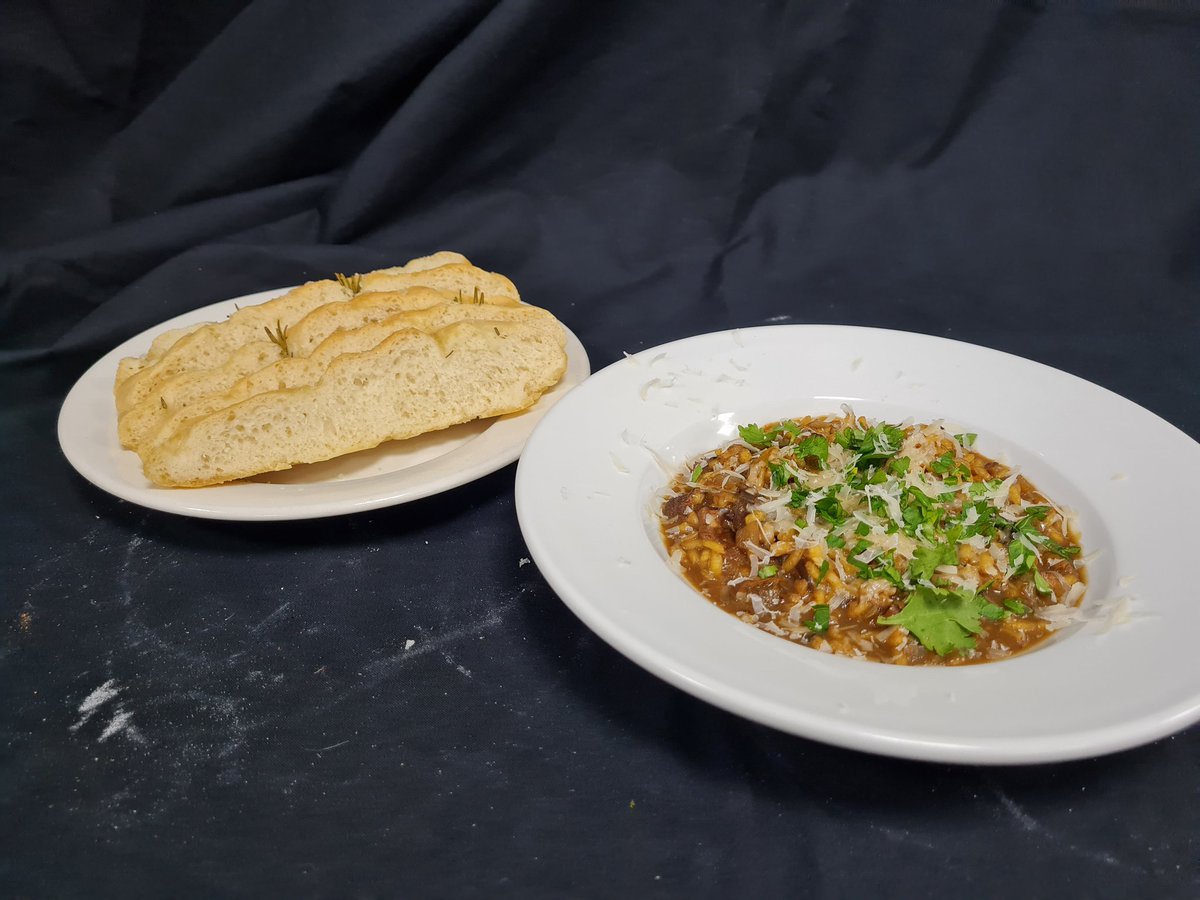
Congratulations to 11HC @Whitefield_NW2 who successfully completed their practical exam
I am extremely proud of all of you
As I cant share live work, here are some dishes from 2022's exam to wet ypur appetite #proudteacher#highlevelskills
Two quotes on fluency from @Suchmo83's outstanding "The Art and Science of Teaching Primary Reading":
1) There is insufficient evidence to suggest that silent reading supports the development of initial reading fluency—though its obviously beneficial in other ways ...
Here is a profound thank you to all the non-futurist teachers who think teaching kids to do read books, write essays & other “hard” things causes them to learn & that the work of adults is to push young people beyond what's easy- even if doing so is sometimes hard for the adults.
National Curriculum documents, government policies and Ofsted reports all encourage schools to teach pupils to speak and write in standard English.
However, dialogic teaching, which enables more effective pupil learning, ...