Got a busy week with a few events I’m really looking forward to.
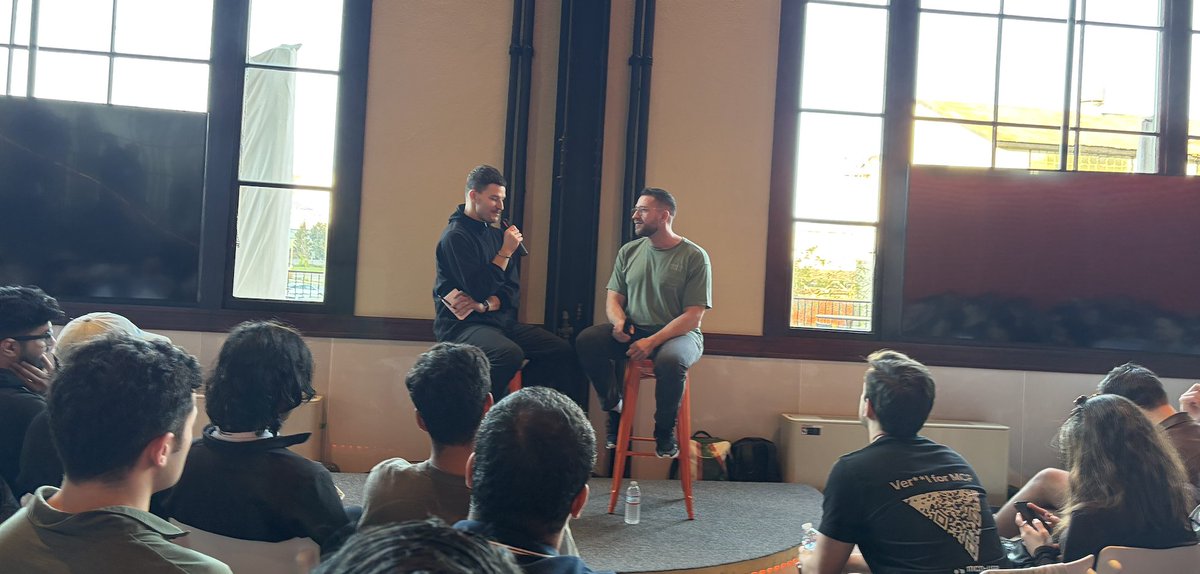
On Wednesday afternoon, I’m speaking at @LBS with Cameron Crawford about my journey into Health Tech research, how we built @TerraAPI Research, the role of AI in automating and scaling our wearable data work, and where we’re deliberately choosing not to use it. Cameron will cover the incredible work he is doing with agents. Link in the comments below to sign up.
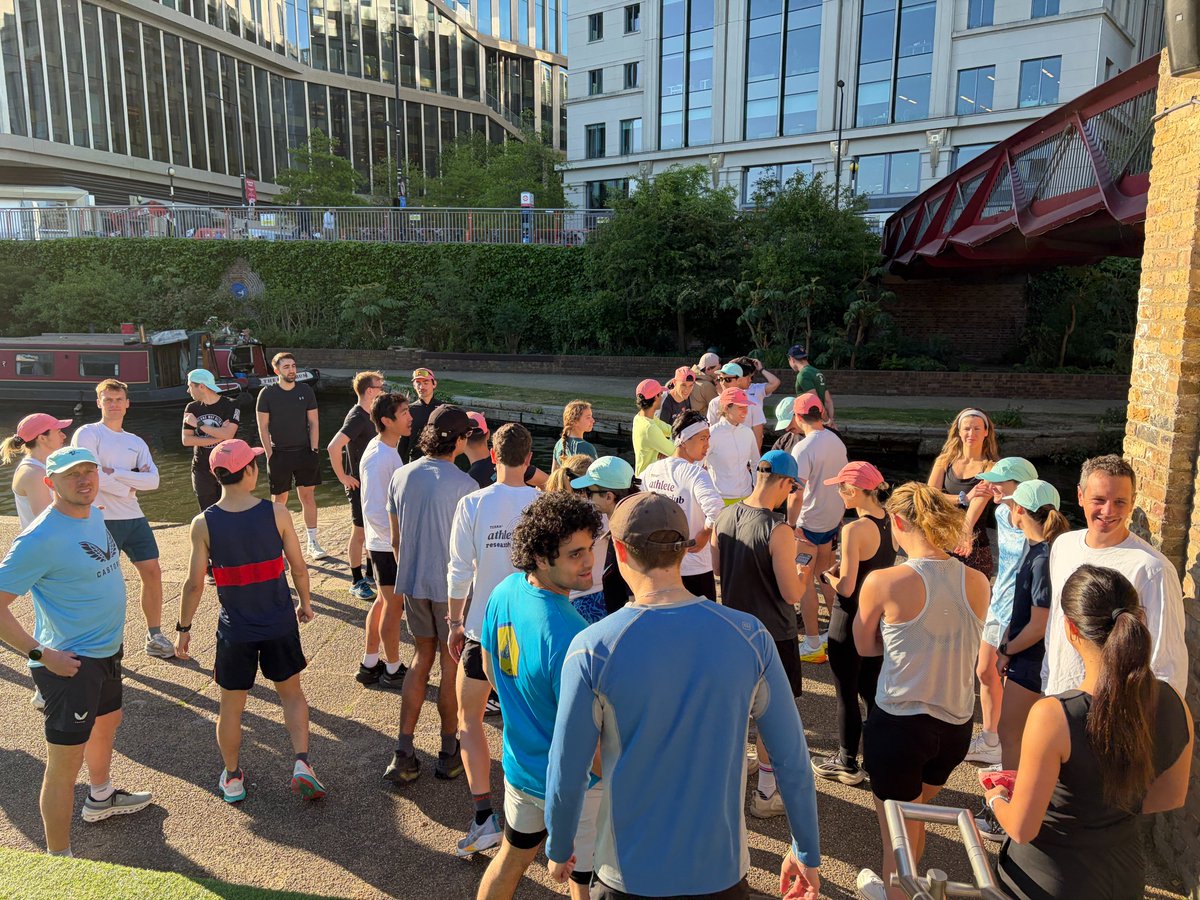
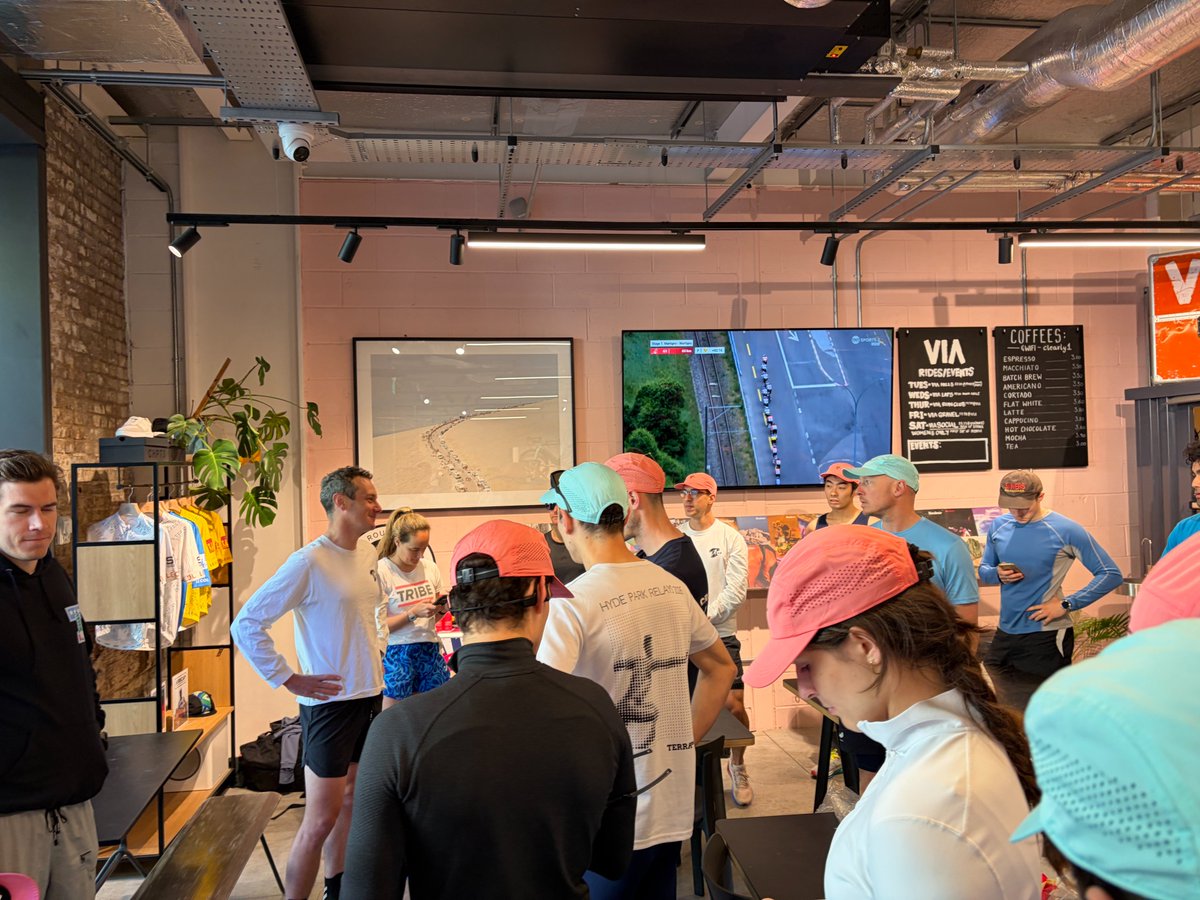
On Thursday morning, I’m hosting the monthly Athlete Research Club Run from Via in Kings Cross. This is easily one of my favourite mornings each month. A relaxed jog (or run!) along the Regent’s Canal while chatting about health, data, tech and performance. Just good conversation with great people, and the chance to get involved in some real-world health research.
We’ve got some fresh merch to give away too: the next 20 people who sign up via the link below and bring a +1 will get one of the new t-shirts.
A couple of years ago, I was walking through Salesforce Park in SF with @AliBrownleetri, talking about something surprisingly frustrating: how little usable data exists in health research.
That conversation sparked an idea - what if we built an internal team focused on cutting through the noise and open-sourcing the most useful insights on physiology, exercise, and supplementation?
Fast forward, the team grew significantly, and we have released some of the most interesting insights across the industry:
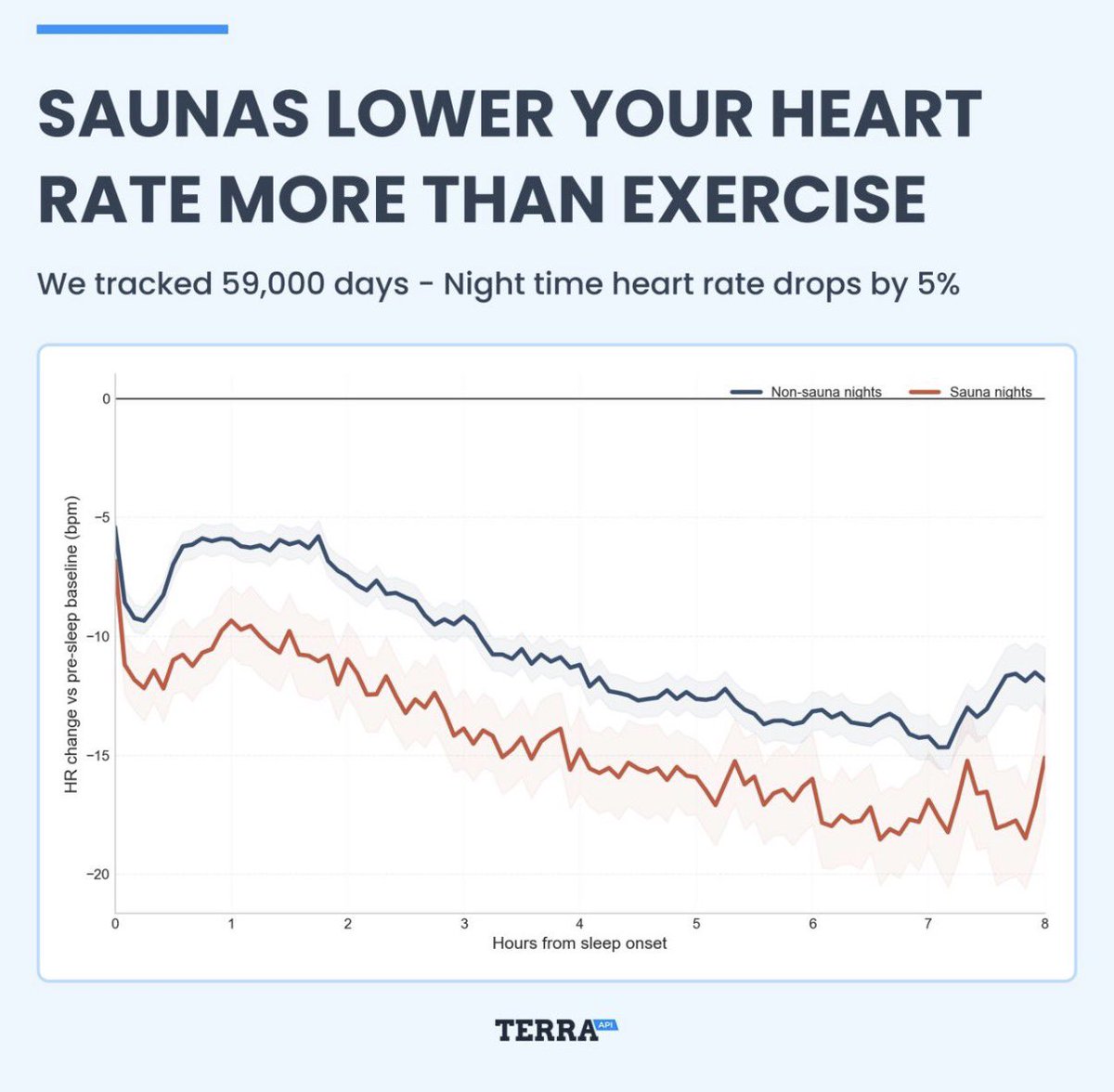
- Saunas can lower nighttime heart rate by ~5%
- Melatonin impacts heart rate more than actual sleep quality
- Cold plunges show measurable effects on key biomarkers
- Where you live may influence your sleep more than your habits
- Alcohol’s impact on sleep is more nuanced than most think
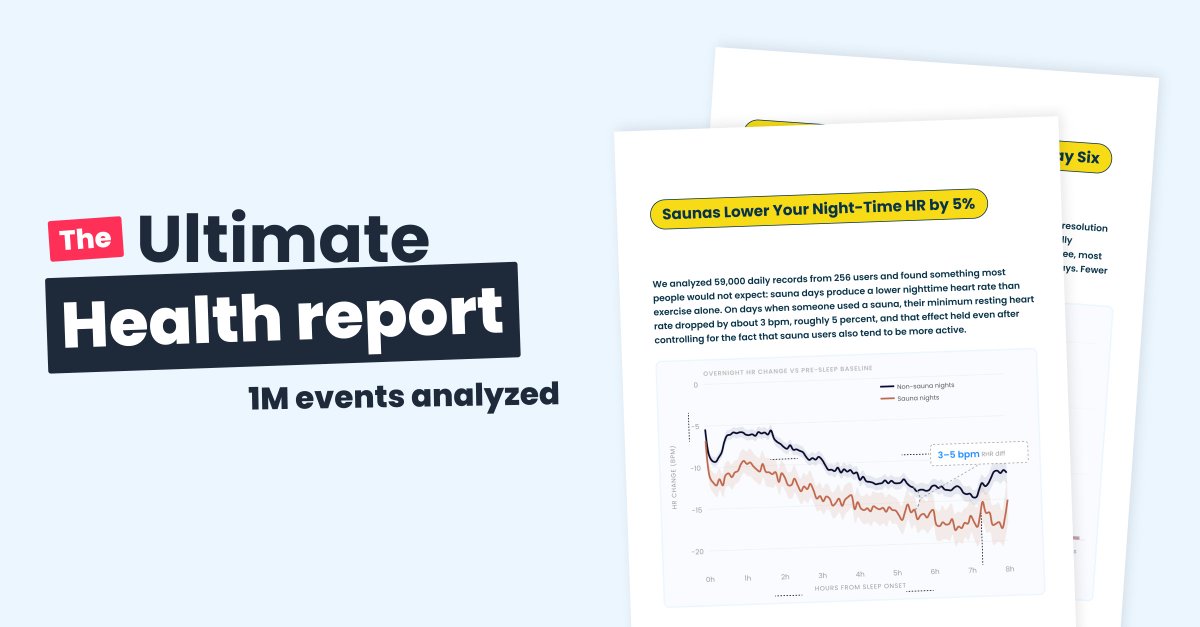
Today, we’re releasing our latest quarterly findings in a comprehensive report
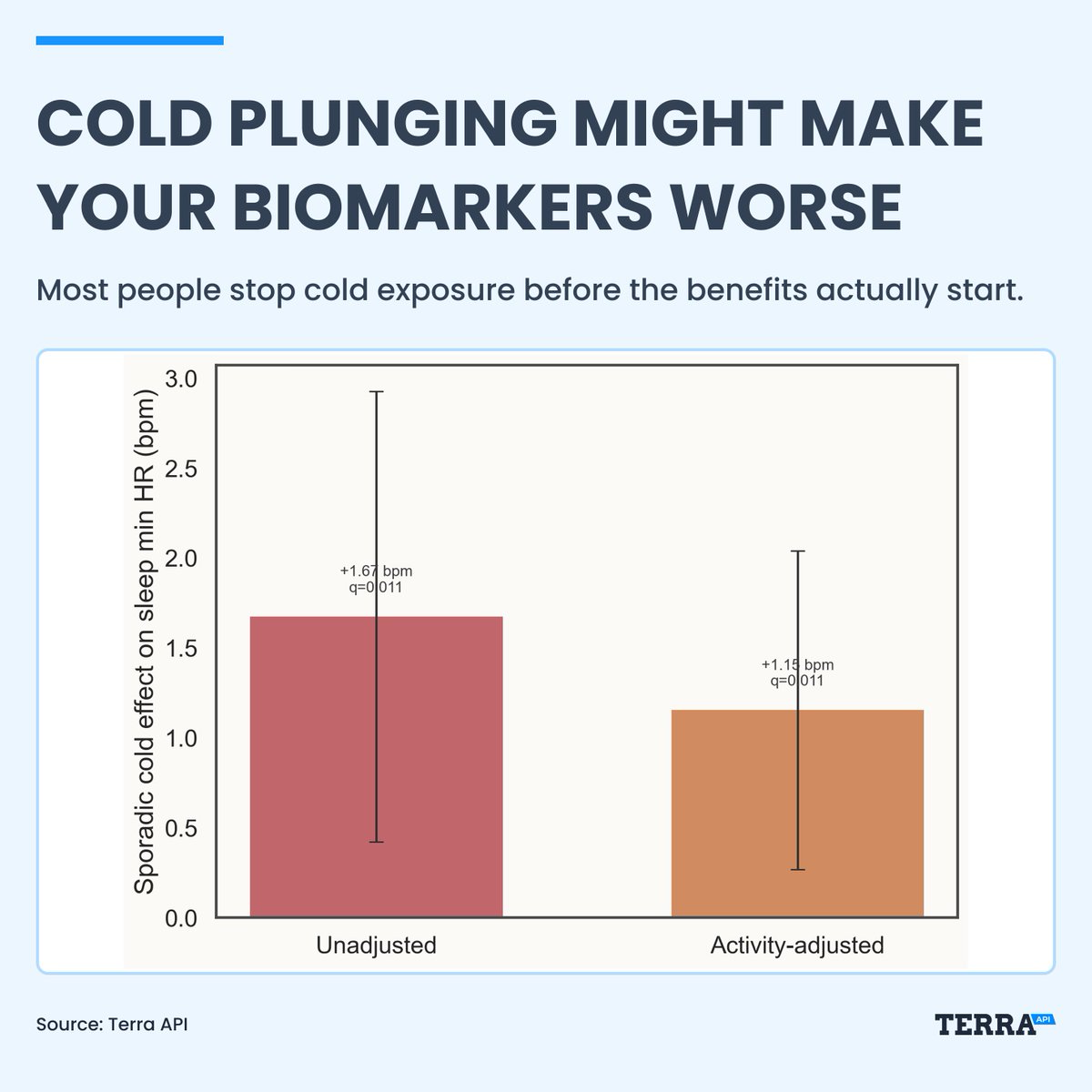
We studied 170,000 days of cold plunge - it's a stressor until you adapt; the threshold is 3 sessions in 14 days
Below that, sleep heart rate goes up by about 1 bpm, consistent with an acute sympathetic response
Above it, recovery score improves by 1.33, sleep score by 1.01, and daily heart rate drops by nearly 1 bpm
Combining sauna and cold gives the highest recovery composite, but sauna alone gets you most of the way there
In women, cold exposure during the luteal phase raises sleep heart rate by 1.68 bpm even with frequent use - the follicular phase shows no effect
Adaptation is the whole story
1.8 million people racing this year with HYROX, across the US, Japan, China, Brazil, India
It started with 600 people in Hamburg
I sat down with Chief Growth Officer Douglas Gremmen, at @Stanford
Here's how it all happened:
00:00 – Intro
05:44 – Origin Story
08:59 – From First Event to Leading Global Expansion
12:36 – New Markets: Japan, Brazil, India
14:56 – Why the US Was the Hardest Market
17:28 – Losing Money in America
19:09 – The $1M Bet That Turned the US Around
21:52 – From 600 to 42,000 Tickets
25:39 – Why Athletes Keep Coming Back
28:00 – HYROX 365: 15,000 Gym Affiliates
34:27 – HYROX as a Gym Retention Play
36:49 – Fragmented Gym Tech & the Data Opportunity
38:23 – HYROX vs. CrossFit
43:10 – The Pickleball Analogy
46:49 – The Path to 100 Million People
49:50 – HYROX x Puma: The First Dedicated Shoe
54:14 – Back to Fundamentals
56:35 – Events vs. Social Media
59:11 – Post-COVID Perfect Storm
01:01:09 – HYROX in 5 Years
If you're like me, you probably think that the first glass of wine helps you drift off. And honestly? It probably does. But then what?
At Terra Research, we analysed 15,000 nights of sleep data from people who logged alcohol before bed vs. those who didn’t, using a mixed-effects model to control for individual differences.
What did we find? Alcohol makes you restless, but it barely touches your sleep stages.
Here's what we found:
→ +398 seconds extra time spent awake in bed (SE: 116s)
→ More wakeup events throughout the night
→ Increased respiratory rate (p=0.02)
→ No significant change in light, deep, or REM sleep proportions
That last point is the one that caught my eye. Decades of sleep lab research consistently show REM suppression and increased slow-wave sleep in the first half of the night after alcohol.
So why don't we see it in 15,000 real-world nights?
I think there are a few reasons. Lab studies typically use controlled doses administered at precise intervals. Real-world drinking is messier. Timing varies. Dose varies. Some people have one glass of wine, others have several pints. The wearable devices capturing our data also measure sleep stages differently from polysomnography, which picks up fine-grained EEG changes that a wrist sensor likely won't.
But where wearables are most accurate in measuring wake events, fragmentation, and respiratory rate, our findings align with the literature.
So the practical message? That glass of wine probably isn't destroying your deep sleep or REM in a way your wearable can detect. But you are setting yourself up for a restless, fragmented night. Your body has to work harder to breathe, you wake up more, and that "guarantee" of falling asleep within 15 minutes vanishes.
Full analysis in the comments below
#sleep #healthdata #wearables #terraresearch
@TerraAPI
We studied 59,000 sauna days - the effects are immediate; Nighttime heart rate drops by 5%
That's roughly 3 bpm, pointing to a recovery effect that goes beyond movement
Women show lower nighttime heart rate on sauna days across the cycle, but the clearest shift shows up in the luteal phase
Sauna pushes the body, then the body shifts into recovery
Heart rate rises during heat exposure, then cooling brings a parasympathetic response that shows up later that night
Perplexity is now powering health connectivity for millions of users through @TerraAPI
Given that the best AI labs are moving into the health space, here's what I think is coming:
You make thousands of daily decisions that change by the second
Biomarkers, workouts, meals, sleep cycles, and stressors
We are not meant to hold all this information
No matter how brilliant your physician is, they see you for 15 minutes and work from a snapshot. The human brain doesn't scale to this problem
AI does
The doctor becomes the person you go to for surgery, and for judgment under uncertainty
No doctor will ever know you better than your AI
And software will be written for you daily
Today, a doctor looks at a snapshot and puts you in a bucket. "Pre-diabetic", "at risk". These are population labels applied to an individual
They tell you where you are. They don't tell you where you're going
With continuous, full-context reasoning, the system doesn't label you, it tracks you.
Your testosterone has drifted 10% over 10 months, your performance is dropping, here's exactly what to change this week to reverse it
Medicine finally gets a feedback loop
Chronic means we caught it too late. By the time you get the label - diabetes, heart disease, autoimmune - the damage has been accumulating for years. The disease isn't the problem. The delay is
A system that monitors continuously doesn't wait for symptoms. It sees the drift at month 2, not year 10. The intervention is early, precise, and adjusts as your data changes. The feedback loop confirms it's working in days, not decades
Chronic disease is a timing failure. The timing problem is solved
Perplexity Computer now connects to your health apps, wearable devices, lab results, and medical records.
Build personalized tools and applications with your health data, or track everything in your health dashboard.
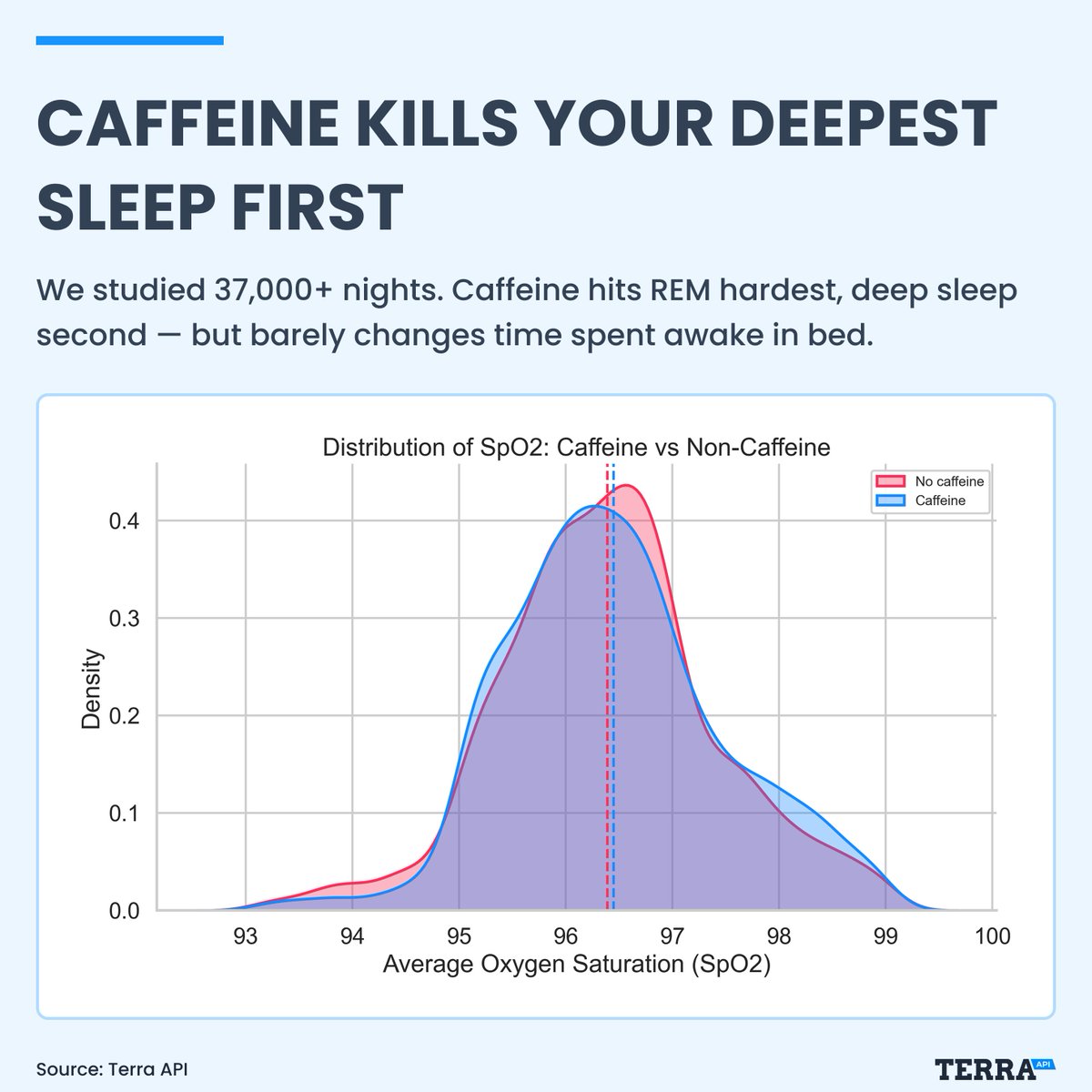
New from @TerraAPI Research, this week Rocio looked at what caffeine actually does to your sleep using wearable data and within-person controls:
• 10 min less sleep
• REM hit hardest, then deep, then light — quality > duration
• Blood oxygenation drops notably
• No effect on time lying awake in bed
The stages you need most are the ones caffeine targets first.
Full analysis below in comments.
For years, we've been building so AIs can change healthcare
Not react at the point of care. Not predict disease. Set goals
You tell the AI you want to live to 120, or qualify for the Olympics, or never get a chronic disease - and it works backwards from there
It turns out, the majority of questions people ask AIs are already about their own health
Microsofts latest announcement of embedding health data is bringing us closer to that
Moving away from "what's wrong with me" to "how do I get where I want to be"
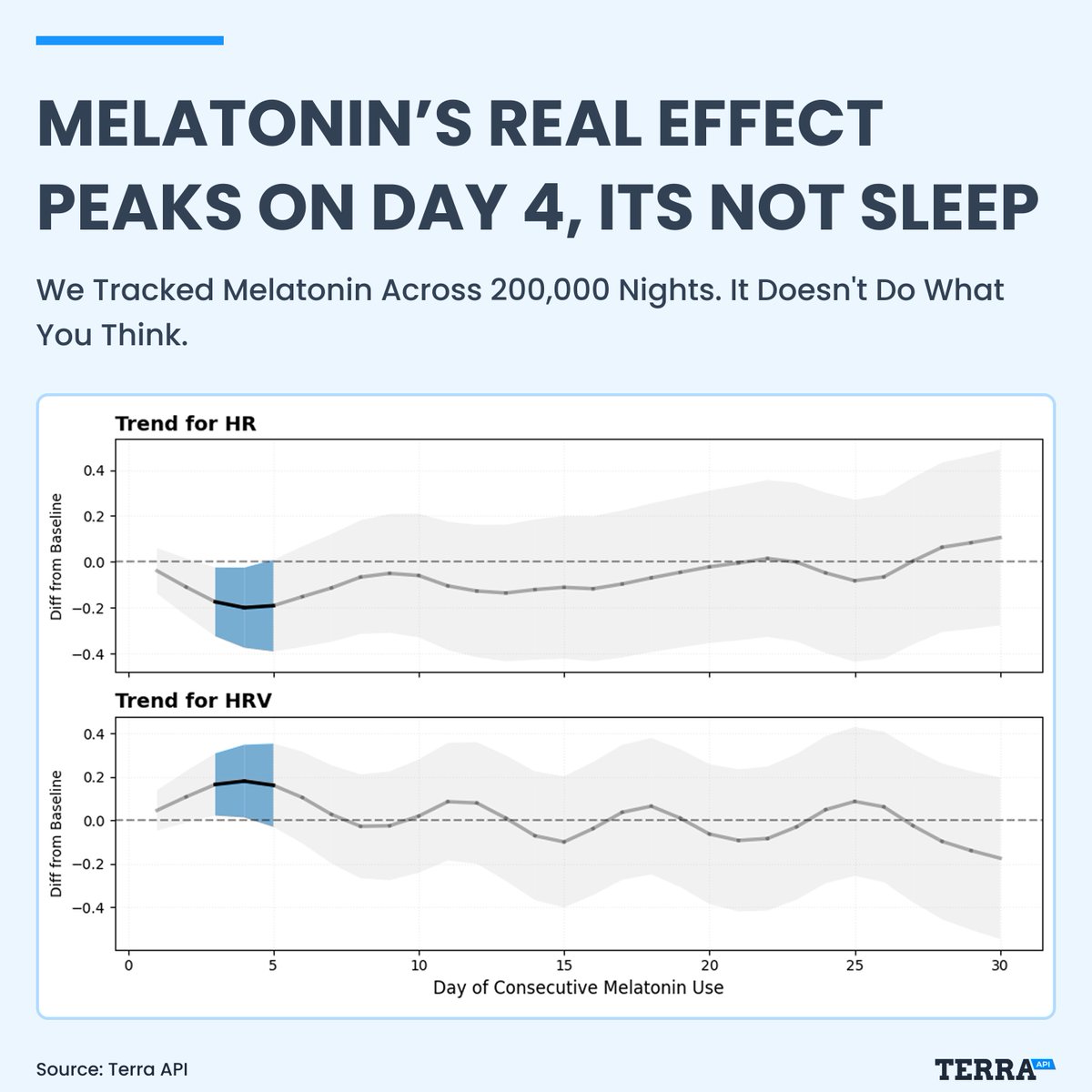
We tracked melatonin across 200,000 nights. It doesn't do what you think.
Most people, including me, take melatonin to sleep better. When I travel, cross time zones, and sleep in unfamiliar beds, I’m convinced it helps me get a better night's sleep. Our latest data analysis at Terra API suggests it doesn’t.
We analysed 200,000+ sleep records, excluded nights with alcohol, late caffeine, and illness, and compared melatonin nights to non-melatonin nights using mixed-effects models.
There was no measurable effect on sleep duration, latency, or onset.
But we did detect physiological impacts of melatonin on our users. Overnight heart rate dropped, and HRV rose, peaking around days 3–5. After a week, the effect fades. That's probably a sign that, for many, Melatonin helps your body find its rhythm, then steps back as it adjusts (attenuates) it.
And we found no evidence of withdrawal. When users stopped, metrics returned to baseline within 2 days, with no rebound or worsening.
So why doesn't it show up in sleep? Probably because people reach for it on their hardest nights. Travel, stress, early alarms, I certainly do. The context overwhelms whatever benefit melatonin provides.
Full research blog in comments.
Great work by the @TerraAPI research team on this one.
If you are anything like me, you are already missing all that winter sport, so I thought I’d dive into the @TerraAPI data vaults for some insights.
Norway's performance was pretty amazing: 41 total medals (18 gold) —the most golds ever at a single Winter Games and the top of the medal table. With a population of just ~5.65 million, that's roughly 0.73 medals per 100,000 people—a per-capita dominance that leaves giants like the US (~0.009 per 100,000 with 349 million people) in the dust. Johannes Høsflot Klæbo stole the show, sweeping all six cross-country events he entered for an unprecedented six golds at one Games, pushing his career total to 11.
But what drives this sustained excellence? Diving into activity data from fitness trackers across Europe reveals Norway's secret could be a deeply embedded cultural approach to movement. Norwegians average 512 minutes of activity per month (39% more than peers in the UK, Germany, France, Austria, and Italy), with massive emphasis on outdoor, nature-based pursuits: 183 minutes on walking/hiking (64% more) and 29 minutes on cross-country skiing (over 20x more than others, where it's virtually absent). They seem to favor sustainable, endurance-focused training, more time building an aerobic base, and less max-intensity.
Even more telling: activity diversity is highest in Norway at 3.39 types per user (vs. the UK's 1.53), possibly pointing to a grassroots philosophy of multi-sport participation, delayed specialisation, and a fun-first approach to training.
What can we learn from this? Does analysing the data uncover the secrets of success? Read the blog to find out…
Can we help you train for your next marathon?
Maybe we've built something to get you started.
@TerraAPI , we analysed six months of real training data from 101 recreational to sub-elite marathon runners and created a predictive model that explains 79.3% of the variance in actual finish times (R² = 0.7933), with an average prediction error of about 18 minutes. I must admit, the accuracy is a long way off being useful. I think I could be closer to most people's time, without a fancy model! But we decided to publish it anyway to demonstrate the inherent difficulties of modelling human performance.
The model uses five key inputs you can plug in yourself:
• Your baseline running pace
• Total training volume over 6 months
• Intensity distribution
• Training frequency
It incorporates non-linear effects and interactions we observed in the data, such as:
• Diminishing returns on extra volume (gains are bigger when you're at lower totals)
• Accelerating benefits from easy miles — the higher the % of easy training, the bigger the payoff
• High-intensity work best kept under ~20% of total time (beyond that, it often hurts more than helps)
• Faster natural runners get disproportionately larger gains from volume and easy work
This isn't magic or a guarantee; marathon performance is messy and multifactorial. The model misses race-day chaos (weather, nutrition, psychology, course quirks), incomplete GPS logs (not every session gets recorded), individual genetic/response differences (20–50% non-responders in some studies), and more. It's correlational, based on a modest sample, and probabilistic at best.
But the patterns align with broader running science: easy-heavy pyramidal distributions dominate among faster runners, volume matters hugely, but plateaus, and personalisation beats one-size-fits-all.
That's why we're sharing an interactive version for you to experiment with: input your own numbers, adjust sliders for different scenarios, see probabilistic predictions, and use it as a thought experiment for your training.
It's a rough prototype, insightful for sparking ideas, but treat it lightly. Far more advanced versions (larger datasets, better handling of missing data, race-day factors, ML personalisation) are in development.
Ready to play?
Link in the comments below.
Whether you're aiming for sub-4, sub-3, or just to finish strong, what's the one training change you're considering right now? Drop it in the comments; let's discuss!
#MarathonTraining #RunningScience #EnduranceSports #DataDrivenFitness #PersonalisedTraining
Building on last week’s marathon deep-dive, we’ve done a deeper analysis on those 400+ runners.
No massive shock here: once you cross a certain mileage threshold,you probably hit pretty clear diminishing returns when you’re gunning for a faster marathon. Note diminishing, not non existent!
I experienced this (too many times) in my career. Those first few weeks of training after returning from injury induced forced rest felt incredibly impactful for my fitness. The small increase after that, were frustratingly random.
From the numbers: those first ~500 km of training over the six months deliver about 13 minutes knocked off your marathon time for every extra 100 km you pile on early. Past that point? You still get gains, but they taper off hard to roughly 3 minutes per additional 100 km.
We’re unpacking the full story (with all the charts and caveats) in the latest research blog, go check it out - link below.
P.S. Heads up for next week: we’re wrapping up our own marathon race pace calculator that everyone’s gonna be able to mess around with.
@TerraAPI
Openclaw's @steipete at @ycombinator; takeaways
All apps will become APIs or disappear
Apps that will remain will be games or sensor-heavy
Your agent, not you, will be the primary consumer of software
Personal AI agents will quietly take over daily workflows
We are possibly in the year of the personal agent
One of the most common questions we get from female athletes is “Should I train lighter during my period?”.
Our research team led by Rocio Mexia Diaz investigated ~ 3 million nights of sleep data from wearables to find out.
The short answer is that on average your training capacity probably doesn’t change. HR at a given work load stays the same across cycle phases. However, the key finding is that recovery costs more during the luteal phase; lower HRV, lighter sleep, and elevated HR during the night. And, of course the vast differences between individuals may be hidden by population level data.
In layman’s terms, your body’s not weaker, but you do pay more for the same effort.
The graph below shows just how dominant this monthly rhythm is. It’s not a subtle signal - it completely overpowers weekly patterns entirely.
Full research blog below.
@TerraAPI