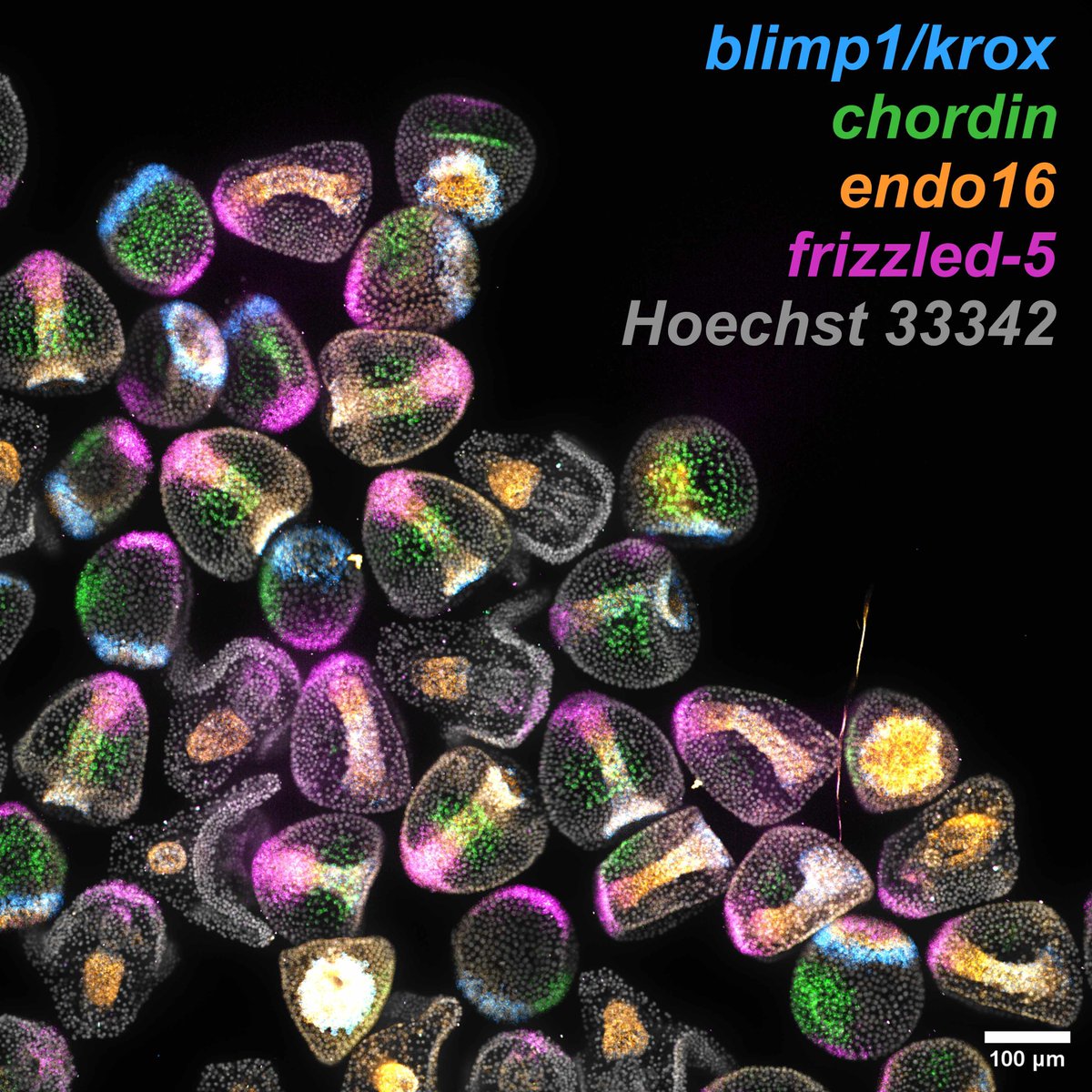
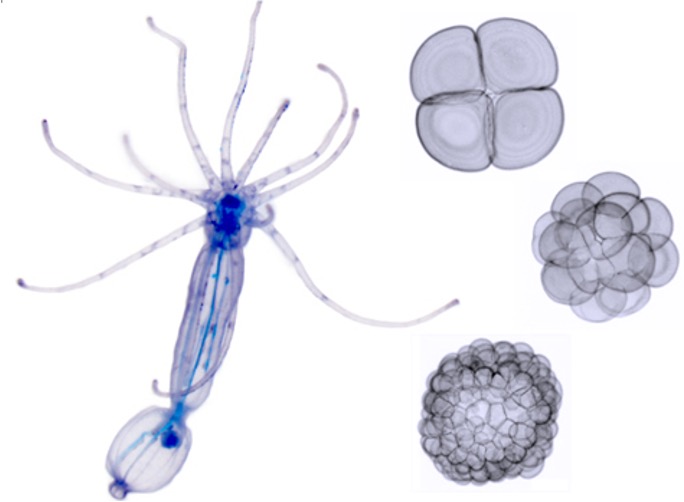
Haven't posted on X for a while, because of all the things. But just a quick note to say that this pretty awesome group is still hard at work trying to unlock urchin biology.
A new study from Josh Huang’s lab @DukeNeuro combines viral tracing techniques with whole-brain #tissueclearing and #lightsheet imaging to explore how early brain development shapes cortical connections with the rest of the nervous system: https://t.co/KQhsMolXSy
Interested in microRNAs, early animal evolution, and RNA biology? We’re recruiting a @BBSRC ‑funded Postdoctoral Research Associate @BristolUni.
Apply by 14 May 2026 👇
https://t.co/SR9e15mazk
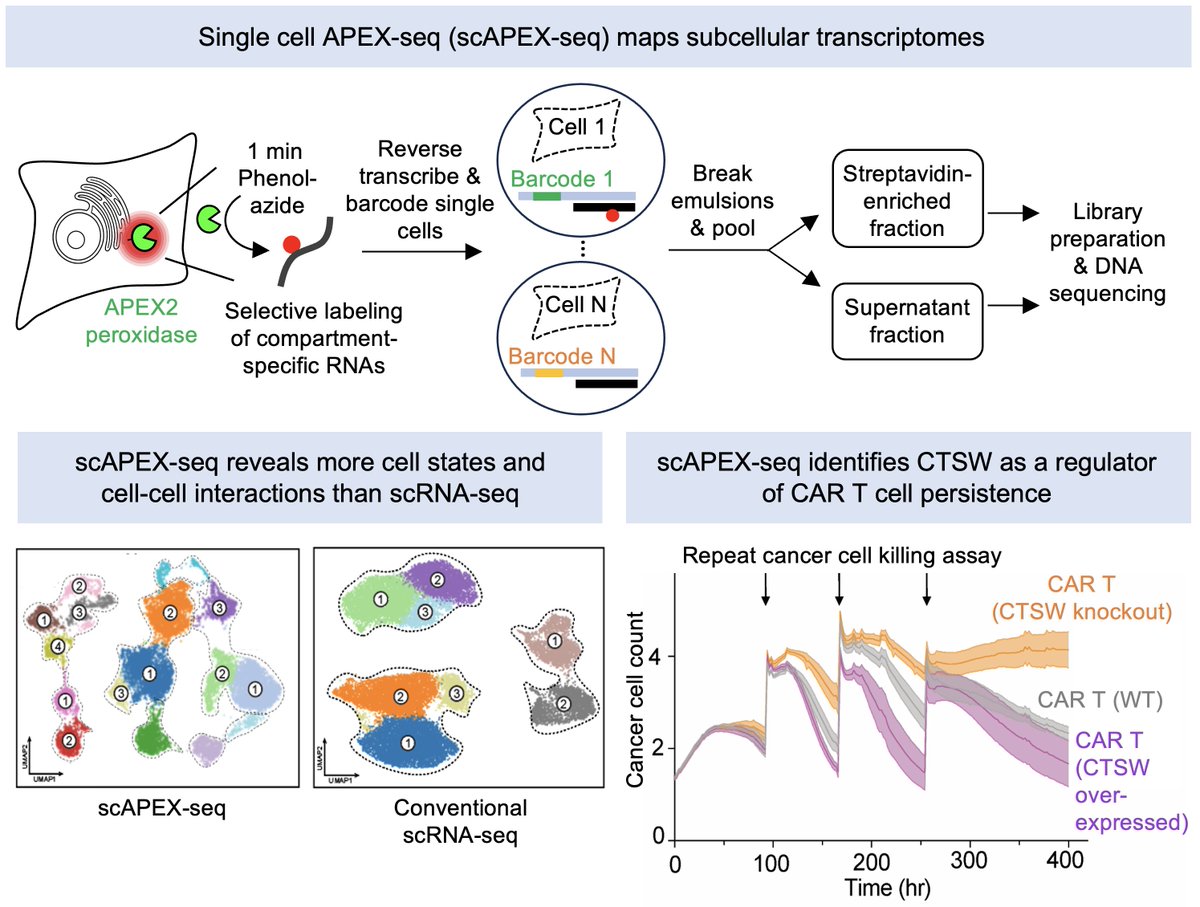
Today we report single-cell APEX-seq (scAPEX-seq) — a new method for unbiased mapping of *subcellular* transcriptomes at single-cell resolution. This approach reveals cell states that are not detectable by standard scRNA-seq, and enabled us to identify regulators of CAR T function that improve solid tumor killing.
https://t.co/iAJUj6jBQ4
We are recruiting! If you are passionate about technology development, protein engineering, computational design, directed evolution, chemical biology - please reach out!
(The setting is pretty nice too…)
ExA-SPIM is giving scientists mind blowing views of the brain. 🤯
Using tech originally designed for defect detection in electronics manufacturing, the “ExA-SPIM” microscope allows scientists to view individual neurons and their wiring in the context of the entire mouse brain.
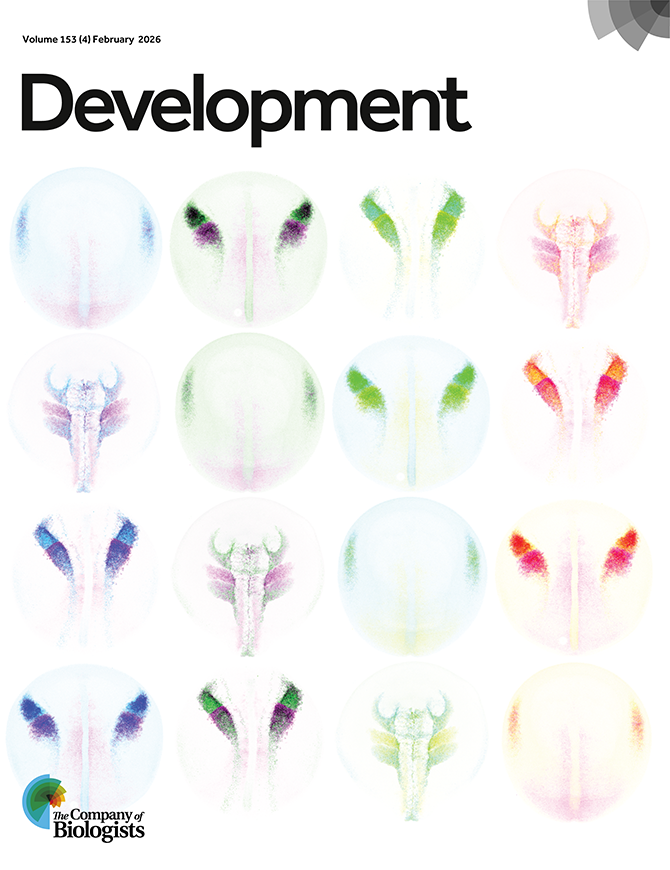
Issue 4 is complete!
On the cover: Neural crest genes in X. laevis embryos. Left to right: snai2 - cyan, green, green, yellow; foxd3 - magenta, magenta, yellow, magenta.
See the Research Article by Andrew Montequin and Carole LaBonne: https://t.co/1bbAA717ap
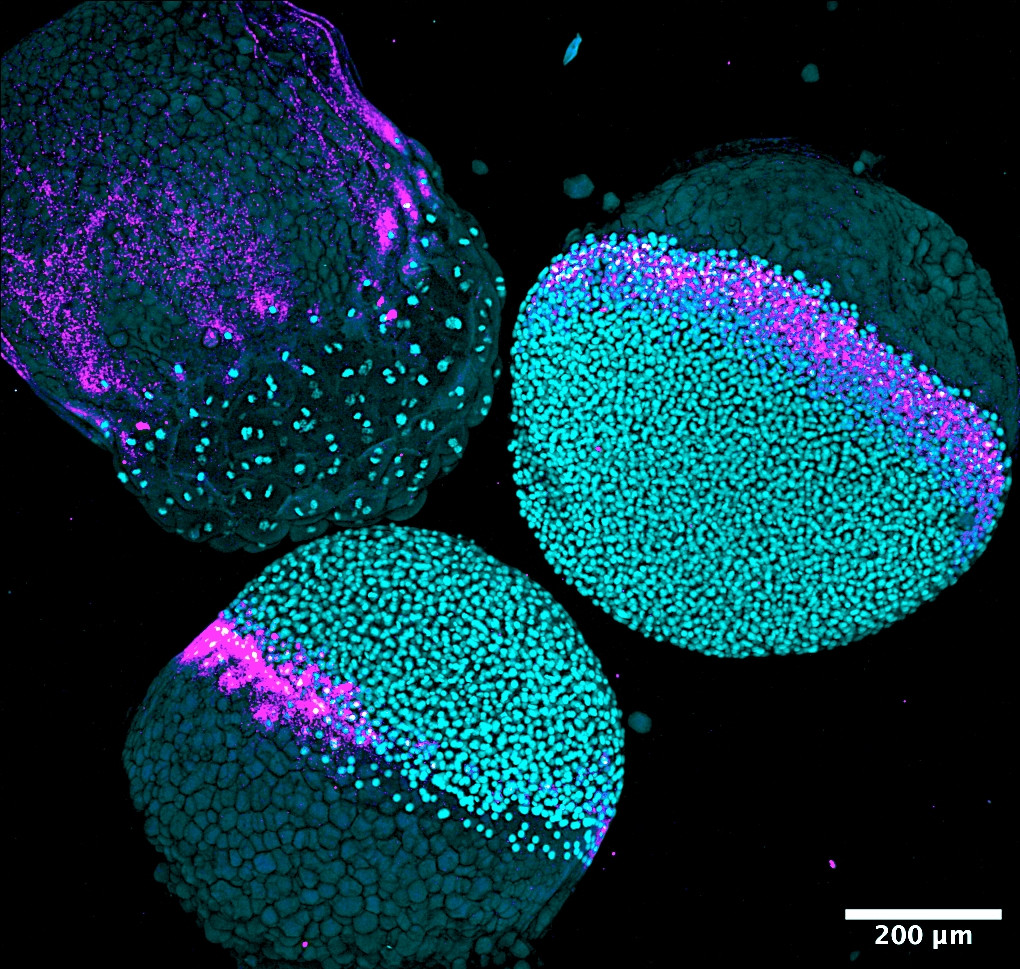
This beautiful #MicroscopyMonday shows how maternal regulation governs early embryonic development by coordinating gene expression in both time and space to direct proper embryonic growth. 🔬 @gopalkushawah (@BazziniLab)
Issue 16 is complete!
On the cover: Embryonic eye of an anole lizard stained for nuclei and F-actin. The image was acquired at the 2025 MBL Embryology course by Arthur Boutillon and was the Editor's choice from the Node image competition.
https://t.co/aaqJJZFN6S
Our lab has some ongoing data driven/AI/ML in active matter projects that can be supported through https://t.co/VK8jlUtYfr. If you are interested, or if you have some ideas of your own, feel free to reach out!
Cnidarian-Microbe Interactions: A fully-funded postdoctoral position is available in the Gibson Lab at the Stowers Institute to investigate cnidarian-microbe interactions. Experience in coral symbiosis or eukaryotic microbiology preferred. Contact: Matt Gibson: [email protected]
I've written up some thoughts on publishing for machines. 10M research papers are published per year and there are 227M total - machines will be primary producers and readers of publications going forward. It's time to revise the scientific paper.
Honeybee drug transporters and development! Transporter peeps - check out this paper from @nicklischlab@ucdavis. Interesting, queens have the lowest level of these defenses. https://t.co/2WlqfYMLHN
A note in here for other science philanthropists… we have a chance rn to help scientists rethink systems, technical & operational. They’re game to take useful risks, let’s help them. Coming soon: more open science research, experimenting outside journals… https://t.co/kizIdgwLdl