"You don't need another human being to make your life complete,but let's be honest.Having your wounds kissed by someone who doesn't see them as disaster in your soul,but cracks to put their love into,Is the most calming things in the world"
#EmeryAllen
Balochistan: the governance factor
Where the state is present only as a checkpoint, cantonment, convoy or raid, militants get narrative space. Where the state is present as a school, clinic, court, police station, water scheme, job office and local council, militants lose oxygen.
Balochistan’s non-state actors stand no chance of defeating the state of Pakistan. They cannot capture and hold territory. They cannot replace the federation.
Their strategy is different. They seek not victory, but exhaustion. They seek not control, but disruption. Not conquest, but delegitimisation. Their real battlefield is public trust.
Pakistan’s problem is not that it lacks force. Pakistan has force -- plenty of it. Pakistan’s problem is that in parts of Balochistan, the state is seen more as ‘coercive power’ than ‘protective governance’.
Balochistan has many areas with security posts but weak or no service delivery. The citizen sees armed presence, not administrative competence. In insurgency, the decisive asset is not drones but local information. Who moved? Who sheltered? Who supplied? Who planted? Who recruited? When citizens do not trust the state, they do not talk. When they do not talk, militants move.
What is happening in Balochistan is organised violence. It is deliberate. It is strategic. It is meant to break state confidence and scare citizens.
Here’s Pakistan’s core mistake: Pakistan keeps asking: how do we defeat the militants? The better question is: how do we separate the militant from the citizen? That is the heart of counterinsurgency. Remember, a militant isolated from the population becomes a criminal. And a militant hidden inside public anger becomes an insurgent.
Pakistan needs a two-handed strategy. One hand must hold the sword -- precise force, better intelligence, protected roads, secured projects and disrupted funding. No space for the militant. No sanctuary for the killer. No compromise with organised violence.
The other must hold the citizen -- visible justice, local government, resource sharing and functioning courts. Development owned by locals, not announced from Islamabad.
To be certain, external actors are fueling Balochistan’s fire. That must be countered. But foreign fuel burns only where domestic grievance has already created combustible ground.
Red alert: The militant must fear the state; the citizen must trust the state.
In counterinsurgency doctrine, the formula is simple: clear, hold, build. Clear is military. Hold is civil. Build is governance. The army can clear territory. That is one-third of the job. But the remaining two-thirds are not military. They are civilian. Police must hold. Courts must hold. Schools must hold. Clinics must hold. Local government must hold. Jobs must hold. Water must hold.
Remember: If the state only clears and does not hold, militants return. If the state holds but does not build, anger returns. If anger returns, the insurgency returns. That is why Balochistan cannot be secured by operations alone. It must be held by governance.
The real measure of success is not body count but local intelligence flow. The evidence is simple: when citizens inform, the state is winning. When citizens stay silent, the insurgency is alive.
Yes, the army can clear, but the army cannot be the permanent face of the state. The face of the state must be the police officer, the judge, the teacher, the local councillor and the doctor.
Cold fact: Pakistan’s problem in Balochistan is not a shortage of force but of governance. Force can clear territory. Governance must hold it.
https://t.co/zz9UUwx2FN
A non-exhaustive list of things 'Ulema' declared haram before eventually using or accepting them:
• Printing press
• Paper currency
• Photography
• Telephones
• Microphones
• Loudspeakers
• Radio
• Television
• Internet, and now
• Cryptocurrency
Agree totally. India & Pakistan should talk.
What could not be resolved in the gone decades - can be done in the New World Order with mutual respect!
میں آپ کی توجہ ایک اہم ایشو کی طرف مبذول کروانا چاہتا ہوں، جب ہم پشاور سے آتے ہیں، جب ہم اسلام آباد موٹر وے ٹول پلازہ کراس کرتے ہیں تو اُدھر ایک بہت بڑی چیک پوسٹ لگی ہوتی ہے۔ ایک تو اسٹیبلش چیک پوسٹ ہے، جیسے چونگی نمبر 26 پر یا کشمیر ہائی وے پر ہے۔ ہم سمجھتے ہیں کہ یہ اسٹیبلش چیک پوسٹ بھی نہیں ہونی چاہیے، لیکن چلیں وہ آپ نے ایک رینج کی ہے۔ ان چیک پوسٹوں کی وجہ سے میلوں روڈ بلاک ہوتا ہے، وہاں آپ کا کسٹمز، نارکوٹکس، پنجاب پولیس، اسلام آباد پولیس، ہم سمجھتے ہیں کہ یہ اسلام آباد موٹر وے ٹول پلازہ سے چیک پوسٹوں پر شروع ہو کر اُدھر بھی چیک پوسٹ، 26 نمبر پر بھی چیک پوسٹ اور کشمیر ہائی وے پر بھی چیک پوسٹ، چیک پوسٹ ہی چیک پوسٹیں ہیں۔ سب سے پہلے اگر آپ نے کچھ کرنا ہے تو سب چیک پوسٹوں کو ایک جگہ شفٹ کروا دیں۔ ہمارے لوگوں میں یہ احساسِ محرومی بڑھ رہی ہے کہ یہ ہمارے ساتھ ایتھنک پروفائلنگ ہو رہی ہے۔ میں مطالبہ کرتا ہوں، اس کو دیکھ لیں، اور یہ جو غیر ضروری چیک پوسٹیں ہیں جن کی وجہ سے لمبی قطاریں لگتی ہیں یہ نہیں ہونی چاہئے۔
For the record:
1. Pakistani refineries have processed Iranian crude before
2. Land routes reduce shipping risks and costs
3. For gas, arbitration case can be settled out-of-court with a reduced penalty or barter adjustment
4. Price renegotiation is standard
5. Overall, Iranian supplies offer cheaper, closer energy than many alternatives, potentially boosting the economy
You can be an Australian, But you can never sledge Shoaib Akthar and bat freely. Even the umpire signals to Langer, Shut up and bat.. Dont sledge him 😀 #Cricket
@dhume is right that Pakistan's long-term strength ultimately rests on economic performance. However, diplomacy and economics are not separate domains. Strategic relevance can create opportunities for investment, market access, partnerships, and international influence that would otherwise be unavailable. The real question is not whether Pakistan should focus on the economy, it must. The question is whether it can convert its diplomatic success into lasting economic and institutional gains. History suggests geopolitical importance creates opportunities; statecraft determines whether they are seized.
If you want to see why Pakistan's economy never reaches its potential, look at KPEC. Pakistan is taking millions of dollars in loans to build KPEC corridor whose entire purpose is trade with Afghanistan and Central Asia. At the same time trade with Afghanistan is shut down. It's hard to come up with a better example of how disconnected Pakistan's policymakers are from basic economic logic. What is the point of building a trade corridor if you're blocking the trade it was built for?
Agha Khan Auditorium of department of Journalism (University of Peshawar) was once Cinema Hall, People used to come here for watching Movies But so called Afghan Jehad totally transformed our Society, Madrasas replaced Cinemas, unfortunately Zia destroyed our progressive society.
ہم ہر سال آئی ایم ایف سے تقریباً ڈیڑھ سے دو ارب ڈالر قرضہ لے رہے جبکہ بینظیر انکم سپورٹ پروگرام پر ہم ساڑھے آٹھ سو ارب یعنی تین ارب ڈالر لگاتے ہیں اس رقم کا کوئی حساب نہی ہے کوئی آڈٹ نہی ہے اور کوئی ترقیاتی آوٹ کم نہی ہے بس ایک سیاسی رشوت جو ہم دے رہے ہیں
جتنا ہم آئی ایم ایف سے قرضہ لیتے اس سے دگنی رقم ہم بینظیر انکم سپورٹ پروگرام پر لگا ڈالتے ہیں
ایک وفاقی وزیر کی جانب سے پختونخوا کے مشیرِ خزانہ کو آج یہ کہا گیا ہے کہ پختونخوا کو گیس فراہم نہیں کی جا سکتی، لہٰذا سی این جی اسٹیشنز بند رہیں گے۔
یہ وفاقی وزیر اتنا ضرور بتائیں کہ اٹھارویں آئینی ترمیم کے بعد کس قانون کے تحت وفاق یہ حکم جاری کر رہا ہے؟ کیا اسی گیس کی بندش کی وجہ سے پنجاب کے کارخانے بھی بند ہو گئے ہیں؟ کیا پختونخوا جتنا گیس پیدا کررہا ہے وہ پہلے پختونخوا کے لوگوں کو نہیں ملنا چاہیے؟
پختونخوا کی حکومت عمران خان کی رہائی کی جدوجہد جاری رکھے، لیکن اس مسئلے پر بھی ایک احتجاج کی کال دے۔ اے این پی صوبے کے اس حق کے لیے ان کے ساتھ ہوگی۔ اے این پی اس ظلم پر مزید خاموش نہیں رہے گی اور جلد ہی اس حوالے سے لائحہ عمل طے کیا جائے گا۔ باقی، ایران-امریکہ جنگ کے نام پر وفاقی حکومت عوام کو خودکشیوں اور فاقوں کی طرف دھکیلنے کی کوشش کر رہی ہے جو کسی صورت قابل قبول نہیں۔
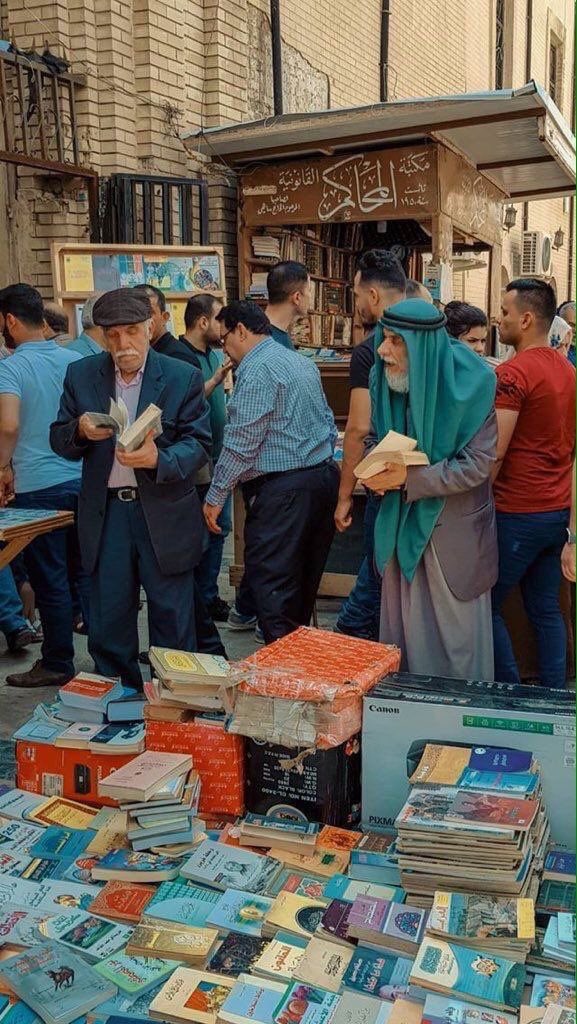
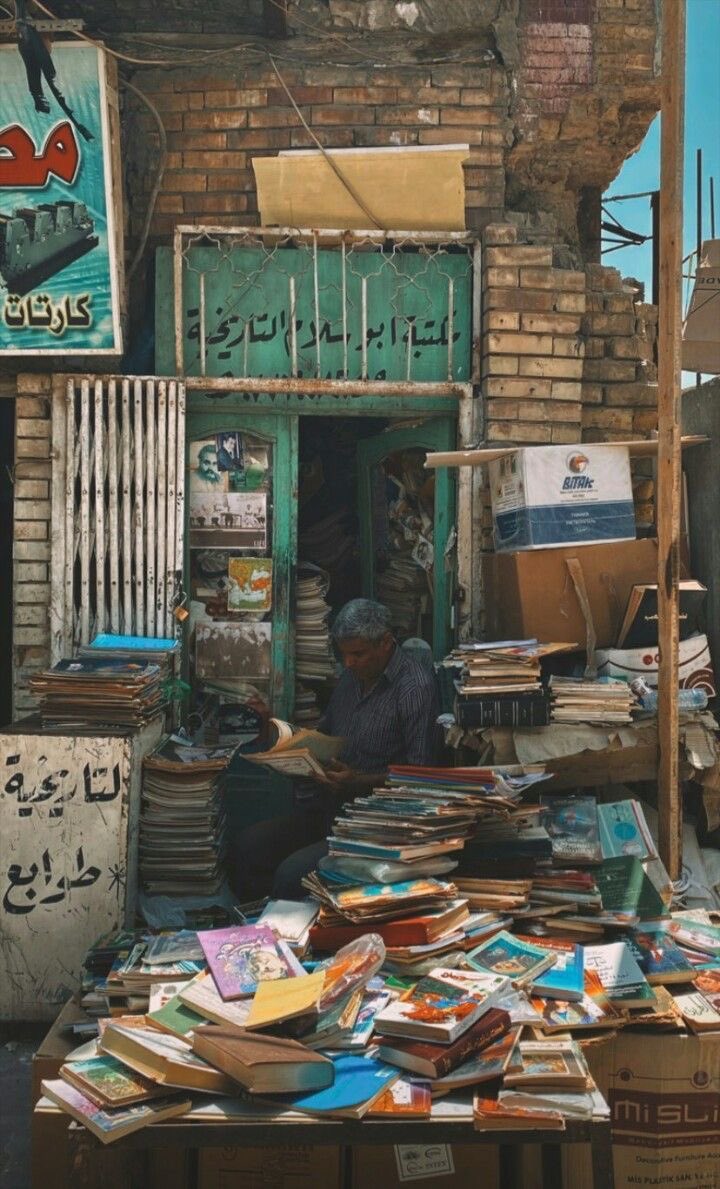
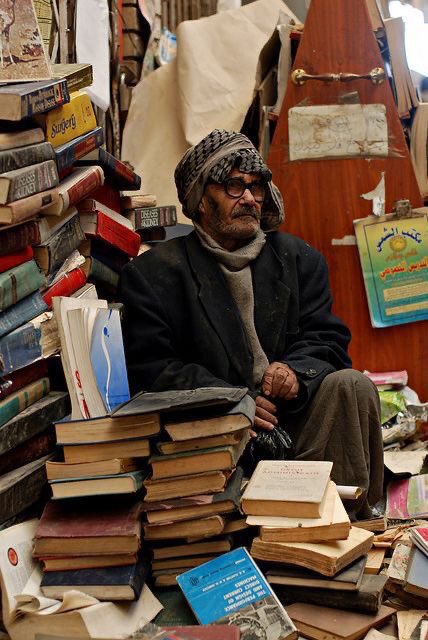
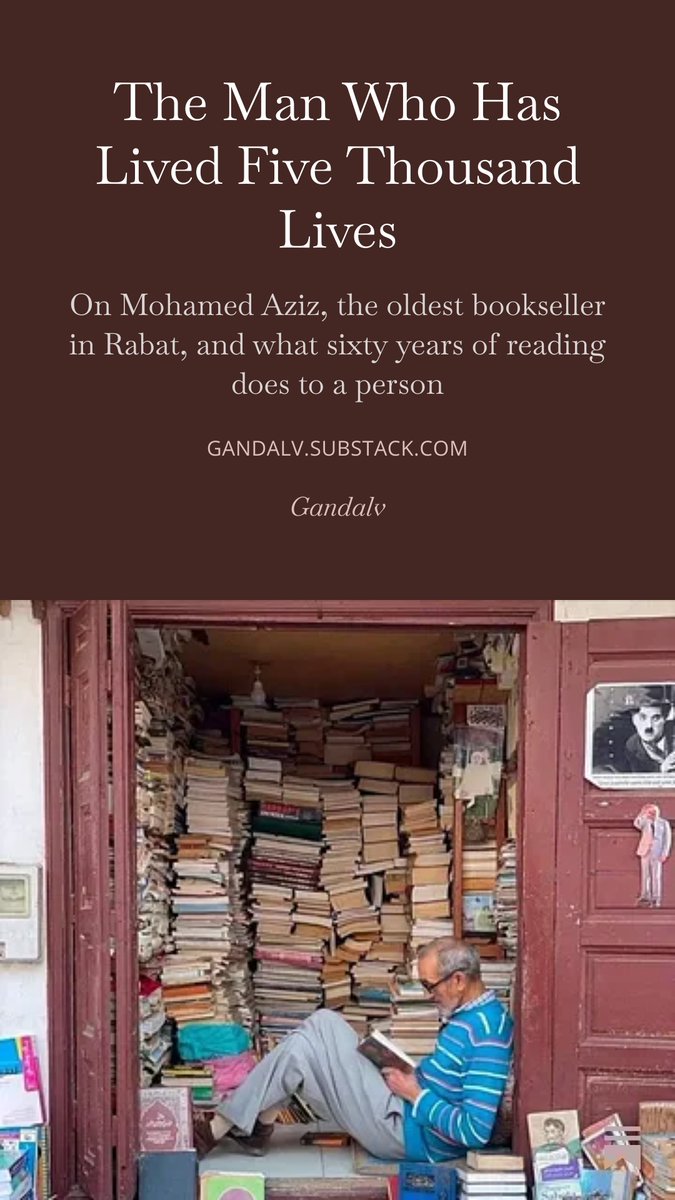
There is a bookshop in Rabat that measures five feet by five feet. Inside it, every morning since 1967, sits a man reading. His name is Mohamed Aziz. He is 72. He was orphaned at six, pulled out of school at fifteen because he couldn't afford the textbooks, and decided to have his revenge. The revenge was this: he opened a bookshop and taught himself to read in seven languages, one book at a time, with no teacher and no classroom. Arabic. French. Spanish. German. Italian. English. He discusses Dostoevsky the way other men discuss football. He has read more than five thousand books.
https://t.co/Yc70Nxc0Ze
In the age of ignorance, daughters were buried alive- but has that practice truly ended? No, today, we still bury them, only with different tools. The brutal execution of young Khalida Chandio for alleged honor killing in Khairpur is a painful reminder of this enduring tragedy.
آمریت کسی فرد کا نام نہیں، لفظ، خیال اور خبر سے مسلسل خوفزدہ رہنے والے بندوبست کو کہتے ہیں۔ نظریاتی ریاست کا حقیقی روگ یہی ہے کہ ریاست قوم پر قبضہ کر لیتی ہے۔ نظریاتی جبر کی مخالفت کرنے والوں کو ملک دشمن اور غدار قرار دے دیا جاتا ہے۔
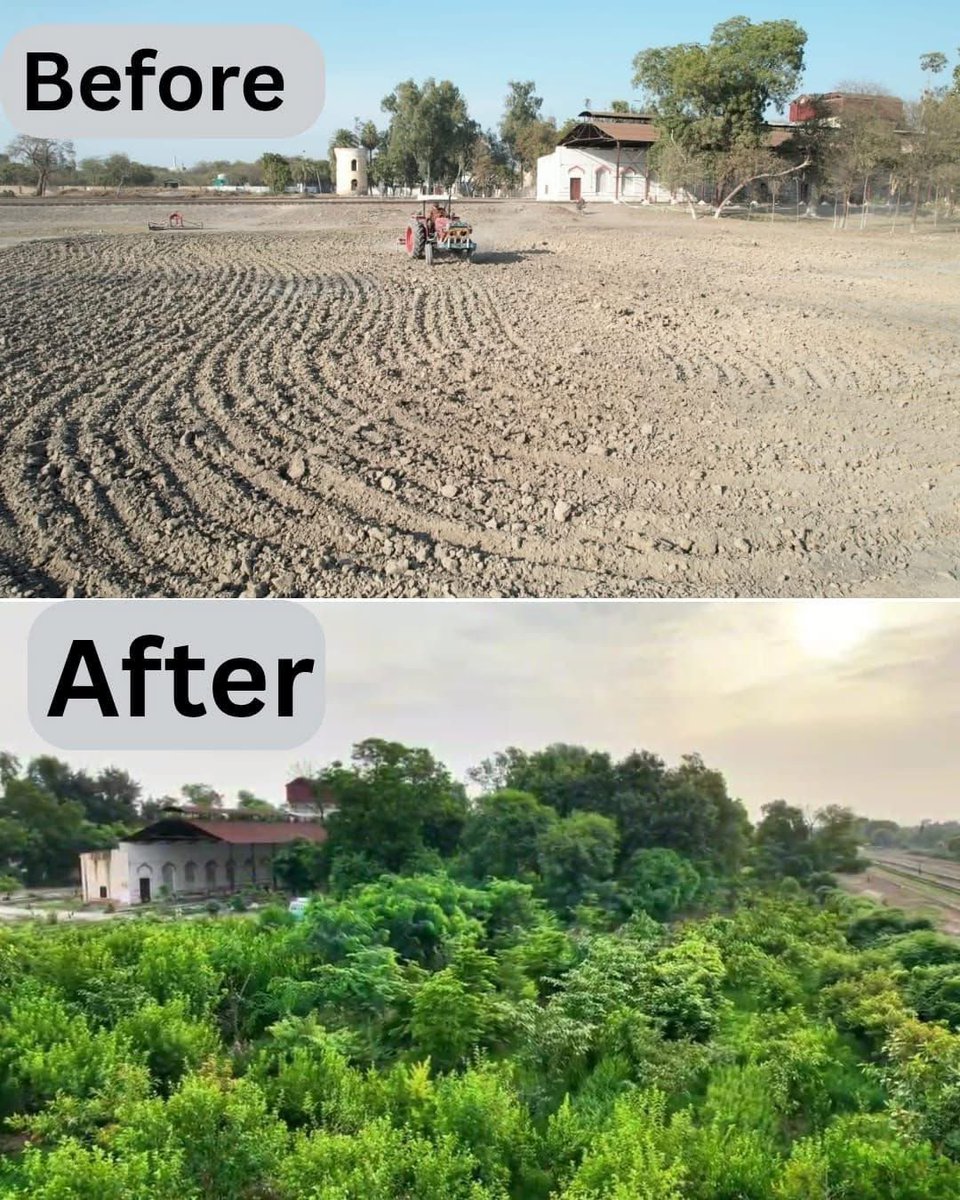
پاکپتن میں پاکستان بننے سے پہلے سے لیکر اب تک یہ جگہ ویران بنجر پڑی تھی اس پر غلام رسول پاکستانی اور انکی ٹیم نے درخت لگانے کا منصوبہ بنایا غلام رسول صاحب اب تک بائیس لاکھ درخت مختلف شہروں اور دہات میں لگا چکے ہیں اور انکا ٹارگٹ 50 کروڑ دیسی درخت لگانے کا ہے
اصل کام یہ ہے جو غلام رسول اور ان کے ساتھی کر رہے ہیں ہمیں درختوں کی اشد ضرورت ہے