For years, Israel was using 2,000lb American bombs to kill Gazan refugees in tents. Both the Biden and Trump administrations permitted it.
A precedent was set.
Now it appears the US is doing the same in Iran.
A 2000lb bomb was dropped on a family house in Qeshm, killing a taxi driver (the father), the mother, and a 2-year-old, according to @nytimes.
Yes, a taxi driver. And a toddler. And his mother.
"The Times found no indication of a military site near the family’s home or any reports of military casualties from the strike."
https://t.co/DrD08nibGq
Meanwhile, Russia's litho teams are working on an 11.2 nm prototype. Two fresh papers today. It's a dead end for HVM, but in lithoworld we'd all love to see data off of it.
Source: Federal Research Center A.V. Gaponov-Grekhov Institute of Applied Physics of the Russian Academy of Sciences, IAP RAS, Nizhniy Novgorod, Russia
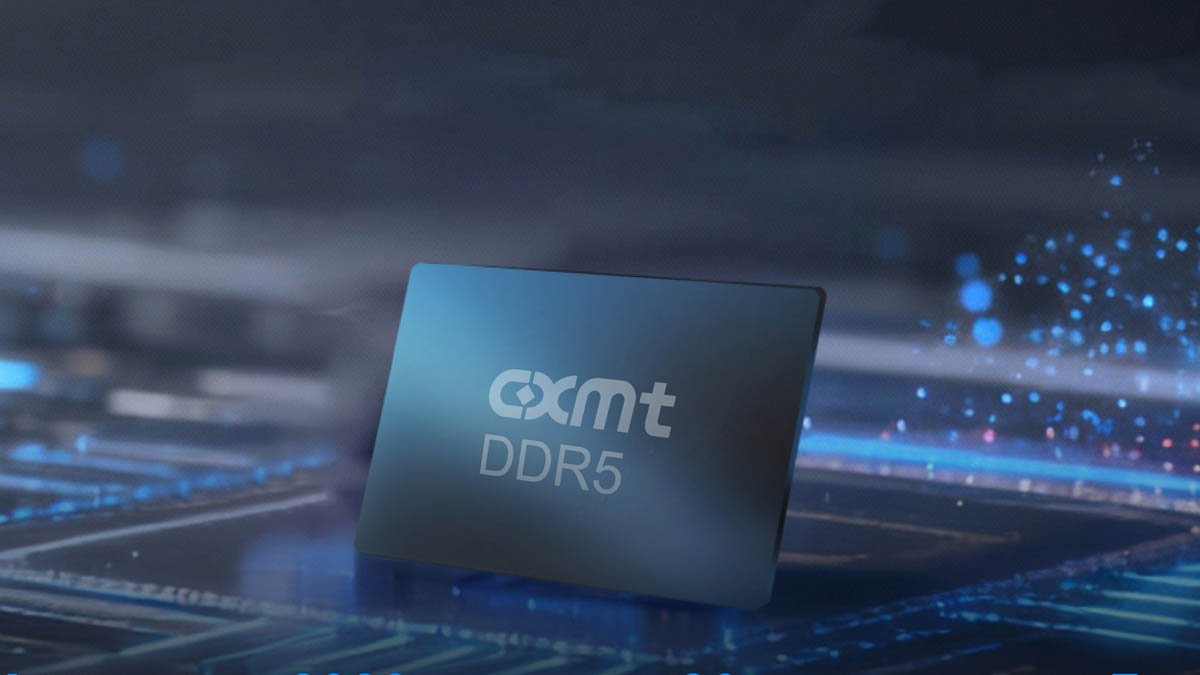
CXMT is close to mass producing LPDDR6 according to industry insiders. It will have designed w/ speed of 12.8 Gbps. Comes w/ SoC to allow basic speed of 10667 Mbps.
AMEC CEO said it expects to cover 60% of high end SME mkt in 5 yr.
AMEC is a major etching & deposition supplier to CXMT. CXMT's growth in production & tech would not be possible w/o the full industry that has developed around it including Piotech's deposition/bonding equipment, SiCarrier's inspection/metrology lineup & NAURA's deposition, etchers & cleaning equipment.
It's a full system effort for CXMT to reach LPDDR6. My guess is this also means G5/14nm process is entering production soon.
Can 14nm process chips outperform 4nm chips in AI?
DFSX showcased how its DF1000 & DF2000 series chips compared to H200 & B300 chip on a per chip basis by adding in the effect of memory bandwidth. DF2000 achieves greater efficiency for wide range of tasks due to memory speed.
If Iran is behind these cyberattacks on US water systems, the message is clear.
It's a warning: If the US strikes critical infrastructure in Iran, including desalination plants and power grids, Iran will respond in kind through cyberattacks against critical infrastructure in the US.
Essentially, Iran will bring the war to the US itself using cyber.
The strategic mistake of starting - and restarting - this war is only becoming more enormous.
https://t.co/uH9vzJIaY2
I see three plausible explanations for this move:
1. This is a genuine attempt at preventing a likely US escalation in the making.
2. This is intended to give Trump a way out. Trump can continue to portray himself as tough and willing to take the fight, but the problem is with military readiness.
3. This is a deception aimed at lulling Tehran into a false sense of security, only for Trump and Netanyahu to attack Iran in a major escalation in short order.
US General warns he lacks sufficient forces to protect Israel
https://t.co/k9eyL0Rsky
Told @ABC that despite all the military strikes the US has conducted in the last three weeks or so, Iran retains escalation dominance.
Just like the first round of this foolish war, Trump simply cannot escalate his way out of this conflict.
https://t.co/zpMQ4LeTZf
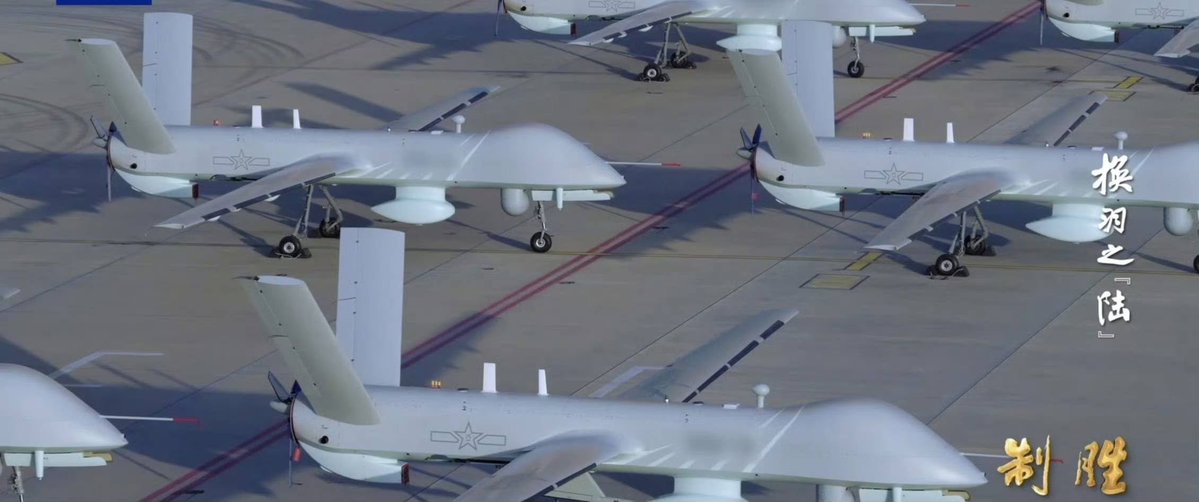
China Fires YJ-20 Hypersonic Anti-Ship Missile From Smaller Destroyer
Putting YJ-20s on Type 052D destroyers, not just the giant Type 055, distributes the capability across many more hulls and potentially a much larger area.
https://t.co/uIEkWhKd3Q
China's President Xi Jinping urged senior leaders of the ruling Communist Party on Friday to deepen the fight against corruption in the military and to advance the modernisation of national defence, state news agency Xinhua reported. https://t.co/b8gzbsV9td
NVIDIA and Huawei have reached the same conclusion: competitive advantage in AI hardware is migrating from the chip to the system. Their engineering answers point in opposite directions.
NVIDIA packs 72 top-tier GPUs into one rack and lets dense silicon do the work. Huawei spreads 384 weaker processors across a wider fabric and lets system architecture compensate. SemiAnalysis assessed Huawei's design as "arguably a generation ahead" in system architecture, at an estimated 2.5 times worse energy efficiency per FLOP.
Two bets, each exposed to a different failure mode. My latest analysis maps where each one breaks: https://t.co/Or6133RYGW
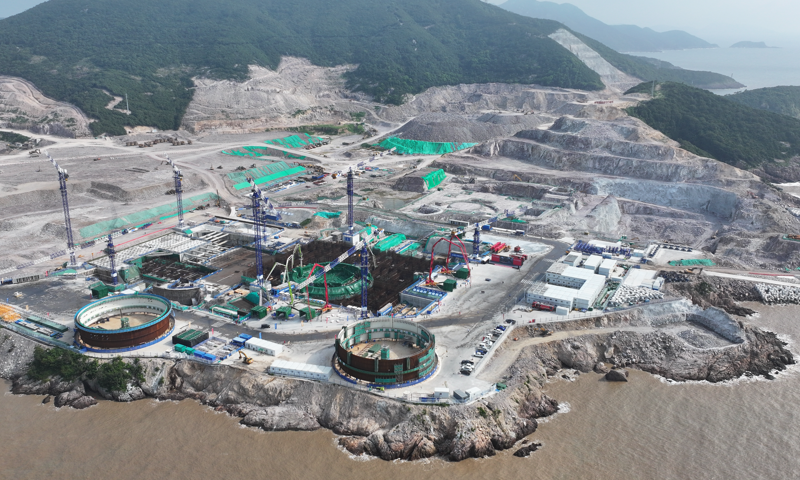
#China has given the green light to four new #nuclearpower projects, with total investment estimated at more than 170 billion yuan ($25.2 billion). A State Council executive meeting on Friday approved the nuclear projects, stressing that the units must be built and operated to the world’s highest safety standards, with full-chain, full-sector supervision to ensure absolute nuclear safety. https://t.co/UpumXIxgvL
CXMT is working on LPDDR6 and it appears to be a real breakthrough for the company in memory chips. The Chinese chipmaker has sped up the R&D progress for the new-gen memory processor, pushing it one step closer to mass production.
Ryan, I’d like to respectfully play the lithography critic here, because IMO the most important questions surrounding this MATCH Act plan have never been addressed:
1) What becomes of this fleet of hundreds of immersion scanners, including some NXT:2050i systems, currently in mainland China?
2) What is preventing China from tearing down any of these tools now to reverse-engineer them?
3) Why can’t a modern fab mix and match vendors for immersion lithography (re: the Nikon example)?
4) What is the core method (hint: costly + painful) used to iterate on these tool designs, and what is blocking a Chinese fab from enabling this learning process for a domestic vendor?